
To prevent mold in your craft room, regularly check for early signs like water stains, peeling paint, or damp patches on walls and ceilings. Keep humidity below 60% by using dehumidifiers and ensure proper ventilation with open windows or exhaust fans. Quickly address leaks or condensation and store supplies in dry, well-ventilated areas. Monitoring moisture levels and maintaining a dry environment help stop mold before it starts—discover more tips to keep your space mold-free.
Key Takeaways
- Regularly inspect walls, ceilings, and storage for water stains, peeling paint, or damp patches.
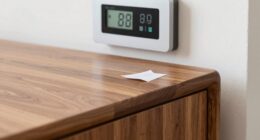
- Monitor humidity levels with a hygrometer, keeping them below 60%.
- Ensure proper ventilation by opening windows, using exhaust fans, and employing air purifiers.
- Address leaks, condensation, or water intrusion immediately to prevent mold growth.
- Keep craft supplies dry, clean surfaces regularly, and use mold-resistant paints in humid areas.
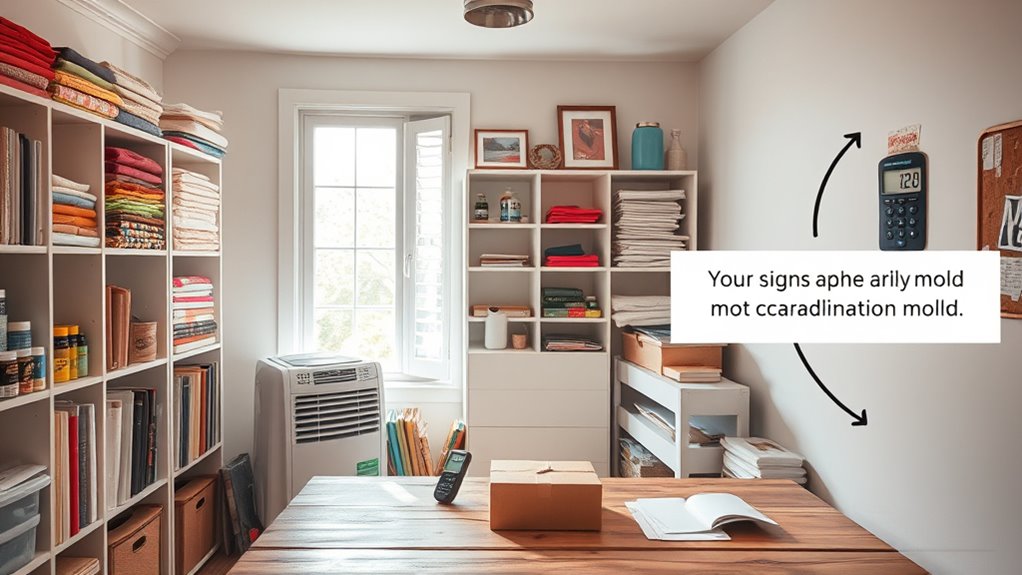
If you want to keep your craft room safe and clutter-free, preventing mold should be a top priority. Mold thrives in environments with poor ventilation and excess moisture, so addressing these issues early on is essential. One of the first things you should do is assess your craft room’s ventilation. If the space feels stuffy or damp, you might be facing ventilation issues. Poor airflow allows humidity to linger, creating the perfect environment for mold to develop. To improve ventilation, consider opening windows regularly, installing exhaust fans, or adding portable air purifiers with HEPA filters. These steps help circulate fresh air and reduce moisture buildup, making it harder for mold spores to settle and grow.
Moisture control is equally critical. You need to keep humidity levels below 60%, ideally around 30-50%. Use a hygrometer to monitor the moisture levels in your craft room, and if you notice high readings, take action immediately. Dehumidifiers are effective tools for pulling excess moisture from the air, especially in basements or rooms with limited airflow. Avoid storing craft supplies in basements, attics, or closets that tend to trap humidity. Instead, choose well-ventilated shelves or storage units that allow air to circulate freely around your materials.
Maintain humidity below 60% with a hygrometer and dehumidifier to prevent mold growth in your craft room.
Check for signs of moisture intrusion regularly. Look for water stains, peeling paint, or damp patches on walls, ceilings, and floors. These are common indicators that your moisture control measures need reinforcement. If you spot leaks or condensation, address them promptly to prevent mold from establishing itself. Fix leaking pipes or roof leaks immediately, and consider sealing windows or gaps where humid air might seep in. Using mold-resistant paints on walls and ceilings can add an extra layer of protection, particularly in areas prone to humidity.
Another important aspect of preventing mold is keeping your craft room clean and dry. Regularly wipe down surfaces with a mixture of water and vinegar or a commercial mold cleaner to inhibit mold growth. Ensure your craft supplies are dry before storing them, as damp fabrics, papers, or paints can become mold hotspots. When you’re not using your craft room, keep windows and doors open to promote airflow and moisture escape.
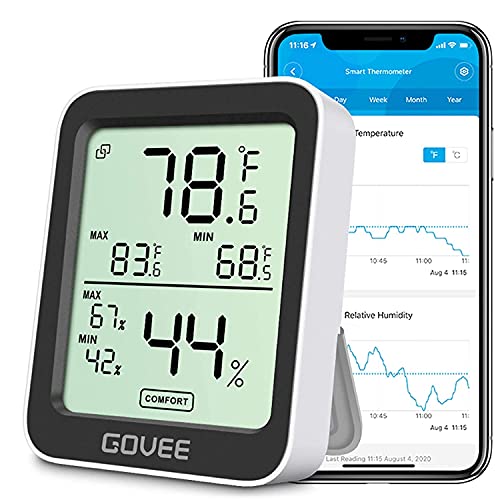
Govee Indoor Hygrometer Thermometer H5075 with Bluetooth App Control
- Smart Remote Monitoring: Supports Bluetooth remote access and graphs
- High Accuracy Sensors: Temperature ±0.54°F, Humidity ±3%RH
- Fast Refresh Rate: Updates every 2 seconds for real-time data
As an affiliate, we earn on qualifying purchases.
As an affiliate, we earn on qualifying purchases.
Frequently Asked Questions
How Often Should I Inspect My Craft Room for Mold?
You should inspect your craft room for mold at least once a month. Regular checks help you spot signs of mold early, especially if you maintain good ventilation habits and moisture control. Look for musty odors, discoloration, or any visible mold. By staying vigilant and keeping humidity levels in check, you prevent mold growth and protect your craft supplies from damage over time.
What Are the Best Dehumidifiers for Craft Room Environments?
You should choose a dehumidifier with features like adjustable humidity settings, auto shut-off, and a built-in hygrometer for precise control. Look for models that efficiently remove moisture without over-drying, maintaining ideal humidity levels of 40-50%. Brands like Frigidaire, hOmeLabs, and Ivation offer reliable options. These dehumidifiers help prevent mold growth by keeping your craft room’s environment balanced and dry, protecting your supplies and workspace.
Can Certain Craft Materials Promote Mold Growth?
Imagine delicate paper or fabric, their softness inviting creativity, yet they pose craft material risks when exposed to excess humidity. These materials trap moisture, creating a perfect environment for mold growth. Proper humidity control becomes essential, as high humidity accelerates mold development. By monitoring your craft room’s humidity levels and choosing mold-resistant materials, you protect your projects and maintain a healthy, mold-free workspace.
Are Air Purifiers Effective in Mold Prevention?
Air purifiers are effective mold prevention tools because they filter out airborne mold spores, reducing the risk of mold growth in your craft room. Using an air purifier with a HEPA filter can substantially improve air quality and help you maintain a mold-free environment. For best results, combine air purifier effectiveness with proper ventilation and moisture control, ensuring your craft space stays dry and mold-free.
How Do I Safely Remove Existing Mold From Craft Supplies?
To safely remove existing mold from craft supplies, start with DIY mold removal by wearing gloves, a mask, and goggles for safety precautions. Use a mixture of water and mild detergent or white vinegar to scrub moldy surfaces gently. For porous items, consider discarding them to prevent spreading spores. Always work in a well-ventilated area, and clean tools thoroughly afterward to avoid cross-contamination.

BEDRED Dehumidifier, 95OZ Dehumidifier for Home 1000 sq ft – Quiet with Auto Shut Off & Relaxing 7 Color Ambient Light, Ideal for Livingroom, Bedroom, Basement (Black)
- Type of Dehumidifier: Semiconductor thermoelectric cooling
- Auto Shutoff: Automatically powers down when full
- Ambient Light: 7-color soothing ambient lighting
As an affiliate, we earn on qualifying purchases.
As an affiliate, we earn on qualifying purchases.
Conclusion
By staying vigilant and following this checklist, you can effectively prevent mold in your craft room. Some might think mold prevention is complicated or costly, but with simple habits like proper ventilation and quick cleanup, you’ll save time and money in the long run. Proactive measures protect your projects and health, ensuring a safe, inspiring space. Don’t wait for mold to appear—act now and enjoy peace of mind while creating your masterpieces.

VIVOSUN 4" Inline Fan &Speed Controll 130 CFM Exhaust Fan for Home Workshop
- Airflow Capacity: 130 CFM for efficient ventilation
- Energy Efficient Motor: Upgraded EC motor for low energy use
- Quiet Operation: Runs at just 26dB for peaceful use
As an affiliate, we earn on qualifying purchases.
As an affiliate, we earn on qualifying purchases.

Zinsser 02774 PERMA-WHITE Mold & Mildew Proof Interior Paint, Quart, Eggshell White
- Self-Priming Formula: No sanding required
- Mold & Mildew Proof: Guaranteed 5-year protection
- Resists Dirt & Moisture: On the paint film
As an affiliate, we earn on qualifying purchases.
As an affiliate, we earn on qualifying purchases.