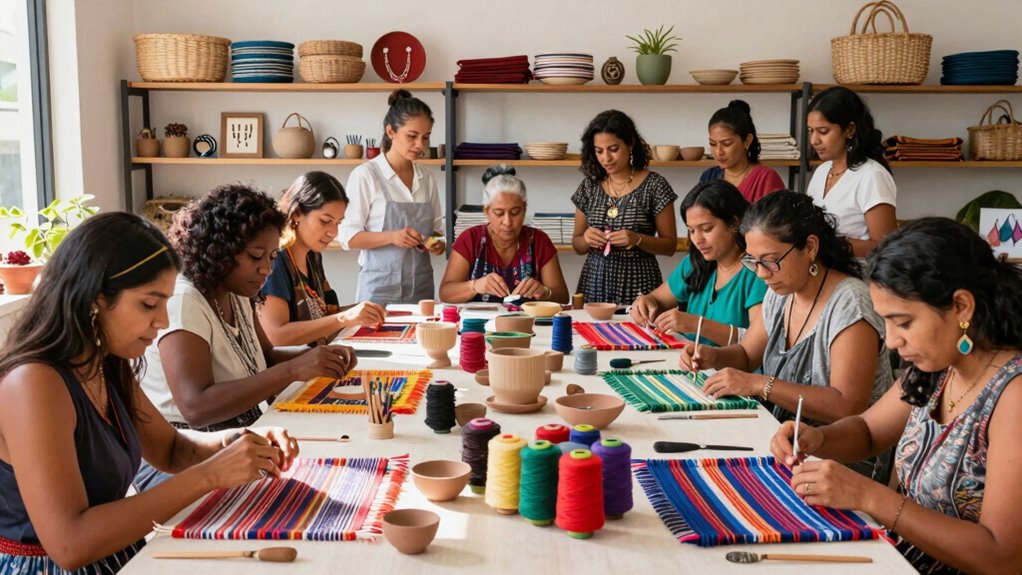

During Women’s History Month, you celebrate women artisans who transformed craft by preserving culture, challenging norms, and empowering communities. Their skills in textiles, pottery, and embroidery often became acts of resistance and self-expression. These women not only kept traditions alive but also inspired others to see craft as a source of strength and independence. If you keep exploring, you’ll discover the inspiring stories behind these women’s lasting impact and what they continue to teach us today.

Get business pricing on tools and workshop supplies
- Business-only prices and quantity discounts
- Tax-exempt purchasing
- Multiple users, one account, clear invoices
Key Takeaways
- Highlighting women artisans who pioneered craft techniques, breaking societal barriers and inspiring future generations.
- Showcasing how their work preserved cultural heritage and promoted social values through craft.
- Emphasizing their roles as leaders, entrepreneurs, and activists in transforming craft into empowerment tools.
- Demonstrating the importance of craft as a form of resistance, self-expression, and cultural identity.
- Celebrating their legacy of resilience, innovation, and influence during Women’s History Month.
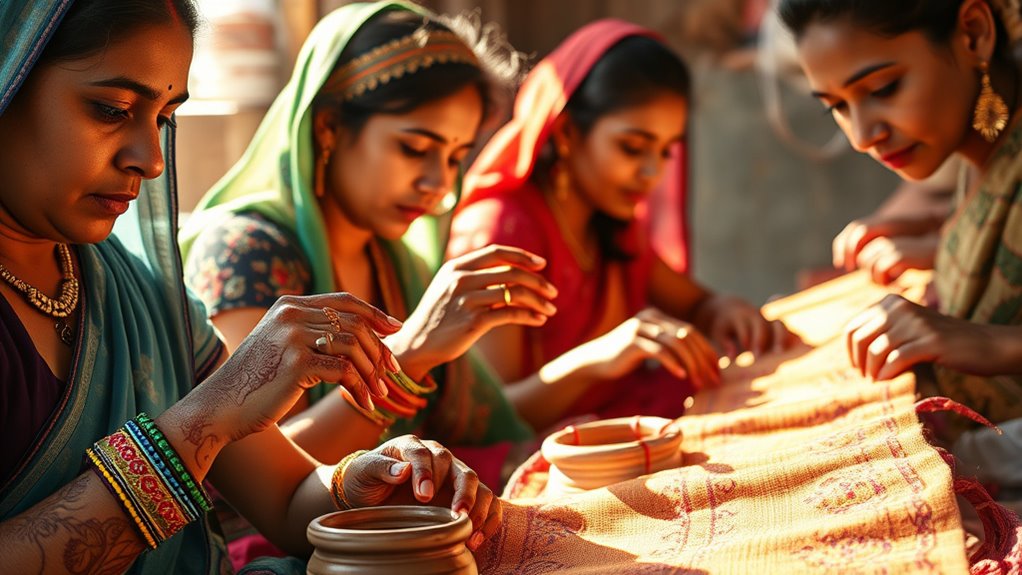
Have you ever wondered why March is dedicated to celebrating women’s contributions throughout history? It’s more than just a month on the calendar; it’s a reminder of how women have shaped and reshaped societies through their resilience and ingenuity. One powerful way women have done this is by elevating craft traditions, turning simple skills into movements of women’s empowerment. These artisans didn’t just create beautiful objects—they challenged societal norms, asserted their independence, and inspired future generations to believe in their own potential.
Women artisans historically worked in textile arts, pottery, weaving, and embroidery, often within their communities and homes. These craft traditions weren’t just about producing goods; they carried stories, cultural identity, and social values. By mastering these skills, women gained a form of agency that transcended domestic roles. For example, traditional quilting or beadwork became acts of resistance, showcasing their craftsmanship and creativity in ways that defied expectations of women’s limitations. Through their work, they demonstrated that women could be skilled entrepreneurs and innovators, not just caregivers or homemakers.
Women’s craft traditions transcend utility, embodying stories, culture, and resilience that empower and inspire generations.
Celebrating these craft traditions during Women’s History Month highlights how women have used their hands and ingenuity to carve out spaces of empowerment. It’s about recognizing that what may seem like simple, everyday tasks are actually acts of resistance and self-expression. When women preserve and pass down craft techniques, they preserve cultural heritage and strengthen female communities. They teach younger generations that their skills are valuable and that their contributions matter. This not only sustains cultural identity but also fosters confidence, independence, and economic self-sufficiency.
Moreover, these women artisans became role models, inspiring others to pursue their passions and challenge gender stereotypes. Their craftsmanship became a form of activism—proof that women could lead, innovate, and succeed on their own terms. Today, many contemporary women continue this legacy by reclaiming traditional craft practices and turning them into sustainable businesses. They show that craft traditions are more than just art; they’re tools for empowerment, economic growth, and cultural preservation.
In celebrating women’s craft traditions, you acknowledge the strength behind every stitch, brushstroke, or bead. These women teach us that craft isn’t just about creating; it’s about shaping identities, challenging boundaries, and empowering ourselves and others. Women’s History Month reminds you that every craft has a story—one of resilience, pride, and transformation—and that women artisans have always been at the heart of this ongoing narrative. Recognizing the cultural significance of their work emphasizes how craft can be a form of cultural expression and resistance.
As an affiliate, we earn on qualifying purchases.
Frequently Asked Questions
How Did Women Artisans Influence Modern Craft Techniques?
Women artisans revolutionized modern craft techniques by blending innovation techniques with cultural traditions, inspiring new methods and designs. You can see their influence in contemporary textiles, pottery, and jewelry, where traditional skills meet modern aesthetics. Their innovative approaches preserved cultural heritage while pushing boundaries, encouraging you to explore diverse techniques. By doing so, they taught that honoring tradition and embracing innovation lead to vibrant, meaningful craftsmanship.
What Challenges Did Women Artisans Face Historically?
You face a world where gender barriers cast long shadows over your craft, making recognition and fair pay elusive. Economic limitations tighten around your skills, often pushing you to the margins of opportunity. Historically, women artisans struggled against societal expectations and restricted access to resources, forcing you to work in secret or underpaid. Despite these hurdles, your resilience and creativity carved paths that challenge and inspire future generations.
Are There Specific Regions Known for Women-Led Craft Movements?
You’ll find women-led craft movements thrive in regional traditions and craft hubs worldwide. For example, in Mexico, Oaxaca is renowned for its vibrant textiles and pottery, led by talented women artisans. India’s Rajasthan boasts women’s embroidery groups, while in Africa, Ghana’s Kente weaving centers empower local women. These regions celebrate women’s craftsmanship, blending tradition and innovation, inspiring future generations and shaping the global craft scene through their unique regional influences.
How Can Contemporary Crafters Honor These Pioneering Women?
Think of honoring pioneering women as tending a garden of craft preservation, where each act nurtures growth. You can celebrate their legacy by supporting women-led craft projects, promoting gender equality in your community, and sharing their stories. By doing so, you help weave their innovations into today’s fabric, ensuring their contributions inspire new generations and keep the spirit of female artisans alive and thriving in contemporary craft.
Which Women Artisans Are Currently Shaping the Craft Industry?
Today, women artisans like Emily Katz and Ayumi Horie are shaping the craft industry through female entrepreneurship and craft innovation. You can support their work by exploring their unique designs and sharing their stories. These women push boundaries, blending traditional techniques with modern ideas, inspiring a new generation of crafters. By engaging with their creations, you contribute to a vibrant, evolving craft world that celebrates women’s leadership and creativity.
As an affiliate, we earn on qualifying purchases.
Conclusion
As you celebrate Women’s History Month, remember these women artisans are like bright stars guiding your path through craft and creativity. Their stories remind you that your own hands can shape history, just as they did. Embrace their lessons, ignite your passion, and let your unique voice add to the vibrant tapestry of craft. Keep shining, keep creating—because your artistry has the power to change the world, one piece at a time.
pottery starter kit for beginners
As an affiliate, we earn on qualifying purchases.
As an affiliate, we earn on qualifying purchases.
As an affiliate, we earn on qualifying purchases.
Halloween Picks
halloween
As an affiliate, we earn on qualifying purchases.