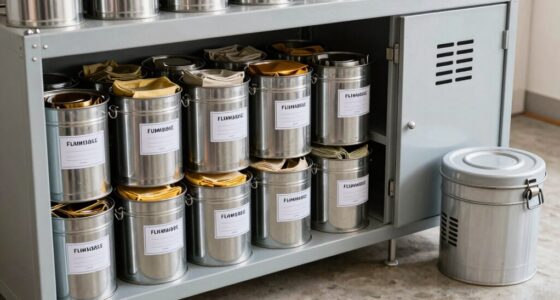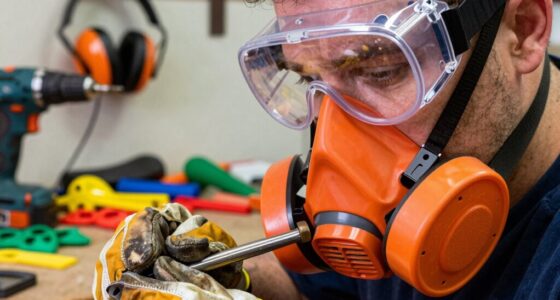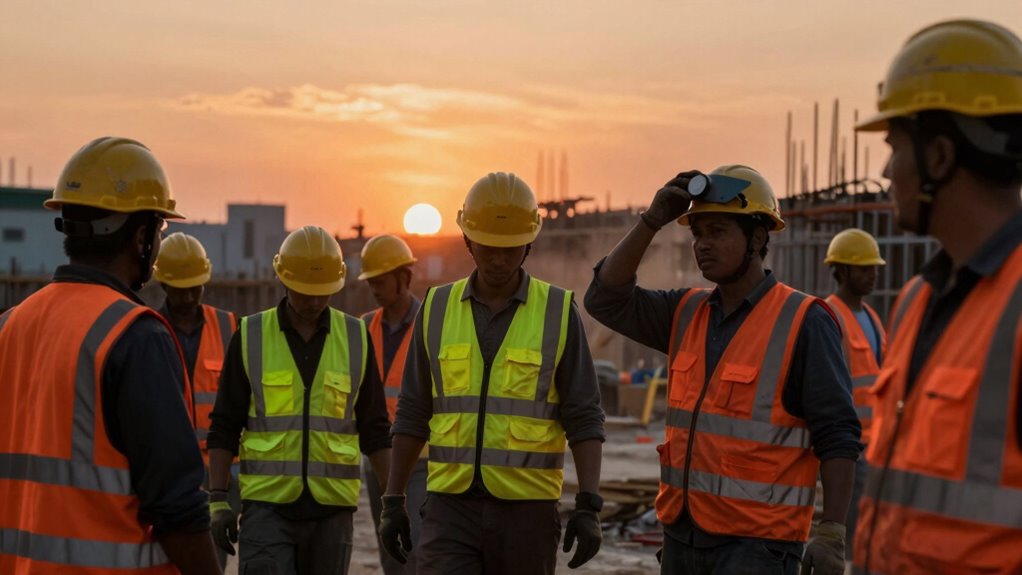

You might ignore protective gear because you see it as an obstacle that slows down your workflow and stifles your creativity. Social pressures and workplace norms can reinforce the idea that safety measures are unnecessary, especially if you or your peers believe accidents are rare or minor. Personal biases like overconfidence and optimism may also cause you to underestimate risks. If you want to understand the deeper reasons behind this mindset, there’s more to explore.
Key Takeaways
- Makers perceive safety gear as an obstacle that hampers workflow and creativity.
- Personal biases like optimism bias and overconfidence lead to underestimating actual risks.
- Social influences and workplace culture often suppress safety priorities in favor of productivity.
- Cost-benefit evaluations favor efficiency, viewing safety measures as unnecessary or time-consuming.
- Lack of safety emphasis and enforcement fosters complacency and undervaluing protective equipment.
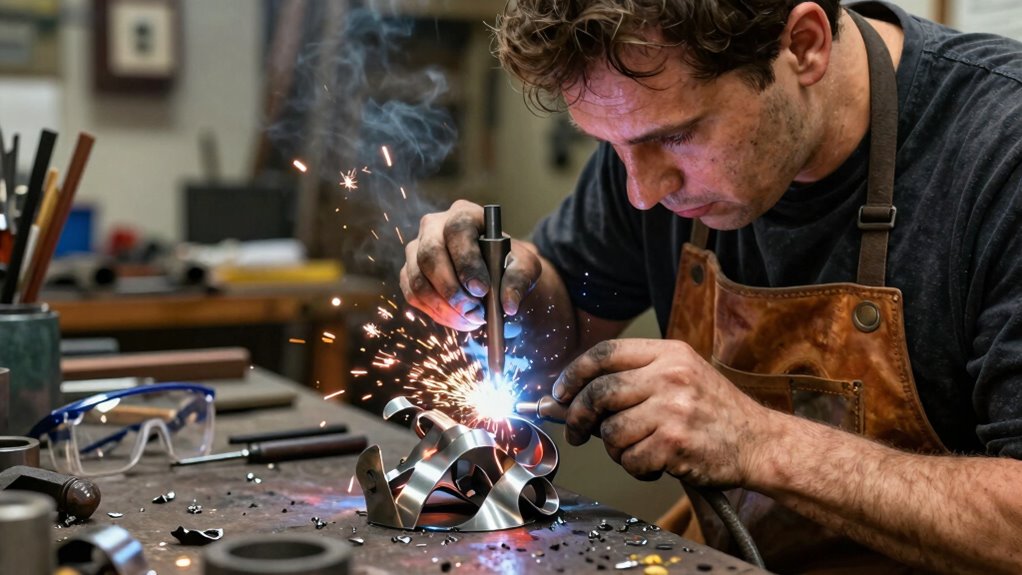
Many makers overlook protective gear because they believe it slows them down or hampers their creativity. They see safety equipment as an obstacle, something that interrupts the flow of their work rather than something that enhances it. But beyond the immediate discomfort, there’s often a deeper reason rooted in how they evaluate the risks and benefits of safety measures. When you perform a cost benefit analysis, you might conclude that the time and effort required to wear protective gear outweigh the perceived safety benefits. If your past experiences or those of your peers suggest that accidents are rare or minor, you might decide that the inconvenience isn’t worth the protection. This kind of reasoning is common, especially in environments where safety gear isn’t emphasized or enforced. Some makers also underestimate the likelihood of accidents happening to them personally, which can contribute to their disregard for safety protocols. They might think, “It won’t happen to me,” or “I’ve been doing this for years without issues.” This optimism bias can diminish the perceived importance of protective gear. When you’re confident in your skills and experience, it’s easy to dismiss safety precautions as overcautious or redundant. Yet, even experienced makers can encounter unforeseen hazards, and the absence of protective gear can turn a minor mishap into a serious injury. Additionally, a culture of complacency may develop among groups of makers, further reducing the perceived need for safety measures. Recognizing the psychological biases that influence risk assessment can be key to changing safety behaviors. For example, a false sense of security often leads individuals to neglect precautions they believe are unnecessary. The tendency to downplay risks, combined with peer influence and a flawed cost benefit analysis, keeps many from adopting proper safety measures.
Many dismiss safety gear as unnecessary, undervaluing its role in preventing minor accidents from becoming major injuries.
Ultimately, the real reasons makers ignore protective gear aren’t just about comfort or inconvenience. They’re rooted in a complex interplay of perceived risks, social pressures, and personal biases about safety.
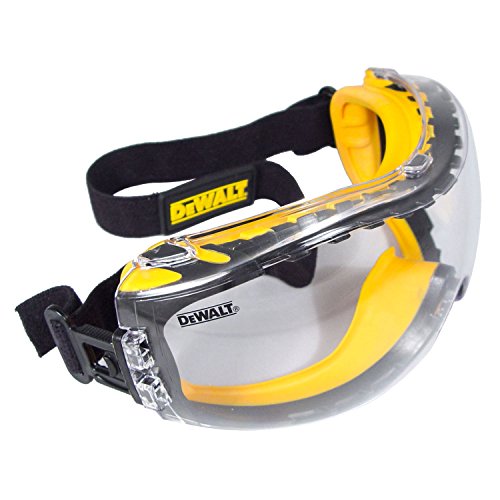
DEWALT DPG82-11 Concealer Clear Anti-Fog Dual Mold Safety Goggle, Clear Lens, 1 Pair
- Lens Coating: Hard coated for scratch resistance
- Anti-Fog Coating: Prevents lens fogging
- Comfort Fit: Dual injected rubber conforms to face
As an affiliate, we earn on qualifying purchases.
As an affiliate, we earn on qualifying purchases.
Frequently Asked Questions
Do Makers Face Legal Consequences for Ignoring Safety Gear?
Yes, makers can face legal consequences if they ignore safety gear, especially if it results in injuries or violations. Your risk perception and safety culture influence how seriously safety rules are followed. When safety isn’t prioritized, you risk legal penalties, fines, or lawsuits. Ignoring protective gear undermines safety standards, making it essential for you to promote a safety-first mindset to avoid legal and personal repercussions.
How Do Makers Justify Risking Their Safety Publicly?
You might think makers ignore safety gear recklessly, but they justify it through an innovation mindset that values progress over perceived risks. They often downplay risk perception, believing that their skills and experience outweigh potential dangers. By focusing on pushing boundaries and creating new solutions, they convince themselves that sacrificing some safety measures is necessary for breakthrough results, even if it seems risky to others.
Are There Specific Environments Where Gear Is More Ignored?
You find that makers often ignore protective gear in environments with less obvious environmental hazards or where safety culture isn’t strongly emphasized. In spaces like casual workshops or informal settings, the perceived risks seem lower, leading to complacency. Additionally, if safety isn’t prioritized or modeled by leadership, you might underestimate the importance of protective gear, making it easier to dismiss safety protocols altogether.
What Psychological Factors Influence Makers to Skip Protective Equipment?
You might skip protective gear because your risk perception is low, especially if you’ve had past experiences where safety seemed unnecessary. A weak safety culture in your environment can also influence you, making safety measures feel optional rather than essential. When safety isn’t prioritized or reinforced, you may subconsciously believe the risks are minimal, leading to complacency and neglecting protective equipment, even in situations where it’s truly needed.
How Does Peer Pressure Impact Safety Gear Decisions Among Makers?
Peer influence acts like a magnet, pulling you toward or away from safety gear decisions. When your friends or colleagues downplay risks, your perception of danger shrinks, making protective equipment seem unnecessary. This social pressure can make you prioritize fitting in over safety, even if you know better. Ultimately, peer pressure directly impacts your risk perception, nudging you to ignore safety precautions in favor of group acceptance.

Danger Do Not Touch Aluminum Warning Sign 12×8 Inches
- Material: Aluminum for durability and lightweight
- Size: 12×8 inches for clear visibility
- Design: High-contrast red, black, and white layout
As an affiliate, we earn on qualifying purchases.
As an affiliate, we earn on qualifying purchases.
Conclusion
So, next time you see workers skipping their protective gear, ask yourself—are they truly reckless, or is there something deeper driving their choices? Could it be a mix of complacency, peer pressure, or simply underestimating the risks? Remember, understanding why makers ignore safety gear isn’t just about pointing fingers; it’s about addressing those root causes to keep everyone safer. Wouldn’t it be better if we all looked out for each other?

Baval Hard Case for Brother P-Touch PT-N10 Personal Handheld Label Printer
- Custom Fit for PT-N10: Designed specifically for Brother PT-N10
- Durable Material Construction: Made of EVA and nylon for protection
- Waterproof and Wear-Resistant: Provides moisture resistance and durability
As an affiliate, we earn on qualifying purchases.
As an affiliate, we earn on qualifying purchases.
DEWALT DPG82-11 Concealer Clear Anti-Fog Dual Mold Safety Goggle, Clear Lens, 1 Pair
- Lens Coating: Hard coated for scratch resistance
- Anti-Fog Coating: Prevents lens fogging
- Comfort Fit: Dual injected rubber conforms to face
As an affiliate, we earn on qualifying purchases.
As an affiliate, we earn on qualifying purchases.