To improve ventilation without renovation, start by enhancing existing systems—clean filters, unblock vents, and guarantee fans or HVAC units work well. Use portable fans and air purifiers strategically near doorways and vents to circulate air effectively. Open windows on opposite sides to create cross-ventilation and keep doors slightly ajar to promote airflow. Incorporate natural methods like window fans and plants, and monitor air quality to maintain an ideal environment. Keep exploring for even more tips.

Get business pricing on tools and workshop supplies
- Business-only prices and quantity discounts
- Tax-exempt purchasing
- Multiple users, one account, clear invoices
Key Takeaways
- Use portable fans and air purifiers to improve air circulation without structural changes.
- Maximize natural ventilation by opening windows on opposite sides for cross-ventilation.
- Keep existing vents and filters clean, and unblock blocked vents for better airflow.
- Position fans strategically near doorways or vents to enhance airflow distribution.
- Keep doors slightly open and utilize window fans to increase fresh air exchange.
Are you looking to improve the airflow in your home or workspace? If so, focusing on airflow optimization is essential, especially when you can’t make structural changes like renovating the room. Improving ventilation systems can significantly enhance air quality, reduce moisture buildup, and make the space more comfortable. The good news is that even without major renovations, you can implement practical strategies to boost ventilation and airflow.
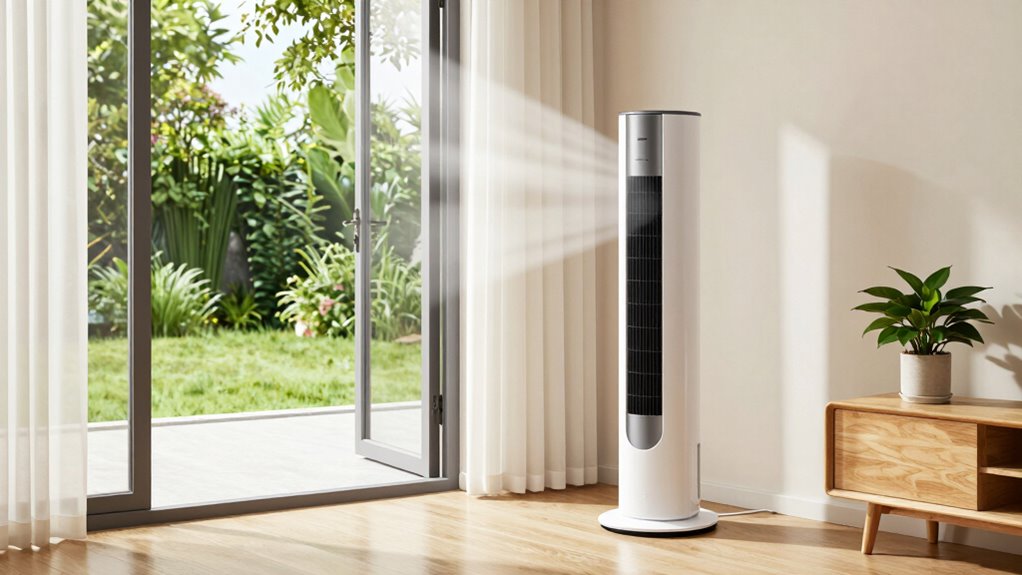
Start by assessing your current ventilation setup. Understand where the stale air tends to accumulate and identify potential sources of poor airflow. Often, rooms with limited windows or blocked vents suffer from stale air, which can lead to stuffiness and health issues. To improve airflow, you might consider adding portable fans or air purifiers equipped with fans to help circulate air more effectively. Position these devices strategically, such as near doorways or vents, to promote better air movement throughout the room.
Another effective approach involves optimizing your existing ventilation systems. If your room has exhaust fans or HVAC units, ensure they’re functioning correctly and are properly maintained. Clean filters regularly and check that vents are unobstructed. Sometimes, simply opening windows or installing additional vents can facilitate cross-ventilation, encouraging fresh air to flow in and stale air to exit. If the room has a door, keep it slightly open during the day to allow air to circulate freely between adjoining spaces.
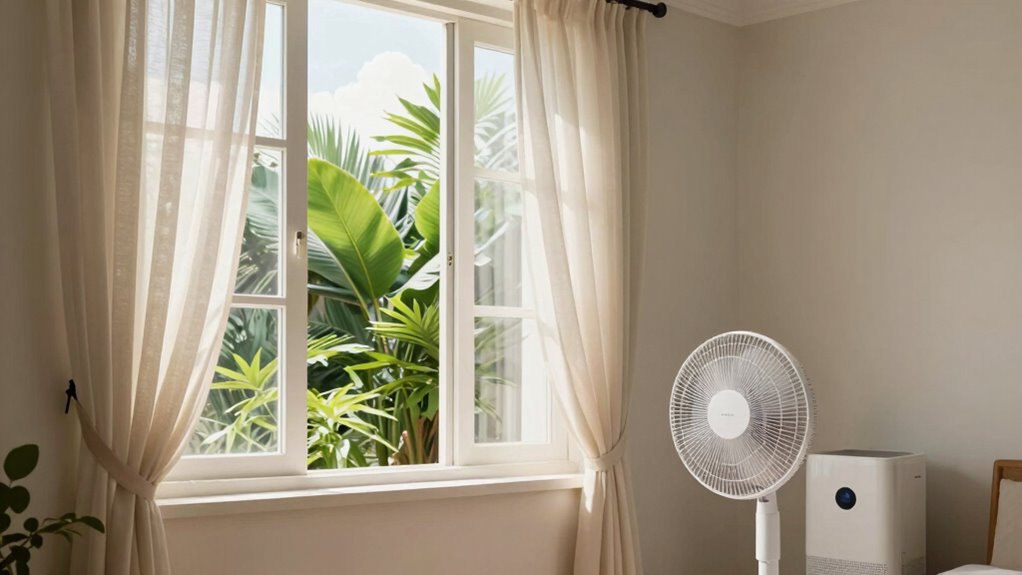
You can also improve airflow by utilizing natural ventilation techniques. For example, opening windows on opposite sides of the room or building creates a breeze that pulls fresh air in and pushes stale air out. If possible, use window fans to enhance this process, especially during times when outdoor air quality is good. Additionally, placing plants near windows can improve indoor air quality, although they don’t directly influence airflow, they contribute to a healthier environment overall. Understanding airflow patterns and how they work can help you make more informed decisions about ventilation.
Finally, consider using air circulators or oscillating fans that can distribute air evenly without creating a draft. These devices can be moved around to target specific areas that feel stuffy or stagnant. By combining these methods—improving existing ventilation systems, increasing natural airflow, and strategically placing fans—you can achieve better airflow and a healthier environment. Being aware of ventilation effectiveness can guide you in making further improvements over time. Additionally, understanding airflow dynamics can help you optimize your setup for continuous fresh air circulation. Regularly evaluating air exchange rates can also help maintain optimal indoor air quality.
As an affiliate, we earn on qualifying purchases.
Frequently Asked Questions
Can Portable Air Purifiers Improve Ventilation Effectively?
Yes, portable air purifiers can improve air quality, but they have limitations. They effectively filter out pollutants and allergens, creating a healthier environment. However, they don’t substitute proper ventilation and may struggle with large or poorly ventilated spaces. Budget-friendly options exist, but their effectiveness varies. To maximize benefits, choose a model with a HEPA filter and ensure it’s appropriately sized for your room.
How Do I Measure My Room’s Current Air Quality?
Did you know indoor air can be up to five times more polluted than outside air? To measure your room’s air quality, start by checking indoor humidity levels with a hygrometer—ideal is 30-50%. Use an air quality monitor to assess pollutants and CO2 levels, which indicate air exchange efficiency. Regularly tracking these metrics helps you understand if your space’s ventilation needs improvement.
Are There Any DIY Ventilation Solutions?
Yes, you can improve ventilation with DIY solutions. Start by enhancing natural airflow through strategic placement of fans near windows or vents, creating a cross-breeze. You can also build a simple DIY exhaust using a small fan connected to a flexible duct, directing stale air outside. These methods boost air circulation without renovations, helping fresh air replace the old, improving your room’s air quality effectively.
What Are the Costs Associated With Improving Ventilation?
Improving your indoor air might cost a bit, but hey, who doesn’t love paying for fresh air, right? Ventilation costs vary, from simple DIY fans at under $50 to high-end air purifiers over $300. If you add in maintenance and energy bills, it’s an investment in your health you can’t put a price on. Expect to spend somewhere between modest and hefty, depending on how much fresh air you crave.
How Often Should I Maintain Ventilation Devices?
You should maintain ventilation devices regularly, ideally every 3 to 6 months, to guarantee ideal airflow efficiency and humidity control. Check filters, clean vents, and inspect for blockages or wear. Consistent maintenance keeps your system running efficiently, prevents mold and odors, and ensures fresh air circulation. By staying on top of maintenance, you’ll improve indoor air quality and keep your room comfortable year-round.
window fan for cross ventilation
As an affiliate, we earn on qualifying purchases.
As an affiliate, we earn on qualifying purchases.
Conclusion
Improving ventilation doesn’t require a full renovation—small changes can make a big difference. By adding exhaust fans, opening windows strategically, or using portable air purifiers, you can boost air quality today. Did you know that poor indoor air quality can increase respiratory issues by up to 30%? Taking these simple steps helps you breathe easier and creates a healthier space without costly renovations. Start implementing these tips now and enjoy fresher, cleaner air in your room.
As an affiliate, we earn on qualifying purchases.
As an affiliate, we earn on qualifying purchases.
Fall yard work Picks
leaf blowers
As an affiliate, we earn on qualifying purchases.