
TL;DR

Get business pricing on tools and workshop supplies
- Business-only prices and quantity discounts
- Tax-exempt purchasing
- Multiple users, one account, clear invoices
An Ideal Home report outlines five ways to reuse autumn garden clippings: make leaf mould, chop and drop suitable material on borders, create wildlife habitat, add suitable waste to compost, or use clippings as mulch. Experts caution against composting diseased material, perennial weeds or plants that have gone to seed, and warn that thick, wet grass clippings can harm plant crowns.
An Ideal Home report has outlined five ways gardeners can reuse autumn pruning clippings, including making leaf mould, feeding borders, supporting wildlife, composting suitable material and mulching. The advice offers alternatives to disposal, while experts warn that some material—such as diseased plants and thick layers of wet grass—should be handled differently.
For leaf mould, horticultural expert Richard Barker recommends collecting leaves from deciduous plants, putting them in a black bag with air and drainage holes, loosely tying the top and leaving them to decompose. He says the process takes about a year; finished leaf mould should be dark, soft and crumbly. It can be used as mulch or mixed with compost when planting.
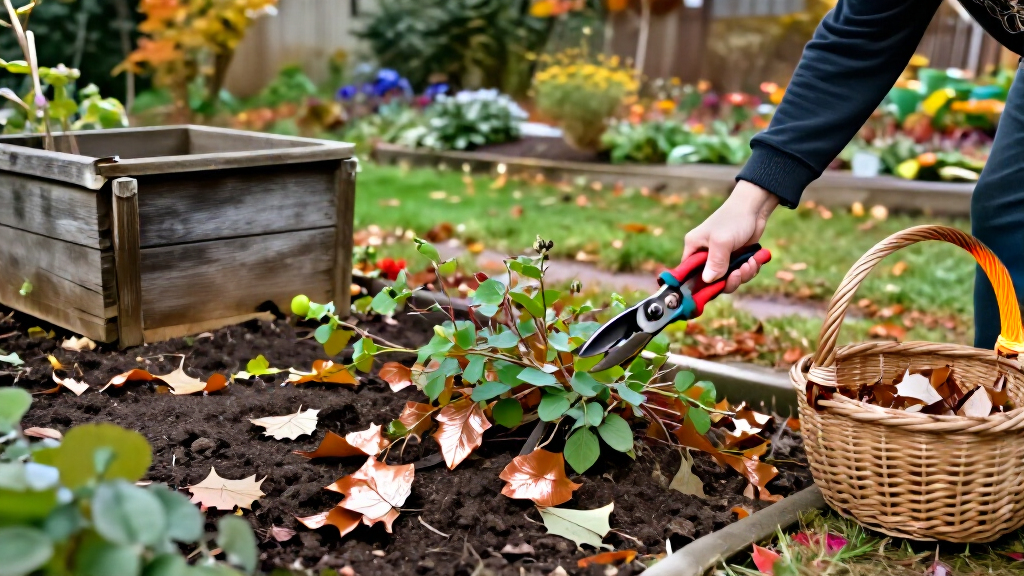
Gardening expert Melissa Quinney recommends chop and drop for suitable herbaceous borders: cut spent stems and foliage into smaller pieces and leave them on the soil surface. Quinney says they break down over winter, adding organic matter and providing habitat for beneficial insects. Barker also says piles of clippings and hollow trimmed stems can give insects places to overwinter.
Suitable soft stems, spent flowers and grass cuttings can go into a compost heap, Quinney says. She advises leaving out perennial weeds, diseased material and plants that have gone to seed. Clippings can also form a thin mulch layer around plants. Barker cautions against piling fresh, wet grass over plant crowns, where it may turn slimy, restrict air and contribute to stem rot.
How Clippings Can Support Garden Soil
Reusing suitable garden material can return organic matter to borders and reduce the amount gardeners need to carry away or discard. The approaches described by the experts serve different purposes: leaf mould and compost can be used later as soil amendments, while chop and drop leaves material in place to break down over winter. Clippings left in appropriate piles or hollow stems may also offer shelter for insects.
The recommendations are practical rather than a guarantee of particular results. The source does not provide measured evidence comparing these methods or quantify their effects on soil, wildlife or plant health. Its central message is to reuse suitable clippings selectively, matching the material and method to the garden.
As an affiliate, we earn on qualifying purchases.
October Pruning Leaves Material to Reuse
The report begins with plants that may benefit from pruning in October and asks what to do with the resulting leaves, stems and other cuttings. It frames reuse as one option after pruning, rather than treating all clippings as ordinary garden waste.
Its five suggestions draw on comments from Richard Barker, a horticultural expert and commercial director of LBS Horticulture, and Melissa Quinney, a gardening expert at Cabin Master. The source does not identify a particular region or specify that every method suits all plant types, soils or local conditions.
““You can use fallen or clipped leaves in your garden to make leaf mould.””
— Richard Barker, horticultural expert and commercial director of LBS Horticulture
garden compost bin for autumn clippings
As an affiliate, we earn on qualifying purchases.
As an affiliate, we earn on qualifying purchases.
Which Clippings Need Special Handling
The report does not provide a plant-by-plant guide to what can be left on borders, used for mulch or added to a compost heap. It advises excluding perennial weeds, diseased material and plants that have gone to seed from compost, but does not give disposal instructions for those materials.
It also does not quantify how quickly chop-and-drop material breaks down in different conditions, or how much shelter wildlife piles provide. Gardeners should distinguish between the listed methods and assess their own clippings; the source’s specific grass warning applies to fresh, wet clippings packed thickly over plant crowns.
wildlife habitat garden accessories
As an affiliate, we earn on qualifying purchases.
As an affiliate, we earn on qualifying purchases.
Using the Material Through Winter
The suggested next steps depend on the material: bagged leaves can be left to break down for about a year; suitable border cuttings can remain on the soil through winter; and appropriate organic waste can be added to a compost heap. Quinney says turning compost occasionally and keeping it moist can help it break down, with homemade compost intended for use the following spring.
The source sets out no further announcement or follow-up. Its practical advice is to sort clippings by type, avoid composting the materials flagged by Quinney and keep wet grass away from plant crowns in thick layers.
As an affiliate, we earn on qualifying purchases.
Key Questions
What are five ways to reuse garden clippings in autumn?
The report suggests making leaf mould, chopping suitable cuttings onto borders, leaving selected material as wildlife habitat, composting suitable clippings and using clippings as mulch.
How long does leaf mould take to make?
Richard Barker says to leave bagged leaves to rot for about a year. He describes finished leaf mould as dark, soft and crumbly.
Which garden clippings should not go in the compost?
Melissa Quinney advises against adding perennial weeds, diseased material or anything that has gone to seed, because these can cause problems later.
Can grass clippings be used as mulch?
The report says clippings can be used in a thin layer, but Barker warns not to pack fresh, wet grass thickly over plant crowns. A dense, wet layer can turn slimy, block air and contribute to stem rot.
Source: rss
Columbus Day / Indigenous Peoples' Day Picks
long weekend sales
As an affiliate, we earn on qualifying purchases.