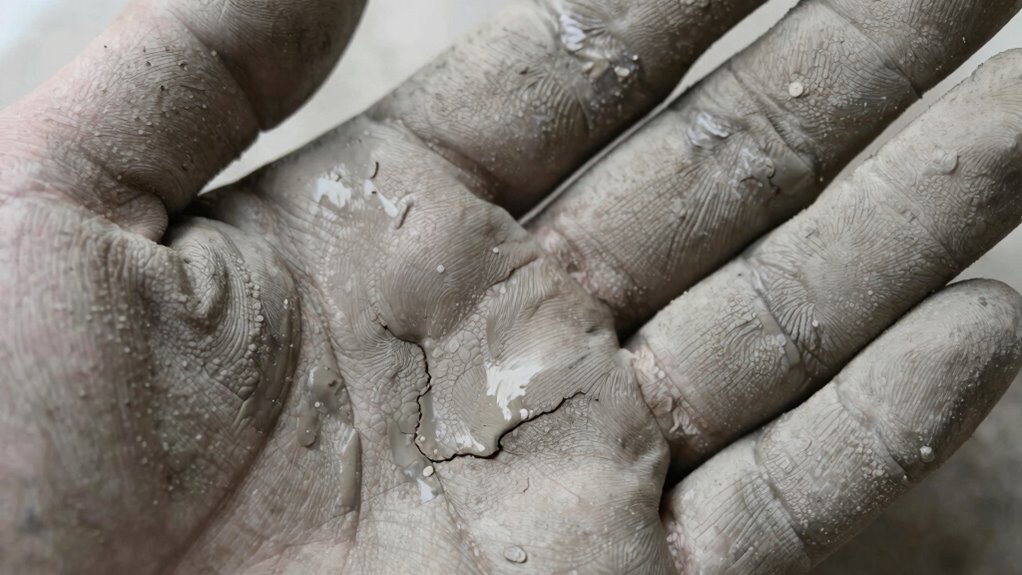

Clay feels short and hard to shape mainly because of low moisture, which makes it stiff and resistant. Inadequate fiber content can also cause brittleness, leading to crumbling or breaking. Improper storage that allows uneven drying results in a resistant, uneven texture. You can fix this by adjusting the moisture level, adding more fibers, or storing the clay properly. Keep exploring to learn more tips on transforming hard clay into a workable material.
Key Takeaways
- Low fiber content reduces flexibility, making clay feel brittle and prone to cracking.
- Insufficient moisture causes the clay to dry out, resulting in stiffness and difficulty shaping.
- Improper storage leads to uneven drying, creating resistant and short textures.
- Uneven fiber or moisture distribution causes inconsistent texture and brittleness.
- Excessive drying or inadequate rehydration makes clay feel hard and less workable.
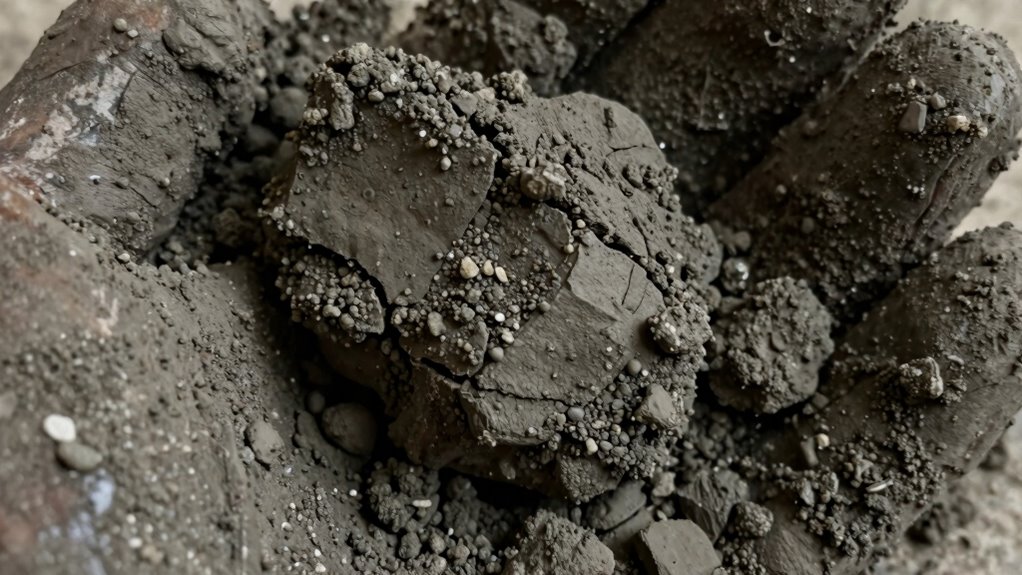
Working with clay that’s short and hard to shape can be frustrating, especially if you’re used to more pliable materials. When clay feels stiff and resistant, it often results from its fiber content and moisture level. Fiber content refers to the natural or added fibers within the clay, which influence its structure and workability. Clays with higher fiber content tend to be more cohesive and less prone to cracking, but if the fibers are sparse or the fibers are short, the material can feel brittle and break easily. Conversely, low fiber content can lead to a clay that feels more rigid and less flexible, making shaping difficult. The fiber network acts like tiny scaffolding within the clay, providing strength but also affecting how pliable it feels when manipulated. Proper storage methods can help maintain the ideal moisture level and prevent the clay from drying out prematurely. Recognizing the importance of fiber distribution can assist in troubleshooting inconsistent textures in your clay. The moisture level plays a vital role in determining whether your clay is soft or short. When the moisture content is too low, the clay becomes dry and stiff, which makes it hard to knead and shape. Dry clay lacks the necessary plasticity, causing it to crumble or resist your efforts. On the other hand, if the moisture level is too high, the clay can become overly sticky and difficult to control, but it generally remains more pliable. The right balance of moisture keeps the clay workable, allowing you to mold details smoothly. Uneven drying or improper mixing can also cause texture inconsistencies, making some areas more resistant than others. When moisture evaporates or is unevenly distributed, the clay’s consistency changes, often resulting in a shorter, more brittle texture. Moisture balance is essential for achieving optimal workability. Recognizing these factors helps you troubleshoot why your clay feels so resistant. Adjusting the moisture level and considering the fiber content can turn a frustrating, short clay into a more workable material, making your sculpting experience more enjoyable and successful.
As an affiliate, we earn on qualifying purchases.
Frequently Asked Questions
Can Adding Water Improve the Clay’s Workability?
Yes, adding water can improve the clay’s workability. When you introduce water, it boosts water absorption, making the clay more pliable and easier to shape. Be careful not to add too much at once, as excess water can cause the clay to become too soft or sticky. Gradually mix in small amounts to enhance pliability, ensuring your clay remains workable without losing its structure.
Does the Type of Clay Affect Its “Short” Texture?
The type of clay considerably impacts its “short” texture, as clay composition varies, influencing how it feels and behaves. For example, earthenware often feels softer and more pliable, while stoneware may feel denser and harder to shape. Texture variation results from differences in mineral content and processing methods. So, selecting the right clay type for your project depends on understanding these material properties, which directly affect workability and the final outcome.
How Does Storage Impact Clay’s Softness Over Time?
Proper storage greatly influences clay’s softness over time. If you preserve it well, it maintains moisture retention, preventing it from drying out and becoming hard or short. Keep your clay airtight in a sealed container or wrap it tightly to avoid exposure to air. This way, you guarantee clay remains pliable and easy to shape, avoiding the frustrating stiffness that comes with poor preservation and moisture loss over time.
Are There Specific Brands Known for Less “Short” Clay?
Some brands are known for better clay consistency, making their clay less “short” and easier to shape. For example, brands like Amaco, Sculpey, and Primo often produce clay with a more pliable, smooth texture, reducing the chances of it feeling hard or crumbly. When doing a brand comparison, look for reviews emphasizing softer, more workable clay. Choosing the right brand helps guarantee your projects stay flexible and easy to work with.
Can Environmental Factors Change Clay’s Texture?
Environmental moisture can certainly influence clay’s texture, making it feel softer or harder. Changes in humidity and temperature affect clay composition, especially its water content, which in turn impacts how easily it shapes. When moisture levels fluctuate, clay can become overly dry or too damp, altering its feel and workability. You should always keep clay stored properly and monitor environmental conditions to maintain consistent texture and prevent it from feeling “short” or difficult to work with.
fiber reinforcement for modeling clay
As an affiliate, we earn on qualifying purchases.
As an affiliate, we earn on qualifying purchases.
Conclusion
So, when clay feels short and stubborn, it’s like trying to mold a stubborn mule—resistant and tight. But don’t give up! With a little patience, warmth, and coaxing, you can soften its hard exterior and turn it into something beautiful. Think of your hands as gentle guides, whispering life into the clay’s quiet, resistant heart. Before long, that once unyielding mass will dance beneath your touch, ready to become your masterpiece.
As an affiliate, we earn on qualifying purchases.
As an affiliate, we earn on qualifying purchases.
![How Blackwing Pencils Are Made [Video]](https://worldfinecrafts.com/wp-content/uploads/2026/08/how-blackwing-pencils-are-made-video-featured-560x300.jpg)