You might find your wood crafts feel heavy and clumsy because dense, uneven grains can increase weight and make them harder to handle. Poor weight distribution or improper grain orientation further tips the balance, making objects feel awkward. Excessive finishing like thick paint adds unnecessary mass, and large solid sections also contribute to heaviness. Adjusting grain alignment, choosing lighter woods, and refining finishing techniques can help, and you’ll discover more ways to improve if you keep exploring.

Get business pricing on tools and workshop supplies
- Business-only prices and quantity discounts
- Tax-exempt purchasing
- Multiple users, one account, clear invoices
Key Takeaways
- Dense or uneven grain arrangements increase weight and reduce balance in wood crafts.
- Poor weight distribution and unreinforced heavy areas cause instability and clumsiness.
- Large solid sections and improper grain orientation add unnecessary bulk and heaviness.
- Thick finishes or excessive varnish contribute extra weight, making crafts feel cumbersome.
- Using heavy wood types without balancing lighter materials affects overall craft manageability.
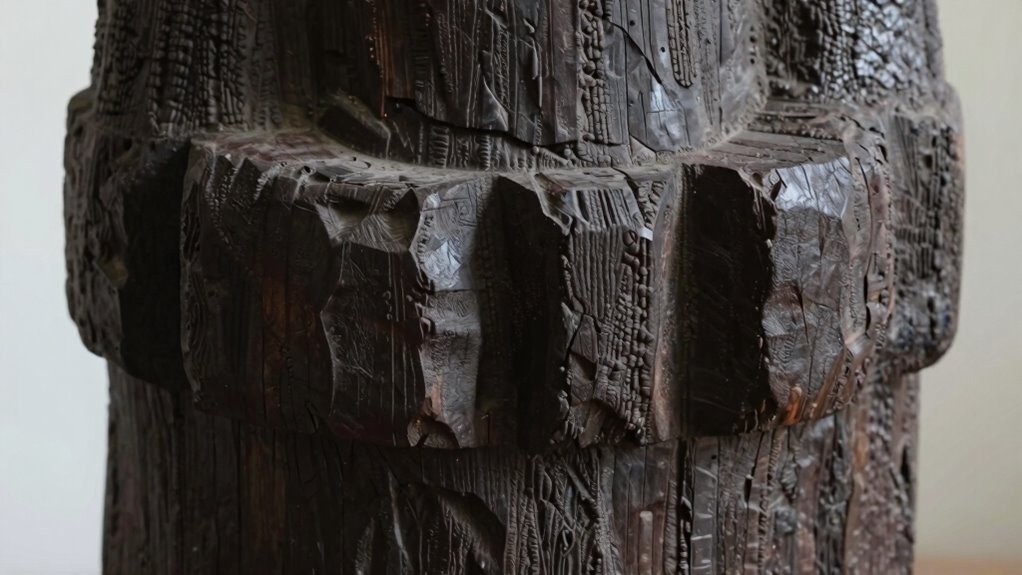
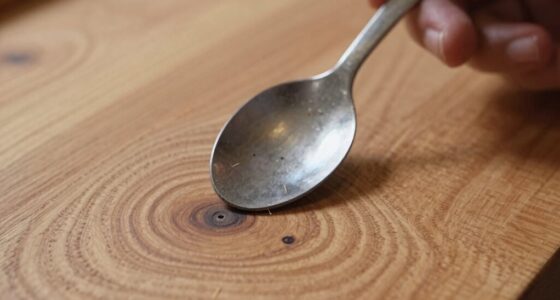
Many wood crafts feel heavy and clumsy because of the choices made during design and construction. One of the main factors influencing this sensation is grain density. When the wood’s grain is tightly packed or unevenly arranged, it can add unnecessary weight and compromise the craft’s balance. Heavier grains are denser, which means the piece will naturally feel more substantial and harder to lift or maneuver. If you select wood with a high grain density without considering its impact on weight, your project can become cumbersome rather than elegant.
High grain density can make wood crafts feel heavy and unbalanced if not carefully considered.
Another key aspect is weight distribution. If the craft is designed without considering how weight is spread across its structure, it can feel awkward and unsteady. For example, placing heavy elements unevenly or not reinforcing critical points can cause the entire piece to feel lopsided or overly heavy on one side. Proper weight distribution ensures that the craft feels balanced and easier to handle. When working with different types of wood, you need to think about how the natural weight of each material affects the overall balance. Using lighter woods on the top or less critical areas and denser, sturdier woods where extra support is needed helps create a more comfortable, well-balanced piece.
The way you cut and assemble the wood also plays a role in how heavy and clumsy your craft feels. Large, solid sections can add weight, especially if the grain density is high. Instead, breaking the project into smaller, well-joined parts can help reduce overall weight while maintaining strength. Proper grain orientation during cutting can also influence weight distribution. If the grain runs parallel to the longest edge of a component, it tends to be stronger and lighter, reducing the bulkiness and giving the craft a more refined appearance. Additionally, grain orientation can be optimized during the design process to improve both strength and weight management. Paying attention to wood selection and its properties can further help in making lightweight yet durable crafts.
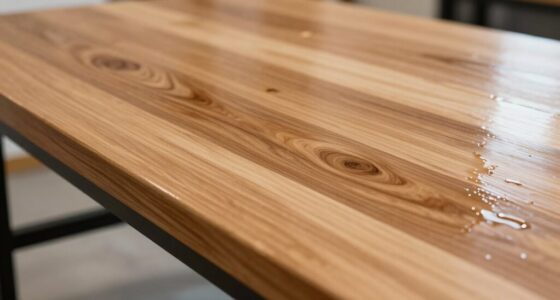
Finally, finishing techniques can impact perceived weight. A thick coat of paint or varnish adds extra mass, making the piece feel heavier. You might consider using thinner finishes or natural oils that preserve the wood’s lightness and grain pattern without adding unnecessary weight. Paying attention to the grain density of the wood and how it influences weight can help you select materials that keep your project lightweight. Also, understanding wood properties, such as moisture content and density, can be essential for achieving the right balance. Moreover, considering how different finishes add additional weight can help you maintain a lighter overall piece. By paying close attention to grain density, expertly managing weight distribution, and choosing appropriate finishing methods, you can craft pieces that feel lighter, more balanced, and less clumsy. The goal is to design with both form and function in mind, ensuring your wood crafts are as elegant and manageable as they are sturdy.
lightweight hardwood for woodworking
As an affiliate, we earn on qualifying purchases.
As an affiliate, we earn on qualifying purchases.
Frequently Asked Questions
How Does Wood Type Affect Craft Weight?
Wood type considerably affects craft weight because of grain density and overall wood density. Denser woods like oak or maple have tightly packed grains, making your project heavier and sturdier. Softer woods like pine or cedar are lighter due to lower grain density, resulting in less weight. Choosing the right wood based on its density helps you control your craft’s weight, ensuring it feels balanced and appropriate for your project’s purpose.
Can Finishing Techniques Reduce the Heaviness of Wood Crafts?
Finishing techniques can definitely help reduce the weight of your wood crafts, making them lighter and more manageable. Think of it as shedding excess baggage; sanding, sealing, or applying lightweight finishes can remove unnecessary bulk and add a sleek feel. By carefully choosing finishing techniques, you enhance your craft’s appearance while also achieving weight reduction, allowing your project to feel less clumsy and more refined in your hands.
Does Moisture Content Influence the Weight of Wooden Items?
Moisture content greatly influences the weight of wooden items. When wood has high moisture variability, it can become heavier and less stable, making crafts feel clumsier. Grain density also affects weight; denser grains add more heft. You’ll notice that properly drying and controlling moisture levels reduces weight and enhances stability, making your wood crafts feel lighter and more refined. Managing both factors ensures better craftsmanship and overall quality.
Are There Specific Tools That Make Woodworking Lighter?
You’ll find lightweight tools, especially those with ergonomic design, make woodworking easier and less tiring. Studies show ergonomic tools reduce fatigue by up to 30%, boosting precision and comfort. Using lightweight tools helps you work longer without strain, and ergonomic grips improve control. This combo makes your projects feel lighter and more manageable, allowing you to focus on craftsmanship rather than weight, ultimately making your woodworking experience more enjoyable.
How Does Age or Wear Impact the Weight of Wooden Crafts?
As wood ages or wears, its weight can change due to shifts in grain pattern and surface texture. Over time, the grain may become more compact, making the craft feel heavier, especially if the surface texture becomes rougher or accumulates debris or finish buildup. This added density or surface irregularity can make your wooden crafts feel clumsier and heavier, impacting how they’re perceived and handled.
As an affiliate, we earn on qualifying purchases.
Conclusion
So next time your wood craft feels heavier than expected, ask yourself—are you choosing the right type of wood or finishing it properly? Sometimes, the material’s intrinsic weight or poor craftsmanship makes your project feel clumsy and cumbersome. Remember, selecting the right wood and paying attention to details can transform your craft into something both beautiful and manageable. Isn’t it worth putting in that extra effort to make your woodworking experience enjoyable and your creations lighter and more refined?
As an affiliate, we earn on qualifying purchases.
woodworking weight distribution aids
As an affiliate, we earn on qualifying purchases.
As an affiliate, we earn on qualifying purchases.
Fall yard work Picks
leaf blowers
As an affiliate, we earn on qualifying purchases.