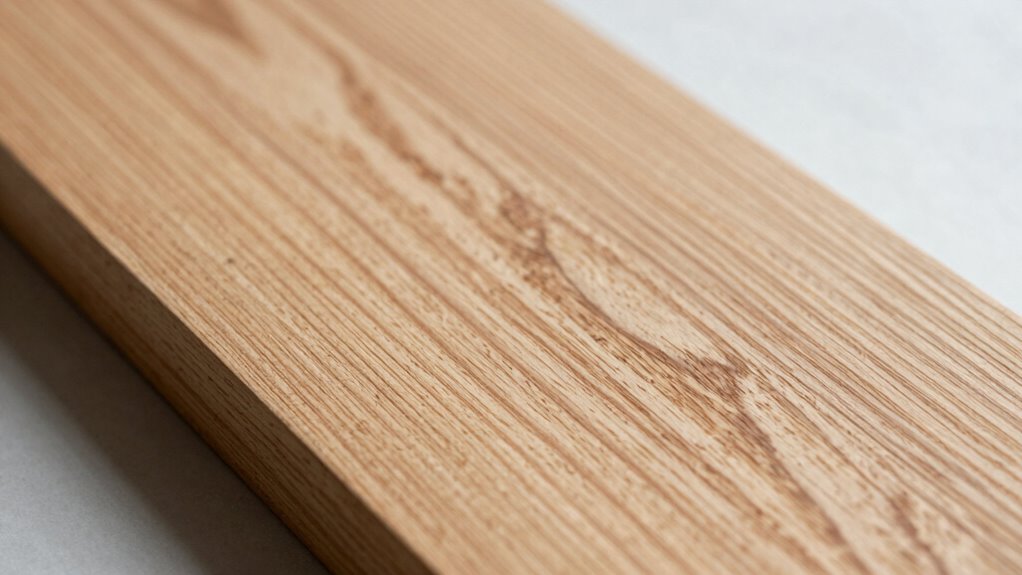

To determine grain direction before cutting, start by observing the surface for lines, streaks, or swirls that indicate the flow. Gently run your hand along the surface to feel the texture change, which shows the grain’s path. Check the end grain for visible growth rings that run horizontally. Properly identifying the grain helps you make cleaner cuts and avoid tear-out. Keep going to discover more tips for working with wood effectively.

Get business pricing on tools and workshop supplies
- Business-only prices and quantity discounts
- Tax-exempt purchasing
- Multiple users, one account, clear invoices
Key Takeaways
- Observe surface lines and streaks to identify grain flow and orientation.
- Gently run your hand along the surface to feel the grain’s direction and texture.
- Examine the end grain for growth rings that indicate grain direction.
- Check if the surface feels smoother or rougher when moving with or against the grain.
- Use visual and tactile cues together to determine the best cutting direction.
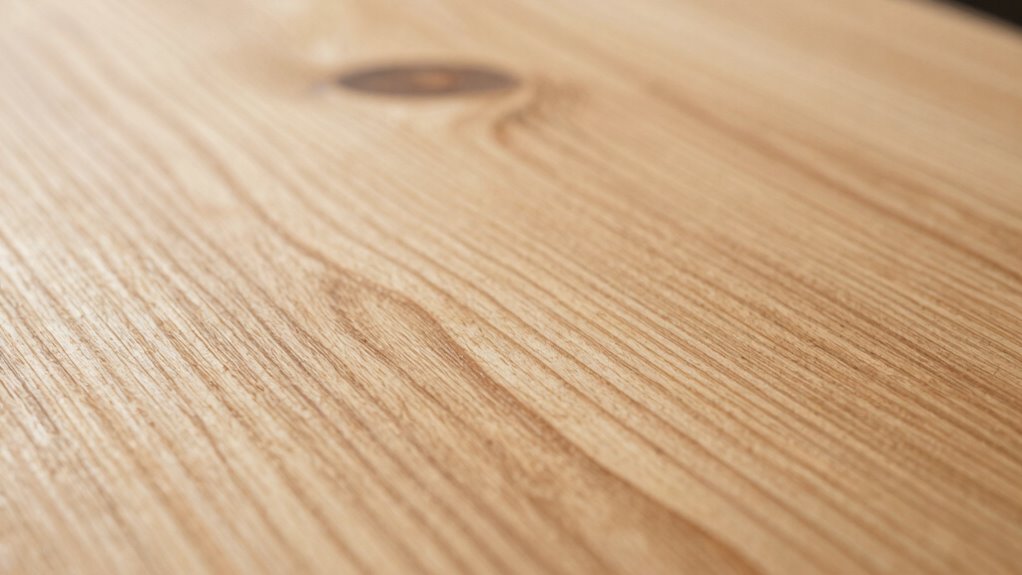
Ever wondered how to determine the grain direction in wood or other materials? Don’t just look at the surface and guess; understanding grain direction is vital for making precise cuts and minimizing issues like wood movement after cutting. When you know the grain’s orientation, you can select the right tools and techniques, guaranteeing your project turns out clean and stable. Grain direction influences how wood responds to humidity and temperature changes, so reading it correctly helps prevent warping or splitting down the line. Additionally, recognizing the grain pattern allows for better planning and more efficient work. To identify the grain direction, start by observing the surface of the wood. Look for the lines or streaks that run across the surface—these are the grain patterns. Often, they appear as parallel lines or swirls, and their orientation indicates the grain’s path. Running your hand gently along the surface also helps; you’ll notice that the grain feels smoother in one direction and slightly rougher in another. This tactile feedback is a good sign of the grain flow, guiding you on which way to cut for the best results. Recognizing the grain flow is also crucial for achieving a professional finish, especially in more delicate or figured woods.
Next, examine the end grain if possible. The cross-section will show the growth rings, which help you determine the grain’s overall direction. The rings tend to run horizontally, but their angles can vary, especially in figured or irregular wood. By aligning your cuts parallel to the grain, you reduce the risk of tear-out and ensure cleaner edges. Conversely, cutting against the grain can cause rough surfaces and increase the chance of splitting, particularly in softer or more fragile woods. Recognizing the grain is also essential for selecting the correct cutting techniques, ensuring that your work remains neat and professional.
Knowing the grain direction also informs your tool selection. For example, when making rip cuts, use a sharp, fine-tooth saw or a table saw blade set to match the grain orientation. This reduces stress on the tool and minimizes tear-out. When planing or sanding, follow the grain to achieve a smoother finish and avoid scratches or gouges. For carving or detailed work, understanding grain direction helps you choose the appropriate chisel or knife angle, preventing unexpected splits or splits. Developing an intuitive sense of grain direction through practice helps prevent mistakes and enhances the overall quality of your craftsmanship.
In essence, mastering how to read grain direction saves you time, effort, and material. It guarantees your cuts are accurate, your finishes are smooth, and your wood remains stable over time. With practice, identifying the grain becomes second nature, and you’ll instinctively select the right tools and techniques for each project. This knowledge ultimately empowers you to work smarter, producing professional-quality results every time.
Popular right now

Roborock RockNeo Q110H Wire-Free Robot Lawn Mower

Ninja CREAMi 7-in-1 Ice Cream Maker, NC301

iRobot Roomba Max 715 Pet Robot Vacuum with AutoEmpty Dock
As an affiliate, we earn on qualifying purchases.
Frequently Asked Questions
Can Grain Direction Change Within a Single Piece of Wood?
Yes, grain direction can change within a single piece of wood due to natural variations. You’ll notice different grain patterns, which affect the wood’s aesthetics and how it responds to cuts. Recognizing these shifts helps you make precise cuts and enhances your finished project’s appearance. Pay close attention to the grain’s flow, and remember, understanding these changes guarantees your woodworking results are both beautiful and structurally sound.
How Does Grain Direction Affect the Strength of the Wood?
You might notice that grain direction considerably influences the strength of your wood. When you align your cuts with the grain, you enhance grain stability, making your project sturdier. Conversely, cutting against the grain can lead to increased wood movement and potential weaknesses. Recognizing how grain direction affects strength helps you choose the right orientation, ensuring your piece resists warping and maintains its integrity over time.
Is It Necessary to Mark the Grain Before Cutting?
Yes, marking the grain before cutting is essential. It helps you understand the grain alignment, ensuring you choose the right cutting techniques for cleaner, more precise cuts. When you note the grain direction, you reduce tear-out and improve the overall quality of your work. Properly marking the grain allows you to plan your cuts accordingly, making your project easier and resulting in a more professional finish.
How Can I Tell Grain Direction on a Rough-Sawn Board?
To identify the grain direction on a rough-sawn board, look closely at the wood texture and grain pattern. Feel the surface for smoothness—grain runs parallel to the length of the board. Observe the lines in the wood; they typically follow the grain pattern and may appear more prominent or wavy. Checking these clues helps you determine the grain direction, ensuring your cuts are accurate and your project looks professional.
Does Grain Orientation Impact Finishing or Staining?
You bet grain orientation impacts finishing and staining—think of it as nature’s own guide to perfection. When your grain alignment is off, your surface smoothness suffers, causing uneven stain absorption and blotches that ruin the look. Ironically, a simple mistake in reading the grain can turn a sleek, professional finish into a rustic mess. So, pay attention to the grain direction; it’s the secret to a flawless final coat.
Conclusion
Remember, understanding grain direction is key to smooth cuts and quality work. By paying attention to the grain lines and fibers, you’ll avoid splintering and achieve cleaner results. It’s like the saying goes, “Measure twice, cut once”—but with grain, it’s also read twice. Take your time to identify the grain direction before cutting, and you’ll save yourself frustration and improve your craftsmanship. Happy woodworking!