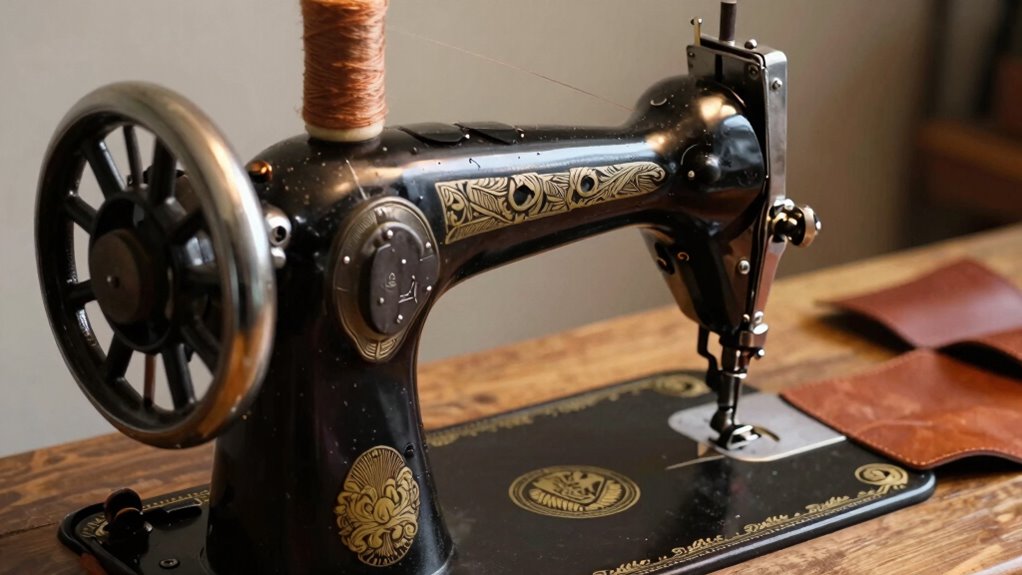

A leather sewing machine is essential for creating durable, professional-looking bags and cases. You’ll want one that handles thick leather, with features like a strong motor, specialized needles, and attachments such as walking feet. Regular maintenance, like cleaning and tension adjustments, guarantees smooth stitching and long machine life. Using the right techniques and tools results in even stitches and secure seams. Keep exploring to discover how to get the best results from your machine and craft high-quality projects.

Get business pricing on tools and workshop supplies
- Business-only prices and quantity discounts
- Tax-exempt purchasing
- Multiple users, one account, clear invoices
Key Takeaways
- Choose a heavy-duty sewing machine with powerful motor and specialized leather needles for durable bag and case stitching.
- Use appropriate attachments like walking foot or Teflon foot to ensure even feeding of thick leather materials.
- Regularly maintain the machine by cleaning, oiling, and checking tension to ensure consistent, high-quality stitches.
- Adjust stitch length (around 3-4 mm) and test on scrap leather for secure, professional seams.
- Proper tension control and slow sewing techniques prevent puckering, skipped stitches, and material damage.
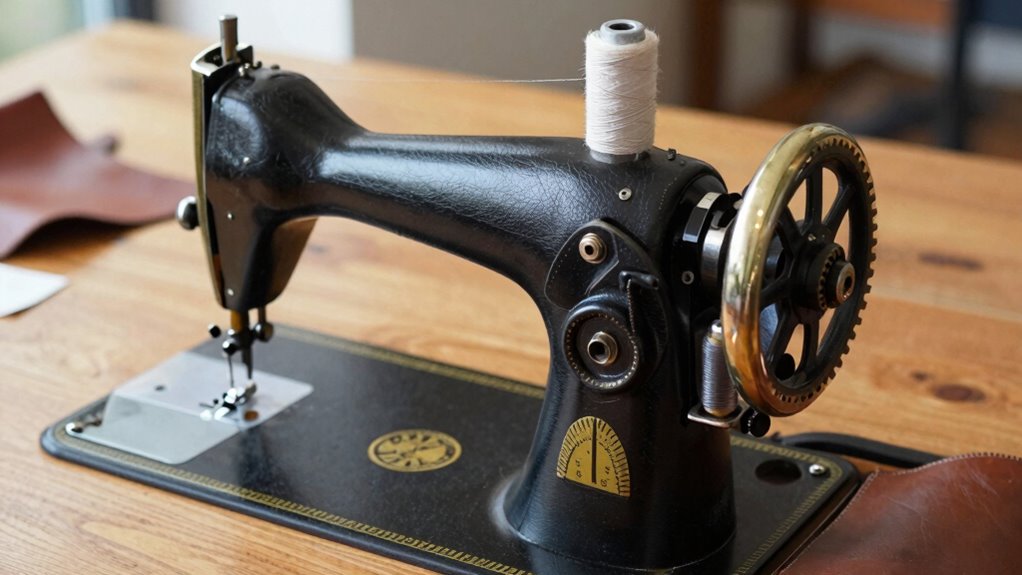
To get the most out of your leather sewing machine, you need to stay on top of machine maintenance. Regular cleaning is crucial because leather dust and thread lint can accumulate and cause issues. Make sure to wipe down the machine after each use and oil the moving parts as recommended by the manufacturer. Proper maintenance prevents breakdowns, extends the machine’s lifespan, and guarantees consistent stitch quality. Also, check your needle and replace it if it becomes dull or bent, as a sharp needle makes sewing smoother and reduces the risk of damaging your leather.
Sewing techniques are just as important as the machine itself. When working with leather, you want to keep your stitches even and secure. Use a longer stitch length—around 3 to 4 mm—so that the stitches hold the leather together firmly without puckering or tearing. Also, consider using a leather needle, which is specially designed to pierce the tough material without causing damage. When sewing, go slowly and use plenty of hand wheel control to avoid forcing the needle through thick sections. If your machine has a walking foot or Teflon foot, use these attachments to help feed the leather evenly and prevent slipping or bunching. Additionally, understanding your machine’s maintenance requirements can help you keep it running smoothly for all your leather projects. Regularly checking and adjusting thread tension is equally essential to ensure high-quality stitches and prevent issues during sewing.
Another technique to master is maintaining proper tension. Leather can be thick and dense, so tension adjustments might be necessary to prevent skipped stitches or thread breakage. Test on scrap leather first to dial in your settings. When sewing seams, backstitch at the beginning and end to reinforce the stitches, especially since leather bags and cases are subjected to frequent handling. Take your time and don’t rush—precision in sewing techniques translates directly into a professional-looking finished product. Proper tension management, along with routine machine maintenance, ensures your projects turn out flawlessly every time.
heavy-duty leather sewing machine
As an affiliate, we earn on qualifying purchases.
As an affiliate, we earn on qualifying purchases.
Frequently Asked Questions
What’s the Ideal Leather Thickness for Sewing Bags?
You should aim for leather thickness between 3 to 5 ounces for sewing bags, as it offers durability without being too stiff. The leather grain and tanning methods influence flexibility and strength, so consider these factors. Full-grain leather with vegetable tanning tends to be thicker and more robust, ideal for sturdy bags. Adjust your machine settings accordingly to handle the specific leather thickness and guarantee smooth stitching.
How Do I Prevent Leather From Slipping While Sewing?
To prevent leather from slipping while sewing, start by adjusting your thread tension to guarantee even stitching and secure the leather firmly. Use a leather sewing machine with a non-slip foot or add grip-enhancing pads to hold the leather steady. Keep your hands steady and feed the leather slowly, maintaining consistent pressure. Properly tensioned thread and a good grip help achieve clean leather stitching without slipping or puckering.
Can Home Sewing Machines Handle Heavy Leather Projects?
Home sewing machines can handle light to moderate leather projects, but for heavy leather work like tooling or dyeing techniques, you might struggle. They often lack the power and heavy-duty needles needed. To succeed, use a leather sewing machine designed for tougher materials, and make certain you select appropriate needles and thread. This way, you can achieve quality craftsmanship, especially when integrating techniques such as leather tooling and dyeing.
What Are the Best Needle Types for Thick Leather?
For thick leather, you should use heavy-duty needles like a diamond point or a leather-specific needle, which guarantee sharpness and durability. Keep your thread tension balanced to prevent puckering or breakage. Sharp needles cut through dense material smoothly, reducing strain on your machine. Regularly check needle sharpness and replace them when they become dull, as dull needles can damage the leather and compromise stitch quality.
How Do I Maintain and Oil My Leather Sewing Machine?
You should regularly maintain and oil your leather sewing machine to keep it running smoothly, especially because leather tanning can introduce dust and debris. Start by cleaning the machine with a soft cloth, then apply sewing machine oil to the moving parts and sewing machine accessories, avoiding over-oiling. Investigate the theory that proper lubrication reduces wear, ensuring your machine stays durable and efficient for crafting quality leather bags and cases.
As an affiliate, we earn on qualifying purchases.
Conclusion
Choosing the right leather sewing machine can truly elevate your craftsmanship. Did you know that the leather sewing machine market is projected to grow at a CAGR of over 6% through 2028? Investing in the right equipment not only improves your bag and case quality but also boosts your efficiency. Whether you’re a hobbyist or a professional, understanding these machines helps you craft durable, stylish products that stand out. Get sewing and turn your leather projects into masterpieces!
walking foot attachment for sewing machine
As an affiliate, we earn on qualifying purchases.
As an affiliate, we earn on qualifying purchases.
As an affiliate, we earn on qualifying purchases.
Fall yard work Picks
leaf blowers
As an affiliate, we earn on qualifying purchases.