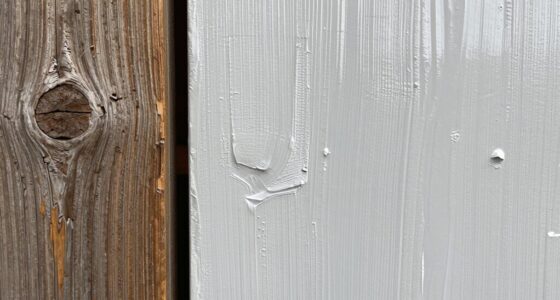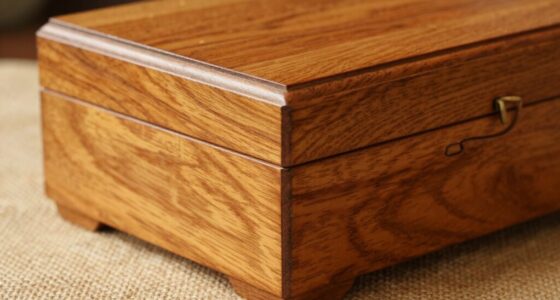
The most common layout mistake in small wood projects is misaligning joints, which can weaken the structure and ruin the appearance. Rushing through measurements or neglecting to double-check alignment often leads to gaps or uneven surfaces. Failing to verify joint placement causes projects to look unprofessional and might compromise durability. Paying close attention to joint positioning and grain flow prevents these issues. Keep going, and you’ll discover more tips to guarantee your project turns out perfect.

Get business pricing on tools and workshop supplies
- Business-only prices and quantity discounts
- Tax-exempt purchasing
- Multiple users, one account, clear invoices
Key Takeaways
- Rushing measurements without double-checking leads to misaligned cuts and poor fit.
- Ignoring grain direction causes splintering and uneven finishes.
- Failing to verify joint alignment results in gaps and structural weakness.
- Overlooking detailed layout planning increases the risk of misplacement and errors.
- Skipping thorough inspection of wood and layout lines causes costly mistakes later.
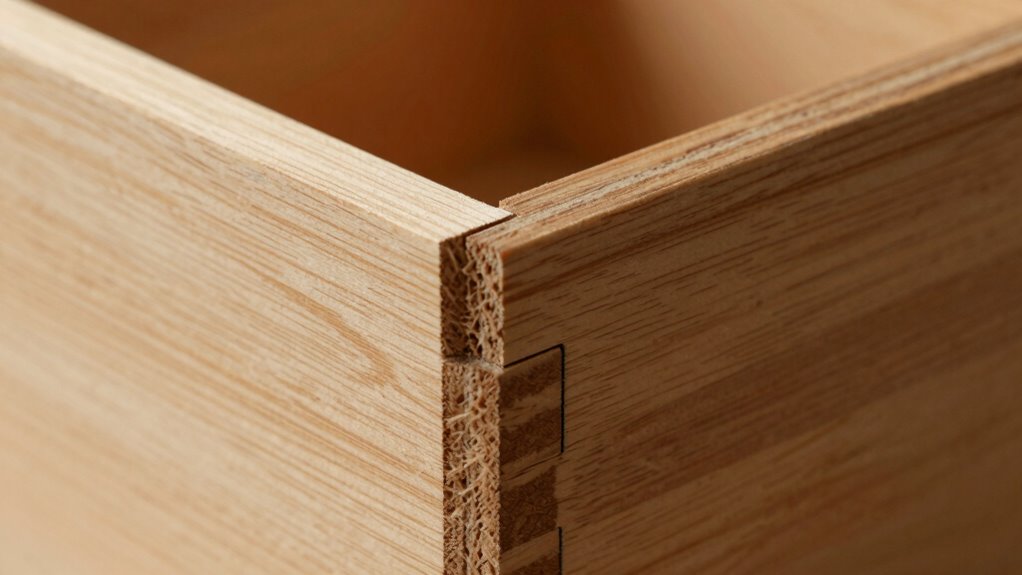
When working on small wood projects, layout mistakes can easily derail your progress and compromise the final product. One of the most common errors beginners make is neglecting to pay close attention to grain direction and joint alignment during the layout process. These details might seem minor, but overlooking them can lead to structural weaknesses, poor aesthetics, or even project failure. Understanding how to properly consider grain direction and align joints correctly is essential for achieving a professional finish and guaranteeing your project stands the test of time. Additionally, paying attention to grain flow patterns during planning can help prevent issues related to wood movement over time.
Grain direction plays a vital role in how the wood responds to cutting, sanding, and finishing. If you ignore the natural grain flow when marking your cuts, you risk creating weak points or uneven surfaces. For example, cutting against the grain can cause splintering, while following the grain ensures cleaner cuts and a smoother finish. When you plan your layout, pay attention to the wood’s grain pattern—mark your cuts so that the grain runs parallel to the edges or surfaces that will be most visible or load-bearing. This not only enhances the aesthetic appeal but also strengthens the structural integrity of your piece.
Pay attention to grain direction for stronger, smoother cuts and a professional finish.
Joint alignment is another essential aspect often overlooked during layout. When assembling multiple pieces, such as in a frame or a box, misaligned joints can cause gaps, uneven surfaces, and compromised strength. Before making cuts, double-check that your pieces will fit together snugly and that the joints will line up perfectly. Use square and marking tools to ensure your cut lines are accurate, and verify that edges will meet flush. If joints are misaligned, you might end up sanding down high spots or filling gaps, which adds unnecessary work and can weaken the overall structure. Properly aligned joints also contribute to the visual harmony of your project, giving it a polished, professional look.
In the planning stage, these mistakes often happen because of rushing or not thoroughly inspecting the wood and your measurements. Take your time to study the grain patterns and visualize how each piece will come together. Use layout lines carefully, and always double-check measurements before cutting. When you pay attention to grain direction and joint alignment from the start, you reduce the risk of costly mistakes that could ruin hours of work. Small projects might seem simple, but attention to these details makes a significant difference in the quality and durability of your finished piece. Ultimately, mastering these layout fundamentals will help you produce small wood projects that look great, fit perfectly, and last for years.
woodworking square and marking tools
As an affiliate, we earn on qualifying purchases.
As an affiliate, we earn on qualifying purchases.
Frequently Asked Questions
How Can I Prevent Measuring Errors in Small Projects?
To prevent measuring errors in small projects, you should use precise measuring techniques like marking with a sharp pencil and double-checking measurements before cutting. Employ layout templates whenever possible to guarantee consistency and accuracy. Always use a reliable ruler or square for straight lines, and measure twice before making any cuts. These habits help you avoid costly mistakes and ensure your project fits together perfectly.
What Tools Are Essential for Accurate Layout Work?
You need essential tools to master layout planning and guarantee precision. Start with a reliable combination square for accurate measuring techniques, marking, and checking angles. A quality tape measure keeps your measurements consistent, while a sharp pencil ensures clear lines. A carpenter’s square or a try square helps verify right angles. Don’t forget a marking gauge for fine details. These tools work together, helping you avoid costly mistakes and create perfect small wood projects.
How Does Wood Type Affect Layout Accuracy?
Your choice of wood type substantially impacts layout accuracy because grain alignment influences how pieces fit together over time. Hardwoods with consistent grain reduce misalignment, while softwoods or woods with irregular grain can shift as they respond to moisture, causing wood movement. To guarantee accuracy, you should consider grain direction during layout, and account for potential movement, especially in projects requiring tight joints or precise measurements.
Can Layout Mistakes Be Fixed After Assembly?
Yes, layout mistakes can often be fixed after assembly with layout correction techniques. You might need to carefully sand or trim edges, fill gaps with wood filler, or make slight adjustments to misaligned parts. To prevent future errors, focus on mistake mitigation by double-checking measurements before cutting and using proper tools. Patience and precision are key, and small corrections can restore the project’s accuracy without starting over.
What Are Common Signs of Layout Errors During Construction?
Ever notice uneven edges or misaligned parts? These are common signs of layout errors during construction. You might see measurements off from your initial layout planning or inconsistencies in measuring techniques, which often lead to these mistakes. To prevent this, double-check your measurements and frequently verify your layout against your plans. Catching these signs early ensures your project stays accurate and looks professional, saving you time and frustration later.
clamp set for woodworking projects
As an affiliate, we earn on qualifying purchases.
As an affiliate, we earn on qualifying purchases.
Conclusion
Avoiding layout mistakes in your small wood projects is like steering a ship through choppy waters—you need a steady hand and clear vision. When you plan carefully and double-check your measurements, you guarantee your creation stands tall and proud, not warped or wobbling. Remember, each careful step is a brushstroke in your masterpiece. Stay vigilant, trust your craftsmanship, and watch your project come to life with the confidence of a captain guiding their vessel home.
As an affiliate, we earn on qualifying purchases.
As an affiliate, we earn on qualifying purchases.
Halloween Picks
halloween
As an affiliate, we earn on qualifying purchases.