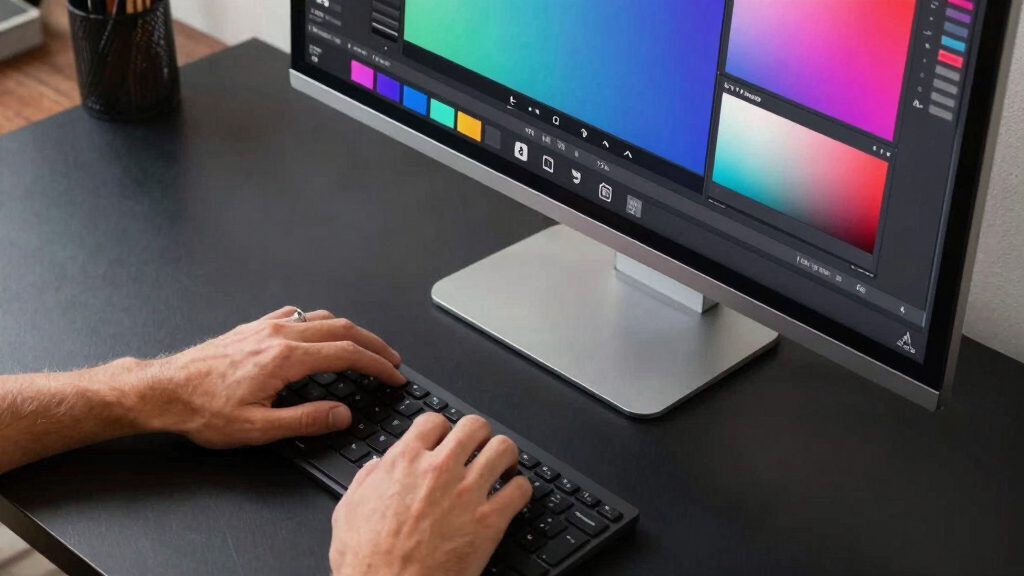
Finding the best monitor for photo editing means balancing color accuracy, resolution, and build quality. The Dell 27 Monitor S2725QC stands out as the overall best, offering sharp 4K visuals and a smooth refresh rate for detailed work. The BenQ SW272Q is a top choice for photographers thanks to its wide color gamut and Nano Matte panel. Meanwhile, the ASUS ProArt series provides excellent calibration options for professionals. While high-end options deliver superb color fidelity, they often come with a higher price tag, and budget models may compromise on color accuracy. Continue reading for a detailed breakdown of these options to find the best fit for your needs.
Listen free for 30 days with Audible
Thousands of audiobooks and originals — cancel anytime.
Start your free trialAs an affiliate, we earn on qualifying purchases.
Complete the kit


Key Takeaways
- Color accuracy and wide gamuts like Adobe RGB and DCI-P3 are essential for professional photo editing.
- Panel technology, especially IPS, greatly influences viewing angles and color consistency across the screen.
- Higher resolution monitors (4K or 2K) provide more detail but may require more powerful hardware and calibration.
- USB-C connectivity and calibration features are valuable tools for streamlining workflow for professionals.
- Budget models can be tempting but often lack the color precision and uniformity needed for serious editing.
| Dell 27 Monitor S2725QC 4K UHD IPS with 120Hz Refresh Rate |  | Best Overall for Versatile Photo Editing and Media | Screen Size: 27 inches | Resolution: 4K UHD | Panel Type: IPS | VIEW LATEST PRICE | See Our Full Breakdown |
| BenQ SW272Q 27-inch 2K USB-C Photographer Monitor, 99% Adobe RGB, DCI-P3, Nano Matte Panel |  | Best for Precise Color Accuracy and Professional Photography | Size: 27 inches | Resolution: 2K QHD | Color Gamut: 99% Adobe RGB, 98% DCI-P3 | VIEW LATEST PRICE | See Our Full Breakdown |
| ASUS ProArt PA278QV 27-Inch 1440p QHD Professional Monitor |  | Best for Budget-Conscious Professionals Requiring Accurate Color | Display Size: 27 inches | Resolution: 2560 x 1440 (QHD) | Color Gamut: 100% sRGB & Rec. 709 | VIEW LATEST PRICE | See Our Full Breakdown |
| ASUS ProArt PA278CV 27-Inch 1440p QHD USB-C Professional Monitor |  | Best for Multi-Device Connectivity and Versatile Workflows | Screen Size: 27 inches | Resolution: 2560 x 1440 (QHD) | Color Gamut: 100% sRGB, 100% Rec. 709 | VIEW LATEST PRICE | See Our Full Breakdown |
| Dell 27 Plus QHD Monitor – S2725DSM |  | Best for Fast-paced Editing and Multimedia Use | Size: 27 inches | Resolution: 2560 x 1440 (QHD) | Refresh Rate: 144Hz | VIEW LATEST PRICE | See Our Full Breakdown |
| ASUS ProArt PA279CRV 27-Inch 4K UHD HDR Professional Monitor for Mac |  | Best Overall for Professional Creatives | Display Size: 27 inches | Resolution: 3840 x 2160 (4K UHD) | Display Technology: LED LCD | VIEW LATEST PRICE | See Our Full Breakdown |
| LG 27US500-W Ultrafine 27-Inch 4K UHD HDR10 IPS Monitor |  | Best for Vivid Visuals and Creative Flexibility | Screen Size: 27 inches | Resolution: 3840×2160 (4K UHD) | Contrast Ratio: 1000:1 | VIEW LATEST PRICE | See Our Full Breakdown |
| monitor for photo editing | Resolution | Connectivity | Color Gamut |
|---|---|---|---|
| Dell 27 Monitor S2725QC 4K UHD | 4K UHD | USB-C (up to 65W) | — |
| BenQ SW272Q 27-inch 2K USB-C P | 2K QHD | — | 99% Adobe RGB, 98% DCI-P3 |
| ASUS ProArt PA278QV 27-Inch 14 | 2560 x 1440 (QHD) | DisplayPort, HDMI, DVI-D, USB hub | 100% sRGB & Rec. 709 |
| ASUS ProArt PA278CV 27-Inch 14 | 2560 x 1440 (QHD) | USB-C, HDMI, DisplayPort | 100% sRGB, 100% Rec. 709 |
| Dell 27 Plus QHD Monitor | 2560 x 1440 (QHD) | HDMI, DisplayPort | — |
| ASUS ProArt PA279CRV 27-Inch 4 | 3840 x 2160 (4K UHD) | USB-C with 96W Power Delivery, DisplayPort, HDMI, USB hub | 99% DCI-P3, 99% Adobe RGB |
| LG 27US500-W Ultrafine 27-Inch | 3840×2160 (4K UHD) | — | 90% DCI-P3 |
More Details on Our Top Picks
Dell 27 Monitor S2725QC 4K UHD IPS with 120Hz Refresh Rate
The Dell S2725QC stands out for its stunning 4K UHD resolution and vibrant color reproduction, making it ideal for detailed photo editing. Its 120Hz refresh rate offers smooth visuals, which is a bonus for video work or multitasking, although it doesn’t deliver professional-level color gamut like some higher-end options. Compared with the BenQ SW272Q, it provides a more versatile all-round experience but sacrifices some color accuracy and calibration options. The inclusion of a USB-C port with 65W power delivery simplifies setups, yet it limits charging power for more demanding peripherals. This monitor is perfect for creatives who want excellent image quality with the convenience of a high refresh rate and simple connectivity. However, it’s less suited for those requiring the absolute best in color precision or extensive calibration features.
Pros:- Vivid 4K visuals with high color accuracy
- Smooth 120Hz refresh rate benefits both editing and entertainment
- Low blue light technology for extended use without eye strain
- Single USB-C connection reduces desk clutter
Cons:- Limited to 65W power delivery via USB-C, insufficient for some high-power devices
- No built-in speakers, requiring external audio solutions
Best for: Photographers and multimedia editors seeking a balanced mix of high resolution, smooth performance, and workspace convenience.
Not ideal for: Highly specialized color grading professionals who need extensive hardware calibration and wider color gamuts beyond sRGB and HDR readiness.
- Screen Size:27 inches
- Resolution:4K UHD
- Panel Type:IPS
- Refresh Rate:120Hz
- Response Time:4ms
- Color Coverage:99% sRGB
- Contrast Ratio:1500:1
- HDR:HDR ready
- Connectivity:USB-C (up to 65W)
Our verdict“A versatile choice for creatives who want sharp visuals, fast refresh rates, and simple connectivity in a single monitor.”
BenQ SW272Q 27-inch 2K USB-C Photographer Monitor, 99% Adobe RGB, DCI-P3, Nano Matte Panel
The BenQ SW272Q excels in delivering accurate, wide-gamut colors with 99% Adobe RGB and 98% DCI-P3 coverage, making it the top pick for professional photographers. Its Nano Matte panel minimizes reflections, a significant advantage over glossy screens like the Dell S2725QC, especially in brightly lit rooms. Hardware calibration support with Palette Master Ultimate ensures consistent color accuracy over time, a feature lacking in the ASUS ProArt PA278CV. While its 27-inch size and premium build are ideal for dedicated editing stations, the high price tag may be prohibitive for casual users or hobbyists. This monitor is best suited for those who prioritize color fidelity and reflection reduction above all else, though it does require ample desk space and a higher budget.
Pros:- Exceptional color accuracy with 99% Adobe RGB and DCI-P3
- Nano Matte anti-reflection panel reduces glare
- Hardware calibration support for consistent color
- High 90W USB-C power delivery reduces cable clutter
Cons:- High price point limits accessibility for casual users
- Large size demands significant desk space
Best for: Professional photographers and color-critical creatives who need the most accurate color reproduction and minimal glare.
Not ideal for: Casual hobbyists or those with limited desk space, as the size and cost may be excessive for infrequent editing needs.
- Size:27 inches
- Resolution:2K QHD
- Color Gamut:99% Adobe RGB, 98% DCI-P3
- Panel Type:Nano Matte
- Calibration:Palette Master Ultimate
- Power Delivery:90W USB-C
Our verdict“This monitor is perfect for professionals who need the utmost accuracy and minimal reflections for photo editing and printing workflows.”
ASUS ProArt PA278QV 27-Inch 1440p QHD Professional Monitor
The ASUS ProArt PA278QV offers excellent color accuracy out of the box, with factory calibration and Delta E < 2, making it a dependable choice for serious photo editing on a budget compared to the BenQ SW272Q. Its 27-inch IPS panel provides decent color reproduction, though it doesn’t match the wider gamuts of higher-end monitors. The extensive ergonomic adjustments and flicker-free, blue light filtering tech support long editing sessions comfortably—an aspect less developed in the Dell S2725QC. While it lacks 4K resolution, its 1440p still provides sharp images suitable for most editing workflows. This monitor is best for those starting professional workflows or upgrading from consumer-grade displays without a hefty investment, but it may fall short for high-end print or video professionals demanding maximum color fidelity.
Pros:- Excellent factory-calibrated color accuracy with Delta E < 2
- Fully adjustable ergonomic stand for comfort
- Flicker-free and blue light filtering for extended use
- Affordable compared to higher-end professional monitors
Cons:- Limited to 1440p resolution, not 4K
- Smaller color gamut compared to premium models like BenQ SW272Q
Best for: Budget-conscious creative professionals or serious hobbyists needing reliable color accuracy without the premium price of 4K options.
Not ideal for: High-end color grading professionals requiring 4K resolution and extensive calibration features.
- Display Size:27 inches
- Resolution:2560 x 1440 (QHD)
- Color Gamut:100% sRGB & Rec. 709
- Calibration:Calman Verified, Delta E < 2
- Connectivity:DisplayPort, HDMI, DVI-D, USB hub
- Warranty:5 years (3+2 extension)
Our verdict“A solid, affordable choice for those needing accurate colors in a 27-inch monitor for photo editing and design work.”
ASUS ProArt PA278CV 27-Inch 1440p QHD USB-C Professional Monitor
The ASUS ProArt PA278CV combines proven color accuracy with flexible connectivity, making it a strong choice for creative professionals managing multiple devices. Its 1440p IPS panel covers 100% sRGB and Rec. 709, with factory calibration and Delta E < 2, similar to the ProArt PA278QV but with added features like DisplayPort daisy-chaining and a USB-C port supporting 65W power delivery. Compared to the Dell S2725QC, it offers better calibration support and more versatile connectivity, although it doesn’t feature 4K resolution. The ergonomic stand and multiple input options make it suitable for complex workflows. However, the resolution might be limiting for those who prefer the sharpness of 4K for detailed editing or printing. It’s best for professionals who need reliable color and flexibility across multiple devices without going for higher-cost 4K models.
Pros:- Excellent factory-calibrated color accuracy with Delta E < 2
- Supports daisy-chaining via DisplayPort
- USB-C with 65W power delivery simplifies connections
- Ergonomic adjustments for comfort
Cons:- Limited to 1440p resolution, not 4K
- Premium price may be high for some users
Best for: Creative professionals requiring seamless multi-device workflows and dependable color accuracy at a mid-range price point.
Not ideal for: Users demanding 4K resolution or those with a limited budget who don’t need daisy-chaining or extensive connectivity.
- Screen Size:27 inches
- Resolution:2560 x 1440 (QHD)
- Color Gamut:100% sRGB, 100% Rec. 709
- Calibration:Delta E < 2
- Connectivity:USB-C, HDMI, DisplayPort
- Power Delivery:65W via USB-C
Our verdict“Ideal for professionals who need versatile connectivity and reliable color accuracy across multiple devices without the 4K premium.”
Dell 27 Plus QHD Monitor – S2725DSM
The Dell S2725DSM provides a 27-inch QHD display with a 144Hz refresh rate and 1ms response time, making it well-suited for fast editing, gaming, and multimedia tasks. Its 2560×1440 resolution offers crisp images, while the 144Hz refresh rate ensures smooth motion handling, unlike typical photo editing monitors that prioritize color accuracy over speed. The integrated dual 3W speakers add multimedia convenience, and the adjustable stand improves comfort during long sessions. Compared to the BenQ SW272Q, it sacrifices some color precision and wide gamut coverage but gains in motion smoothness and responsiveness. It doesn’t feature USB-C, limiting workspace simplicity, and the price isn’t specified, which could affect budget planning. This monitor is best for those blending editing with gaming or multimedia consumption in a single device.
Pros:- High-resolution QHD with vivid detail
- Fast 144Hz refresh rate and 1ms response time for motion clarity
- Adjustable stand for personalized comfort
- Built-in dual speakers enhance multimedia experience
Cons:- Limited to 27-inch size, which may not fit all setups
- No USB-C connectivity for cable management
Best for: Photographers and editors who also do fast-paced video editing or gaming and want a quick, responsive display.
Not ideal for: High-end color grading professionals or those needing the widest color gamuts and 4K detail for print and detailed photo work.
- Size:27 inches
- Resolution:2560 x 1440 (QHD)
- Refresh Rate:144Hz
- Response Time:1ms
- Speakers:2 x 3W
- Connectivity:HDMI, DisplayPort
Our verdict“A strong choice for speed-oriented editing and multimedia tasks where responsiveness is valued alongside resolution.”
ASUS ProArt PA279CRV 27-Inch 4K UHD HDR Professional Monitor for Mac
The ASUS ProArt PA279CRV stands out for its exceptional color fidelity, covering 99% of DCI-P3 and Adobe RGB, making it ideal for detailed photo editing that requires precise color matching. Compared with the LG 27US500-W, it offers broader color gamuts and factory calibration, ensuring consistent accuracy straight out of the box. Its versatile connectivity, including USB-C with 96W power delivery, caters well to modern workflows, while the ergonomic stand supports multiple adjustment angles. The main tradeoff is its 60Hz refresh rate, which isn’t suited for fast-paced video editing or gaming, and its higher price can be a barrier for budget-conscious users. Nonetheless, for professional photographers and retouchers prioritizing color accuracy, this monitor delivers outstanding results with minimal compromise.
Pros:- Excellent color accuracy with 99% DCI-P3 and Adobe RGB coverage
- Factory calibrated for immediate professional use
- Flexible connectivity including USB-C with 96W power delivery
- Ergonomic stand with tilt, swivel, pivot, and height adjustments
Cons:- Limited to 60Hz refresh rate, not suitable for fast-paced editing or gaming
- Higher price point compared to consumer-oriented monitors
- No built-in speakers
Best for: Professional photographers and retouchers needing precise color reproduction and reliable calibration.
Not ideal for: Casual users or gamers who require higher refresh rates or integrated speakers, as the PA279CRV lacks these features.
- Display Size:27 inches
- Resolution:3840 x 2160 (4K UHD)
- Display Technology:LED LCD
- Color Gamut:99% DCI-P3, 99% Adobe RGB
- Brightness:400 nits
- Connectivity:USB-C with 96W Power Delivery, DisplayPort, HDMI, USB hub
Our verdict“This monitor is best suited for professionals who need top-tier color accuracy and reliable calibration, accepting some limitations in refresh rate and price.”
LG 27US500-W Ultrafine 27-Inch 4K UHD HDR10 IPS Monitor
The LG 27US500-W offers a vibrant 4K UHD display with HDR10 support, making it excellent for photo editors who value rich colors and deep blacks. Its wide viewing angles and 90% DCI-P3 coverage provide a broad color spectrum, though it slightly trails the ASUS ProArt in color gamut coverage. Compared to the ProArt PA279CRV, it emphasizes vivid visuals over factory calibration, making it suitable for users who prefer to fine-tune colors themselves. The adjustable stand allows flexible positioning, but its limited connectivity options and the absence of built-in speakers might be drawbacks for some users. This monitor’s affordability and visual performance make it a strong choice for creative professionals who prioritize display quality but don’t need extensive calibration features.
Pros:- Vivid 4K UHD resolution with HDR10 support
- Supports wide color spectrum with 90% DCI-P3
- Ergonomic stand for flexible positioning
- Bright, colorful images suitable for creative tasks
Cons:- No built-in speakers, which can limit multimedia use
- Limited connectivity options listed, mainly HDMI and DisplayPort
- Lacks factory calibration for color accuracy
Best for: Digital artists and photographers who prioritize vibrant color and wide viewing angles for detailed work.
Not ideal for: Professionals requiring precise color calibration or extensive connectivity, as it offers limited options and no factory calibration.
- Screen Size:27 inches
- Resolution:3840×2160 (4K UHD)
- Contrast Ratio:1000:1
- HDR:HDR10
- Color Gamut:90% DCI-P3
- Stand:Ergonomic, adjustable tilt
Our verdict“This monitor excels in delivering vibrant, detailed visuals for artists who prioritize display quality over factory calibration and extensive features.”
How We Picked
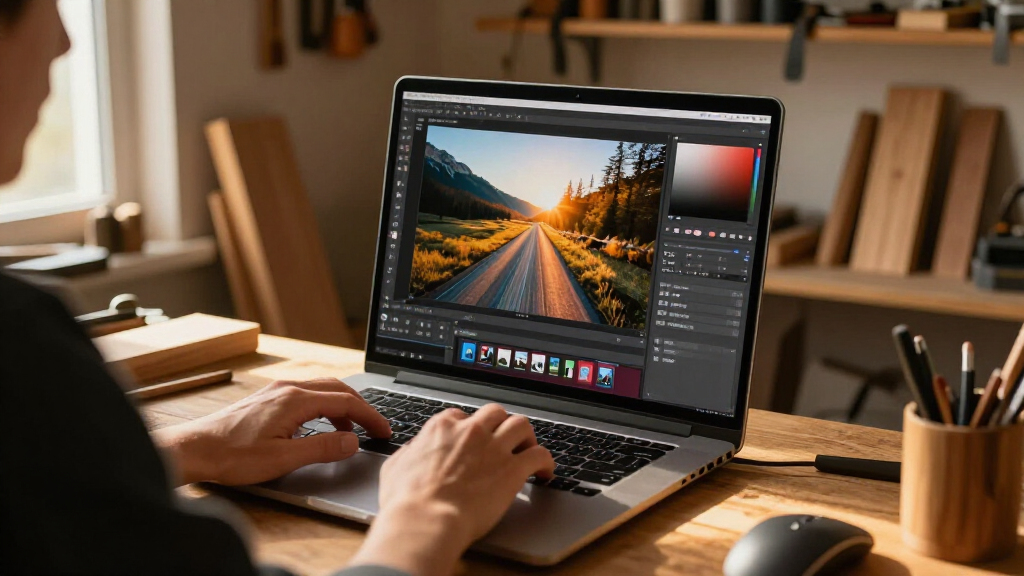
In selecting these monitors, I focused on key factors that matter most for photo editing: color accuracy, resolution, panel technology, and build quality. Each product was evaluated based on its ability to reproduce colors faithfully, coverage of professional color spaces like Adobe RGB and DCI-P3, and calibration options. Usability features such as connectivity, ergonomic adjustments, and screen uniformity also played a role. The ranking reflects a balance between performance, value, and versatility, with the top picks excelling in delivering accurate, consistent visuals for demanding editing workflows.| monitor for photo editing | Connectivity |
|---|---|
| Dell 27 Monitor S2725QC 4K UHD | USB-C (up to 65W) |
| BenQ SW272Q 27-inch 2K USB-C P | — |
| ASUS ProArt PA278QV 27-Inch 14 | DisplayPort, HDMI, DVI-D, USB hub |
| ASUS ProArt PA278CV 27-Inch 14 | USB-C, HDMI, DisplayPort |
| Dell 27 Plus QHD Monitor | HDMI, DisplayPort |
| ASUS ProArt PA279CRV 27-Inch 4 | USB-C with 96W Power Delivery, DisplayPort, HDMI, USB hub |
| LG 27US500-W Ultrafine 27-Inch | — |
Factors to Consider When Choosing Best Monitor For Photo Editing
Choosing the right monitor for photo editing involves more than just resolution. A high-quality display should offer precise color reproduction, reliable calibration, and a comfortable workspace. Understanding these factors helps avoid common mistakes, such as buying a monitor with insufficient color coverage or poor panel uniformity, which can distort your editing work. Balancing features with your budget ensures you get the best value without sacrificing essential performance. Let’s explore the key considerations to help you make an informed decision.Color Accuracy and Gamut Coverage
Color accuracy is the foundation of photo editing. Look for monitors that cover wide color gamuts like Adobe RGB and DCI-P3, which are essential for professional workflows. Some screens even support hardware calibration, allowing you to fine-tune colors precisely. Skipping this step can lead to inaccurate color representation, causing your edits to look different on other devices or in print. Prioritize models with high color space coverage and built-in calibration tools if color fidelity is paramount.
Resolution and Screen Size
Resolution impacts detail and workspace. 4K monitors provide crisp images, especially beneficial for detailed editing and retouching, but they demand more from your hardware. A 27-inch screen is generally ideal for balancing detail and workspace without overwhelming your desk. Lower resolutions like 1440p can be sufficient for beginners or less demanding tasks but may limit your editing precision. Consider your system’s capabilities and the type of projects when selecting resolution and size.
Panel Technology and Viewing Angles
IPS panels dominate in photo editing due to their superior color accuracy and wide viewing angles. This ensures that colors stay consistent regardless of your position relative to the screen, which is vital for precise adjustments. Avoid TN panels for serious editing, as they often suffer from poor color reproduction and limited viewing angles. The quality of panel uniformity also matters; uneven brightness or color shift across the display can hinder your workflow and lead to inconsistent edits.
Connectivity and Calibration Features
Modern connectivity options like USB-C streamline your workflow by enabling data transfer and charging through a single cable. Calibration tools—either built-in or via external hardware—are critical for maintaining color accuracy over time. Monitors lacking these features may require external calibration devices, adding to the overall cost and complexity. For professional editors, these features justify higher price points, ensuring consistent results across different sessions and devices.
Budget and Long-Term Value
While budget monitors might seem appealing, they often compromise on key features like color coverage and uniformity. Investing in a higher-quality display can save you time and frustration, especially if your work depends on precise colors. Consider the long-term benefits of calibration support and color fidelity, which can outweigh initial savings. Avoid the trap of buying the cheapest option if your work demands high accuracy; instead, look for a balance that fits your needs and budget.
Frequently Asked Questions
Is a 4K monitor necessary for photo editing?
A 4K monitor provides sharper detail, which benefits tasks like retouching and detailed color grading. However, it isn’t strictly necessary if your hardware can’t handle the increased resolution or if your workflow doesn’t demand it. A high-quality 2K or QHD monitor with excellent color coverage can suffice for many editing tasks. The key is ensuring the display’s color accuracy and calibration capabilities, regardless of resolution.
How important is hardware calibration support?
Hardware calibration support ensures that your monitor can be precisely calibrated, maintaining color accuracy over time. This feature is especially valuable for professionals who require consistent and reliable color reproduction, such as photographers and designers. Monitors without this feature might still be calibrated using external tools, but built-in options simplify the process and improve consistency. For critical work, investing in a monitor with hardware calibration is a smart choice.
Can I use a consumer monitor for photo editing?
While some consumer-grade monitors can handle basic photo editing, they often lack the wide color gamuts, calibration options, and uniformity needed for serious work. If your edits are for personal use or casual projects, a consumer monitor might suffice. However, for professional-quality results, selecting a monitor designed for color accuracy and calibration is essential. This ensures your work looks consistent across different devices and outputs.
What is better: a larger screen or higher resolution?
Both size and resolution impact your workflow, but their importance depends on your specific needs. A larger screen provides more workspace, making multitasking and detailed editing easier. Higher resolution, like 4K, delivers sharper images and finer detail, which is crucial for retouching. Ideally, a balance is best—aim for a 27-inch 4K display for ample workspace and crisp visuals. Consider your desk space and hardware capabilities when making your choice.
Is a curved monitor suitable for photo editing?
Curved monitors can offer immersive viewing and reduce reflections, but they are less common for photo editing because they can distort perception of straight lines and geometric shapes, which are common in editing tasks. For most professionals, flat IPS panels provide more accurate color reproduction and less distortion. If you prefer curved screens, choose models with high color accuracy and ensure they have good calibration support.
Conclusion
For those who prioritize overall performance and professional results, the Dell 27 Monitor S2725QC stands out as the best overall pick. Budget-conscious users or beginners will find the ASUS ProArt PA278QV offers excellent value, especially with good calibration features. For photographers requiring the widest color coverage and industry-standard accuracy, the BenQ SW272Q is a superb choice. The ASUS ProArt PA279CRV suits Mac users needing high resolution, while the LG 27US500-W provides a reliable 4K experience at a more accessible price. Choose based on your workflow, budget, and professional needs to find the best monitor for your photo editing projects in 2026.
Fall Picks
fall essentials
As an affiliate, we earn on qualifying purchases.