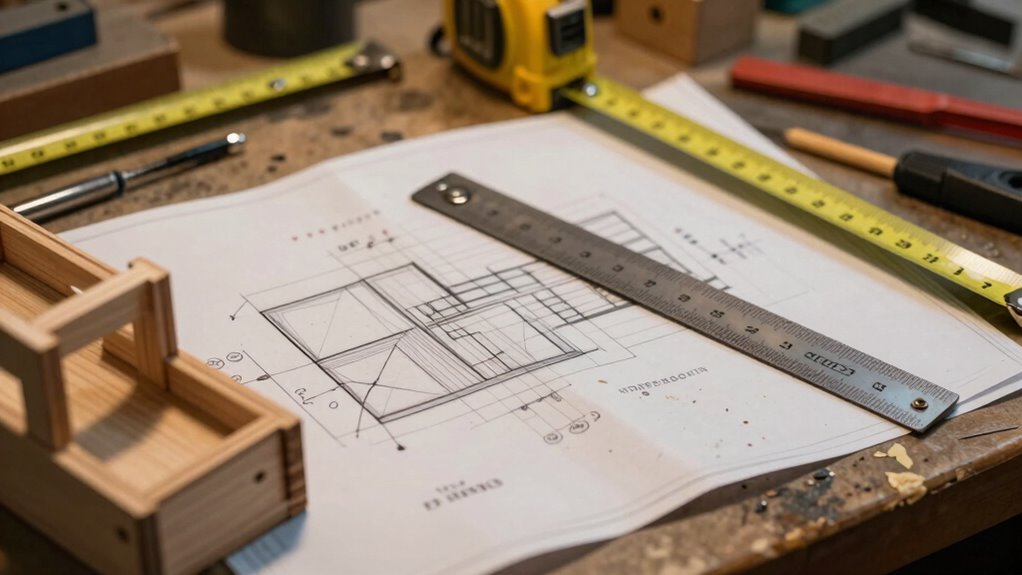

Even when you double-check measurements, hidden errors can still ruin your project. Calibration flaws, human biases, environmental factors, and equipment drift often cause unnoticed inaccuracies. Relying solely on repeated checks gives a false sense of security, as systematic issues remain unaddressed. To truly prevent mistakes, you need to understand their sources and implement proper validation strategies. Keep exploring to uncover how to spot and fix these elusive measurement pitfalls.
Key Takeaways
- Double-checking alone doesn’t prevent errors caused by poor calibration or flawed measurement procedures.
- Systematic biases and sensor drift can lead to inaccurate data despite multiple measurements.
- Human factors like fatigue, distractions, and cognitive biases can cause mistakes even during repeated checks.
- Environmental conditions and equipment wear can compromise measurement accuracy regardless of verification efforts.
- Without rigorous calibration, validation, and standardized protocols, multiple measurements may still pass flawed data.
precision calibration tools
As an affiliate, we earn on qualifying purchases.
As an affiliate, we earn on qualifying purchases.
Common Causes of Hidden Measurement Errors
Hidden measurement errors often originate from subtle factors that go unnoticed but can markedly impact your results. One common cause is data sampling issues, where your sample isn’t representative of the entire population. If your sample is skewed, your measurements won’t reflect reality accurately. Measurement bias also plays a significant role, especially when tools or methods favor certain outcomes over others. This bias can stem from poorly calibrated instruments, inconsistent procedures, or subconscious influences. Even if you double-check your work, these hidden errors can persist, quietly skewing your data. Recognizing that sampling flaws and measurement bias are often invisible at first glance helps you understand why results may seem precise but are actually flawed. Additionally, European cloud innovation emphasizes the importance of adopting reliable and sustainable measurement practices to ensure data integrity. Implementing rigorous calibration protocols can help detect and correct these hidden errors before they affect your results. Developing standardized measurement procedures further reduces the risk of unnoticed errors, as consistent methods help mitigate variability. Being aware of measurement uncertainty underscores the need for continual validation and refinement of measurement techniques to maintain data quality. Incorporating regular data audits into your process can also uncover hidden inconsistencies that might otherwise go unnoticed. Addressing these causes upfront is essential for reliable, accurate measurements.
digital measurement validation device
As an affiliate, we earn on qualifying purchases.
As an affiliate, we earn on qualifying purchases.
The Limitations of Double-Checking Processes

While double-checking is often seen as a reliable way to catch errors, it has inherent limitations that can give a false sense of security. Relying solely on this process ignores issues like calibration standards, which guarantee measurement tools are accurate over time. If calibration standards aren’t maintained, even repeated checks won’t prevent errors. Additionally, data validation plays a vital role; without proper validation, incorrect data can slip through despite multiple reviews. Double-checking assumes human diligence, but it doesn’t address systematic flaws or overlooked biases. It’s easy to miss subtle errors or assume correctness because an initial measurement was verified. Moreover, measurement accuracy can be compromised due to environmental factors or equipment wear, making it essential to regularly evaluate and recalibrate tools. Incorporating advanced monitoring techniques can help detect issues that traditional checks might miss. Implementing quality assurance procedures can further reduce the risk of overlooked mistakes. Furthermore, understanding measurement standards is crucial for establishing reliable benchmarks in projects. Ultimately, without rigorous calibration standards and thorough data validation, double-checking becomes an insufficient safeguard against measurement mistakes that can jeopardize your project’s success.
sensor calibration kit
As an affiliate, we earn on qualifying purchases.
As an affiliate, we earn on qualifying purchases.
How Human Factors Contribute to Mistakes

Human factors play a significant role in the occurrence of measurement mistakes, often stemming from cognitive biases, fatigue, or distractions. You might trust your intuition over data, falling prey to biases like overconfidence or confirmation bias, which skew your judgment. Fatigue can impair your focus, leading to careless errors or overlooked details. Distractions, such as interruptions or multitasking, break your concentration and increase the likelihood of errors. Additionally, communication breakdowns can cause misunderstandings about measurement procedures or data interpretation, resulting in inaccuracies. These human factors subtly influence every step of the process, making it essential to recognize and mitigate their effects. Understanding how cognitive biases and communication issues impact your accuracy can help you develop error reduction strategies and improve measurement reliability. Recognizing the importance of external influences can help you develop more robust procedures to ensure precision and consistent data collection. Moreover, incorporating training and awareness programs can further reduce the impact of human error on measurement outcomes. Being aware of environmental factors, such as noise or lighting conditions, can also help in minimizing distractions and maintaining focus during critical measurements.
measurement accuracy testing equipment
As an affiliate, we earn on qualifying purchases.
As an affiliate, we earn on qualifying purchases.
Technological Pitfalls and Instrument Calibration Issues
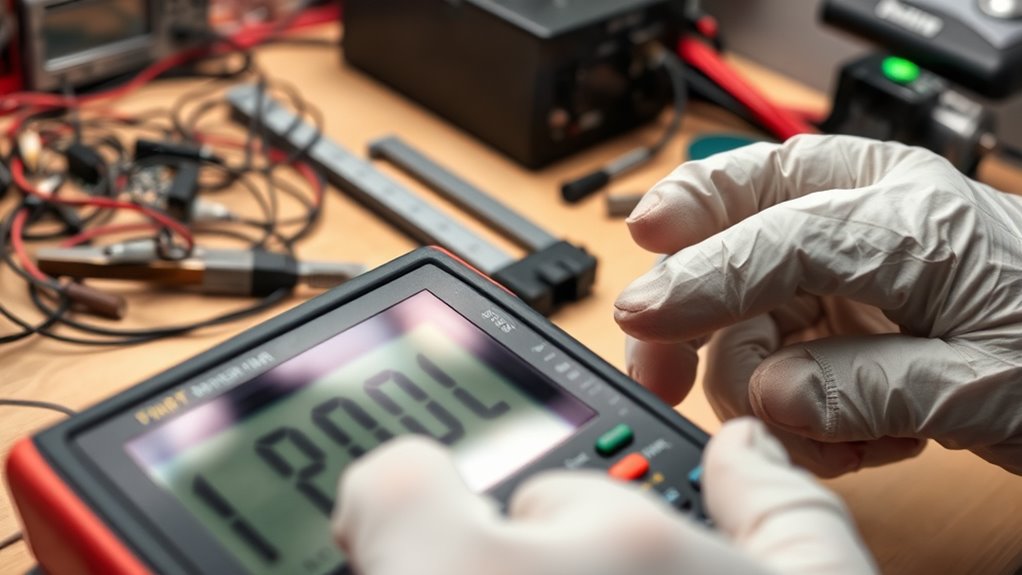
Technological pitfalls and instrument calibration issues can considerably compromise measurement accuracy if not properly managed. Sensor drift occurs when sensors gradually lose accuracy over time, leading to incorrect readings. Without regular calibration, these inaccuracies can go unnoticed, skewing data and affecting project decisions. Calibration frequency is vital; calibrate too infrequently, and you risk relying on faulty data, but calibrate too often, and you waste time and resources. Ensuring proper calibration schedules and understanding sensor limitations help maintain measurement integrity. Additionally, technological glitches, such as software errors or hardware malfunctions, can introduce errors. Staying vigilant about calibration routines and monitoring sensor performance regularly will help you catch problems early and prevent measurement errors from derailing your project. Incorporating connected home fitness technology can also facilitate real-time monitoring and maintenance alerts, further supporting measurement accuracy. Regularly reviewing sensor calibration reports ensures that calibration procedures are consistent and effective, preventing unnoticed deviations that could impact data quality. Implementing preventive maintenance protocols can help identify potential issues before they compromise measurement results. Moreover, understanding the impact of environmental conditions on sensor performance is crucial, as factors like temperature and humidity can affect readings. Additionally, utilizing automated calibration systems can enhance consistency and reduce human error in calibration processes.
Strategies for Detecting and Correcting Measurement Flaws

Detecting and correcting measurement flaws requires a proactive approach to guarantee data integrity. To identify measurement bias, regularly compare your data with independent sources or benchmarks, looking for inconsistencies that suggest distortion. Use statistical tools like control charts to spot data distortion early, revealing patterns that indicate flawed measurements. Cross-check measurements with alternative methods or instruments to validate accuracy. Implement calibration protocols and train personnel to recognize subtle signs of bias. Document all measurement procedures and review them periodically to uncover potential flaws. When you notice discrepancies, investigate their root causes—whether instrument drift, human error, or environmental factors—and correct them promptly. These strategies help ensure your data remains reliable, minimizing the impact of measurement bias and data distortion on project outcomes.
Frequently Asked Questions
How Do Measurement Errors Impact Project Timelines and Budgets?
Measurement errors can substantially delay your project timelines and inflate budgets. Calibration issues lead to inaccurate data, causing you to make incorrect decisions, while data inconsistencies create confusion and rework. These mistakes force you to revisit and redo tasks, wasting valuable time and resources. By addressing calibration issues early and ensuring data accuracy, you can keep your project on track, avoid costly delays, and stay within your budget.
What Role Does Team Communication Play in Preventing Measurement Mistakes?
Communication gaps are the cracks that let measurement mistakes seep through. You can prevent this by adopting effective training strategies that emphasize clear, consistent dialogue. When your team openly shares data and questions assumptions, it’s like building a sturdy bridge over potential errors. Encourage active listening and regular updates to catch misunderstandings early, ensuring everyone’s on the same page and reducing costly measurement errors that threaten project success.
Are There Industry-Specific Measurement Challenges That Differ Widely?
Yes, industry variations create unique measurement challenges you must address. For example, manufacturing focuses on precision and tolerances, while software development relies on metrics like code quality and performance. Context-specific challenges, such as regulatory compliance in healthcare or safety standards in construction, demand tailored measurement methods. Understanding these differences helps you develop accurate, relevant metrics, reducing errors and ensuring project success across diverse industries.
How Can Project Managers Effectively Train Staff to Reduce Measurement Errors?
Think of staff training like sharpening a blade—you want precision. You can effectively reduce measurement errors by implementing calibration techniques regularly and providing hands-on training. Encourage your team to practice with standardized tools and check their measurements often. Clear instructions, ongoing education, and feedback help staff develop consistent habits. When everyone understands calibration techniques and applies them correctly, your project’s accuracy improves, saving time and avoiding costly mistakes.
What Emerging Technologies Are Promising for Improving Measurement Accuracy?
Emerging technologies like laser scanning and IoT sensors promise to substantially improve measurement accuracy. Laser scanning captures precise 3D data quickly, reducing human error, while IoT sensors provide real-time, continuous measurements, alerting you to discrepancies instantly. You should consider integrating these tools into your projects to enhance precision, minimize costly mistakes, and guarantee reliable data collection throughout your project lifecycle.
Conclusion
Remember, measurement mistakes can quietly sabotage your projects like hidden landmines. No matter how many times you double-check, human errors and technological flaws can still slip through. By staying vigilant and embracing continuous improvement, you’ll clear the path ahead. Think of your measurements as the compass guiding your journey — keep it calibrated and honest, and you’ll navigate around pitfalls before they turn into costly disasters. Trust your tools, but never forget to question what they tell you.