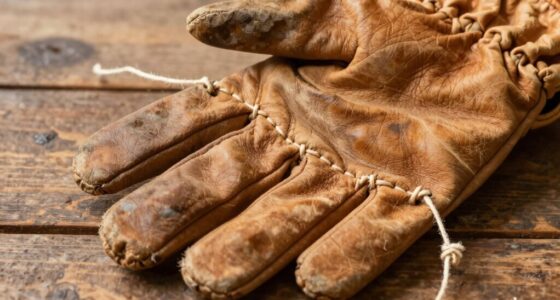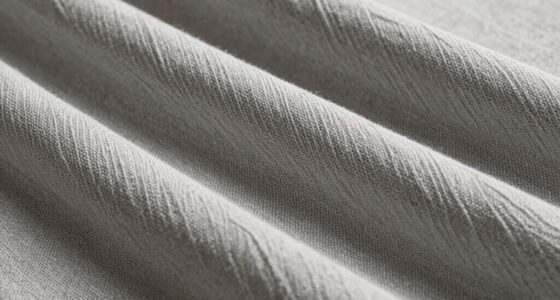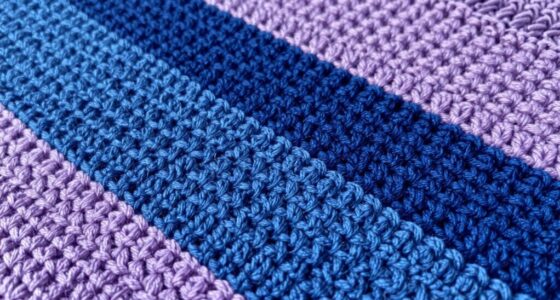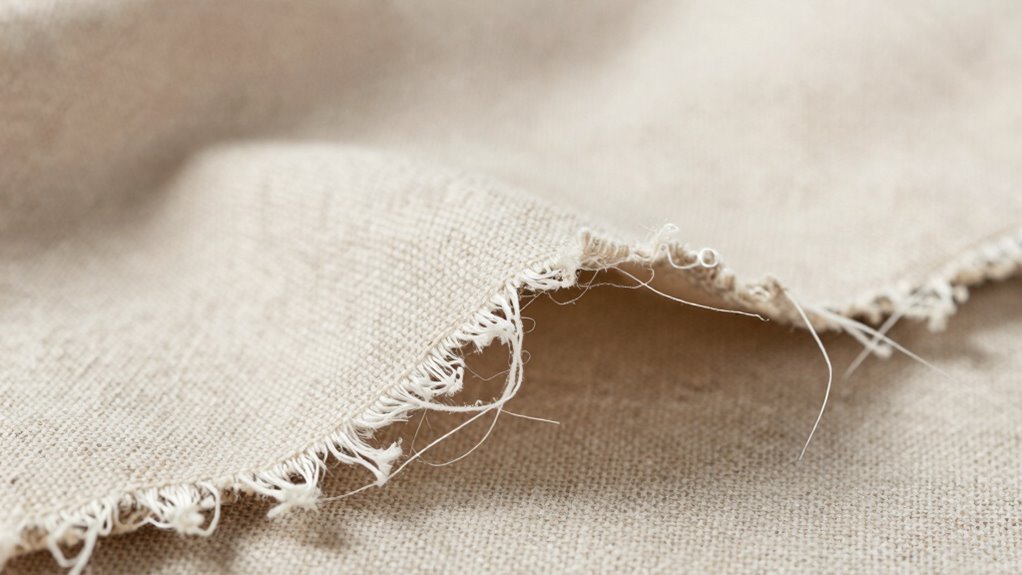

Fabric frays when its fibers unravel easily, especially along unfinished edges or with looser weaves. Different fabrics behave uniquely; woven materials like linen tend to fray more than tightly woven ones. To prevent this, you can “finish the edge” by sewing zigzag stitches, serging, or applying other edging techniques that enclose raw fibers. Understanding these methods helps keep your fabric neat and durable—stick around to learn more about choosing and applying the best finishes for your projects.
Key Takeaways
- Fabric frays due to loose weaves, unfinished edges, and fiber escape when cut or exposed.
- Woven fabrics tend to fray more than tightly woven or stabilized materials.
- Finishing the edge involves techniques like zigzag stitching, serging, or binding to seal raw edges.
- Proper edge finishing prevents fibers from unraveling, increasing durability and improving appearance.
- Understanding fabric type guides appropriate finishing methods to control fraying effectively.
When working with fabric, fraying edges can quickly become a frustrating problem, especially if you’re not familiar with how to prevent it. The truth is, understanding why fabric frays so easily is the first step toward managing it effectively. Different fabric types have unique characteristics that influence how much they shed or unravel. For example, woven fabrics like linen or cotton tend to fray more than tightly woven materials such as denim or canvas. Knitted fabrics, on the other hand, often stretch and unravel differently, requiring specific sewing techniques to keep edges intact. Recognizing these differences helps you choose the right finishes and techniques to protect your project.
Many factors contribute to fraying, but the primary cause is the structure of the fabric itself. Looser weaves or unfinished edges allow fibers to escape easily. When you cut into fabric, the exposed threads become vulnerable to unraveling if not secured properly. This is where understanding various sewing techniques comes into play. Zigzag stitches, serging, or overcasting are common methods to finish raw edges and prevent fraying. These techniques enclose the fibers, effectively sealing the edge and making it more durable. If you’re working with delicate or lightweight fabrics, applying a narrow zigzag stitch or using a serger can make all the difference. For thicker or more stable fabrics, a simple seam or binding might suffice, but always consider the fabric type before choosing your finish.
Looser weaves and unfinished edges cause fibers to unravel; finishing techniques like zigzag stitches or serging seal the fabric effectively.
Another key aspect is selecting the right finish for the fabric type you’re working with. For instance, pinking shears cut the edge in a zigzag pattern, which helps reduce fraying but isn’t a permanent solution for heavy use. Fabric glue or fusible interfacing can also be used to stabilize edges, especially in non-sewing projects. When sewing, finishing techniques like binding, pinking, or using a serger are essential to create a clean, professional look that holds up over time. Additionally, understanding the structure of the fabric can help you determine the most effective finishing method for your project.
In short, understanding your fabric types and applying appropriate sewing techniques is vital for controlling fraying. It’s not just about making your project look neat; it’s about ensuring its longevity and durability. The more familiar you become with different fabrics and how they behave, the better you’ll be at choosing the right finish. Whether you’re sewing a simple hem or constructing a complex piece, taking the time to properly finish edges will save you frustration down the line and give your finished project a polished appearance.
serger sewing machine
As an affiliate, we earn on qualifying purchases.
As an affiliate, we earn on qualifying purchases.
Frequently Asked Questions
How Can I Prevent Fabric From Fraying Over Time?
To prevent fabric from fraying over time, you should use sewing seam techniques like serging or zigzag stitching to secure raw edges. Fabric stabilization methods, such as applying pinking shears or fabric sealants, also work well. Additionally, finishing raw edges with bias tape or French seams adds extra durability. Regularly washing and handling your fabric gently helps maintain its integrity, keeping fraying at bay longer.
Are There Eco-Friendly Methods to Stop Fabric From Fraying?
You can definitely stop fabric from fraying with eco-friendly treatments that are both sustainable and effective. Imagine giving your fabric a gentle, natural finish using sustainable solutions like beeswax or homemade seam sealants, which prevent unraveling without harming the environment. These eco-friendly methods are safe, affordable, and work wonders, letting you protect your textiles while staying true to your green values. Ready to try them and keep your fabrics intact?
Does Fabric Type Affect How Easily It Frays?
Yes, fabric type markedly affects how easily it frays. Natural fibers like cotton and linen tend to fray more due to their lower durability, while synthetic fabrics like polyester resist fraying better. Fraying causes include loose weave, cut edges, and fabric durability. To prevent fraying, you should consider the fabric’s characteristics and choose appropriate finishing methods, like serging or sealing edges, based on the fraying causes and fabric type.
Can Washing Techniques Reduce Fabric Fraying?
Yes, washing techniques can reduce fabric fraying. You should use gentle cycles and cold water to minimize stress on the fabric. Applying thread sealing or edge stabilization before washing helps keep edges intact and prevents fraying. Also, avoid overloading the washer, which can cause fabric stress. These methods help maintain your fabric’s integrity, keeping it looking neat and preventing fraying from worsening during laundering.
What Tools Are Best for Finishing Fabric Edges?
Ever wondered what tools make fabric edges neat and durable? You’ll want a good sewing machine with various stitches for finishing edges, like zigzag or overlock. A serger is perfect for swift, professional-looking decorative edge finishes. For smaller projects, edge finisher tools or pinking shears add a decorative touch while preventing fraying. These tools help you achieve clean, long-lasting edges that boost your sewing projects’ quality.
zigzag stitch sewing machine
As an affiliate, we earn on qualifying purchases.
As an affiliate, we earn on qualifying purchases.
Conclusion
Understanding why fabric frays and what finishing the edge truly involves helps you create stronger, longer-lasting projects. Did you know that untreated fabric can fray up to 3 inches per wash? By properly finishing your edges, you not only prevent unraveling but also give your sewing a professional look. So next time you sew, remember that finishing the edge isn’t just about aesthetics — it’s about making your work durable and beautiful for years to come.
fabric edge finishing tools
As an affiliate, we earn on qualifying purchases.
As an affiliate, we earn on qualifying purchases.
fabric binding tape
As an affiliate, we earn on qualifying purchases.
As an affiliate, we earn on qualifying purchases.