Sewing darts help shape fabric perfectly around your curves, giving your garment a smooth, tailored look without bulk. When you sew darts, you fold and stitch along marked lines to remove excess material, creating a sleek fit. Proper pressing keeps the darts crisp and structured. Mastering this technique allows you to craft professional-looking garments that flatter your body. Continue exploring, and you’ll discover how mastering darts can take your sewing skills to the next level.

Get business pricing on tools and workshop supplies
- Business-only prices and quantity discounts
- Tax-exempt purchasing
- Multiple users, one account, clear invoices
Key Takeaways
- Sewing darts shapes fabric to fit the body’s curves, creating a tailored, smooth silhouette without added bulk.
- Proper marking and pressing of darts ensure a professional, crisp finish that enhances garment fit.
- Darts remove excess fabric in targeted areas, guiding fabric to drape seamlessly around bust, waist, or hips.
- Mastering dart techniques allows for precise fabric manipulation, transforming flat material into a polished, fitted garment.
- Darts serve as both functional shaping tools and design elements, enabling stylish, tailored fashion without bulk.
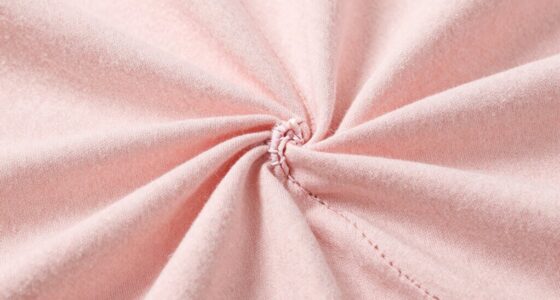
Have you ever wondered how to make your garments fit perfectly around curves? It’s all about mastering the art of fabric manipulation, and sewing darts is one of the most effective techniques to achieve that tailored fit. Darts help you shape fabric to follow the natural contours of the body, providing a smooth, polished look without adding bulk. When you incorporate darts into your sewing, you’re actively guiding the fabric to curve seamlessly around the bust, waist, hips, or shoulders, molding the garment to your unique shape.
The secret behind sewing darts lies in understanding how to position and sew them correctly. By folding and sewing the fabric along a marked line, you remove excess material, which otherwise creates unwanted bulk. This process allows you to sculpt the fabric precisely where it’s needed, creating a sleek silhouette. Darts are not just functional; they’re also a key element of design, giving you control over the fit and style of your garment. Whether you’re working on a blouse, dress, or tailored jacket, darts act as the foundation of a well-fitted piece.
To get the most out of sewing darts, start by carefully marking your pattern. Use tailor’s chalk or fabric markers to trace the dart lines, paying attention to the dart point and its width. The length and shape of the dart depend on the area you’re shaping—longer darts are typically used for larger curves, like the waist, while shorter darts suit smaller areas, such as the bust. When sewing, press the darts as you go, pressing toward the center or downwards to create crisp lines that enhance the garment’s structure. Proper pressing is essential because it sets the shape and guarantees the dart holds its form over time.
Practicing dart sewing will boost your confidence in achieving professional-looking results. Once you understand how to manipulate fabric through darts, you’ll see how they transform flat fabric into a form-fitting piece. Darts also help in controlling fabric drape, preventing sagging or pulling, which is vital for a polished, tailored look. Remember, the key is precision—accurate marking, sewing, and pressing make all the difference. By understanding fabric manipulation techniques, you can elevate your sewing projects to a professional level. With a little patience, you’ll master fabric manipulation techniques that elevate your sewing projects from basic to beautifully fitted. Darts are your secret weapon for creating garments that mold perfectly to your body, giving you that custom, designer feel with every stitch.
As an affiliate, we earn on qualifying purchases.
Frequently Asked Questions
Can Darts Be Sewn on Stretchy Fabrics?
Yes, you can sew darts on stretchy fabrics, but you need to take into account the fabric type. Stretchy fabric considerations include using a stretch stitch or narrow zigzag to allow the dart to stretch without breaking. When sewing darts on knit materials, avoid pulling the fabric too tight to prevent puckering. Use a stretch needle and lightweight interfacing if needed, ensuring your darts maintain shape while accommodating the fabric’s flexibility.
How Do I Press Darts for a Smooth Finish?
To press darts for a smooth finish, start by sewing your darts, then press them flat with a dart pressing technique, usually pressing toward the center or side seam. Use a pressing cloth to avoid shine, and press gently to set the stitches. For a polished look, choose seam finishing options like trimming or understitching. Proper dart pressing techniques help achieve professional-looking, smooth contours without bulk.
Are There Alternatives to Traditional Dart Sewing?
Did you know that 60% of sewists explore alternatives to traditional dart sewing to add unique flair? You can use embellishment techniques like topstitching, decorative appliqué, or fabric manipulation as stylish alternatives. Additionally, fabric stabilization methods such as interfacing or fusible web help maintain shape without darts. These options allow you to craft tailored, eye-catching garments while avoiding bulk and maintaining a smooth finish.
How Do Darts Impact Garment Fit Over Time?
Darts improve your garment’s fit by shaping the fabric to your body, but over time, fabric stability can be affected, especially with frequent wear and washing. This may cause darts to lose their crispness or shift, impacting garment longevity. To maintain a perfect fit, choose quality fabrics and follow proper care instructions. Reinforcing darts or using interfacing can also help preserve the garment’s shape longer.
Can Darts Be Removed or Altered After Sewing?
Yes, you can remove or alter darts after sewing. For dart removal, use alteration techniques like carefully cutting along the dart line and pressing open. If you want to reshape or adjust the dart, you can take in or let out the seam. Just make sure you sew smoothly, and press well to maintain a clean finish. These methods give you flexibility to improve fit even after initial sewing.
As an affiliate, we earn on qualifying purchases.
Conclusion
Now that you know how darts shape your garments without bulk, you might think they’re complicated. But once you’ve practiced a few times, they become second nature. Don’t worry if your first attempt isn’t perfect—perfection isn’t the goal, fit is. With a little patience, you’ll see how darts transform your sewing projects, giving your clothes a polished, tailored look. Keep practicing, and you’ll master this simple technique in no time!
As an affiliate, we earn on qualifying purchases.
As an affiliate, we earn on qualifying purchases.
Halloween Picks
halloween
As an affiliate, we earn on qualifying purchases.