If you want a camera that’s portable and easy to handle, a mirrorless model is a great choice because it’s lightweight and offers real-time previews for lighting and colors. It helps you make quick adjustments and visualize your setup better. DS-LRs, being bulkier, may limit your movement but still produce high-quality images. To learn which camera fits your style and boosts your product photos, explore further insights below.

Get business pricing on tools and workshop supplies
- Business-only prices and quantity discounts
- Tax-exempt purchasing
- Multiple users, one account, clear invoices
Key Takeaways
- Mirrorless cameras are more portable and easier to maneuver for close-up product shots and lighting adjustments.
- Electronic viewfinders and live previews in mirrorless models aid in real-time lighting and color fine-tuning.
- Both camera types produce high-quality images, but mirrorless offers better color accuracy and in-camera processing.
- Mirrorless cameras allow quicker setup and adjustments, reducing trial-and-error during product photography.
- Sensor size and settings optimization are crucial for achieving professional results with either camera type.
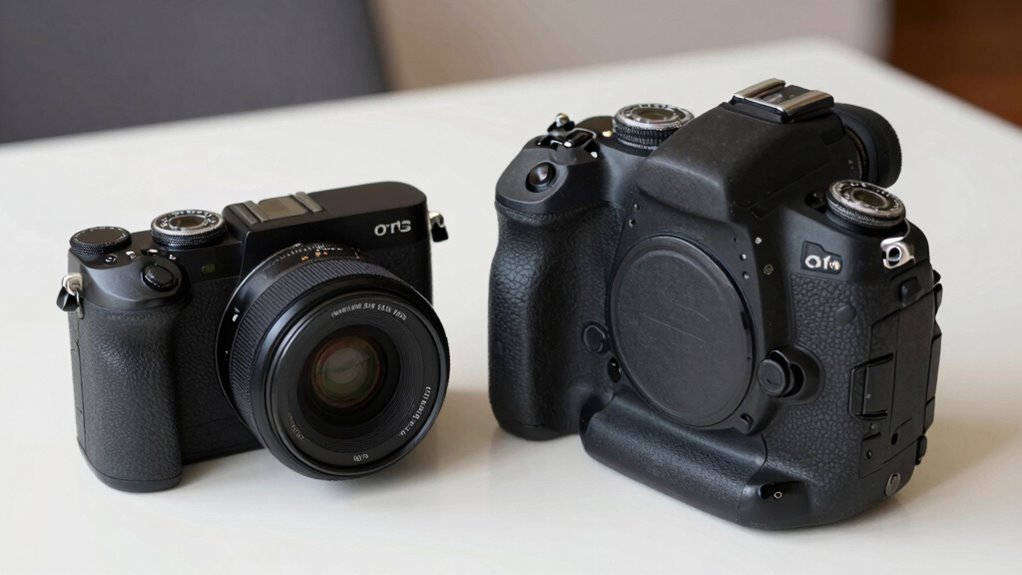
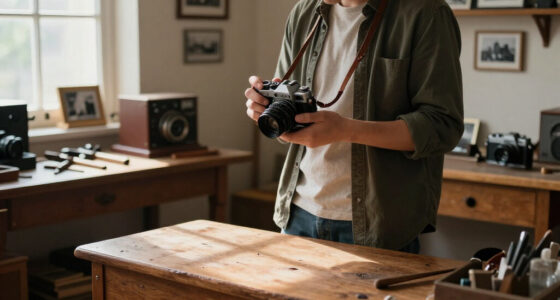
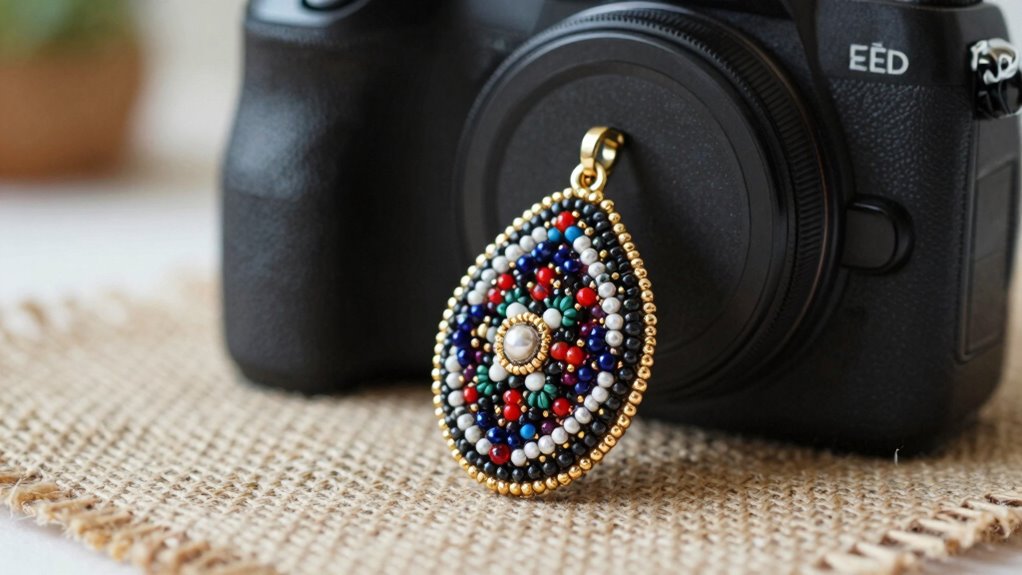
When choosing the right camera for photographing your handmade products, understanding the differences between mirrorless cameras and DSLRs is vital. Both options have their strengths, but your decision should be guided by how you plan to handle lighting techniques and guarantee color accuracy. Mirrorless cameras are typically more compact and lightweight, making them easier to maneuver around small or delicate setups. This portability allows you to experiment more freely with different lighting angles without feeling weighed down. Additionally, many mirrorless models offer advanced features like focus peaking and real-time exposure previews, which help you fine-tune your lighting techniques to get perfect shots. Good lighting is indispensable in product photography; it highlights textures, colors, and details that make your handmade items stand out. With mirrorless cameras, you can quickly adjust settings to match your lighting conditions, guaranteeing that your photos aren’t washed out or underexposed. The electronic viewfinders and live previews further enhance your ability to see how adjustments impact the final image before taking the shot, providing a more accurate preview of your results. Color accuracy is another critical factor, especially when showcasing the true essence of your handmade products. Mirrorless cameras often have superior color science and better in-camera processing, which results in more accurate colors straight out of the camera. This means you spend less time editing and more time focusing on your craft. Many mirrorless models also support higher bit-depth formats, allowing for richer color reproduction and smoother gradations, which is ideal for capturing the nuanced hues of handmade items. Understanding digital imaging technology can also help you leverage these features more effectively. On the other hand, DSLRs have traditionally been known for their robust build quality and excellent image sensors, which also deliver impressive color fidelity. However, they tend to be bulkier, which can make it more challenging to achieve consistent lighting angles or quick adjustments during shoots. Your choice might also hinge on how flexible you want to be with your setup. Mirrorless cameras typically feature electronic viewfinders and live previews, giving you a real-time look at how your adjustments affect lighting and color. This instant feedback helps you refine your lighting techniques on the fly, saving time and reducing trial-and-error. DSLRs rely on optical viewfinders, which can sometimes make it harder to accurately gauge lighting and color without additional equipment like color calibration tools. If you prioritize portability, ease of use, and real-time feedback, a mirrorless camera could be the better fit. Additionally, understanding the sensor size of your camera can influence image quality and depth of field, which are important considerations for product photography. Knowing how to optimize camera settings based on your shooting environment can also make a significant difference in achieving professional results. Ultimately, both camera types can produce stunning images of your handmade products, but understanding your specific needs—particularly around lighting techniques and color accuracy—will help you choose the right tool for showcasing your craft in the best possible light.
mirrorless camera for product photography
As an affiliate, we earn on qualifying purchases.
As an affiliate, we earn on qualifying purchases.
Frequently Asked Questions
Which Camera Type Offers Better Battery Life for Extended Shoots?
DSLRs generally offer better battery endurance for extended shoots because they’re more power-efficient, especially when using optical viewfinders instead of electronic screens. Mirrorless cameras tend to drain batteries faster due to their reliance on electronic viewfinders and screens. If you prioritize long shooting sessions, a DSLR provides superior power efficiency, reducing the need for frequent battery changes. Keep in mind, investing in extra batteries can also help extend your shooting time.
How Do Autofocus Speeds Compare Between Mirrorless and DSLR Cameras?
Mirrorless cameras generally have faster autofocus speeds thanks to advanced on-sensor phase detection and contrast AF systems, making them quicker to lock focus. Their autofocus accuracy is high, especially in good light, and many models excel in low light performance due to improved sensor technology. DSLRs tend to be slightly slower but may offer more reliable autofocus in challenging conditions. Your choice depends on your need for speed versus precision in various lighting situations.
Are There Significant Size Differences Impacting Portability for Product Shoots?
Think of your camera as a trusty backpack—size and weight matter when you’re on the go. Mirrorless cameras are generally more compact and lightweight than DSLRs, making them easier to carry for product shoots. This difference can considerably impact your portability, especially if you often move locations. So, if you value a compact design and lighter weight considerations, a mirrorless camera might suit your needs better.
Which Camera Type Is More Cost-Effective for Beginners?
You’ll find mirrorless cameras more cost-effective for beginners because they often have lower pricing affordability and feature a wide brand variety to choose from. They typically come with advanced features in a compact design, making them budget-friendly and easier to handle. DSLRs might be pricier initially, but the broad brand variety gives you many options to find a camera that fits your budget and photography needs perfectly.
How Do Lens Selection Options Differ Between Mirrorless and DSLR Systems?
You’ll find lens selection varies between mirrorless and DSLR systems, impacting lens versatility and accessory compatibility. DSLR cameras often have a broader range of lenses and accessories due to their longer presence in the market, offering more options for different shooting needs. Mirrorless systems have grown rapidly, providing high-quality lenses and adapters, but some specific accessories might be less compatible or more limited, depending on the brand and model you choose.
As an affiliate, we earn on qualifying purchases.
Conclusion
Choosing between a mirrorless and a DSLR is like selecting a brush or a pen—you’ll find both can create masterpieces. Think of the mirrorless as a sleek, modern brush, offering portability and cutting-edge technology, while the DSLR is a sturdy pen, dependable with a rich legacy. Whichever you pick, remember it’s your vision that paints the true picture of your handmade products. Your camera is simply the tool to bring your artistry into focus.
portable mirrorless camera with live preview
As an affiliate, we earn on qualifying purchases.
As an affiliate, we earn on qualifying purchases.
high color accuracy mirrorless camera
As an affiliate, we earn on qualifying purchases.
As an affiliate, we earn on qualifying purchases.
Halloween Picks
halloween
As an affiliate, we earn on qualifying purchases.