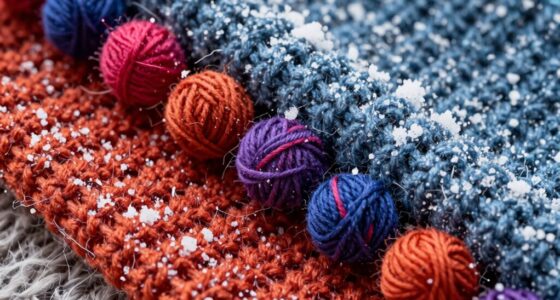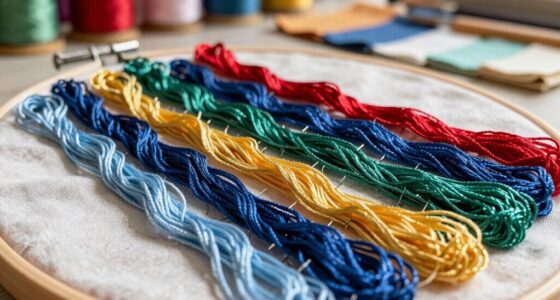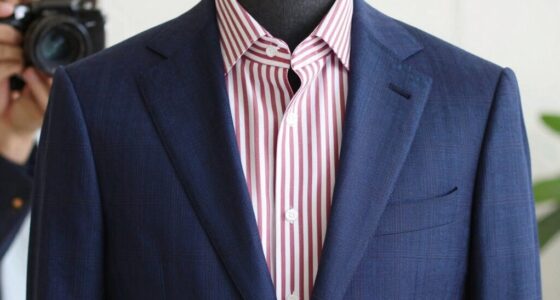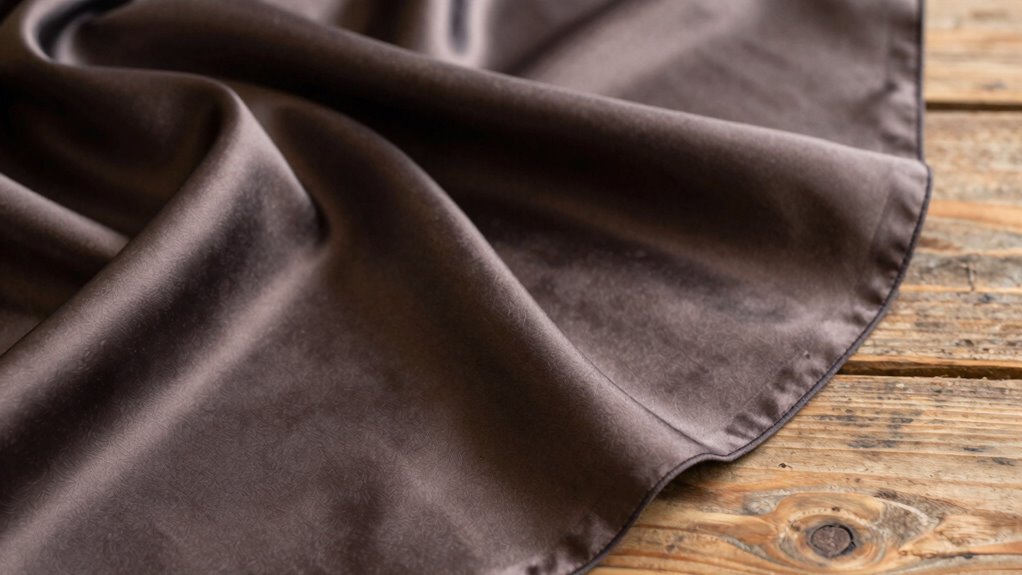

To choose fabric that hangs beautifully, focus on understanding its weight, fiber content, and drape qualities. Heavier fabrics like linen and wool create a luxurious, substantial look, while lighter ones such as chiffon and silk offer a breezy flow. Test swatches by hanging them overnight to see how they fall naturally. Knowing how durability and maintenance affect the fabric helps you select the best option for your project’s elegant appearance. Keep exploring to discover even more tips.

Get business pricing on tools and workshop supplies
- Business-only prices and quantity discounts
- Tax-exempt purchasing
- Multiple users, one account, clear invoices
Key Takeaways
- Test fabric swatches by hanging them overnight to observe their natural drape.
- Choose fabrics with appropriate weight and fiber content for the desired flow and structure.
- Consider the fabric’s fiber type—natural fibers like linen and wool often drape beautifully.
- Select fabrics with a fluid, soft drape for elegant, flowing designs; stiffer fabrics hold shape better.
- Proper care and handling preserve the fabric’s drape and prevent misshapenness over time.
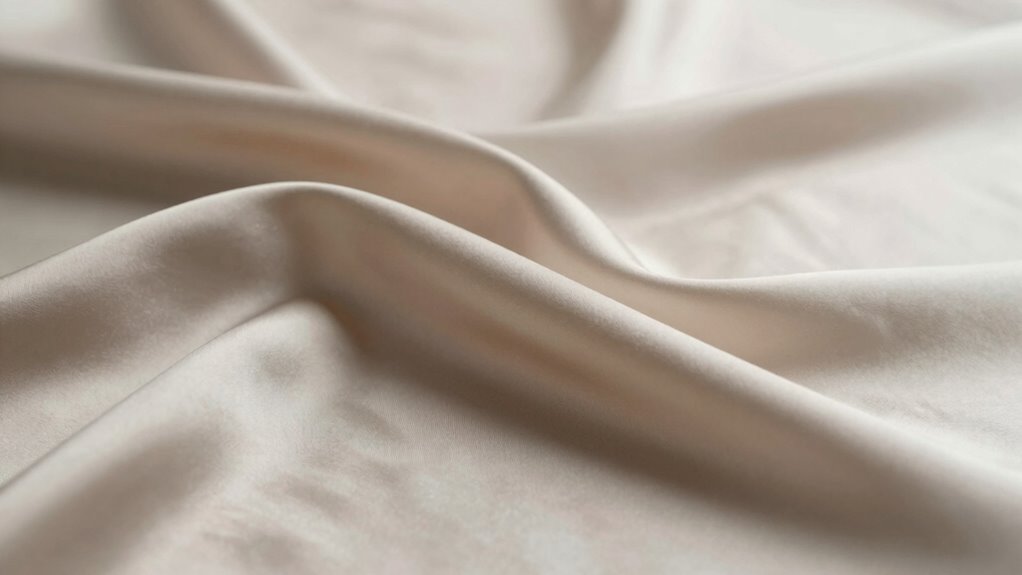
When selecting fabric for your projects, understanding how it hangs is essential to achieving a polished, elegant look. The way fabric drapes can make or break the overall appearance of your design, so paying attention to its natural fall is crucial. Some fabrics have a fluid, soft drape that flows gracefully, while others are stiffer, holding their shape with more structure. To choose the right fabric, you need to consider both its textile durability and how it responds to movement and gravity. Durable fabrics tend to maintain their shape better over time, making them ideal for items like upholstery or furniture covers, whereas softer fabrics may be preferable for garments or decorative curtains that require a luxurious, flowing effect.
Understanding textile durability helps you pick fabrics that will stand up to the demands of your project. For example, high-durability fabrics like heavy canvas or twill are excellent for items that will see frequent use, while lighter, more delicate fabrics such as silk or chiffon are better suited for decorative purposes. When it comes to fabric care tips, knowing how to handle your chosen material will ensure it continues to hang beautifully over time. Proper cleaning and maintenance can preserve the fabric’s integrity and prevent it from losing its drape or becoming misshapen. For instance, hand washing or gentle machine cycles are often recommended for delicate fabrics, along with air drying to maintain their natural flow. On the other hand, sturdier fabrics can usually withstand more vigorous cleaning routines but still benefit from careful handling to keep their shape and appearance.
In addition to considering textile durability and care, pay attention to the fabric’s weight and fiber content. Heavier fabrics tend to hang more dramatically and create a substantial, luxurious look, while lighter fabrics offer a breezier, more ethereal effect. Natural fibers like linen or wool often drape beautifully and age well if cared for properly, but synthetic options such as polyester can mimic these qualities with easier maintenance. Remember, the textile durability of your fabric influences not only how it hangs initially but also how well it maintains its appearance over time, especially with regular use. Additionally, understanding the fiber content can help you select fabrics that suit your specific needs and desired aesthetic. Exploring different woven structures can also impact how the fabric drapes and behaves. Testing a small swatch first—let it hang for a few hours or overnight—is a simple step that can give you a clearer idea of how it will behave in your finished piece, saving you time and frustration later on. Incorporating knowledge about fabric characteristics, such as drape and weight, can further assist you in making informed decisions when selecting textiles. With a little knowledge of textile durability and proper fabric care tips, you’ll confidently select materials that not only look stunning but also stand the test of time.
As an affiliate, we earn on qualifying purchases.
Frequently Asked Questions
How Does Fabric Weight Affect Drape?
Fabric weight markedly impacts drape, as heavier fabrics tend to be stiffer, creating a more structured garment silhouette, while lighter fabrics flow easily and appear softer. When you choose fabric, consider how weight influences stiffness and drape; heavier options provide more shape and form, perfect for tailored pieces. Lighter fabrics offer a gentle, fluid movement, ideal for flowing designs. Your choice determines the overall look and feel of your finished garment.
What Role Does Fiber Content Play in Fabric Hang?
Fiber content directly influences how fabric hangs because fiber elasticity and moisture absorption matter. Fibers with good elasticity, like spandex, stretch and recover, creating a smooth, flowing drape. Natural fibers like cotton absorb moisture well, which can add weight and affect hang. Synthetic fibers often resist moisture, helping fabrics stay crisp. Your choice depends on the desired look—more elasticity and moisture absorption lead to a softer, more fluid drape.
Can Fabric Treatments Improve Drape Quality?
Yes, fabric treatments can improve drape quality considerably. For example, applying fabric softening or crease-resistant finishes can make a fabric hang more fluidly and smoothly. These treatments relax fibers, reduce stiffness, and prevent creasing, resulting in a more elegant drape. By choosing the right treatments, you enhance the fabric’s natural qualities, ensuring your garments or upholstery hang beautifully without sacrificing durability or comfort.
How Does Fabric Weave Influence How It Hangs?
Your choice of fabric weave considerably affects how it hangs. A tight weave with high thread density creates a structured, crisp drape, while a looser weave offers a more fluid, flowing feel. The weave pattern also plays a role; for example, satin weaves provide a glossy, smooth drape, whereas basket weaves add texture and volume. Understanding these factors helps you select fabrics that hang beautifully for your project.
Are There Specific Fabrics Ideal for Formal Wear?
For formal wear, you want fabrics that look elegant and hold their shape well. Satin, silk, and velvet are excellent choices because they drape beautifully and come in rich fabric colors. These fabrics also offer good fabric durability, ensuring your outfit stays polished through the event. Avoid flimsy or overly casual materials, and instead pick high-quality options that make your attire look sophisticated and refined.
As an affiliate, we earn on qualifying purchases.
Conclusion
Now that you know the secrets to selecting fabric that drapes perfectly, imagine the stunning garments you’ll create. But here’s the twist—there’s one more detail that can make or break your choice. Are you ready to uncover it and truly master fabric selection? The answer might just change everything you thought you knew about sewing. Stay tuned, because the next step could be the game-changer your wardrobe—or your craft—has been waiting for.
As an affiliate, we earn on qualifying purchases.
fabric care for delicate textiles
As an affiliate, we earn on qualifying purchases.
As an affiliate, we earn on qualifying purchases.
Halloween Picks
halloween
As an affiliate, we earn on qualifying purchases.