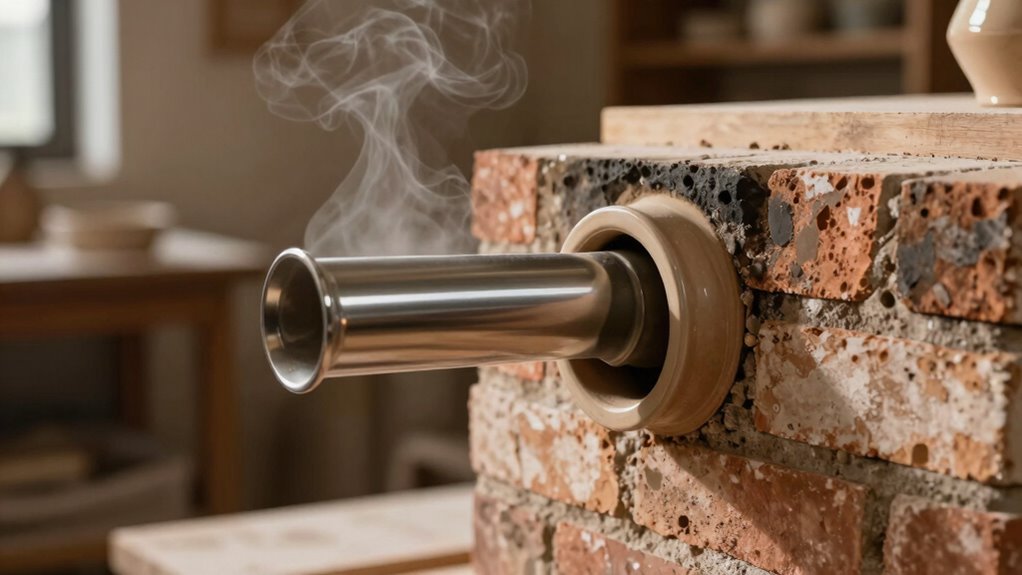

You should understand that proper kiln venting is essential for your safety and health. It helps remove hazardous fumes and gases produced during firing, preventing toxic buildup inside your workspace. Regularly maintaining and inspecting your venting system ensures it works efficiently, reducing risks of fumes lingering and potential explosions. Using the right equipment and keeping pathways clear keeps everything safe and effective. Keep going to discover more tips for safe and effective kiln venting.

Get business pricing on tools and workshop supplies
- Business-only prices and quantity discounts
- Tax-exempt purchasing
- Multiple users, one account, clear invoices
Key Takeaways
- Proper venting releases harmful fumes, preventing toxic buildup and ensuring a safe workspace.
- Use appropriate duct systems or portable ventilation to effectively remove kiln fumes.
- Regularly inspect and clean ventilation equipment to maintain optimal airflow and safety.
- Installing fans or blowers enhances fume extraction and improves indoor air quality.
- Follow best practices like proper installation and obstruction-free pathways to maximize ventilation effectiveness.
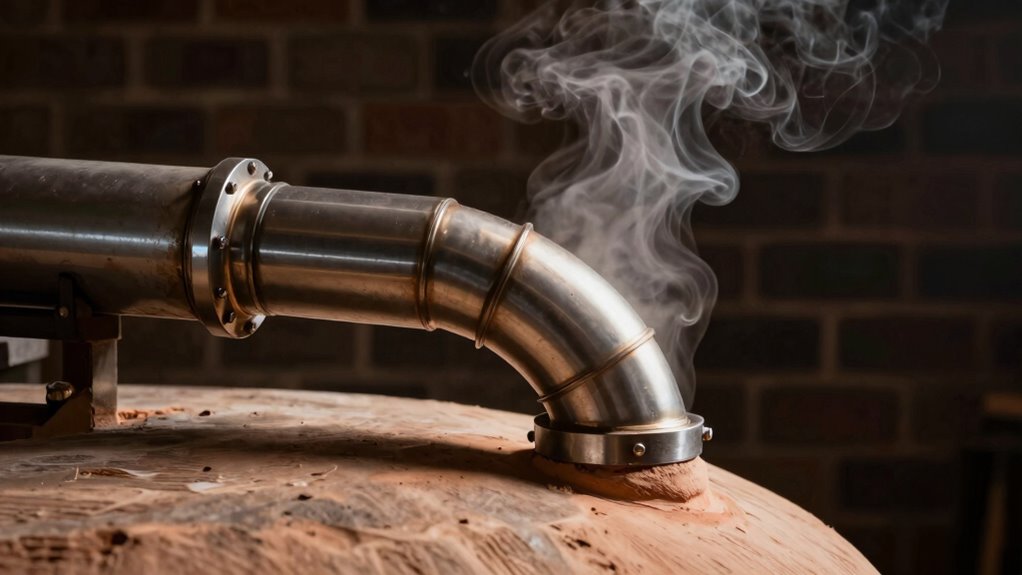
Ever wondered why proper venting is essential for your kiln? It’s a critical aspect of firing safety that you shouldn’t overlook. When you operate a kiln, you’re creating intense heat, which releases potentially hazardous fumes and gases. Without effective venting, these fumes can accumulate inside your workspace, posing health risks and increasing the chance of dangerous build-ups. That’s where ventilation equipment comes into play. Proper ventilation equipment helps direct these harmful gases outside, guaranteeing you and your environment stay safe throughout the firing process.
Understanding the importance of kiln venting means recognizing how much it contributes to safe firing practices. If fumes aren’t vented properly, you risk inhaling toxic substances, which can cause respiratory issues over time. Additionally, poor venting can lead to dangerous pressure build-ups inside the kiln, increasing the risk of accidents or even explosions. Installing a reliable ventilation system isn’t just about compliance; it’s about protecting your health and your workspace. Many home potters overlook this, assuming that firing safety is only a concern at professional studios, but it’s equally essential in your own studio or garage.
Using the right ventilation equipment is straightforward once you know what to look for. Most setups involve a chimney or duct system that connects to the kiln’s exhaust port, guiding fumes safely outside. Some systems are portable, making them ideal for home studios with limited space, while others are built into the kiln itself. Whichever type you choose, it’s essential that the ventilation equipment is properly maintained and regularly checked for leaks or blockages. Regular inspection of your ventilation system can prevent potential hazards before they become serious. Properly functioning ventilation systems also help improve overall indoor air quality by reducing lingering fumes. Additionally, consider installing a fan or blower to increase airflow if your ventilation system isn’t built-in or if you need extra assistance moving fumes outside quickly. Proper ventilation equipment can significantly reduce the risk of harmful fume buildup and ensure a safer firing environment. Maintaining your ventilation setup with routine cleaning and checks is vital to keep it functioning effectively and safely. Furthermore, understanding the airflow dynamics involved can help optimize your system’s efficiency and safety.
As an affiliate, we earn on qualifying purchases.
Frequently Asked Questions
How Often Should I Inspect My Kiln Vent System?
You should inspect your kiln vent system at least once every few months to guarantee proper vent system maintenance and safety inspection. Regular checks help you identify blockages, leaks, or wear that could pose safety risks. After any long breaks or heavy use, do a quick inspection before firing again. Consistent maintenance keeps your kiln functioning safely and efficiently, preventing hazardous build-ups and prolonging its lifespan.
Can I Vent My Kiln Outdoors Without Any Modifications?
Venting your kiln outdoors without modifications is like trying to fit a square peg in a round hole — it usually isn’t feasible. Outdoor venting generally requires DIY modifications to guarantee safe, effective airflow and prevent dangerous fumes from escaping improperly. You’ll need to create a proper exhaust system, weatherproof it, and ensure it meets safety standards. Skipping these steps risks health hazards and damage, so always plan carefully before attempting outdoor venting.
What Are Signs of Improper Kiln Venting?
Signs of improper kiln venting include persistent odors, which indicate inadequate odor control, and visible smoke or fumes escaping around the vent, compromising ventilation safety. You might also notice increased humidity or condensation near the vent area, signaling poor air circulation. If you see these signs, it’s vital to improve your venting system to guarantee safe operation, proper odor control, and to prevent potential health hazards from fumes or smoke buildup.
Is Professional Installation Necessary for Kiln Venting Systems?
Yes, professional installation is necessary for kiln venting systems. Your safety depends on professional expertise to guarantee proper installation, preventing dangerous fumes from accumulating and avoiding fire hazards. Skilled technicians follow safety standards, correctly set up ventilation to operate efficiently, and minimize risks. Skipping professional help may lead to unsafe conditions, so investing in expert installation guarantees your kiln vents correctly and keeps your workspace safe.
How Does Venting Affect Firing Temperature Consistency?
Think of venting as the steady heartbeat of your kiln’s fire. Proper venting material and airflow regulation keep the firing temperature consistent, preventing wild temperature swings that can ruin your work. When airflow flows smoothly, it’s like a conductor guiding an orchestra, ensuring even heat distribution. Without this balance, your kiln’s temperature can become unpredictable, leading to uneven glazes or cracks. Proper venting keeps your ceramic symphony harmonious and precise.
As an affiliate, we earn on qualifying purchases.
Conclusion
Now that you understand the basics of kiln venting, you’re like a skilled captain steering a vessel through smoky waters. With proper venting, you’ll steer clear of dangerous fumes and keep your studio safe and airy. Think of it as giving your kiln a gust of fresh air—powerful enough to carry away the old, making room for new creations to breathe and flourish. Master this, and your pottery journey will flow smoothly, like a well-charted river.
As an affiliate, we earn on qualifying purchases.
As an affiliate, we earn on qualifying purchases.
Fall yard work Picks
leaf blowers
As an affiliate, we earn on qualifying purchases.