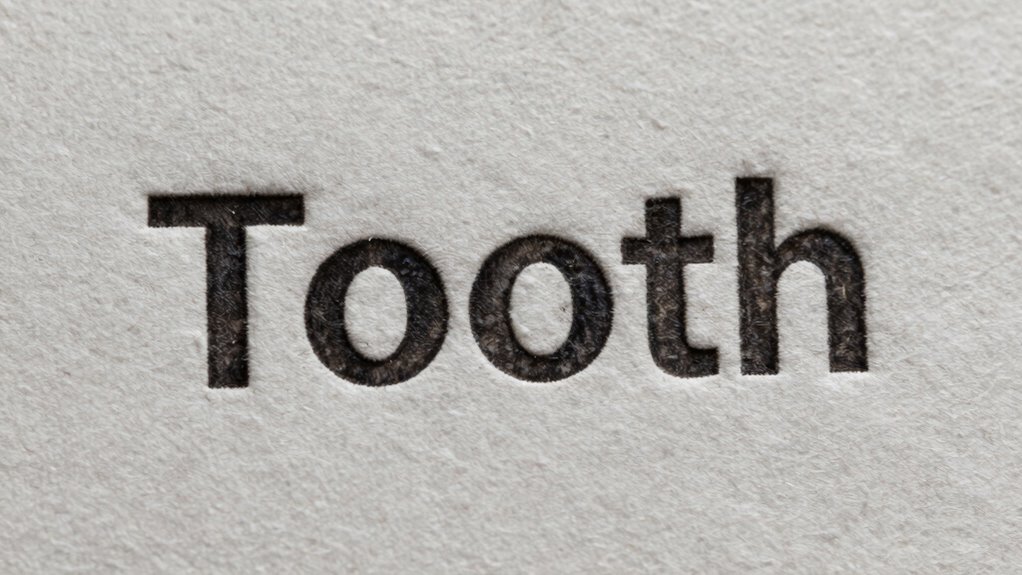

Paper ‘tooth’ describes how textured or smooth a surface is and affects how well ink sticks to it. A rougher surface, with more tooth, provides more grip, helping colors look deeper and details sharper. Smoother surfaces hold less ink, giving crisper edges for high-resolution images. The surface texture influences drying time and overall look. Keep exploring, and you’ll discover how choosing the right paper can enhance your print quality.
Key Takeaways
- Paper tooth refers to surface texture that influences ink grip and adhesion.
- Rougher surfaces with more tooth trap more ink, enhancing color depth and vibrancy.
- Smoother surfaces have less tooth, producing sharper images and cleaner text.
- Surface irregularities like ridges increase surface area, improving ink retention.
- Choosing the right paper tooth depends on desired print quality and finish.
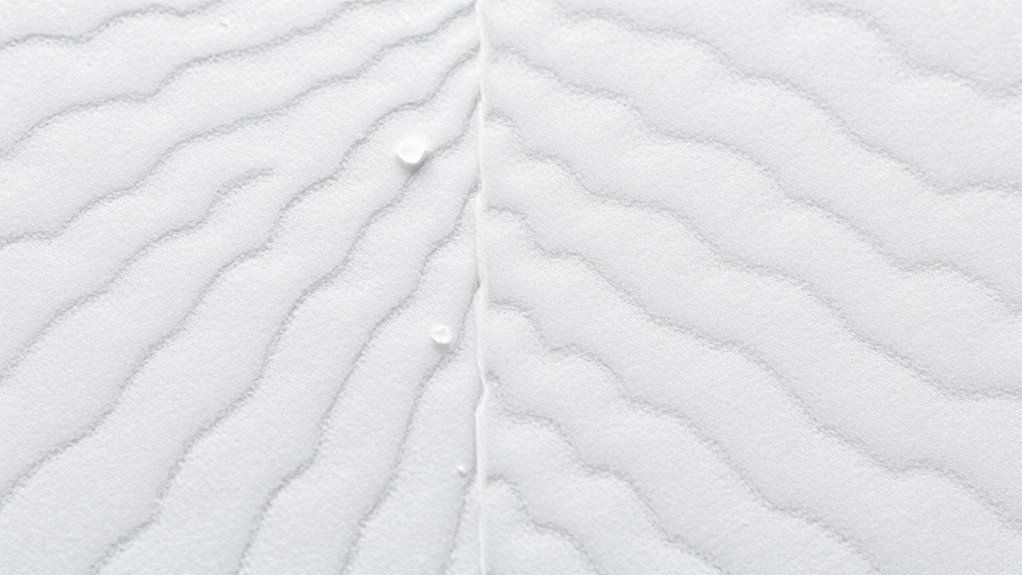
Have you ever wondered what a “paper tooth” really is? It’s a term used in printing to describe how well a surface can grab ink. Think of it as the paper’s grip strength for ink, which directly impacts the quality of your printed images and text. When you look at a sheet of paper, you might notice its smoothness or roughness—these are aspects of surface texture that influence ink absorption. A paper with a rougher texture has a more pronounced “tooth,” meaning it offers more surface area for the ink to cling to. Conversely, a smoother sheet provides less grip, leading to less ink absorption and often a cleaner but less vivid print.
A paper’s tooth is its surface’s grip strength for ink, affecting print quality and vibrancy.
The surface texture is vital because it determines how much ink can be held on the surface. A paper with a pronounced tooth has tiny ridges, valleys, or uneven areas that trap ink more effectively. This increased surface area allows ink to settle into the microscopic irregularities, resulting in richer colors and sharper details. On the other hand, papers with a very smooth surface tend to repel ink slightly or allow it to sit more on the surface without penetrating deeply. This is ideal for high-resolution images or text that needs crisp edges, but it might lack the depth and vibrancy you get with rougher paper.
Ink absorption is also tied closely to the surface texture. When you print, the ink doesn’t just sit on top of the paper; it interacts with its surface. A paper with a good tooth absorbs ink quickly and evenly, which prevents smudging and ensures the print dries faster. If the surface texture is too smooth, the ink may sit on the surface longer, risking smudging or uneven drying. Conversely, a highly textured surface absorbs ink more readily, which can deepen colors and give your print a more tactile, vibrant appearance.
Understanding the relationship between surface texture and ink absorption helps you choose the right paper for your project. For high-quality photographs or detailed artwork, a smoother paper might be preferable. For bold, textured prints or pieces where vibrancy matters most, a paper with more tooth will serve you better. Ultimately, the “tooth” of the paper influences not just how the ink interacts with the surface but also the overall look and feel of your finished piece. It’s a subtle yet powerful factor that can make or break your printing results.
high quality textured printing paper
As an affiliate, we earn on qualifying purchases.
As an affiliate, we earn on qualifying purchases.
Frequently Asked Questions
How Does Paper Tooth Affect Print Durability Over Time?
Your paper’s tooth influences print durability over time by affecting how well the ink adheres. Rougher surfaces with more tooth provide better ink grip, resisting smudging and fading longer. A smoother surface, due to coating impact, may not hold ink as tightly, leading to quicker wear. So, choosing paper with the right surface smoothness and coating can help guarantee your print stays vibrant and intact over time.
Can Paper Tooth Be Modified After Manufacturing?
Think of your paper as a garden that can be reshaped. You can modify paper tooth after manufacturing through coating applications and surface treatments, much like adding compost or mulch to improve soil. These processes can enhance or soften the texture, allowing for better ink adhesion or smoother finishes. So, yes, you can actively alter the paper’s tooth to suit your printing needs at any stage.
What Industries Prioritize High Paper Tooth?
You’ll find high paper tooth is a priority in industries like bookbinding and archival preservation. These sectors need surfaces that effectively hold ink, ensuring durability and clarity over time. Using specialized bookbinding techniques, they select paper with a high tooth to improve print quality and longevity. Archival preservation also relies on high-tooth paper to protect documents from fading or smudging, making it essential for maintaining the integrity of valuable materials.
How Does Ink Type Influence Adhesion on Different Paper Teeth?
Like a painter choosing brushes, you see that ink type directly affects adhesion depending on paper tooth. For example, water-based inks excel with rough surfaces, promoting better ink absorption, while oil-based inks perform well on smoother surfaces. Surface roughness influences how ink adheres; rougher paper traps more ink, enhancing color depth, while smoother paper offers cleaner lines. You must match ink type to paper tooth for ideal print quality.
Are There Eco-Friendly Options for Achieving Specific Paper Tooth Qualities?
Yes, you can choose eco-friendly options to achieve specific paper tooth qualities. Look for biodegradable coatings that enhance ink adhesion without harming the environment. Additionally, opt for recycled fibers, which reduce waste and maintain good ink grip. These sustainable choices help you create high-quality prints while minimizing your ecological footprint. Switching to biodegradable coatings and recycled fibers offers a responsible way to meet your paper tooth needs effectively.
smooth finish photo paper for inkjet
As an affiliate, we earn on qualifying purchases.
As an affiliate, we earn on qualifying purchases.
Conclusion
Now you see why paper ‘tooth’ matters when printing or drawing. It’s the secret sauce that helps ink stick and brings your artwork or text to life. When you choose paper with the right surface, you’re not just playing it safe—you’re setting yourself up for success. So, don’t overlook this detail; it’s the backbone of crisp lines and vibrant images. Remember, a little surface detail can make all the difference—don’t let it slip through your fingers.
artistic textured watercolor paper
As an affiliate, we earn on qualifying purchases.
As an affiliate, we earn on qualifying purchases.
professional printing paper with high tooth
As an affiliate, we earn on qualifying purchases.
As an affiliate, we earn on qualifying purchases.