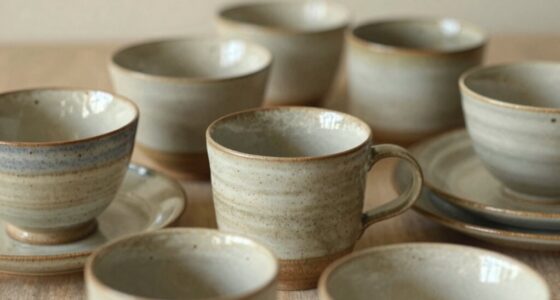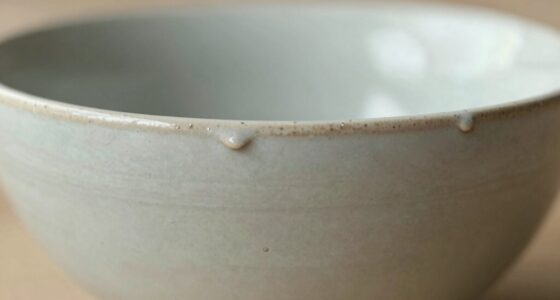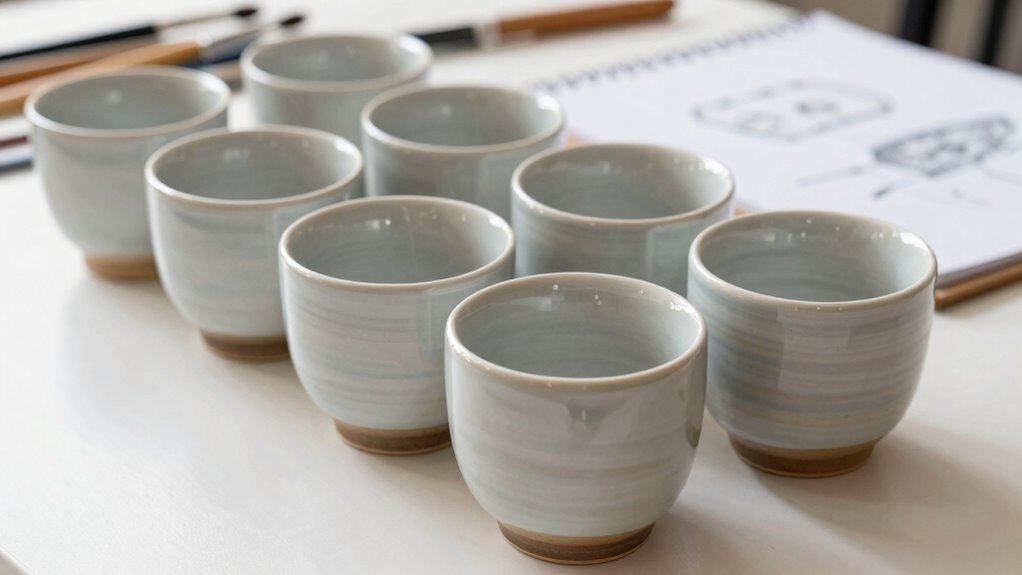

To build consistency in your handmade work, start by establishing clear standards for techniques, materials, and measurements. Stick to these standards and create regular quality checks to catch mistakes early. Manage your time wisely by scheduling each step and documenting your process to spot patterns and improvements. Focus on developing procedures you follow and celebrate small wins along the way. Keep refining your approach, and you’ll steadily produce more uniform, high-quality pieces. Learn more to perfect your consistency journey.

Get business pricing on tools and workshop supplies
- Business-only prices and quantity discounts
- Tax-exempt purchasing
- Multiple users, one account, clear invoices
Key Takeaways
- Establish clear standards for techniques, materials, and measurements and adhere to them consistently.
- Incorporate regular quality control checks throughout the process to catch errors early.
- Document techniques, adjustments, and timings to identify patterns and guide improvements.
- Develop structured workflows with dedicated time for each project phase to maintain steady progress.
- Celebrate small wins and recognize progress to stay motivated and reinforce consistent habits.
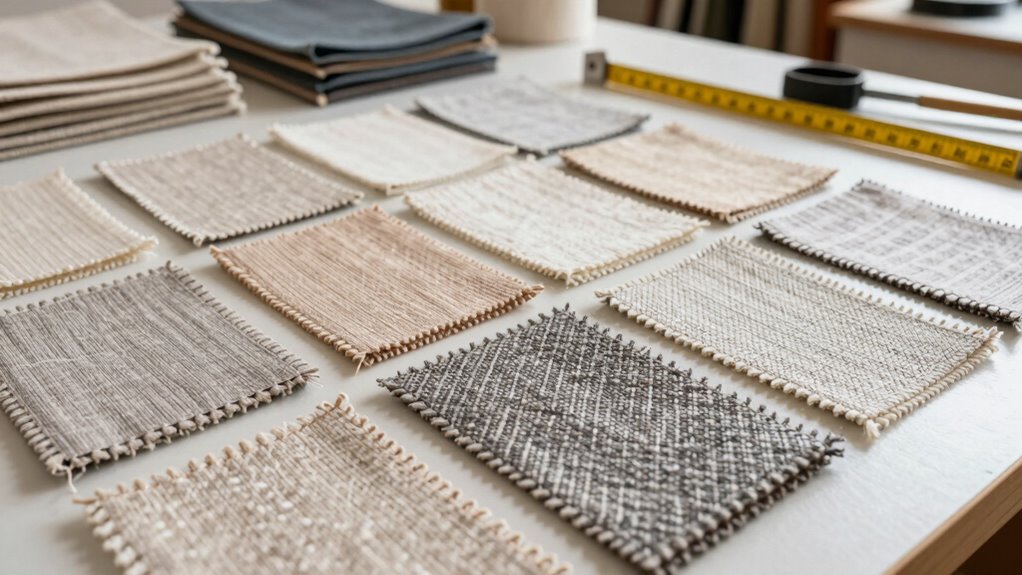
Have you ever felt frustrated because your handmade projects turn out differently each time? It’s a common experience, especially when you’re still figuring out your process. Building consistency isn’t about making every piece identical but about creating a reliable method that produces predictable results. To do this, you need to focus on quality control and time management. These two elements work hand-in-hand to help you develop a steady workflow and improve the overall quality of your work.
Creating reliable methods with quality control and time management leads to consistent, high-quality handmade projects.
Start by establishing clear standards for your projects. Decide on specific techniques, materials, and measurements, and stick to them. This consistency in approach guarantees that each piece meets your expectations, reducing surprises at the end. Incorporate regular quality control checks throughout your process. For example, if you’re sewing, double-check your stitches after each section. If you’re painting, evaluate your color mixing and brushwork periodically. These checkpoints help you catch mistakes early, so they don’t escalate into larger issues. Over time, this habit sharpens your attention to detail and makes your finished work more uniform.
Time management is equally essential. Set aside dedicated periods for each step of your project and stick to them. Rushing through a step can lead to mistakes and inconsistencies, so give yourself enough time to complete each phase thoroughly. Use timers or schedules to keep yourself on track, and don’t skip the planning stage. Proper planning ensures you have all the necessary materials ready and avoids last-minute improvisations that can compromise quality. When you allocate specific times for each task, you create a rhythm that promotes steady progress, which is indispensable for building reliability in your handmade work. Developing a structured approach can help you stay organized and consistent throughout your projects.
Another key aspect is documenting your process. Keep notes on what techniques you used, how long each step took, and any adjustments you made. This record helps you identify patterns and areas for improvement. When you notice inconsistencies, you can refer back to your notes, make adjustments, and refine your process. This cycle of observation and modification strengthens your ability to produce consistent results. Additionally, understanding standardized procedures can further streamline your workflow and ensure uniformity across your projects. Regularly reviewing your documented process also allows you to maintain quality standards and prevent deviations that could affect your work’s consistency.
Consistency is also reinforced by establishing a set of quality standards that you adhere to for each project, ensuring a professional finish every time.
Lastly, don’t be discouraged by occasional setbacks. Building consistency is a gradual process that requires patience. Celebrate small wins along the way, like perfecting a particular stitch or mastering a specific technique. Over time, these small improvements will accumulate, leading to more reliable and high-quality handmade work. With a focus on quality control and disciplined time management, you’ll develop a workflow that produces consistent, satisfying results every time.
quality control tools for handmade crafts
As an affiliate, we earn on qualifying purchases.
As an affiliate, we earn on qualifying purchases.
Frequently Asked Questions
How Do I Measure My Progress in Building Consistency?
You measure your progress in building consistency by tracking your technique development over time, noting improvements and setbacks. Keep a journal or photo log of your work to see patterns and consistency challenges. Set achievable goals for each session and compare results regularly. If your work becomes more uniform and your technique improves steadily, you’re successfully building consistency. Celebrate small wins to stay motivated and adjust your approach when facing consistency challenges.
What Tools Can Help Maintain Uniformity in My Work?
Think of your tools as loyal allies in your craft. Using an organized tool station keeps everything within reach, preventing chaos from creeping in. Invest in quality measuring tools, jigs, or stencils to aid technique refinement. These tools help you maintain uniformity, ensuring each piece is as consistent as the last. Regularly cleaning and maintaining your tools keeps them reliable, making your handmade work both precise and professional every time.
How Do I Handle Creative Blocks Affecting Consistency?
When facing a creative rut or inspiration drought, take a break to recharge. Try exploring new techniques, browsing art galleries, or collaborating with other artists to spark fresh ideas. Keep a journal of your thoughts and inspirations to revisit when you feel stuck. Remember, consistency isn’t about perfection every time but maintaining your process. Embracing these moments can actually strengthen your skills and lead to renewed creativity.
Can Consistency Improve My Sales or Customer Trust?
A stitch in time saves nine, and consistency can greatly boost your sales and customer trust. By maintaining quality assurance, you guarantee each piece meets high standards, reinforcing your brand reputation. When customers receive reliably crafted items, they’re more likely to return and recommend you. Consistency shows professionalism and dedication, turning first-time buyers into loyal clients. In turn, your reputation grows, and sales increase as your brand becomes known for dependability.
How Do I Balance Creativity and Consistency?
You balance creativity and consistency by establishing creative routines that foster artistic discipline. Set aside specific times for experimentation and for producing work that aligns with your style, ensuring a steady output without stifling innovation. Embrace routines that nurture your creativity while maintaining quality and reliability. This approach helps you stay inspired and disciplined, ultimately allowing your unique artistic voice to shine through consistently in your handmade work.
measuring tools for handmade projects
As an affiliate, we earn on qualifying purchases.
As an affiliate, we earn on qualifying purchases.
Conclusion
Building consistency in your handmade work takes dedication and practice, but the results are worth it. When you commit to refining your techniques, your craftsmanship becomes more reliable and your pieces more recognizable. Did you know that 85% of customers prefer handmade products from artisans they trust? By focusing on quality and routine, you’ll not only improve your skills but also foster trust with your audience. Stay consistent, and watch your craftsmanship—and your reputation—grow.
workflow organization supplies for crafters
As an affiliate, we earn on qualifying purchases.
As an affiliate, we earn on qualifying purchases.
craft project timers and scheduling tools
As an affiliate, we earn on qualifying purchases.
As an affiliate, we earn on qualifying purchases.
Fall yard work Picks
leaf blowers
As an affiliate, we earn on qualifying purchases.