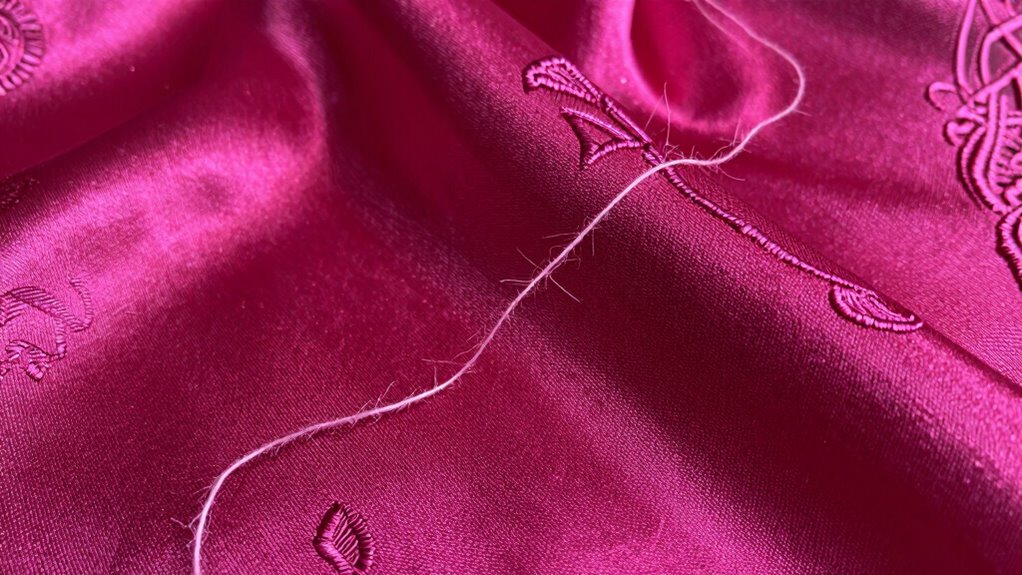

Using cheap thread on great fabric can ruin your project fast. Low-quality thread is weaker, prone to breaking, and creates weak seams that can unravel over time. It doesn’t match the fabric’s strength or flexibility, causing uneven stitches, puckering, and poor appearance. Plus, it produces lint and residue that can clog your machine and lead to damage. If you want to guarantee your fabric stays beautiful and durable, keep going to discover how to choose the right thread.

Get business pricing on tools and workshop supplies
- Business-only prices and quantity discounts
- Tax-exempt purchasing
- Multiple users, one account, clear invoices
Key Takeaways
- Cheap thread is weaker and prone to breaking, causing weak seams that can unravel over time.
- Inferior thread produces uneven stitches, puckering, and reduced overall fabric appearance.
- Low-quality thread releases more lint, clogging machines and increasing maintenance needs.
- Using cheap thread can lead to fabric damage and higher long-term repair costs.
- Poor thread quality compromises project durability, resulting in faster wear and diminished finish.
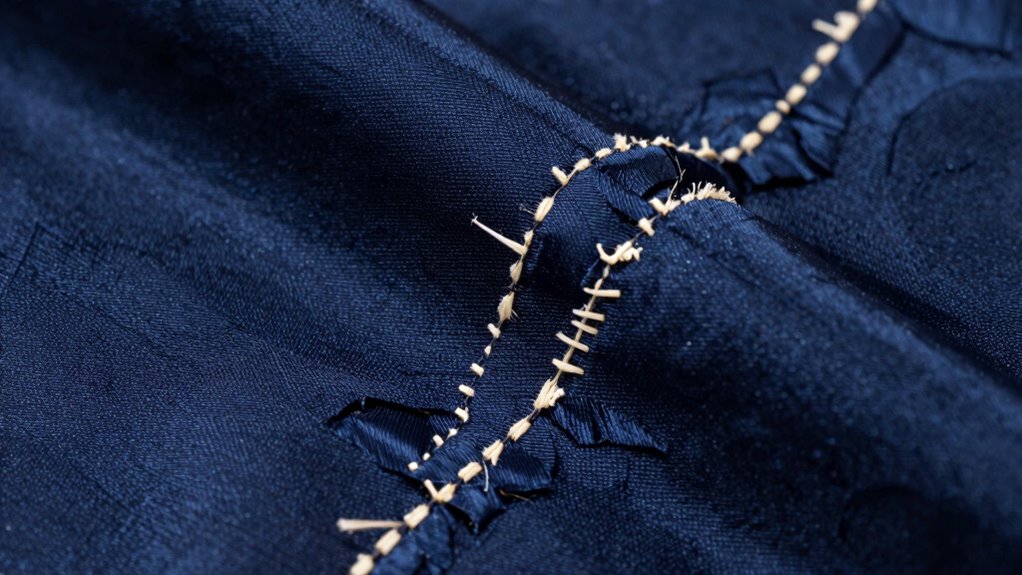
When you invest in high-quality fabric, choosing the right thread might seem like a minor detail, but it can make or break your entire project. The quality of the thread directly impacts the fabric’s durability and how well your finished piece holds up over time. Low-quality thread often appears tempting because it’s cheaper, but it’s a false economy. Cheap thread tends to be weaker, less consistent, and more prone to breaking during sewing. When you use inferior thread, you risk creating weak seams that can unravel with minimal stress or frequent use. This compromises the integrity of your project, no matter how beautiful the fabric looks.
Thread quality plays an essential role in the longevity of your sewing project. Good thread is designed to match the strength and flexibility of your fabric, ensuring that the seams remain intact despite regular wear and washing. Poor-quality thread, on the other hand, can deteriorate quickly, causing your stitches to weaken or snap altogether. This not only affects the appearance but also markedly reduces fabric durability. Over time, these weak seams can lead to fraying, tearing, or even complete failure of the garment or item you’ve crafted. When you skimp on thread, you’re ultimately sacrificing the longevity of your work.
High-quality thread ensures lasting seams, durability, and a professional finish for your sewing projects.
Using cheap thread also increases the likelihood of tangling and breakage during sewing. It tends to produce uneven stitches, which can cause puckering or skipped stitches, making your project look unprofessional. If you’re working on a delicate or intricate design, these issues become even more problematic. Instead of achieving a smooth, polished finish, you might end up with uneven seams or loose stitches that compromise both appearance and durability. The thread’s consistency and strength are essential for maintaining a clean look and ensuring that your project withstands daily use. Additionally, poor-quality thread often produces more lint and residue, which can clog your sewing machine or cause unnecessary wear, reducing overall efficiency and increasing maintenance needs.
Furthermore, cheap thread can damage your sewing machine’s components over time. It often contains inferior materials that produce more lint and residue, which can clog the machine or cause unnecessary wear. Investing in high-quality thread might seem like an extra expense upfront, but it saves you money in the long run by preventing machine problems and reducing the need for repairs or replacements. When you prioritize thread quality, you’re safeguarding your fabric and ensuring that your project remains durable and beautiful for years to come.
As an affiliate, we earn on qualifying purchases.
Frequently Asked Questions
Can High-Quality Thread Improve Fabric Durability?
Yes, high-quality thread can improve fabric durability because its superior thread composition guarantees stronger seams that last longer. When you choose the right thread for your fabric, it’s essential to take into account sewing machine compatibility to prevent breakage or stitching issues. Using premium thread not only enhances the durability of your project but also provides a smoother sewing experience, reducing the risk of damage and ensuring a professional finish.
Does Thread Color Affect Fabric Longevity?
Thread color can impact fabric longevity like a mismatched puzzle piece, causing unnecessary stress on the material. When you choose a thread with the right color matching, it minimizes visible wear and prevents weakening of the fabric over time. Thread composition also plays a role; high-quality, color-matched thread reduces friction and prevents deterioration, ensuring your fabric stays durable and looking great longer.
Are Synthetic Threads Better Than Natural Ones?
Synthetic threads are often better than natural ones because of their consistent thread composition and smooth thread texture. They resist shrinking, stretching, and fading, making your fabric last longer. Natural threads, like cotton or silk, can weaken over time and may cause fabric to fray. If you’re seeking durability and uniformity, synthetic threads provide a reliable choice. Just be sure to choose high-quality options to avoid issues with cheap, low-grade synthetics.
How Does Thread Tension Impact Sewing Results?
Ever wondered how your sewing turns out so perfect or so messy? Thread tension directly impacts your results; if it’s too tight or loose, stitches can pucker or gap. Adjust the tension based on thread thickness and guarantee it matches your sewing machine compatibility. Proper tension helps your fabric lay flat and stitches stay even, making your project look professional. Don’t overlook this detail—it’s key to mastering great sewing results!
What Are the Signs of Poor-Quality Thread?
You’ll notice poor-quality thread by its inconsistent thickness and lack of elasticity. It often breaks easily, causing skipped stitches or puckering in your fabric. The thread might look rough or frayed, and it may not hold up well after washing. If the thread feels stiff or too thin, it’s a sign it won’t provide the durability you need, ultimately damaging your fabric and compromising your sewing project.
As an affiliate, we earn on qualifying purchases.
Conclusion
So, next time you choose your thread, remember the story of Icarus—flying too close to the sun with cheap materials can lead to a fall. Don’t let your beautiful fabric become a cautionary tale. Invest in quality thread, and your creation will soar instead of unraveling. In the end, it’s the little details that make your masterpiece truly stand out. Choose wisely, and your fabric’s story will be one of elegance, not regret.
professional sewing thread for fabric
As an affiliate, we earn on qualifying purchases.
As an affiliate, we earn on qualifying purchases.
As an affiliate, we earn on qualifying purchases.
Fall yard work Picks
leaf blowers
As an affiliate, we earn on qualifying purchases.