
Your glue might be failing because of poor surface prep, which is often overlooked. If you don’t thoroughly clean off oils, grease, dust, or dirt, these contaminants block proper adhesion. Surface roughness and texture also matter—too smooth or overly rough can weaken bonds. Ensuring surfaces are clean, dry, and properly textured boosts adhesion and durability. To discover the secrets behind ideal surface prep and how it impacts your glue’s performance, keep exploring the details.
Key Takeaways
- Improper surface cleaning leaves oils, dirt, or debris that hinder chemical bonding and reduce adhesion strength.
- Insufficient surface roughness can prevent proper adhesive penetration, weakening the bond.
- Contaminants like grease or dust create barriers, blocking adhesion and causing premature failure.
- Skipping primer application or using incompatible primers compromises surface compatibility and bond durability.
- Inadequate drying or surface preparation leads to moisture or residues that undermine adhesive effectiveness.
Understanding How Surface Conditions Impact Adhesion
The success of any adhesive bond heavily depends on the condition of the surface you’re working with. Surface conditions influence adhesion mechanisms, which determine how well the glue sticks. Surfaces with high surface energy tend to form stronger bonds because they attract adhesive molecules more effectively. Low surface energy surfaces repel adhesives, making bonding difficult. To maximize adhesion, you need to understand how surface energy affects the interaction between materials. Clean, dry, and properly prepared surfaces promote better adhesion mechanisms by allowing the adhesive to form intimate contact. When surfaces are contaminated or uneven, even the best glue struggles to form a reliable bond. Recognizing these surface characteristics helps you prepare surfaces that foster strong, durable adhesive bonds. Additionally, understanding the surface energy of materials can guide you in selecting the most suitable adhesive for your specific application. Proper surface preparation techniques are essential to optimize adhesion and prevent failure. Paying attention to surface contaminants and ensuring proper cleaning can significantly improve bonding performance. Moreover, selecting the right adhesive based on the surface type can further enhance the durability of the bond. Moreover, considering the material compatibility can help prevent unexpected bond failures over time.
Common Surface Contaminants That Sabotage Glue Bonds

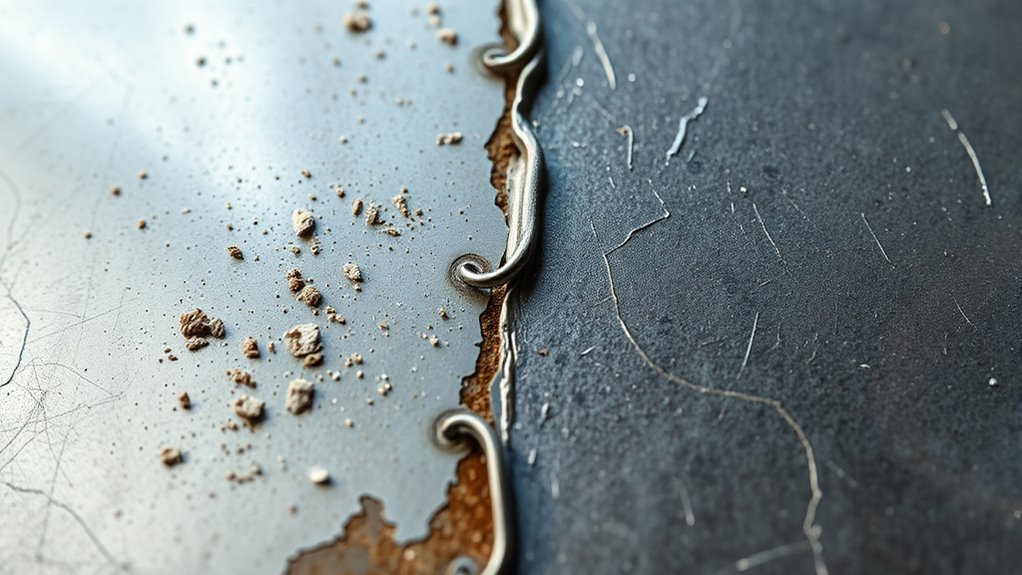
Oil and grease residues can create a barrier that prevents the glue from adhering properly. Dust and dirt particles can also weaken bonds by trapping air or moisture. To make certain of a strong connection, you need to remove these contaminants thoroughly before applying adhesive. Incorporating proper surface cleaning techniques can further enhance adhesion and ensure a lasting bond. Additionally, understanding the traits of effective quality assurance can help identify potential issues early in the preparation process. Implementing proper surface preparation methods is essential for achieving optimal bonding results and avoiding costly rework. Recognizing surface contaminants and their impact on adhesion is crucial for success.
Oil and Grease Residues
Have you ever wondered why your glue doesn’t hold? Oil and grease residues are silent saboteurs that prevent proper adhesion. These contaminants form a barrier that disrupts chemical reactions essential for bonding. To understand their impact:
- They create a slick surface, reducing material compatibility.
- They block glue from penetrating, weakening the bond.
- They interfere with chemical reactions necessary for strong adhesion.
- They often go unnoticed, causing stubborn failures over time. Surface contamination can be difficult to detect but is a common cause of bonding issues. Using proper cleaning techniques can help eliminate these residues effectively.
Removing these residues is vital, as even tiny traces can sabotage your project. Proper cleaning ensures your adhesive can chemically react and bond effectively. Without addressing oil and grease, no surface prep will guarantee a lasting bond, no matter how good your glue is. Effective surface preparation is a key step in achieving durable adhesion. Additionally, using appropriate cleaning methods can further enhance the effectiveness of your surface prep.
Dust and Dirt Particles
Ever wonder why your glue sometimes fails to hold? Dust and dirt particles are common surface contaminants that sabotage your bonding process. These tiny particles settle into surface porosity, creating barriers that prevent proper adhesion. Even a thin layer of dust can appreciably weaken the bond, especially if the surface isn’t thoroughly cleaned. Moreover, dust can interfere with chemical compatibility, disrupting the interaction between the adhesive and substrate. When dust remains, it reduces the effective contact area, leading to weak spots and eventual failure. To guarantee a strong bond, always remove dust and dirt thoroughly before applying glue. Proper surface prep not only improves adhesion but also assures that your glue can perform at its best, avoiding costly rework or failures down the line. Additionally, understanding the significance of surface preparation can help prevent bond failure by ensuring all contaminants are eliminated before application. Recognizing the role of cleaning methods can further enhance the effectiveness of your bonding process. Being aware of wiring basics can also prevent electrical issues that might compromise the integrity of your projects. Regularly inspecting and maintaining your tools can help prevent dust buildup that could transfer onto surfaces during assembly. Incorporating proper cleaning techniques can further optimize your surface readiness and bonding strength.
The Importance of Cleaning and Drying Surfaces Properly

Proper cleaning and drying are essential steps in ensuring a strong, durable bond when using glue. Without proper prep, surface contaminants can hinder adhesion mechanisms and promote surface oxidation, weakening the bond. To maximize adhesion, consider these steps:
- Remove grease, oils, and dirt that can block chemical bonding.
- Use appropriate cleaning agents suited for your surfaces.
- Ensure complete drying to prevent moisture from interfering with adhesion.
- Avoid touching surfaces after cleaning to prevent introducing oils or dirt.
- Incorporate surface preparation techniques to enhance bonding strength and longevity. Additionally, understanding surface chemistry can help you select the most effective cleaning methods for different materials. Recognizing the chemical properties of adhesives can also guide you in choosing compatible cleaning agents. Employing proper surface cleaning methods reduces the risk of contamination and ensures optimal adhesion. Being aware of contamination prevention strategies further supports achieving a reliable bond.
Neglecting these steps can lead to poor adhesion, as contaminants interfere with chemical bonds. Proper cleaning and drying create a clean surface, allowing the glue to form a solid, lasting bond by optimizing adhesion mechanisms and minimizing surface oxidation.
Choosing the Right Surface Preparation Techniques for Different Materials
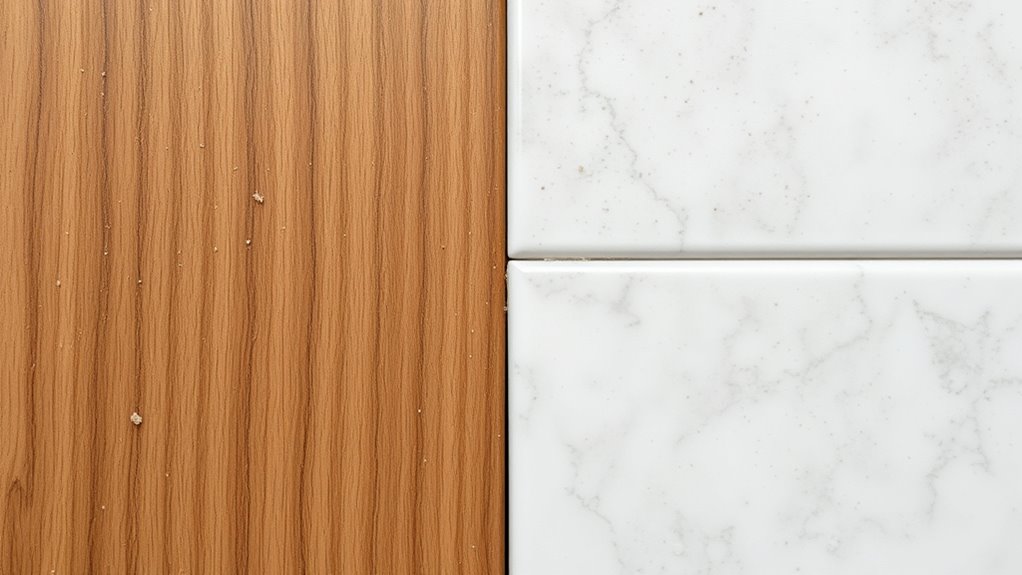
Selecting the appropriate surface preparation techniques depends on the specific material you’re working with, as different surfaces respond best to tailored methods. Understanding adhesion science helps you choose effective bonding techniques that create strong, durable bonds. For metals, abrasive cleaning or chemical etching can improve adhesion by increasing surface energy. Plastics often require solvent wiping or specific primers to enhance bonding. Wood surfaces benefit from sanding to create a clean, textured surface, but avoid over-sanding. Glass may need cleaning with alcohol or etching for better adhesion. Knowing these distinctions ensures you select techniques that optimize surface energy and cleanliness, reducing the risk of glue failure. Properly preparing each material with the right methods is vital for achieving reliable, long-lasting bonds. Surface energy modification techniques can further enhance adhesion by improving the material’s receptiveness to glue.
The Role of Surface Roughness and Texture in Bond Strength
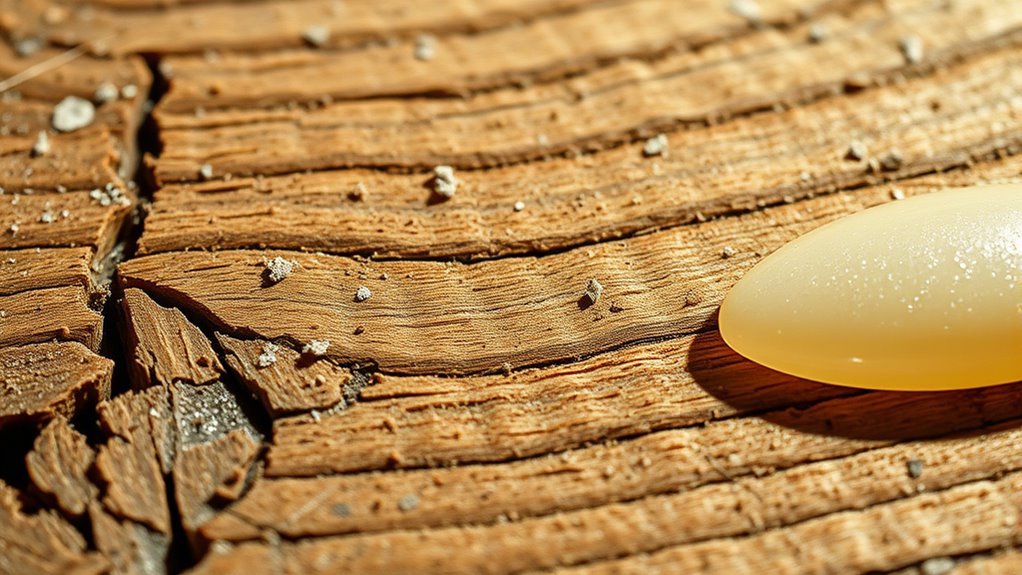
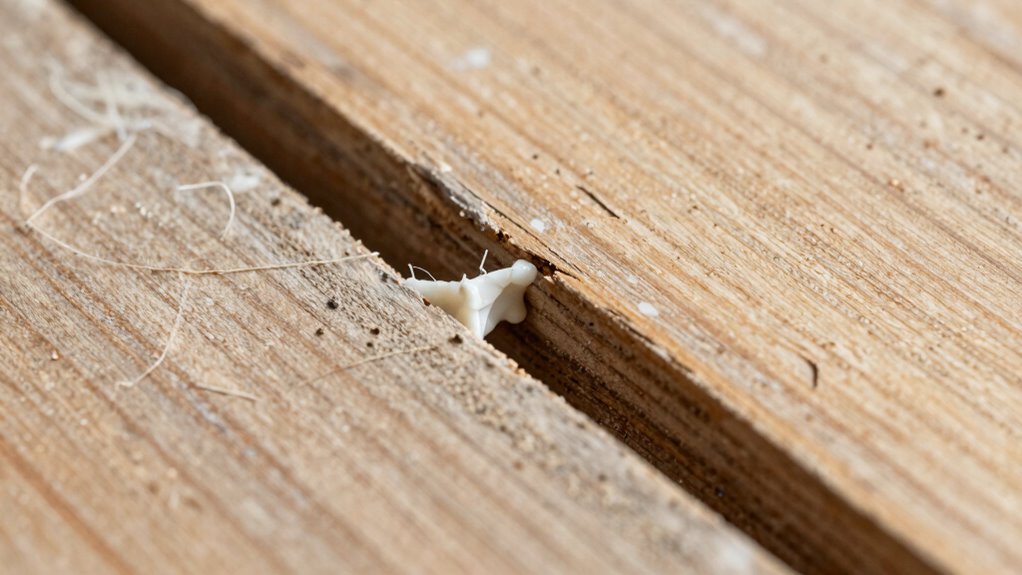
Surface roughness and texture play a critical role in determining bond strength because they directly influence how well adhesive molecules can penetrate and grip the material. When your surface has the right texture variation, it creates more contact points, enhancing adhesion. Consider these factors:
- Increased surface area from roughness improves mechanical interlocking.
- Fine texture variation helps adhesive flow into microscopic crevices.
- Too much roughness can create weak points or trap air.
- Proper surface roughness balances adhesion and ease of application.
Tips for Ensuring Optimal Surface Readiness Before Gluing
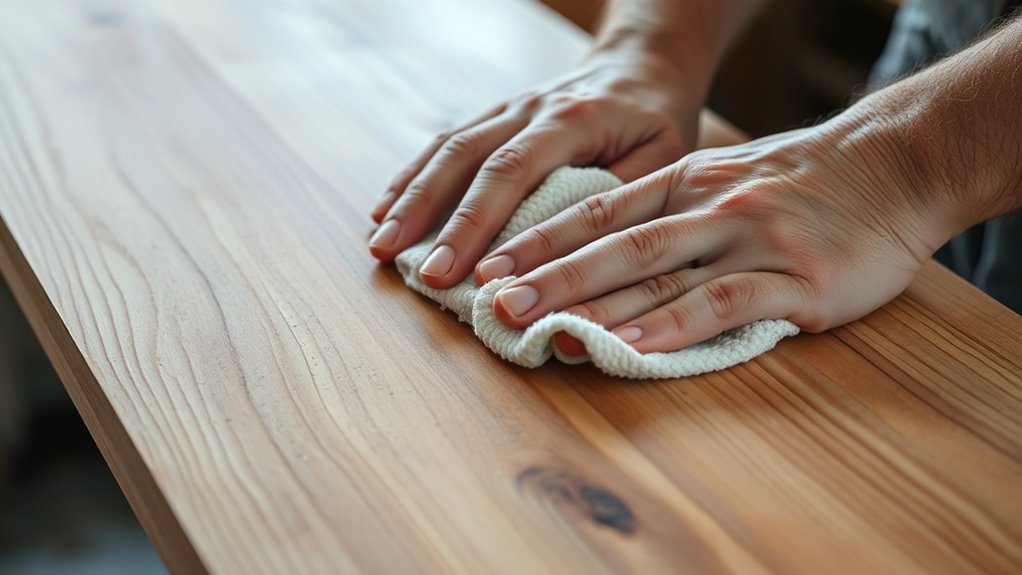
To guarantee a strong bond, you need to prepare the surface properly. Start by thoroughly cleaning it to remove dirt, grease, or dust that could weaken adhesion. Then, select the appropriate primer to improve surface compatibility and maximize glue performance.
Clean Surface Thoroughly
Have you ever wondered why your glue fails to hold? The answer often lies in not cleaning the surface properly. To guarantee ideal surface readiness, follow these steps:
- Remove dust and debris with a lint-free cloth to prevent contaminants.
- Use a suitable solvent—like isopropyl alcohol—to eliminate oils and grease.
- Check for residue or old adhesive, scraping if necessary for a fresh surface.
- Allow the surface to dry completely, ensuring no moisture remains.
Thorough cleaning boosts adhesive compatibility and enhances surface longevity. When surfaces are free of dirt and oils, the glue bonds more effectively, reducing failure risks. Proper cleaning creates a solid foundation, making your adhesion last longer and perform better.
Choose the Right Primer
Choosing the right primer is essential for ensuring your glue bonds effectively, especially on challenging or non-porous surfaces. Before applying the primer, perform adhesion testing to confirm compatibility with your materials. Proper primer application creates a strong, uniform surface that enhances adhesion and prevents failures. Always follow the manufacturer’s instructions for applying the primer, including drying times and surface preparation. Skipping or misapplying primer can lead to poor bonding, so take the time to select the appropriate type for your project. Remember, thorough surface prep combined with correct primer application creates an ideal foundation for your glue, increasing durability and strength. Investing in the right primer now saves you from headaches and repairs later, making your bonding process more reliable.
Frequently Asked Questions
How Can I Test if a Surface Is Properly Prepared for Gluing?
To test if a surface is properly prepared for gluing, perform a simple prep assessment technique. Lightly scratch the surface with a clean blade or use a tack cloth to remove dust. Then, try to peel a small area of the adhesive. If it sticks firmly without lifting or peeling, your surface has good adhesion potential. This quick test helps you identify and address any adhesion challenges before proceeding with your project.
Does Temperature Affect Surface Prep Effectiveness?
Temperature fluctuations can substantially impact surface prep effectiveness because they influence adhesive curing. When it’s too cold or hot, surfaces may not prepare properly, causing poor bonding. You should work within the recommended temperature range for your adhesive, ensuring consistent conditions during application. Proper temperature control helps surfaces bond better, preventing glue failure and ensuring a durable, long-lasting connection. Always check your adhesive’s temperature guidelines for ideal results.
Are There Eco-Friendly Surface Preparation Methods Available?
You can absolutely find eco-friendly surface prep methods that blow traditional options out of the water! Biodegradable cleaners break down faster than you can blink, making cleanup a breeze without harming the planet. Natural abrasives like baking soda or crushed walnut shells scrub surfaces gently yet effectively, leaving no harmful residues behind. Embrace these green options, and you’ll be saving the environment while preparing your surfaces perfectly—it’s like doing good while doing great!
How Long Should Surfaces Dry After Cleaning Before Gluing?
You should wait at least 30 minutes for surfaces to dry after cleaning before gluing. The drying time allows surface moisture to evaporate completely, ensuring a strong bond. Rushing this step can cause glue failure, as residual moisture weakens adhesion. To be safe, check the surface for dryness—no dampness or sheen—before applying glue. Proper drying time is essential for ideal surface prep and lasting results.
Can Surface Preparation Techniques Vary for Different Adhesive Types?
Like choosing a trusty steed, your surface prep varies with the adhesive you pick. You need to take into account adhesive compatibility and guarantee surface cleanliness, as some glues demand rougher textures while others prefer smooth, clean surfaces. For example, epoxy needs a meticulously cleaned and slightly rough surface, whereas super glue works best with dry, oil-free, and smooth surfaces. Always check the manufacturer’s instructions to match prep techniques to your adhesive’s needs.
Conclusion
Remember, proper surface prep is the secret to strong, lasting bonds—like a sturdy foundation keeps a building safe. By cleaning, drying, and choosing the right techniques, you set the stage for success. Don’t overlook these steps, or your glue might fail just like a house built on shaky ground. Make surface prep your top priority, and you’ll enjoy bonds that hold tight and last long. Your projects will thank you for it!