
To make your jewelry feel more expensive, focus on adding nuanced textures like engraving, matte finishes, or hammered surfaces. Combining these techniques creates contrast and depth, elevating the piece’s visual and tactile richness. Using layered textures, such as engraved patterns on matte backgrounds, adds sophistication and a handcrafted feel. Playing with surface manipulation techniques can also enhance perceived quality. Keep exploring these methods to reveal even more ways to craft luxurious, high-end jewelry.

Get business pricing on tools and workshop supplies
- Business-only prices and quantity discounts
- Tax-exempt purchasing
- Multiple users, one account, clear invoices
Key Takeaways
- Incorporate engraved patterns or intricate details to add depth and craftsmanship to the jewelry surface.
- Use matte finishes to create a sophisticated, understated elegance that conceals wear and enhances tactile appeal.
- Combine contrasting textures, such as smooth and textured areas, to create visual interest and perceived luxury.
- Experiment with surface manipulation techniques like hammering or etching to add unique, handcrafted character.
- Layer different textures to evoke a modern yet timeless aesthetic, emphasizing meticulous craftsmanship.

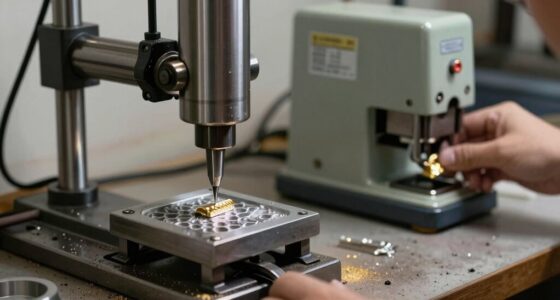
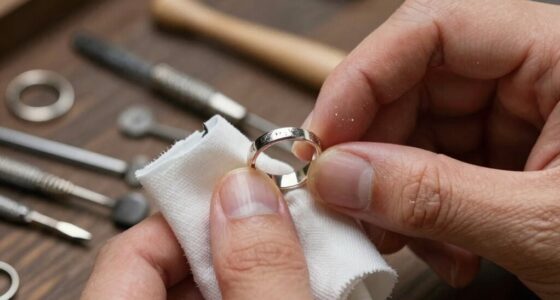
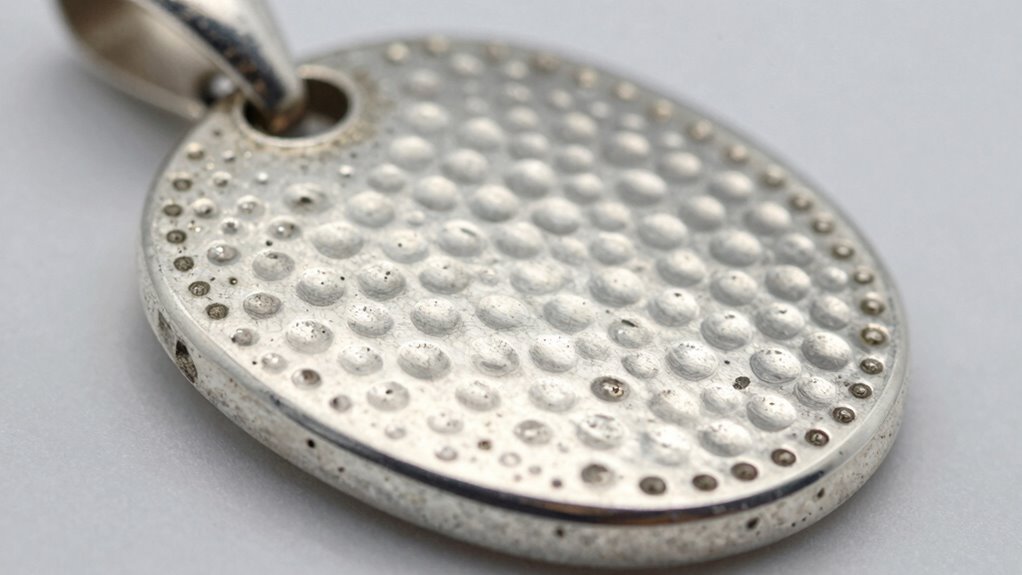
When it comes to elevating the look of your jewelry, texture plays an essential role in creating a sense of luxury without the need for costly materials. The right textures can transform simple pieces into elegant accessories that feel more expensive and sophisticated. One of the most effective ways to add richness is through engraving techniques. Intricate patterns, delicate lines, or even subtle initials engraved onto a surface can give your jewelry a handcrafted feel that exudes exclusivity. You don’t need to go overboard; even simple geometric or floral engravings can make a significant difference. These techniques create depth and visual interest, making your jewelry stand out and appear more refined.
Engraving adds depth and elegance, transforming simple jewelry into handcrafted, luxurious-looking pieces.
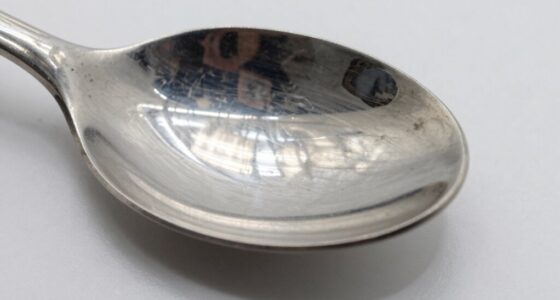
Another powerful approach is incorporating matte finishes into your designs. Unlike shiny or polished surfaces, matte finishes provide a muted, soft texture that communicates understated elegance. When you opt for a matte treatment on a ring, pendant, or bracelet, it creates a tactile experience that feels more substantial and luxurious. Matte finishes hide fingerprints and scratches better, which helps maintain a pristine appearance over time. They also serve as an excellent backdrop for other textured elements, such as engraved details or hammered surfaces. Combining matte finishes with engraved accents can produce a layered look that feels both modern and timeless, elevating the perceived value of your jewelry.
Using a combination of engraving techniques and matte finishes allows you to play with contrast. For example, you might engrave a delicate pattern onto a matte surface, creating a subtle interplay between smooth and textured. This contrast draws the eye and adds complexity, making your jewelry appear more thoughtfully crafted. When you focus on these textures, you communicate quality and attention to detail—key factors that influence how expensive your jewelry feels. It’s not just about the materials but how you manipulate their surface qualities to evoke luxury. Understanding surface textures and how they impact perception can help you make better design choices that elevate your jewelry’s overall look and feel. Incorporating surface manipulation techniques can further enhance the tactile and visual appeal of your pieces. Exploring the different ways surface treatments can add depth and character is essential for creating truly luxurious jewelry. Additionally, experimenting with various texture combinations can unlock unique and personalized designs that elevate your craftsmanship.
As an affiliate, we earn on qualifying purchases.
Frequently Asked Questions
Can Texture Techniques Be Applied to All Types of Jewelry?
Yes, texture techniques can be applied to all types of jewelry. You can enhance surface patterns and create artistic finishes on rings, necklaces, earrings, and bracelets. Experimenting with different textures adds depth and sophistication, making each piece unique. Whether you prefer a hammered, matte, or engraved look, applying various surface patterns transforms ordinary jewelry into stunning, luxurious accessories, appealing to diverse styles and preferences.
What Tools Are Best for Creating Textured Jewelry Surfaces?
Think of your tools as the artisans’ brushes—metal stamping and hammering techniques are your best options. A steel stamping block and a variety of stamps create intricate patterns, while different hammers—ball-peen, chasing, or textured hammers—add varied surface textures. These tools help you craft unique, textured jewelry surfaces that look expensive and refined, making your pieces stand out with professional finesse.
How Does Texture Influence the Durability of Jewelry?
Texture can impact your jewelry’s durability by influencing how surface oxidation and corrosion resistance develop over time. You might notice textured surfaces trap moisture or dirt, which can accelerate oxidation or corrosion if not properly sealed or maintained. Using appropriate protective coatings or treatments can enhance corrosion resistance, helping your jewelry stay beautiful longer. Carefully selecting and applying textures guarantees durability while adding visual interest without compromising strength.
Are There Specific Textures That Appear More Luxurious?
When it comes to luxury textures, certain finishes instantly catch the eye. You’ll find that high-polish, mirror-like surfaces exude opulence, while matte textures add understated elegance. Intricate engraved or hammered patterns also scream luxury, making jewelry feel more expensive. These luxurious textures, paired with opulent finishes, create a rich visual experience. So, don’t judge a book by its cover, but with jewelry, texture speaks volumes and elevates the piece.
How Can I Restore Textured Jewelry That Has Lost Its Finish?
To restore textured jewelry that’s lost its finish, start with gentle cleaning using a soft brush and mild soap to remove dirt. For deeper restoration, consider professional polishing or electroplating to bring back the original texture and shine. Use finishing tips like applying a protective coating or wax for longevity. These restoration techniques help revive the jewelry’s luxurious feel, making it look new while preserving its textured design.
As an affiliate, we earn on qualifying purchases.
Conclusion
By incorporating rich textures into your jewelry, you’re painting a canvas that whispers luxury and sophistication. Think of texture as the intricate lace on a gown or the carved patterns on a treasure chest—each detail adds depth and allure. When you play with different finishes and patterns, you turn simple pieces into visual symphonies that catch the eye and stir the soul. Embrace texture, and watch your jewelry transform into treasured works of art that feel as valuable as they look.
As an affiliate, we earn on qualifying purchases.
layered textured jewelry supplies
As an affiliate, we earn on qualifying purchases.
As an affiliate, we earn on qualifying purchases.
Halloween Picks
halloween
As an affiliate, we earn on qualifying purchases.