“Nickel-free” jewelry is often labeled as hypoallergenic, but it’s not always completely free of nickel; thresholds and materials vary. While some pieces use safe metals like titanium, niobium, or sterling silver, coatings can wear off, exposing hidden nickel. Manufacturing processes may introduce tiny amounts of allergens, making it tricky to tell which jewelry is truly safe. To protect sensitive skin, it’s best to look for certifications and trusted brands—if you want to go further, there’s more to uncover about what really makes jewelry safe.

Get business pricing on tools and workshop supplies
- Business-only prices and quantity discounts
- Tax-exempt purchasing
- Multiple users, one account, clear invoices
Key Takeaways
- “Nickel-free” labels vary; they may still contain trace amounts of nickel or allergens depending on thresholds and testing standards.
- Reputable jewelry often uses hypoallergenic metals like titanium, niobium, or solid gold, reducing allergy risks.
- Surface coatings and plating can wear over time, exposing underlying nickel or allergens despite initial “nickel-free” claims.
- Manufacturing processes and alloy impurities can introduce hidden nickel or allergens, making surface appearance unreliable.
- Verifying certifications and conducting patch tests help ensure jewelry is truly safe for sensitive skin.
As an affiliate, we earn on qualifying purchases.
What Does “Nickel-Free” Really Mean?
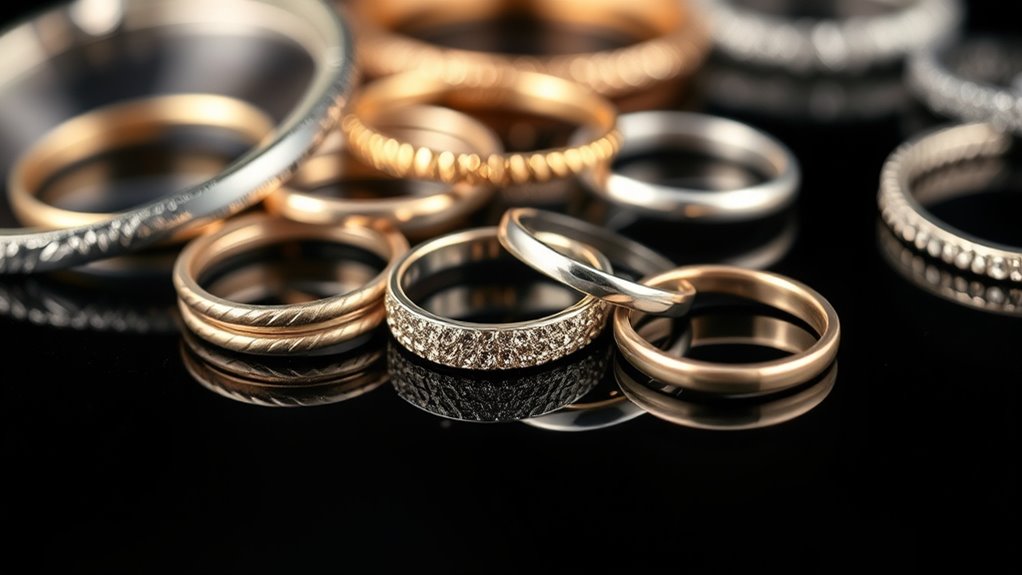
What does “nickel-free” really mean when it comes to jewelry? It indicates that the piece contains little to no nickel, a common allergen responsible for nickel allergies. Jewelry safety is a primary concern for many, especially if you have sensitive skin or a history of allergic reactions. When jewelry is labeled nickel-free, manufacturers aim to reduce the risk of irritation and allergic responses. However, it’s important to know that “nickel-free” doesn’t always mean completely nickel-free; sometimes, it simply means the nickel content is below a certain threshold. Understanding this helps you make informed choices, minimizing the chance of allergic reactions and ensuring your jewelry is safe for everyday wear. Always check product labels and seek reputable brands committed to jewelry safety. Additionally, testing methods can help verify a jewelry piece’s nickel content for added peace of mind.
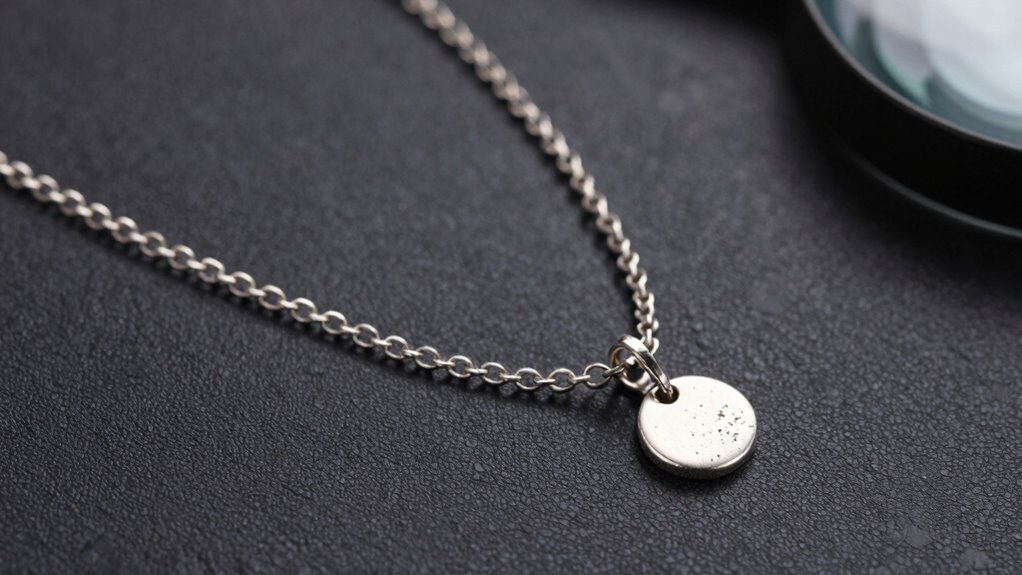
nickel-free sterling silver rings
As an affiliate, we earn on qualifying purchases.
As an affiliate, we earn on qualifying purchases.
Common Materials Used in “Nickel-Free” Jewelry
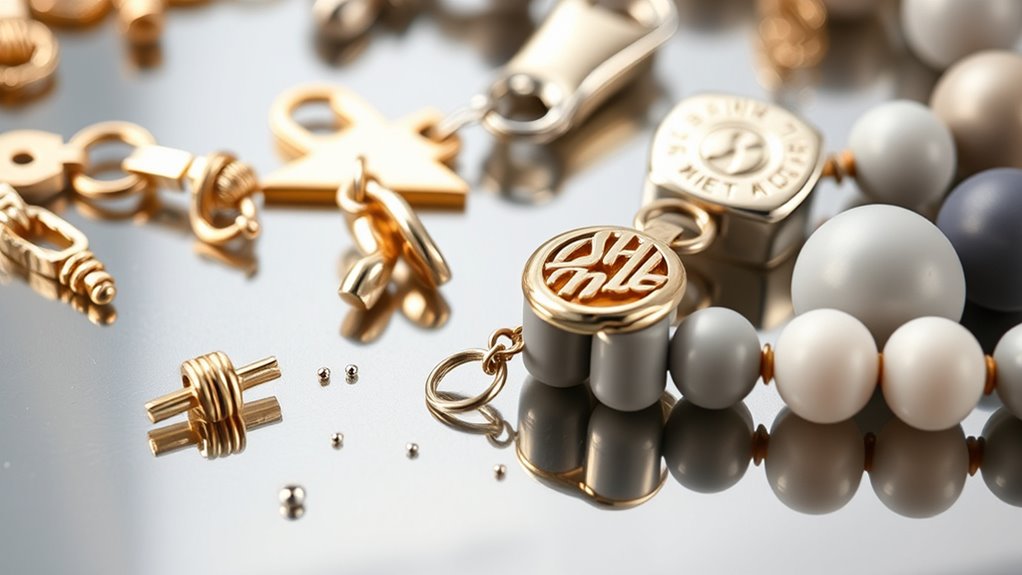
When choosing nickel-free jewelry, understanding the materials used can help you find safe and comfortable options. Many pieces are made from hypoallergenic metals like surgical stainless steel, titanium, or niobium, which naturally have minimal allergic reactions. These metals often boast hypoallergenic properties, making them suitable for sensitive skin. Some jewelry features metal plating—such as gold or rhodium—applied over base metals to create a stylish look while reducing allergic risk. Keep in mind that plated jewelry can wear over time, exposing the base metal, so choosing high-quality plating is vital. Solid metals like sterling silver or platinum are also popular for their hypoallergenic qualities. Knowing what materials are used guarantees you select jewelry that’s both safe and comfortable for everyday wear. Material composition plays a crucial role in determining jewelry’s hypoallergenic nature and overall safety. Additionally, being aware of allergic reactions can help you avoid adverse skin responses associated with certain metals. Moreover, metal allergies can develop over time, so monitoring skin reactions is essential for long-term comfort.
solid gold hypoallergenic earrings
As an affiliate, we earn on qualifying purchases.
As an affiliate, we earn on qualifying purchases.
Hidden Sources of Nickel and Other Allergens
You might be surprised to find nickel hiding in coatings or surface treatments that seem safe. Contaminated manufacturing processes can introduce traces of nickel into jewelry, even if it’s labeled nickel-free. Additionally, alloy mixtures often contain small amounts of nickel or other allergens you may not notice at first glance. Using airless paint sprayers as an analogy, the application process can sometimes distribute hidden residues or contaminants that aren’t immediately visible, underscoring the importance of thorough material testing. Furthermore, material composition analysis can help identify these hidden allergens before jewelry reaches consumers. Being aware of allergen sources is crucial for individuals with sensitivities to avoid adverse reactions, especially since allergic reactions can be triggered by minute quantities of certain metals. Recognizing potential contamination risks in manufacturing is essential for ensuring jewelry safety for sensitive individuals.
Hidden Nickel in Coatings
Have you ever wondered why some jewelry labeled as “nickel-free” still causes allergic reactions? The answer often lies in hidden nickel in coatings. These coatings can be thin, but their coating durability varies, allowing tiny nickel particles to leach out over time. Sometimes, manufacturers use coatings to create color variations or improve appearance, but these layers may crack or wear off, exposing underlying nickel. Here’s a quick look at common coating issues:
| Coating Type | Durability | Effect on Nickel Exposure |
|---|---|---|
| Epoxy | High | Less nickel leaching |
| Paints | Moderate | Potential exposure if worn |
| Plating | Varies | Can crack, exposing nickel |
Even with “nickel-free” labels, coatings can hide nickel, risking allergic reactions. Additionally, Free Floating coatings may degrade unexpectedly, increasing the likelihood of allergen exposure over time. Coating durability can vary significantly depending on the material and wear conditions, impacting the potential for nickel exposure.
Contaminated Manufacturing Processes
Manufacturing processes can introduce hidden sources of nickel and other allergens into jewelry, even if the final product is labeled “nickel-free.” Manufacturing contamination occurs when equipment, molds, or raw materials carry trace metals that transfer onto the jewelry during production. Alloy impurities, present in raw materials or recycled metals, can also contribute unwanted nickel residues. These hidden sources are often overlooked because they aren’t obvious in the finished piece. If manufacturing contamination isn’t carefully controlled, nickel can leach out when you wear the jewelry, causing allergic reactions. Even with strict labeling, trace amounts of nickel from alloy impurities or contaminated machinery can remain in the final product, making it essential to scrutinize production practices to truly avoid allergenic exposure. Contamination control plays a crucial role in preventing unintended allergen transfer during manufacturing. Proper cleaning procedures and quality checks are vital to minimize residual contaminants and ensure product safety. Additionally, trace metal testing can help identify hidden contaminants before jewelry reaches consumers. Implementing comprehensive manufacturing quality standards is key to reducing the risk of allergen contamination throughout the production process.
Alloy Mixtures and Traces
Even trace amounts of nickel can hide within alloy mixtures, making it difficult to identify allergenic risks just by inspection. Alloy composition varies, and small traces of nickel or other allergens can be present without obvious signs. To detect these hidden sources, metal trace analysis is essential. Here’s what to consider:
- Hidden Nickel: Small amounts can be embedded in alloys labeled as “nickel-free.” Alloy composition variability can further obscure allergen presence.
- Alloy Complexity: Multiple metals in an alloy increase the chance of allergen traces.
- Trace Detection: Metal trace analysis reveals minute allergenic elements often missed visually.
- Trace Variability: Composition can differ between batches, affecting allergenic potential.
- Regulatory Standards: Strict testing protocols help ensure that jewelry meets safety guidelines and reduces allergen risks, especially in allergen testing protocols.
Furthermore, standardized testing methods are crucial for consistency across different manufacturers and products.
Additionally, sustainable materials in eco-friendly jewelry manufacturing can reduce the risk of allergen exposure by avoiding certain alloys. Incorporating advanced metallurgical analysis techniques can further improve detection accuracy and safety.
Understanding alloy composition and conducting thorough analysis helps uncover these hidden allergen sources and better protects sensitive skin.
niobium jewelry for sensitive skin
As an affiliate, we earn on qualifying purchases.
As an affiliate, we earn on qualifying purchases.
How to Identify Genuine Nickel-Free Pieces
To guarantee your jewelry is truly nickel-free, start by reading the material labels carefully. Look for certification marks that verify the piece’s nickel-free status. Additionally, conduct a simple patch test to confirm it doesn’t cause any skin reactions. Be aware that some materials labeled as “nickel-free” may still contain trace amounts, so understanding product labeling can help you identify authentic products. Another helpful tip is to research the manufacturer’s reputation and reviews to ensure they adhere to strict material standards for nickel content.
Check Material Labels Carefully
Checking material labels carefully is one of the most reliable ways to identify genuine nickel-free jewelry. Labels often specify the materials used, helping you avoid false claims. Look for:
- Precious metals like sterling silver, gold, or platinum, which are naturally nickel-free or plated.
- Clear descriptions indicating “nickel-free” or “hypoallergenic,” especially on jewelry made from synthetic gemstones.
- Labels that specify the metal’s purity, such as “14k gold” or “925 sterling silver.”
- Any mention of coatings or platings that prevent nickel exposure, especially on jewelry with synthetic gemstones.
Always scrutinize labels, as reputable brands are transparent about materials. This assures you’re purchasing genuine nickel-free jewelry and reduces allergic reactions.
Look for Certification Marks
Certification marks serve as a reliable way to verify that jewelry truly meets nickel-free standards. When shopping, look for official certification marks stamped or engraved on the jewelry or its packaging. These marks provide quality assurance, indicating that the piece has been tested and approved by reputable standards organizations. Genuine nickel-free jewelry often bears symbols such as the CE mark or specific certification logos from recognized agencies. Keep in mind that these marks are designed to ensure transparency and trustworthiness. By checking for certification marks, you can confidently distinguish authentic nickel-free pieces from imposters or misleading labels. Always verify the credibility of the certification to ensure the jewelry meets strict safety and quality assurance criteria.
Conduct Patch Test
Wondering if a piece of jewelry is truly nickel-free? Conducting a patch test helps verify material safety and identify potential nickel allergies. To perform an allergy testing at home:
- Clean the jewelry and a small area of your skin with alcohol.
- Place a small piece of the jewelry on your skin, such as behind your ear or on your wrist.
- Cover it with a bandage and leave it for 48 hours.
- Remove the bandage and check for redness, itching, or swelling.
If you experience any irritation, it’s best to avoid wearing that jewelry. This simple patch test provides insight into whether a piece is genuinely nickel-free, safeguarding your skin and health. Always consult a dermatologist for thorough allergy testing if needed.
The Risks of Alternative Metals in Jewelry
Although alternative metals are often promoted as safer options for jewelry, they can still pose health risks. Some people develop a metal allergy, causing skin irritation or rash after wearing jewelry made from these materials. Metals like cobalt, chromium, or certain alloys may trigger allergic reactions, especially if you haven’t undergone allergy testing. Even if a metal is labeled as nickel-free, it doesn’t mean it’s completely safe for everyone. You might unknowingly be sensitive to other components in the alloy. It’s essential to be aware of your allergy history and consult with a healthcare professional before trying new jewelry. Recognizing the risks of alternative metals helps you make informed choices and avoid uncomfortable or harmful reactions.
Tips for Choosing Safe Jewelry for Sensitive Skin
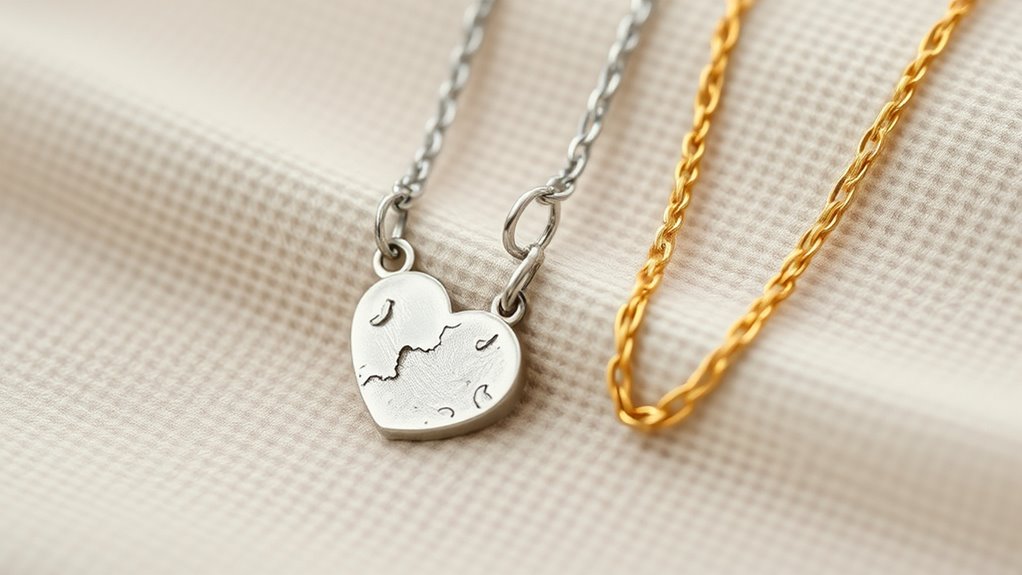
If you have sensitive skin, choosing jewelry that won’t cause irritation requires careful attention. To stay stylish while protecting your skin, consider these tips:
- Look for hypoallergenic materials like surgical steel, titanium, or niobium.
- Keep up with fashion trends that favor minimal or natural jewelry styles, reducing skin contact.
- Always remove jewelry before swimming or showering to prevent corrosion and skin reactions.
- Practice proper jewelry care by cleaning your pieces regularly and storing them properly to avoid tarnish and irritation.
The Importance of Certification and Transparency

Choosing jewelry that’s safe for sensitive skin involves more than just selecting hypoallergenic alternatives; it also means knowing exactly what’s in the pieces you wear. Certification and transparency in jewelry manufacturing give you confidence that the materials used are safe and truly hypoallergenic. Reputable brands often provide detailed information about their sourcing and testing processes, ensuring no hidden nickel or irritants are present. When jewelry manufacturers share certification details, it helps you make informed decisions and avoid allergic reactions. Look for labels from independent testing organizations or standards that verify nickel-free claims. This transparency not only protects your skin but also supports ethical and safe jewelry practices. Prioritizing certified, transparent brands ensures your jewelry truly aligns with your health and safety needs.
Frequently Asked Questions
Are All “Nickel-Free” Labels Legally Regulated?
Not all “nickel-free” labels are legally regulated, so you should be cautious. Regulation standards for jewelry labeling vary by country, and some brands might not guarantee labeling accuracy. It’s essential to check for reputable certifications or test results before trusting a “nickel-free” claim. This way, you protect yourself from potential allergic reactions and ensure you’re getting jewelry that truly meets your needs.
Do “Nickel-Free” Jewelry Pieces Last as Long as Regular Ones?
You might wonder if nickel-free jewelry holds up over time. While some believe it’s less durable, the truth depends on material quality. High-quality nickel-free pieces can last just as long as regular jewelry, but lower-grade options may face durability concerns, like tarnishing or breaking. Always check the material details, because choosing well-made nickel-free jewelry guarantees longevity, giving you confidence in your stylish, skin-friendly accessories.
Can “Nickel-Free” Jewelry Cause Allergic Reactions Over Time?
Yes, “nickel-free” jewelry can still cause allergic reactions over time, especially if you have a nickel allergy or skin sensitivity. Some materials labeled as nickel-free may contain trace amounts of nickel or other irritants that can trigger reactions after prolonged wear. Always choose high-quality, certified nickel-free jewelry and monitor your skin for any signs of irritation, as sensitivities can develop or worsen with continuous contact.
Are There Eco-Friendly Options for Nickel-Free Jewelry?
Yes, you can find eco-friendly nickel-free jewelry made from sustainable sourcing and plant-based materials. Look for brands that prioritize environmentally conscious practices, such as using recycled metals or biodegradable components. These options reduce environmental impact and are gentle on your skin. By choosing jewelry from responsible sources, you support sustainability and enjoy stylish accessories free from nickel, making your fashion choices both ethical and eco-friendly.
How Do Manufacturing Processes Affect “Nickel-Free” Claims?
Think of manufacturing like a master painter choosing colors; it directly influences your jewelry’s “nickel-free” claim. Processes like coating application and alloy blending determine coating durability and purity. If manufacturing isn’t precise, nickel can sneak in or coatings may chip, undermining claims. So, your jewelry’s quality depends on meticulous processes that guarantee alloy composition stays true and coatings last, giving you genuine nickel-free pieces.
Conclusion
Remember, not all “nickel-free” jewelry is created equal—some hidden dangers can turn your jewelry journey into a nightmare. Always stay vigilant, ask questions, and seek certified pieces to protect your skin and health. The truth about these materials is more complex than it seems, and falling for false labels could lead to relentless allergic reactions. Your skin deserves better—don’t settle for less than transparency and safety in every piece you wear.
Fall Picks
fall essentials
As an affiliate, we earn on qualifying purchases.