A jewelry rolling mill is a tool you use to shape, refine, and add texture to metal, making your pieces more detailed and professional-looking. It helps you create thin sheets, wires, and stamped patterns with precision and consistency. You can work with different metals like silver, gold, and copper, and adjust the rollers to get your desired thickness or texture. Keep exploring to discover even more ways this versatile tool can boost your jewelry projects.

Get business pricing on tools and workshop supplies
- Business-only prices and quantity discounts
- Tax-exempt purchasing
- Multiple users, one account, clear invoices
Key Takeaways
- Shapes, refines, and textures metal sheets, wires, and stamps with precision.
- Creates detailed impressions and patterns for jewelry designs efficiently.
- Converts round wire into flat strips or sheets for structural or decorative purposes.
- Works with various metals, offering adjustable rollers for desired thickness and texture.
- Enhances jewelry craftsmanship through consistent pressure, control, and versatility.
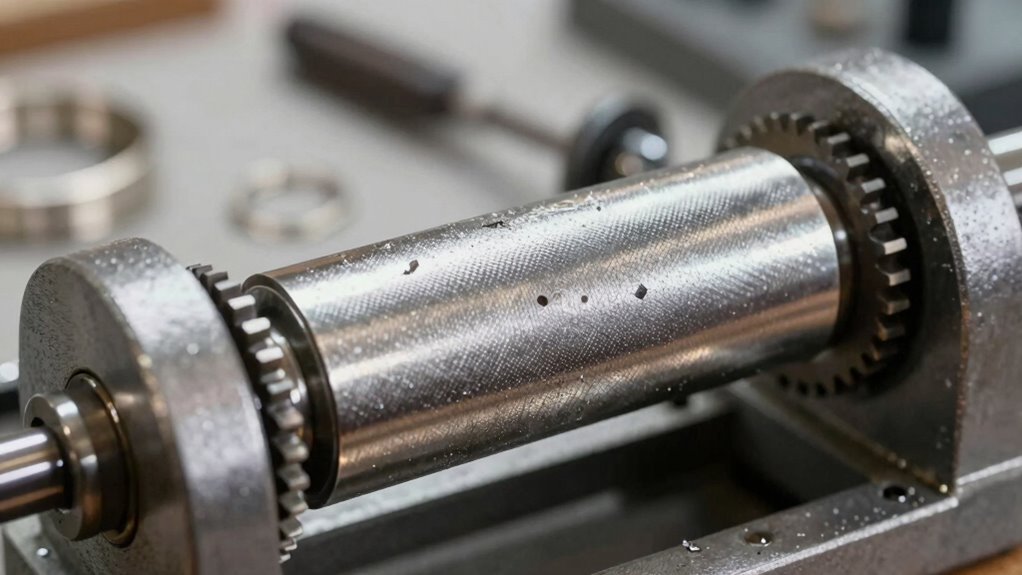
A jewelry rolling mill is a versatile tool that plays an essential role in creating and shaping metal pieces. When you work with metal, having a rolling mill allows you to transform raw materials into refined components with precision. Whether you’re producing textured sheets, thin wires, or detailed metal stamps, this machine is your go-to device. It’s especially valuable for tasks like metal stamping, where you need consistent, detailed impressions on metal surfaces, and wire flattening, which involves reducing wires to specific thicknesses for intricate jewelry designs.
If you’re into metal stamping, a rolling mill simplifies the process tremendously. Instead of manually hammering or pressing your metal, you can place your piece between the rollers and apply pressure to create uniform impressions or patterns. The mill guarantees your stamps are crisp and evenly distributed, saving you time and effort. Plus, it lets you experiment with different textures and designs, knowing that the machine will give you consistent results every time. This consistency is vital when you’re producing multiple pieces or working on detailed, delicate patterns. It also allows for precise control, which is essential for professional-quality results.
Wire flattening is another key function of a jewelry rolling mill. When you need to create flat, uniform strips from round wire, the mill is an efficient solution. You simply feed the wire through the rollers, adjusting the thickness as needed. This process produces smooth, even sheets or strips that are perfect for making pendants, links, or other jewelry components. The ability to control the thickness precisely means you can customize your designs and ensure each piece matches your specifications. Flattened wire also makes soldering and assembly easier because the surfaces are even and stable. Incorporating metalworking techniques enhances the versatility of your jewelry pieces and broadens your creative possibilities. Additionally, understanding metal properties can help you select the right materials and settings for your projects, ensuring durability and quality. Using the correct rolling mill settings can also prevent damage to delicate metals and prolong the lifespan of your equipment.
Beyond these specific uses, a jewelry rolling mill gives you the flexibility to work with a variety of metals, including gold, silver, copper, and more. It’s a fundamental tool that enhances your ability to create detailed, professional-looking jewelry. With consistent pressure and adjustable rollers, you can achieve the desired thickness and texture easily. Whether you’re making thin sheets for intricate designs or flattening wire for structural elements, your rolling mill becomes an indispensable part of your jewelry-making arsenal. Additionally, the metalworking process becomes more efficient and precise, reducing material waste and improving overall craftsmanship. This efficiency can also contribute to more sustainable practices by minimizing excess material use.
In short, a jewelry rolling mill is not just for shaping metal; it’s a versatile instrument that streamlines processes like metal stamping and wire flattening. It offers precision, consistency, and efficiency, empowering you to turn raw metal into beautiful, finished jewelry pieces with confidence.
Popular right now

De'Longhi Linea Classic Espresso Machine with Adjustable Milk Frother

Vitamix Propel Series 750 Professional-Grade Blender, 4 Programs, Black

Roborock RockNeo Q110H Wire-Free Robot Lawn Mower
As an affiliate, we earn on qualifying purchases.
Frequently Asked Questions
Can a Jewelry Rolling Mill Be Used on Non-Metal Materials?
Yes, you can use a jewelry rolling mill on non-metal materials for non-metal applications. It’s great for working with alternative materials like thin sheets of plastic, gold leaf, or even certain clays. Just guarantee the material is suitable for the rollers’ pressure and temperature, and clean the mill thoroughly afterward to avoid contamination. With proper care, your rolling mill becomes a versatile tool for various creative projects beyond metals.
How Do I Choose the Right Rolling Mill Size?
When choosing a rolling mill size, consider your typical material thickness and the compatibility with your projects. For example, if you often work with thin silver sheets, a smaller mill with a 2-inch roller width might suit you best. If you plan to work with thicker gold or larger pieces, opt for a larger mill with wider rollers. Always check your material thickness against the mill’s capacity to guarantee smooth operation.
Is Maintenance Required for a Jewelry Rolling Mill?
Yes, maintenance is crucial for your jewelry rolling mill. You should follow a regular lubrication routine to keep the moving parts smooth and prevent wear and tear. Check for any signs of damage or rust, and clean the surfaces after each use. Proper maintenance guarantees your mill operates efficiently, prolongs its lifespan, and reduces the risk of breakdowns, making your work smoother and more consistent.
Can I Use a Rolling Mill for Stamping or Texturing?
Yes, you can use a rolling mill for stamping and texturing. By applying hammer techniques, you create unique texture patterns on your metal sheets or wires. Place your material between the rollers and adjust the pressure to achieve different effects. Experiment with various textures and patterns by changing the roller settings or using textured plates, allowing you to craft distinctive jewelry designs with intricate surface details.
What Safety Precautions Should I Take When Using a Rolling Mill?
When using a rolling mill, you should always wear safety gear like safety glasses and gloves to protect your eyes and hands. Make certain to handle the mill properly, keeping your fingers clear of moving parts and avoiding excessive pressure that could cause jams or damage. Maintain a clean workspace, and never rush the process. Proper handling and safety gear help prevent accidents and guarantee safe, effective use of your rolling mill.
Conclusion
Think of your jewelry rolling mill as a master sculptor’s chisel, shaping raw material into refined art. With each turn, it whispers secrets of transformation—flattening, texturing, refining—guiding your creative vision into tangible form. Just as a sculptor’s hand brings life to stone, your mill breathes purpose into metal. Embrace this tool as your artistic ally, and watch your ideas emerge polished and perfect, like a masterpiece carved from raw potential.