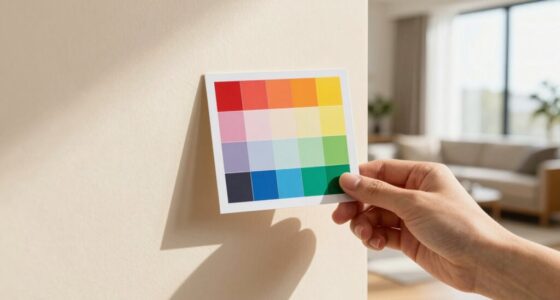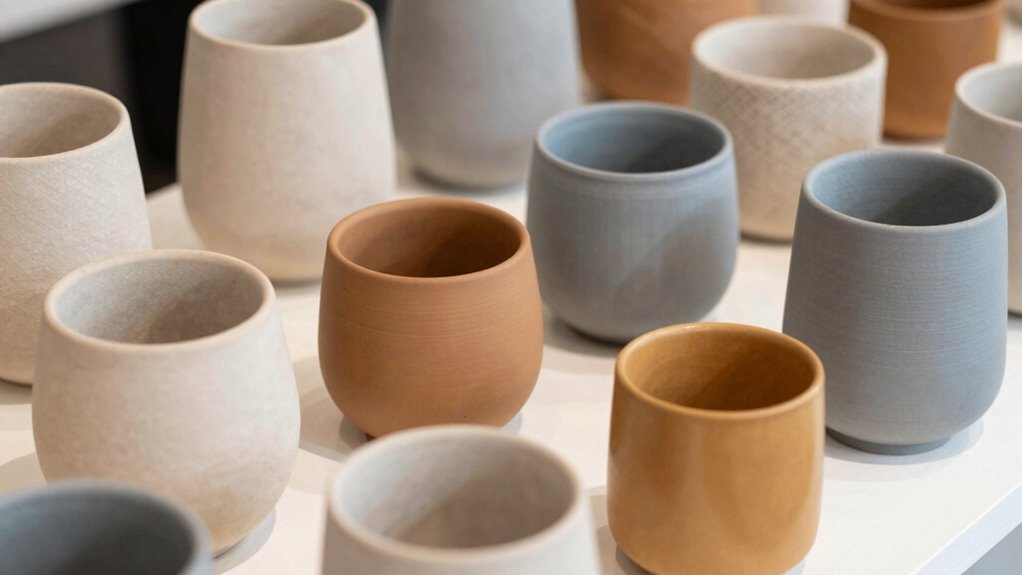

Warm neutrals like beige and caramel create cozy, inviting atmospheres, while cool neutrals such as gray and icy whites offer sleek, modern vibes. Your choice influences the overall mood and how textures like rough-hewn wood or smooth ceramics come to life in your handmade décor. Understanding these differences helps you craft spaces that reflect your desired ambiance and style. Keep exploring to discover how to perfectly balance these neutrals for stunning handcrafted touches.
Key Takeaways
- Warm neutrals create cozy, inviting atmospheres, enhancing tactile textures in handmade décor.
- Cool neutrals promote sleek, modern looks, highlighting smooth surfaces and minimalist craftsmanship.
- The choice between warm and cool neutrals influences the overall mood and harmony with other design elements.
- Warm neutrals often emphasize textured materials like woven textiles and rough ceramics.
- Cool neutrals tend to complement sleek, refined textures, supporting contemporary, minimalist aesthetics.
When choosing handmade décor, understanding the difference between warm and cool neutrals can make all the difference in creating your desired ambiance. These neutrals serve as the foundation of your space, influencing how everything else comes together. Warm neutrals, like beige, caramel, or soft taupe, tend to evoke a cozy, inviting feel. Cool neutrals, such as gray, greige, or icy whites, lean toward a sleek, modern vibe. Recognizing how these shades interact with other elements helps you craft a balanced, harmonious environment.
Color harmony plays an essential role here. Warm neutrals naturally complement earthy tones, rich wood finishes, and gold accents, fostering a comforting atmosphere. Conversely, cool neutrals pair beautifully with stainless steel, glass, and marble, creating a clean, sophisticated aesthetic. When you understand the mood you want to establish, selecting the right neutral becomes a strategic choice. For example, if you’re aiming for a restful, warm retreat, opting for warm neutrals will enhance the sense of comfort. If your goal is a crisp, minimalist space, cool neutrals will serve you better.
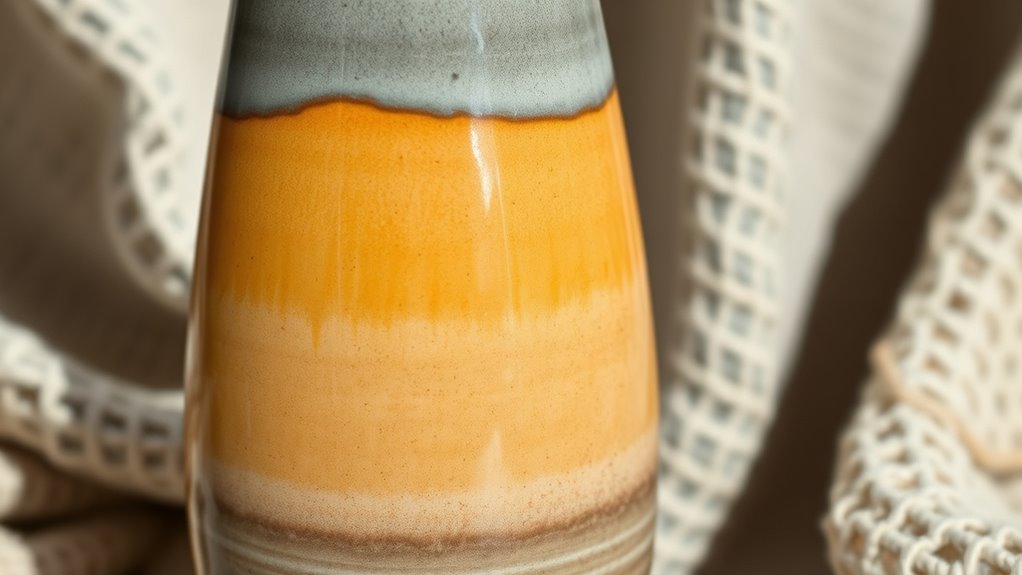
Material textures also markedly influence how neutrals appear and feel in your décor. Handmade items often carry distinctive textures—think rough-hewn wood, woven textiles, or textured ceramics—that add depth and personality. Warm neutrals tend to amplify these textures, emphasizing their tactile qualities and creating a layered, inviting look. For instance, a handcrafted clay vase in a warm taupe can look especially rich with its subtle imperfections and textured surface. On the other hand, cool neutrals tend to smooth out textures, highlighting sleekness and refinement. A handmade, cool gray ceramic bowl may evoke a sense of simplicity and elegance, with the smooth surface drawing attention to its craftsmanship. Understanding energy-efficient cloud servers and sustainable design principles can further enhance your décor choices by integrating eco-friendly materials and practices.
Frequently Asked Questions
How Do I Choose Between Warm and Cool Neutrals for My Space?
You should choose warm or cool neutrals based on your space’s color temperature and desired mood. Warm neutrals create a cozy, inviting atmosphere, while cool neutrals offer a fresh, calming feel. Consider your existing decor and natural light to achieve visual harmony. If your room gets lots of sunlight, cool neutrals might work better, but if it’s darker, warm tones can brighten and warm the space effectively.
Do Warm Neutrals Suit All Interior Design Styles?
Warm neutrals can beautifully bolster boho, farmhouse, and traditional styles, but may not suit minimalist or modern designs. You grasp that neutral color psychology influences ambiance, so choosing the right warmth or coolness matters. Handmade decor trends emphasize personalized, warm touches, yet cool neutrals provide sleek sophistication. Ultimately, your style’s personality guides your choice—warm neutrals suit many spaces but aren’t a universal fit.
Can I Mix Warm and Cool Neutrals Effectively?
Yes, you can mix warm and cool neutrals effectively by understanding neutral color psychology and balancing your handmade décor trends. Use warm neutrals to create cozy, inviting spaces, and cool neutrals for a calm, modern vibe. Incorporate textures and patterns to blend these neutrals seamlessly, ensuring your design feels cohesive. Experiment with different shades to reflect your style, making your space both stylish and harmonious.
Are There Specific Lighting Conditions That Influence Neutral Color Choices?
Yes, lighting conditions greatly influence your neutral color choices. In natural light, warm neutrals can appear more inviting, while cool neutrals stay crisp. Under artificial lighting, warm tones might seem dull or yellowish, so opt for cool neutrals to maintain clarity. Consider your space’s lighting to select the best neutrals, ensuring your décor looks balanced and appealing regardless of whether you’re indoors during the day or night.
How Do Neutrals Affect the Overall Mood of a Room?
Neutrals substantially influence your room’s mood by shaping its overall ambiance. According to color psychology, warm neutrals create a cozy, inviting atmosphere, while cool neutrals evoke calm and serenity. Your choice impacts the emotional impact, making your space feel either energizing or relaxing. Selecting the right neutrals aligns with your desired vibe, helping you craft a room that supports your mood and enhances your daily experience.
Conclusion
Think of warm and cool neutrals as the sun and moon of your décor sky—each casting its own gentle glow. Just like night and day, they balance each other, creating harmony in your space. When you choose between them, you’re guiding your room’s story, shaping its mood like an artist blending colors. Embrace both, and you’ll craft a masterpiece that feels alive—dynamic yet serene, a dance of light and shadow perfectly in tune with your style.