
To respect cultural craft traditions without copy-pasting, approach them with genuine appreciation and humility. Seek out and connect with community artisans or custodians, and listen to their stories to understand the craft’s true significance. Always ask permission before learning or practicing techniques, respecting community boundaries and cultural sovereignty. Share stories thoughtfully, emphasizing their cultural context rather than just aesthetics. By focusing on support and understanding, you help preserve their integrity—there’s more to discover in how to do this respectfully.
Key Takeaways
- Engage directly with cultural artisans and communities to learn authentic techniques and understand their significance.
- Obtain permission and guidance from cultural knowledge holders before practicing or sharing traditional crafts.
- Focus on appreciating the cultural context and stories behind the craft, rather than just its aesthetic or superficial aspects.
- Support and promote authentic sources that preserve and honor the original cultural practices.
- Avoid commercializing or altering traditional elements, respecting community boundaries and cultural sovereignty.
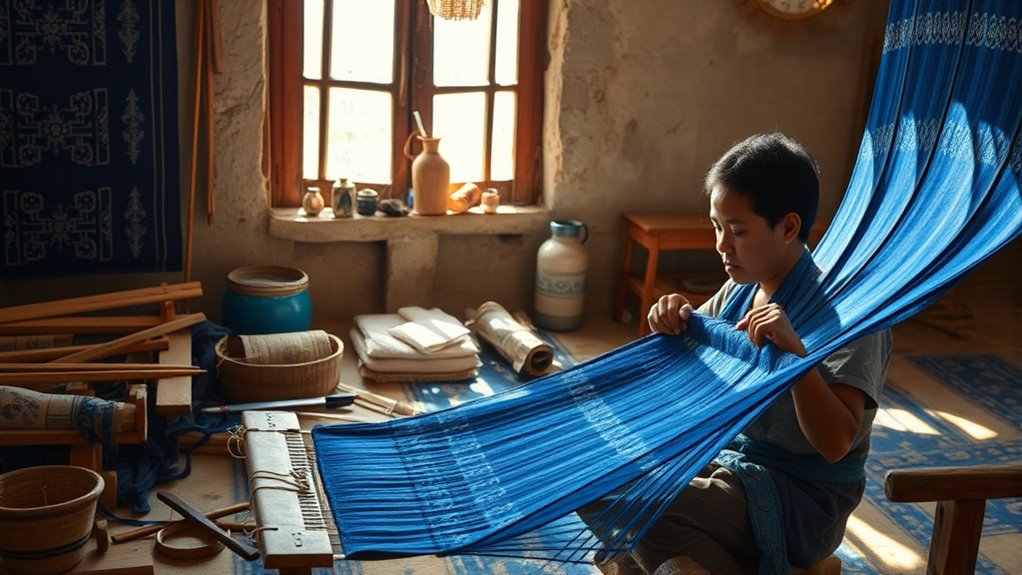
Cultural craft traditions embody the unique histories and identities of communities, and respecting them is essential for preserving their authenticity. When you engage with these traditions, it’s crucial to approach them with genuine respect and understanding. Instead of copying or appropriating, focus on appreciating the cultural authenticity behind each craft. This means recognizing the significance of specific techniques, materials, and symbols that have been passed down through generations. By doing so, you help guarantee that the tradition remains true to its origins and continues to thrive in its original context.
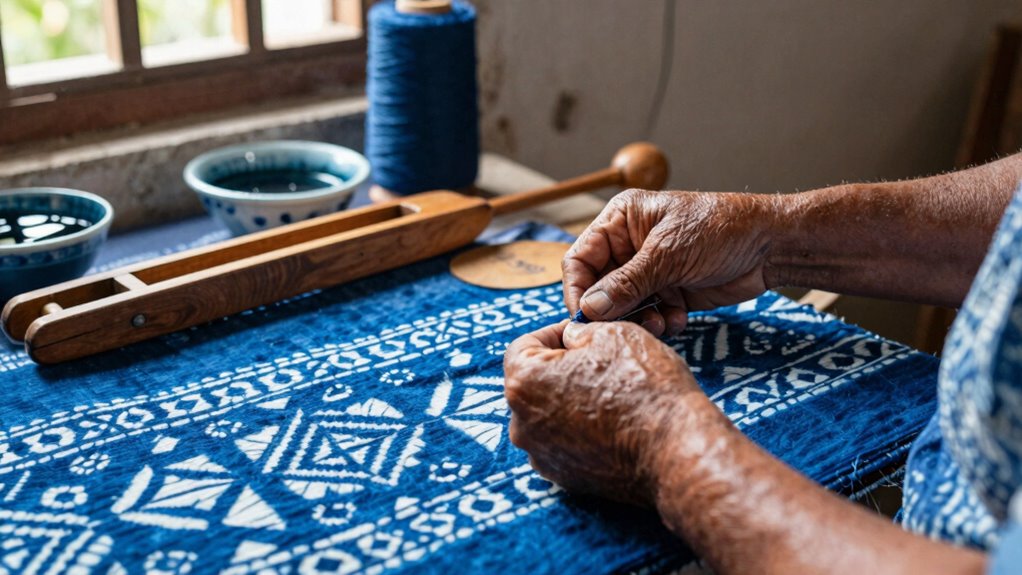
To honor traditional preservation, you should seek out authentic sources or communities involved in the craft. Engage with artisans and cultural custodians who have inherited and maintained these skills. Listening to their stories and learning about the history behind their work allows you to develop a deeper appreciation. Avoid superficial or commercialized versions of the craft that strip away its meaning. Instead, support artisans who are committed to maintaining the integrity of their cultural practices, making sure the craft’s authenticity isn’t compromised for profit or trend.
Support artisans dedicated to preserving cultural integrity and authentic craftsmanship.
Understanding the importance of cultural authenticity also means respecting the boundaries set by the community. Some traditions may have specific rules about who can learn or practice certain techniques, and it’s essential to honor those boundaries. If you’re interested in learning a craft, do so with permission and guidance from those who hold the knowledge. Approaching with humility and a willingness to learn demonstrates your respect for the community’s cultural sovereignty. Remember, your goal isn’t to take the craft out of its cultural context but to celebrate and preserve it in a way that honors its original meaning.
In addition, you can contribute to the preservation of cultural traditions by sharing their stories accurately and thoughtfully. When discussing or displaying craftwork, highlight its cultural significance rather than just its aesthetic qualities. This helps others understand the importance of maintaining cultural authenticity and supports efforts to keep these traditions alive. Avoid stereotypes or misrepresentations that can diminish a community’s cultural identity. Recognizing the importance of cultural preservation can also guide your actions to ensure the continuity of these valuable traditions.
Ultimately, respecting cultural craft traditions without “copy-pasting” involves a commitment to genuine appreciation and support. You’re not just interested in the craft’s beauty but also in its cultural roots and significance. By approaching with mindfulness, supporting authentic sources, and honoring community boundaries, you contribute to the ongoing traditional preservation of these invaluable cultural expressions. Your respect can help guarantee that these traditions continue to flourish, enriching both the community and the wider world.
handmade traditional craft tools
As an affiliate, we earn on qualifying purchases.
As an affiliate, we earn on qualifying purchases.
Frequently Asked Questions
How Can I Learn About Cultural Craft Traditions Ethically?
You can learn about cultural craft traditions ethically by practicing cultural sensitivity and seeking out authentic sources. Visit local artisans or cultural centers, ask questions respectfully, and listen carefully. Guarantee your materials are ethically sourced, supporting fair trade practices. Avoid appropriating designs, and instead, appreciate their significance. By engaging genuinely and respecting origins, you honor the tradition without copying or misrepresenting it.
What Are the Signs of Cultural Appropriation in Crafts?
You’ll notice cultural appropriation signs when crafts echo stereotypes or lack cultural sensitivity, often ignoring their true meaning. Respectful engagement involves understanding the origins and significance behind designs, avoiding commercialized or superficial use. If you see crafts that seem disconnected from their roots or are being used without acknowledgment, it’s a sign to step back and approach with greater respect. Recognizing these signs helps you honor traditions authentically.
How Do I Ensure Respectful Representation of Cultural Symbols?
You guarantee respectful representation of cultural symbols by researching their symbolic significance and understanding their cultural context. You should consult community members or cultural experts to gain insights and avoid misinterpretation. When incorporating symbols, do so with permission and acknowledgment, showing genuine appreciation rather than appropriation. This approach helps honor their true meaning and demonstrates your respect for the culture’s traditions and values.
When Is It Appropriate to Collaborate With Cultural Artisans?
You should collaborate with cultural artisans when there’s genuine cultural exchange and mutual respect. Partner with artisans when they’re open to sharing their craft and willing to engage in artisan partnerships, ensuring their expertise guides the project. Always seek permission, understand their context, and prioritize their voice. Collaborating at appropriate times fosters authentic connections, supporting cultural preservation while avoiding exploitation or misrepresentation.
How Can I Support Sustainable and Authentic Craft Practices?
Want to support sustainable and authentic craft practices? Start by practicing cultural sensitivity and ensuring ethical sourcing. Do your research to understand the origins and significance of the craft, and always collaborate with artisans directly. By paying fair wages and respecting traditional methods, you help preserve the craft’s integrity. Isn’t it more meaningful to foster genuine connections rather than superficial imitation? Your mindful approach makes a real difference.
authentic cultural craft kits
As an affiliate, we earn on qualifying purchases.
As an affiliate, we earn on qualifying purchases.
Conclusion
So, next time you swoop in with your “original” ideas, remember: respecting traditions isn’t about copying and claiming them as your own. Ironically, the best way to honor a craft is to step back, listen, and learn. After all, genuine respect often means knowing when to stay silent—so you don’t turn a beautiful tradition into just another “inspiration.” Truly, the art of respecting isn’t in copying, but in quietly appreciating what already exists.
artisan craft supplies from specific cultures
As an affiliate, we earn on qualifying purchases.
As an affiliate, we earn on qualifying purchases.
traditional craft techniques book
As an affiliate, we earn on qualifying purchases.
As an affiliate, we earn on qualifying purchases.