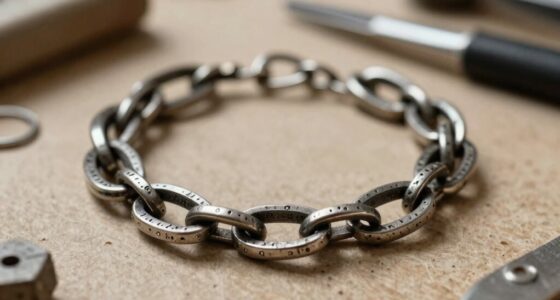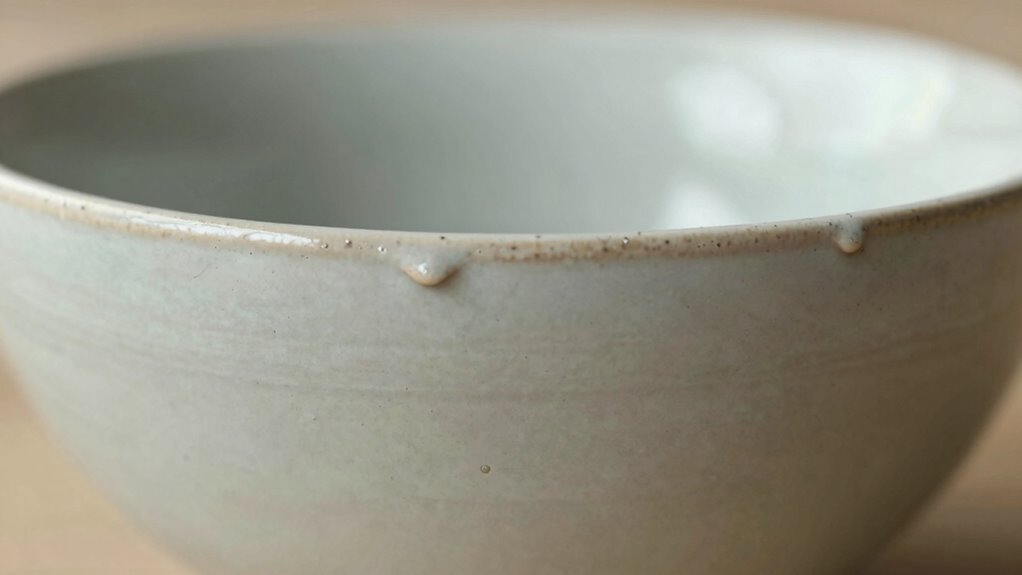

Tiny mistakes in handmade work catch your eye because they break the harmony and reveal details others might overlook. Small errors stand out more than big flaws because they question the craftsmanship’s precision and care. When tiny imperfections appear, they can make your work seem rushed or less polished, even if overall it’s skillful. Paying attention to these subtle details shows your dedication and improves the craftsmanship’s quality. Keep going to discover why these details truly matter.

Get business pricing on tools and workshop supplies
- Business-only prices and quantity discounts
- Tax-exempt purchasing
- Multiple users, one account, clear invoices
Key Takeaways
- Tiny mistakes disrupt overall harmony and highlight craftsmanship, making them more noticeable than larger flaws.
- Small deviations break the illusion of perfection, drawing more attention than obvious, large errors.
- Precision in tiny details reflects skill and care, influencing perceptions of quality and professionalism.
- Minor flaws add character but require careful control to avoid diminishing the work’s aesthetic value.
- Attention to small imperfections demonstrates mastery and authenticity, elevating the perceived effort and artistry.

Have you ever noticed how tiny mistakes in handmade work stand out more than larger flaws? It’s a curious phenomenon, but one that highlights how much we notice craftsmanship precision and the subtle details that differentiate true artistry from ordinary work. When you create by hand, every small imperfection can seem glaring because it clashes with the overall sense of harmony and skill you’re aiming for. These tiny flaws, often considered aesthetic imperfections, tend to attract our attention because they disrupt the smooth flow of craftsmanship, making the work appear less refined than it actually is.
Tiny mistakes in handmade work stand out more than larger flaws, highlighting the importance of craftsmanship precision and subtle details.
You might think that a big flaw—say, a crooked seam or a visible glue spot—would be the most obvious mistake. In reality, it’s often the small details, like uneven stitching or slightly off-center embellishments, that reveal the true level of craftsmanship precision. These minute errors are more noticeable because they break the illusion of perfection you’re *aiming* for in your handmade pieces. When someone examines your work closely, they unconsciously look for signs of mastery, and tiny mistakes can undermine that perception more than noticeable, larger flaws. This is because the eye naturally seeks consistency and harmony, and even a small deviation can seem out of place. Interestingly, this phenomenon can be seen in many fields where precision is valued, such as in airless paint sprayers, where tiny inconsistencies can affect the overall finish. Recognizing these nuances helps you appreciate the importance of detailed craftsmanship across various disciplines.
Your attention to detail matters deeply in handmade work. It’s these tiny imperfections that tell viewers whether you’ve invested your skill and care into each step. If your work shows a slight misalignment or an inconsistent finish, it can diminish the perceived quality, even if the overall piece is well-made. That’s why craftsmanship precision isn’t just about avoiding big errors but also about meticulously managing even the tiniest details. When you focus on perfecting these small elements, the entire piece feels more polished and intentional. Additionally, understanding bank identification details can help you better appreciate the importance of accurate craftsmanship in other fields, emphasizing how precision impacts trust and authenticity. Conversely, ignoring them might make your work seem rushed or careless, regardless of its larger flaws.
Ultimately, it’s about understanding that handmade work isn’t just about the end result but also about the process. Tiny mistakes, when noticed, serve as a reminder that your craft involves a human touch—flaws that add character but also require careful attention. Your goal should be to minimize aesthetic imperfections without losing the authenticity that makes handmade work special. In doing so, you elevate your craftsmanship precision and ensure that every detail reflects the care and skill you put into every piece. Small mistakes matter because they shape how others perceive your artistry—and your dedication to quality. Recognizing how attention to detail influences perception can motivate you to refine your craft continuously.
As an affiliate, we earn on qualifying purchases.
Frequently Asked Questions
How Can Tiny Mistakes Enhance the Charm of Handmade Items?
Tiny mistakes can actually enhance the charm of your handmade items by highlighting their imperfection beauty. These small flaws add a touch of authenticity and showcase your craftsmanship’s unique character. When you embrace imperfections, you create pieces that feel personal and one-of-a-kind. Customers often appreciate these subtle quirks, seeing them as proof of genuine effort and individuality, making your work more memorable and special.
Do Tiny Flaws Affect the Durability of Handmade Products?
Tiny flaws are like tiny cracks in a fortress wall—they might seem minor but can impact durability. These imperfections can compromise the strength if overlooked, making quality control and defect prevention essential. While small mistakes often add character, neglecting them can weaken your handmade product over time. To guarantee longevity, you must identify and fix these tiny flaws early, preserving both charm and structural integrity.
Are There Tools to Identify Small Imperfections in Handmade Work?
Yes, there are tools to identify small imperfections in handmade work. Precision tools like magnifying glasses, loupes, or microscopes help you spot flaws that might be invisible to the naked eye. Flaw detection tools, such as lighted magnifiers or specialized inspection lamps, make it easier to find tiny mistakes. Using these tools guarantees your craftsmanship maintains high quality, and you can fix imperfections before they affect the overall product.
How Do Customers Perceive Minor Imperfections in Handmade Items?
Customers often notice minor imperfections in handmade items more than you might expect, especially when comparing to mass production. They tend to appreciate the uniqueness but can also be more critical if quality control isn’t consistent. Small flaws can impact their perception of your craftsmanship and overall quality. Paying close attention to tiny details helps you maintain high standards, build trust, and distinguish your work from mass-produced products.
Can Fixing Tiny Mistakes Compromise the Handmade Authenticity?
Fixing tiny mistakes can sometimes compromise the authenticity of your handmade work, but it depends on your approach. If you embrace imperfection acceptance, you preserve the unique charm and authenticity of each piece. However, overcorrecting might erase those subtle imperfections that make your work special. Aim for a balance—maintain the authentic feel while gently addressing minor flaws—to guarantee your craftsmanship remains genuine and true to your creative vision.
As an affiliate, we earn on qualifying purchases.
Conclusion
So, next time you’re crafting something, remember—those tiny mistakes you overlook could hold the key to perfection or a hidden flaw. It’s the small details that can make or break your work’s integrity, often in ways you don’t expect. Will you catch every little slip, or let that tiny imperfection slip through? The choice is yours, but one thing’s certain: those tiny mistakes are more powerful than you think. Are you ready to face what they reveal?
embroidery hoop with measurement
As an affiliate, we earn on qualifying purchases.
As an affiliate, we earn on qualifying purchases.
As an affiliate, we earn on qualifying purchases.
Fall yard work Picks
leaf blowers
As an affiliate, we earn on qualifying purchases.