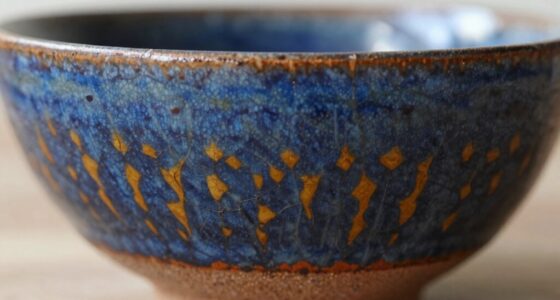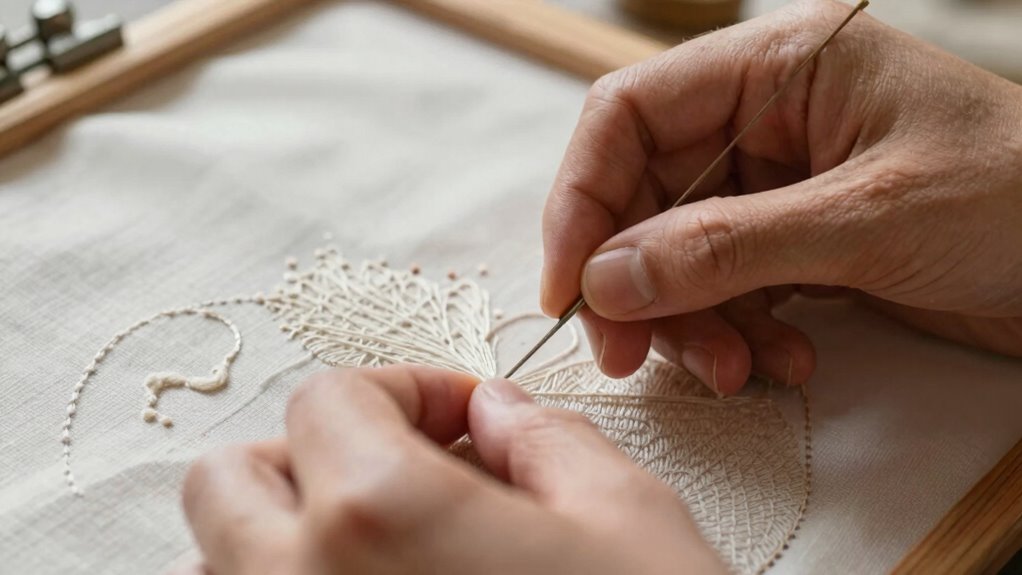

If your handmade work still looks beginner after months of practice, it’s likely because you haven’t fully mastered the fundamental concepts like color theory and proper tool use. These foundational skills are essential for creating polished, professional-looking projects. Without understanding how colors interact or how tools should be handled, your work can appear amateurish despite effort. Keep exploring these core areas, and you’ll discover how improving fundamentals can profoundly elevate your craftsmanship and confidence.
Key Takeaways
- Lack of foundational knowledge in color theory and tool mastery limits the professionalism of your work.
- Focusing solely on techniques without understanding core concepts prevents noticeable improvement.
- Poor color choices and unrefined technique choices hinder achieving a polished, mature look.
- Rushing projects without mastering fundamental principles results in consistent beginner-level outcomes.
- Developing intuitive skills in fundamentals accelerates growth and transforms your handmade work into professional-quality pieces.
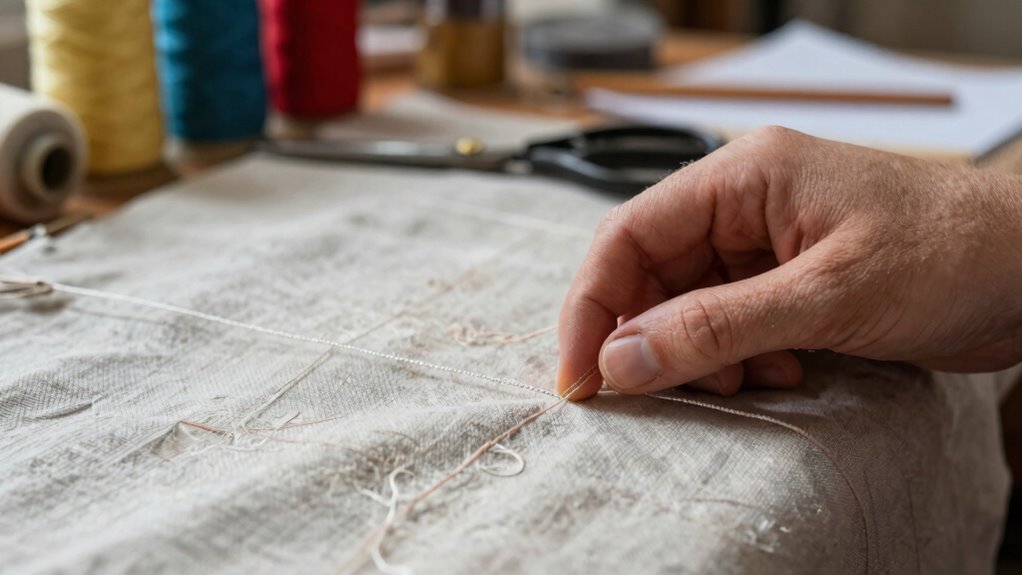
Even after months of practice, your handmade work might still look beginner-level, and it can be frustrating to see little improvement. You might be putting in the hours, trying different techniques, but your projects don’t quite reach the polished look you envision. The truth is, the hidden reason often isn’t a lack of effort but a gap in understanding fundamental concepts like color theory and tool mastery. These elements are the backbone of professional-looking crafts, yet they’re frequently overlooked in favor of just practicing the techniques.
Color theory is more than just choosing pretty colors; it’s about understanding how hues interact and influence each other. When you don’t have a solid grasp of color relationships—such as complementary, analogous, or triadic schemes—you might accidentally create work that feels off or unbalanced. For example, pairing colors that clash or fail to evoke the desired mood can make your piece look amateurish, regardless of your skill level. Learning how to apply color theory helps you pick harmonious palettes instinctively, elevating your work from basic to visually appealing. Developing an intuitive sense of color relationships can dramatically improve your design choices and overall aesthetic.
Mastering color relationships transforms your work from amateurish to professionally appealing.
Tool mastery is equally essential. Even if you’ve learned various techniques, if you don’t understand your tools well—whether it’s brushes, scissors, or sewing machines—you’ll struggle to execute your ideas cleanly and efficiently. Using a tool incorrectly can lead to uneven strokes, frayed edges, or inconsistent stitches. Instead of focusing solely on the end result, spend time understanding the nuances of each tool you use. Practice controlling pressure, speed, and angles until the tool becomes an extension of your hand. This mastery allows you to work more smoothly, reducing mistakes and improving the overall finish.
Another common mistake is rushing through projects without truly understanding the processes behind them. Skill isn’t just about copying techniques; it’s about internalizing the principles that make those techniques effective. When you invest time in studying color theory and tool mastery, you develop a deeper awareness of how and why certain methods work. This knowledge speeds up your learning curve and helps you troubleshoot issues as they arise. Developing a solid foundation in these core areas can significantly accelerate your progress and elevate your craftsmanship. Remember, mastery of fundamental concepts is what transforms mere practice into genuine skill development.
Ultimately, your work’s appearance reflects not just your effort but your comprehension of these core concepts. Improving your understanding of color theory and honing your tool mastery will give your projects a professional polish that no amount of trial and error alone can achieve. Keep learning, practicing with intention, and you’ll start seeing your handmade work grow in confidence and quality.
color theory for artists
As an affiliate, we earn on qualifying purchases.
As an affiliate, we earn on qualifying purchases.
Frequently Asked Questions
How Do I Identify My Specific Beginner Mistakes?
To identify your beginner mistakes, focus on technique consistency and observe where your work feels unsteady or uneven. Compare your projects to tutorials or professional work to spot differences. Embrace creative exploration to try new methods, but be mindful of recurring issues. Keep a journal of challenges you face, and review your progress regularly. This approach helps you spot specific areas for improvement and develop a clearer understanding of your skill gaps.
Can Lack of Proper Tools Affect My Progress?
Think of your tools as your artistic compass—poor-quality tools or limited equipment variety can steer your craftsmanship off course, stalling progress. When you lack proper tools, every cut or stitch feels like fighting against the grain, making your work look uneven and amateurish. Upgrading to better-quality tools and expanding your equipment variety reveals smoother techniques, allowing your skills to blossom and your handmade pieces to truly shine with professionalism.
Should I Follow Tutorials Exactly or Adapt My Style?
You should adapt tutorials to fit your style, embracing creative exploration instead of copying exactly. While tutorials offer valuable techniques, customizing them helps develop your unique voice and skills. Experiment with different approaches, tweak steps to suit your vision, and learn through practice. This active process boosts your confidence, refines your technique, and ultimately moves your handmade work beyond the beginner stage, making it authentically yours.
How Important Is Taking Breaks During Practice?
Taking breaks during practice is essential. You should incorporate mindful pauses to give your mind and hands a chance to reset, preventing frustration and burnout. These breaks promote creative rejuvenation, helping you approach your work with fresh eyes and renewed energy. By stepping away briefly, you’ll notice new ideas and improved techniques emerge, ultimately making your handmade work look less beginner and more refined over time.
When Should I Seek Feedback From Others?
You should seek feedback from others, like peer critique or constructive criticism, when you feel stuck or want to improve specific skills. Don’t wait too long; getting fresh perspectives early helps you identify weaknesses and refine your work. Share your progress regularly, especially after completing a piece or trying new techniques. Embracing feedback keeps you motivated and accelerates your growth, making your handmade work look more polished over time.
professional sewing machine
As an affiliate, we earn on qualifying purchases.
As an affiliate, we earn on qualifying purchases.
Conclusion
Even after months of practice, your handmade work might still look “beginner.” The key is understanding that skill development isn’t just about repetition but about refining your technique and learning from each mistake. Did you know that it takes approximately 10,000 hours to master a craft? That’s why patience and deliberate practice matter. Keep pushing forward, and remember, every mistake is a step closer to mastery. Your best work is still ahead of you!
artistic brush set
As an affiliate, we earn on qualifying purchases.
As an affiliate, we earn on qualifying purchases.
crafting tools for beginners
As an affiliate, we earn on qualifying purchases.
As an affiliate, we earn on qualifying purchases.