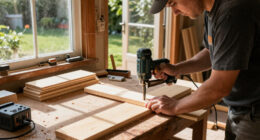
Start by mastering foundational techniques like selecting quality materials and maintaining your tools, as this builds a strong base for your craft. Next, focus on core skills such as measuring, cutting, or sewing to develop precision and consistency. Once comfortable, explore your personal style and experiment with new methods, troubleshooting along the way. Keeping steady progress and continuous learning will help you grow. Stay tuned, as there’s much more to uncover on this skill ladder.

Get business pricing on tools and workshop supplies
- Business-only prices and quantity discounts
- Tax-exempt purchasing
- Multiple users, one account, clear invoices
Key Takeaways
- Start with foundational techniques like material selection and tool maintenance to build a strong base.
- Practice core technical skills such as measuring and cutting to develop precision and consistency.
- Move on to experimenting with personal style and innovative methods to express creativity.
- Focus on continuous learning through deliberate practice, feedback, and troubleshooting for ongoing growth.
- Incorporate workflow optimization and material handling knowledge to enhance efficiency and craftsmanship quality.

Have you ever wondered how to systematically improve your craftsmanship? The key lies in understanding the craft skill ladder—building your skills step by step, from foundational techniques to more advanced mastery. The first level is all about establishing a solid base, and that starts with mastering material selection and tool maintenance. When you know how to choose the right materials, you guarantee your work is durable and of high quality. Whether you’re working with wood, metal, or fabric, understanding the properties and suitability of different materials helps you make informed decisions. This knowledge prevents costly mistakes and sets the stage for better craftsmanship. Equally important is tool maintenance; sharp, well-maintained tools make your work easier and more precise. Learning to care for your tools—cleaning, sharpening, and storing them properly—preserves their effectiveness and extends their lifespan. By prioritizing these fundamentals early on, you reduce frustration and improve your overall efficiency. Additionally, understanding kitchen appliance reviews can help you select the best tools for your craft and ensure you have reliable equipment to support your skill development. Incorporating proper storage techniques for your tools and materials further enhances your workflow and keeps everything in optimal condition. Developing a knowledge of material properties also aids in choosing suitable materials and avoiding issues during the project. Gaining familiarity with material handling techniques can further improve your ability to work efficiently and safely with different materials. Moreover, familiarizing yourself with common crafting mistakes can help you recognize and avoid pitfalls that hinder progress.
Once you’ve grasped these basics, the next step is mastering core techniques related to your craft. This involves practicing essential skills, such as accurate measuring, cutting, or sewing, depending on your discipline. Developing precision and consistency in these tasks creates a reliable foundation for more complex projects. At this stage, you start to recognize patterns in your work, identifying areas for improvement and refining your technique through deliberate practice. As you become more comfortable, you’ll notice that your projects become cleaner, faster, and more professional-looking. This level is about translating your understanding of materials and tools into tangible results, building confidence with each project.
The third level is where you begin to innovate and develop your personal style. With a firm grasp of fundamentals and technical skills, you can experiment with new methods, combine techniques, and push your creative boundaries. This stage often involves troubleshooting issues, adapting techniques to different projects, and seeking feedback to elevate your work. It’s also the time to deepen your knowledge—learning advanced techniques, exploring new materials, or even teaching others. At this point, your craftsmanship isn’t just about following instructions but about expressing your unique voice through your work. Progression along the craft skill ladder requires patience, continuous learning, and a willingness to refine every aspect of your process. By moving thoughtfully through each level, you ensure steady growth, making each project an opportunity to sharpen your skills and deepen your mastery.
woodworking tool maintenance kit
As an affiliate, we earn on qualifying purchases.
As an affiliate, we earn on qualifying purchases.
Frequently Asked Questions
How Do I Assess My Current Skill Level Accurately?
To assess your current skill level accurately, start with a skill assessment by testing yourself on key tasks related to your craft. Record your results and note areas where you excel or struggle. Use progress tracking to monitor improvements over time, adjusting your practice accordingly. Be honest about your strengths and weaknesses, and seek feedback from others to get a well-rounded view of your abilities.
Can I Skip Levels on the Skill Ladder?
You can’t skip levels on the skill ladder without risking gaps in skill mastery, like building a house on shaky ground. While your learning pace might tempt you to move ahead faster, it’s essential to master each stage thoroughly. Skipping could hinder your overall progress, so focus on solidifying foundational skills before advancing. Embrace the journey, knowing each step prepares you better for the next, ensuring steady, sustainable growth.
How Long Should I Spend on Each Skill Before Progressing?
You should spend enough time on each skill to master the basics before progressing, typically a few weeks to a month, depending on your dedication. Once comfortable, you can explore advanced techniques and diversify your skills. Don’t rush; taking your time guarantees a solid foundation, making it easier to tackle more complex skills later. Balance practice and exploration to steadily build your craft without skipping essential steps.
What Resources Are Best for Beginners in Each Stage?
For skill development at each stage, start with beginner-friendly resources like tutorials, videos, and online courses. Evaluate resources based on clarity, engagement, and relevance to your goals. Look for reputable platforms, reviews, and recommendations from experienced crafters. As you progress, shift to more advanced materials, such as books and expert-led workshops. Consistently assess whether these resources help you build confidence and mastery before moving on.
How Do I Stay Motivated While Climbing the Skill Ladder?
Imagine your skill journey as a mountain climb—staying motivated means finding your summit’s view. Use motivation techniques like celebrating small wins and visualizing success to keep your spirits high. Incorporate skill mastery strategies such as setting clear goals and tracking progress. When challenges arise, remind yourself of the rewarding view at the top. Your perseverance fuels each step, turning every effort into a triumphant ascent toward mastery.
As an affiliate, we earn on qualifying purchases.
Conclusion
By climbing the craft skill ladder step by step, you’ll build confidence and mastery in your chosen craft. Did you know that beginners who focus on mastering foundational skills before advancing are 60% more likely to complete their projects successfully? So, take your time, learn in order, and enjoy each milestone. With patience and persistence, you’ll not only improve but also find true satisfaction in your craft journey. Keep climbing—you’re capable of great things!
As an affiliate, we earn on qualifying purchases.
As an affiliate, we earn on qualifying purchases.
Halloween Picks
halloween
As an affiliate, we earn on qualifying purchases.