
To build an upgrade path for your craft studio without wasting money, start by setting clear priorities based on your current needs and future goals. Choose versatile, modular tools that can be upgraded rather than replaced, and create a phased plan for investments. Stick to a strict budget, focusing on durable core equipment first, then expand gradually. Staying informed about options guarantees you can make smart decisions, and if you keep exploring, you’ll discover more tips to grow efficiently.

Get business pricing on tools and workshop supplies
- Business-only prices and quantity discounts
- Tax-exempt purchasing
- Multiple users, one account, clear invoices
Key Takeaways
- Prioritize versatile, upgradeable equipment with modular features to extend usability and adapt to future needs.
- Set clear budgets for essential tools, upgrades, and materials, avoiding unnecessary expenditures.
- Plan a phased upgrade schedule focusing on immediate priorities and scalable improvements over time.
- Research and compare products for durability, reviews, and total ownership costs before purchasing.
- Regularly review your studio’s growth goals and adjust your upgrade plan to stay aligned with evolving creative needs.
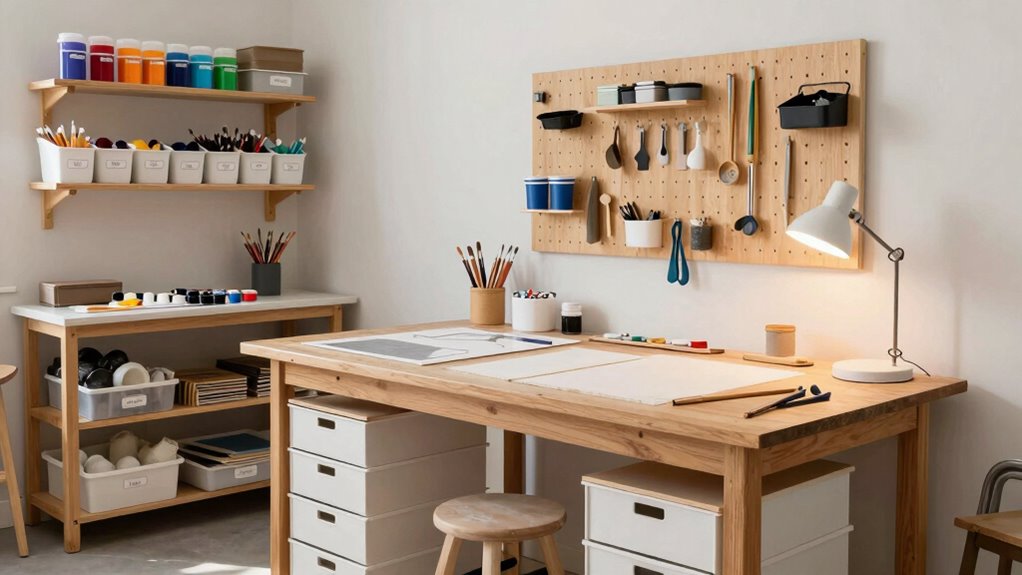
Are you wondering how to grow your craft studio without hitting a dead end? The key lies in thoughtful planning—especially when it comes to equipment selection and budget planning. You need to focus on choosing the right tools that will serve your current needs while allowing room for future upgrades. You need to focus on choosing the right tools that will serve your current needs while allowing room for future upgrades. When selecting equipment, prioritize versatile, high-quality pieces that can handle multiple projects or techniques. For example, instead of buying a single-purpose machine, look for equipment that can adapt as your skills and offerings expand. This approach helps you avoid the trap of constantly replacing gear, which can drain your budget and stall your progress.
Choose versatile, high-quality tools that grow with your craft to save money and prevent constant replacements.
Budget planning is equally essential. You should set clear financial boundaries before making big purchases. Break down your budget into categories like essential equipment, future upgrades, materials, and emergency funds. By doing this, you prevent overspending on items that aren’t immediately necessary and guarantee you have funds allocated for upgrades down the line. A good rule of thumb is to invest initially in core equipment that has long-term durability, then gradually upgrade as your craft evolves and your income grows. Remember, not every shiny new tool needs to be bought right away; sometimes, waiting for a sale or saving up for a higher-quality item pays off in the long run.
When planning for upgrades, consider your workflow and the space you have available. Think about how your equipment can be expanded or improved without cluttering your studio. For example, if you start with a basic cutting machine, look into models that can be upgraded with attachments or accessories later. Keep in mind that equipment with modular features is often more cost-effective in the long term because it allows you to adapt without replacing everything. Always research before making purchases—read reviews, compare prices, and consider the total cost of ownership, including maintenance and potential upgrades. Additionally, staying informed about gadget reviews and tech tips can help you identify reliable equipment options that fit your upgrade plan. Planning for scalability and future-proofing your studio can save you money and time in the long run. Moreover, exploring modular equipment options allows for more flexible and budget-friendly expansion as your skills grow.
Finally, develop a phased approach to upgrading. This means setting priorities—what needs to be upgraded now versus what can wait—and sticking to that plan. By doing so, you make steady progress without overspending or feeling overwhelmed. Your goal is to build a sustainable, adaptable studio that grows with you. Smart equipment selection paired with disciplined budget planning guarantees you won’t waste money, and it keeps your craft studio on a steady upgrade path that supports your creative ambitions. Incorporating long-term planning strategies can further enhance your ability to adapt and grow efficiently.
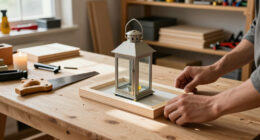
modular craft studio storage solutions
As an affiliate, we earn on qualifying purchases.
As an affiliate, we earn on qualifying purchases.
Frequently Asked Questions
How Do I Prioritize Which Equipment to Upgrade First?
You should prioritize upgrading tools you use most often, ensuring they’re well-maintained for peak performance. Focus on improving storage solutions first, so your workspace stays organized and you can easily access essential equipment. Regular tool maintenance saves money and extends equipment life, making it a smart initial upgrade. By addressing these areas first, you create a solid foundation for gradually upgrading other equipment without wasting money.
What Budget Should I Allocate for Future Upgrades?
You should allocate a flexible budget based on your overall income and upcoming upgrade timing. A good budget strategy involves setting aside a specific percentage of your profits each month, ensuring you’re prepared for future upgrades without overspending. Prioritize upgrades that provide the most value first, and plan for timing by spacing out purchases, so you don’t strain your finances. Regularly review and adjust your budget as your studio grows.
How Can I Upgrade Without Disrupting Current Projects?
To upgrade without disrupting your current projects, carefully plan your improvements. Start by enhancing storage solutions to keep your workspace organized and minimize clutter. Next, focus on lighting improvements to boost visibility without interfering with ongoing work. Schedule upgrades during breaks or off-hours, and use portable or modular solutions to avoid halting progress. This approach guarantees your studio evolves smoothly without sacrificing productivity or existing projects.
Are Used or Refurbished Tools a Good Option?
Used or refurbished tools are a good option because they often have solid tool durability and can considerably cut costs. Refurbished benefits include quality assurance and warranties, giving you reliable equipment without overspending. Just make certain you buy from reputable sources, check for proper functionality, and inspect for any damages. This way, you get durable tools that support your craft studio’s growth without sacrificing quality or breaking the bank.
How Often Should I Revisit and Revise My Upgrade Plan?
You should revisit and revise your upgrade plan every 6 to 12 months. Regularly assess your equipment maintenance needs, guaranteeing tools are functioning efficiently. Use this time to evaluate new technology or products and renegotiate with vendors for better deals. Staying proactive helps you avoid unnecessary expenses, keeps your craft studio updated, and guarantees your upgrade path is aligned with your evolving creative goals and budget constraints.
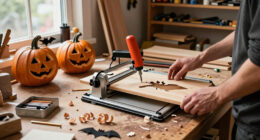
upgradeable craft cutting machine
As an affiliate, we earn on qualifying purchases.
As an affiliate, we earn on qualifying purchases.
Conclusion
Remember, planning your upgrade path is like crafting a delicate piece—each step builds on the last, creating a sturdy foundation. While the initial investment might seem small, neglecting strategic upgrades can lead to costly setbacks later. Think of it as choosing between a quick patch and a lasting solution; your careful, thoughtful approach now saves you money and frustration down the line. In crafting, as in life, quality over haste always pays off.
As an affiliate, we earn on qualifying purchases.
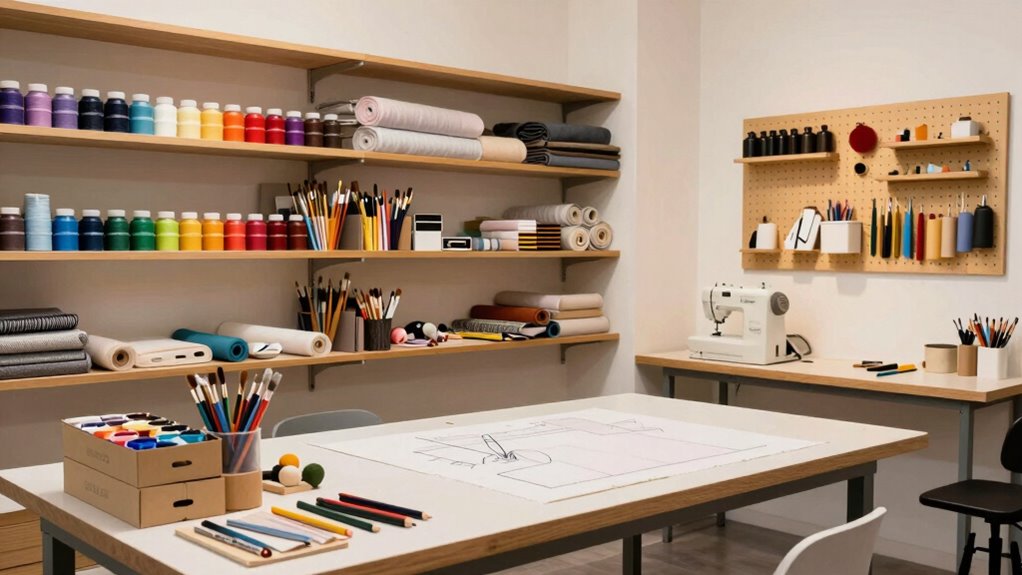
scalable craft workspace furniture
As an affiliate, we earn on qualifying purchases.
As an affiliate, we earn on qualifying purchases.
Fall yard work Picks
leaf blowers
As an affiliate, we earn on qualifying purchases.