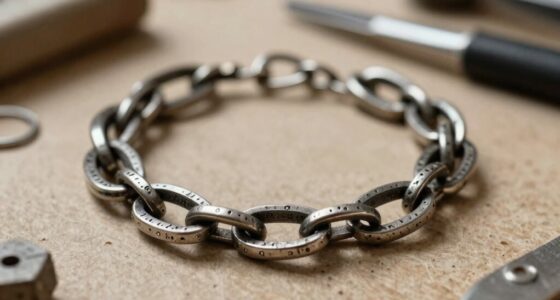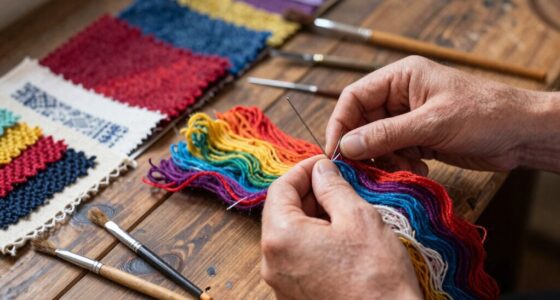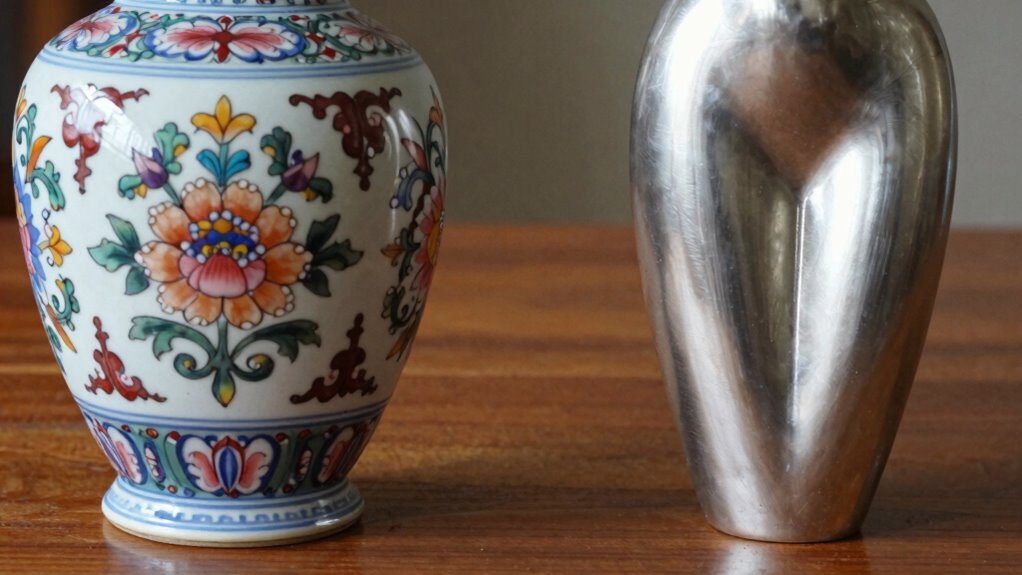

Decorative craft focuses on creating visually appealing objects that often reflect cultural stories or traditions, using accessible materials like ceramics, textiles, or glass. Fine craft, on the other hand, emphasizes technical skill and artistic mastery, often involving rare or high-quality materials like precious metals or fine porcelain. While decorative crafts serve as beautiful, symbolic pieces, fine crafts are valued for their craftsmanship and originality. If you want to explore the key differences further, you’ll find more interesting details ahead.

Get business pricing on tools and workshop supplies
- Business-only prices and quantity discounts
- Tax-exempt purchasing
- Multiple users, one account, clear invoices
Key Takeaways
- Decorative crafts focus on visual appeal and cultural symbolism, while fine crafts emphasize technical skill and artistic mastery.
- Decorative crafts use accessible materials like ceramics and textiles; fine crafts use rare or premium materials.
- Decorative crafts are functional or symbolic, often reflecting tradition; fine crafts are unique art pieces meant for collection.
- Fine crafts demonstrate high craftsmanship and innovation; decorative crafts prioritize aesthetics and cultural storytelling.
- Both preserve cultural heritage but serve different roles: decoration versus high art and craftsmanship.
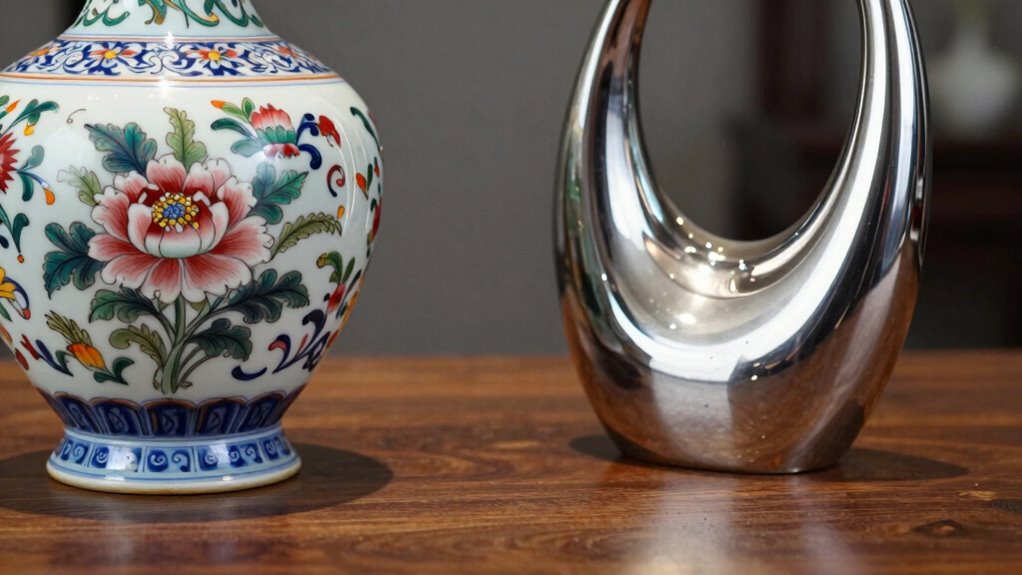
When you compare decorative and fine craft, it becomes clear that their differences go beyond mere aesthetics. Decorative crafts are primarily created to enhance visual appeal and serve as ornaments or accents within a space. They often reflect cultural significance, embodying traditions, symbols, and local craftsmanship that tell a story or preserve a heritage. In contrast, fine crafts are rooted in a pursuit of artistry and technical mastery. They are designed to showcase skill, innovation, and originality, often elevating an object from mere decoration to a piece of fine art.
Decorative crafts focus on visual appeal and cultural storytelling, while fine crafts emphasize technical mastery and artistic innovation.
As you examine decorative crafts, you’ll notice that material selection often emphasizes accessibility and visual impact. These pieces might incorporate vibrant colors, textured surfaces, or reflective qualities to catch the eye. The choice of materials—ceramics, glass, textiles—aims to create an immediate aesthetic effect, sometimes prioritizing tradition or local resources. For example, a decorative bowl might be made from brightly glazed pottery, chosen for its visual vibrancy and cultural resonance, making it a meaningful yet functional object that celebrates a community’s artistic heritage. Additionally, decorative craft often incorporates cultural symbolism, which enhances its cultural value and storytelling aspect. Recognizing the traditional techniques used in decorative craft highlights how artisans preserve cultural identity through their work.
Fine crafts, on the other hand, focus heavily on the quality of materials and the techniques employed. When creating fine craft pieces, artisans select premium or rare materials—exquisite woods, precious metals, fine porcelain—that demonstrate their commitment to excellence. Material choice in fine craft isn’t just about appearance; it’s about durability, purity, and the challenge of working with specific substances. The craftsmanship reflects a mastery that often takes years to develop, with artisans meticulously honing their skills to produce objects that are not only beautiful but also technically impressive.
You’ll find that the intent behind these two types of craft influences their cultural significance as well. Decorative crafts can serve as symbols of identity, tradition, or social status, often handed down through generations. They’re accessible expressions of cultural values, meant to be appreciated by many. Fine crafts, however, tend to transcend daily use, emphasizing uniqueness and artistic expression. They’re often collected, displayed, or regarded as investments, representing the pinnacle of craftsmanship and cultural pride.
Ultimately, understanding the differences between decorative and fine craft helps you appreciate the depth behind each piece. While decorative crafts celebrate cultural storytelling through accessible materials and vibrant designs, fine crafts embody technical mastery and artistic innovation, often using rare or carefully chosen materials to elevate their significance. Both enrich our cultural landscape, but each fulfills a distinct role in how we experience and value craft. Recognizing the importance of cultural heritage in both types of craft enriches our appreciation for the craftsmanship and stories behind each piece.
As an affiliate, we earn on qualifying purchases.
Frequently Asked Questions
Can Decorative Craft Become Fine Craft With Better Materials?
Yes, decorative craft can become fine craft with material innovation and artistic evolution. When you experiment with better materials, your work gains durability, texture, and aesthetic depth, elevating its status. As your skills and creativity grow, your craft evolves into fine art, reflecting more refined techniques and conceptual richness. This transformation depends on your dedication to pushing boundaries and embracing new materials, ultimately elevating your craft to a higher artistic level.
How Does the Price Differ Between Decorative and Fine Crafts?
You’ll find that fine crafts generally command a higher price, reflecting their superior materials and meticulous craftsmanship. In a price comparison, decorative crafts are often more budget-friendly, appealing to casual collectors or home decorators. Your value perception shifts as you recognize that fine crafts offer lasting beauty and artistry, justifying the investment. Ultimately, the price difference underscores the refined skill and quality that elevate fine crafts above decorative ones.
Are Decorative Crafts Considered Less Valuable Than Fine Crafts?
Decorative crafts aren’t necessarily less valuable than fine crafts; their worth depends on their historical significance and cultural influence. You might find decorative pieces that hold deep cultural meanings or historic importance, making them highly valuable. Fine crafts often emphasize expert techniques and rarity, but decorative items can be equally meaningful, especially when they reflect cultural heritage or historical stories you cherish. Both types hold unique value based on their context and significance.
Is the Skill Level Higher for Fine Craft Compared to Decorative Craft?
You’ll find that the skill level for fine craft is generally higher because it requires more technical mastery and precision, emphasizing artistic expression and detailed craftsmanship. Fine crafts often carry greater cultural significance, showcasing traditional techniques and deep artistry. While decorative crafts also demand skill, they might focus more on aesthetic appeal and functionality. Ultimately, both forms celebrate creativity, but fine craft pushes skill boundaries further to elevate artistic achievement.
Can Decorative Crafts Be Functional or Purely Aesthetic?
Ah, the age-old question—decorative crafts can be both functional and purely aesthetic. You’ll find that many pieces showcase artistic expression while serving practical purposes, like beautifully crafted ceramics or intricate jewelry. Their aesthetic appeal elevates everyday objects, blending form and function seamlessly. Whether decorative or functional, these crafts allow you to appreciate craftsmanship and creativity, transforming ordinary items into works of art that delight the eye and serve a purpose.
As an affiliate, we earn on qualifying purchases.
Conclusion
Think of decorative and fine crafts as two sides of the same coin, each shining in its own way. Decorative crafts add sparkle to everyday life, like colorful beads in a necklace, while fine crafts are the rare gems that showcase mastery and skill. Both enrich our world, but understanding their differences helps you appreciate their unique beauty. Just as a garden needs both vibrant flowers and rare orchids, your appreciation deepens when you recognize what makes each craft special.
handcrafted textile wall hangings
As an affiliate, we earn on qualifying purchases.
As an affiliate, we earn on qualifying purchases.
As an affiliate, we earn on qualifying purchases.
Halloween Picks
halloween
As an affiliate, we earn on qualifying purchases.