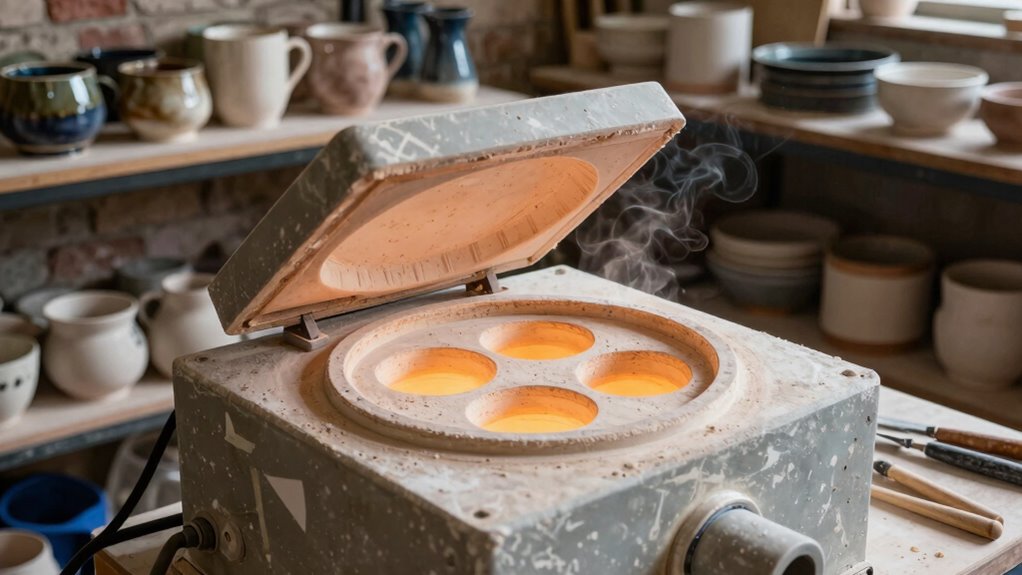

You’re ready for your own kiln when you’ve built strong safety and maintenance habits, gaining confidence through hands-on experience with shared studio kilns. Confirm your workspace is properly scheduled, well-ventilated, and financially prepared for ongoing costs like electricity and repairs. A solid understanding of firing schedules and troubleshooting shows you’re ready to operate independently. Once you’ve checked these boxes, you’re on the right track, and there’s more to discover about making the leap safely.

Get business pricing on tools and workshop supplies
- Business-only prices and quantity discounts
- Tax-exempt purchasing
- Multiple users, one account, clear invoices
Key Takeaways
- You have completed proper kiln training and gained hands-on experience with shared studio kilns.
- You understand safety protocols, maintenance routines, and troubleshooting techniques.
- Your workspace is well-ventilated, compliant with safety regulations, and financially prepared for ongoing costs.
- You feel confident managing firing schedules and addressing technical issues independently.
- You have developed consistent, safe firing practices and built trust in your technical skills.
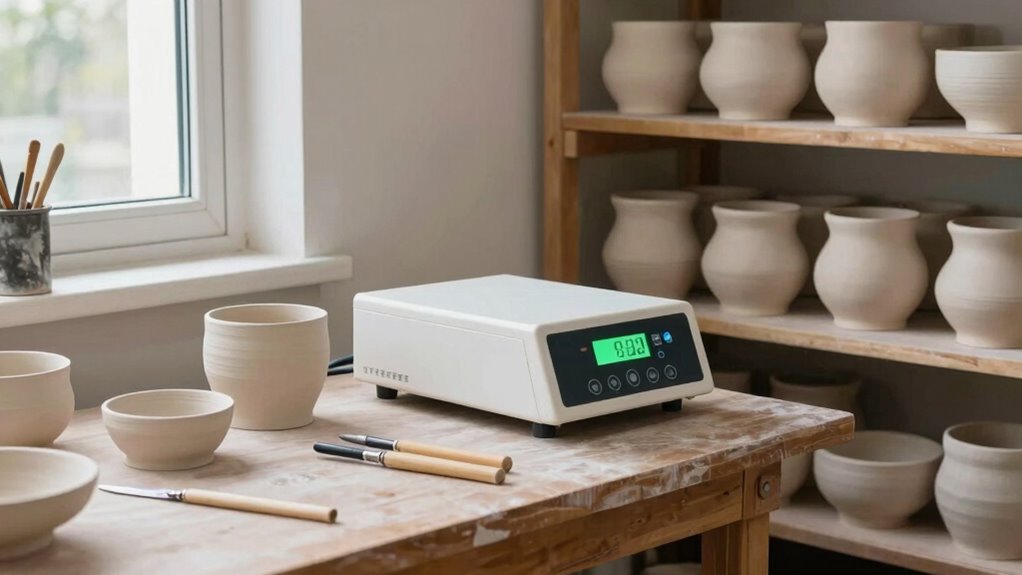
Another essential aspect is your maintenance schedule. Regular upkeep isn’t just about prolonging the life of your kiln; it’s about ensuring consistent firing results and preventing dangerous malfunctions. If you’ve established a routine for cleaning elements, inspecting wiring, and checking for cracks or wear, it indicates you’re serious about responsible kiln operation. When you keep up with maintenance, you reduce risks and increase your confidence in firing your work safely and efficiently. If you’re unsure about how to maintain your current kiln or haven’t yet developed a schedule, it’s worth dedicating time to learn these practices before taking on your own.
Beyond safety and maintenance, consider your experience level. Do you understand firing schedules and how to troubleshoot common issues? Are you comfortable adjusting temperature curves and interpreting kiln vitals? Having a good grasp of these technical aspects means you can respond swiftly to problems, minimizing accidents or damage. If you’re still learning, it might be wise to gain more hands-on experience with shared studio kilns until you feel secure running your own. Developing a fundamental understanding of kiln operation can help you avoid costly mistakes and ensure smoother firing processes. Recognizing the importance of proper kiln training can further prepare you for independent operation and safety.
Financial readiness is another consideration. A kiln isn’t just an upfront purchase; it involves ongoing costs like electricity, maintenance, and occasional repairs. Make sure your budget can accommodate these expenses without stress. Additionally, think about space—do you have a dedicated, well-ventilated area that complies with safety regulations? Having a designated zone ensures your studio remains safe and organized. Being aware of indoor air quality considerations and proper ventilation can help you create a healthier environment for both you and your work.
Ultimately, you’re prepared for your own kiln when you’ve built a solid foundation in safety, maintenance, technical knowledge, and financial preparation. When these elements align, you gain more control over your artistic process, turn your creative vision into reality, and do so responsibly. Recognizing these signs means you’re not just ready to fire clay—you’re ready to take the next step in your ceramic journey with confidence. Developing a clear understanding of kiln operation can help you make informed decisions and ensure your safety as you advance.
As an affiliate, we earn on qualifying purchases.
Frequently Asked Questions
What Safety Precautions Are Essential When Operating a Kiln?
When operating a kiln, you need to prioritize safety. Always use fire-resistant materials around the kiln, especially in the surrounding area, to prevent fires. Make certain proper ventilation requirements are met to avoid harmful fumes buildup. Keep a fire extinguisher nearby, and never leave the kiln unattended during firing. Wearing heat-resistant gloves and eye protection is also essential. Following these safety precautions helps prevent accidents and keeps your workspace safe.
How Much Space Do I Need for a Home Kiln?
A home kiln needs space like a cozy corner in your studio—about 4 to 6 feet of clearance around it. For kiln installation, you’ll want enough room for ventilation, safety, and access for maintenance. Think about space optimization by placing it away from flammable materials and ensuring proper airflow. Measure carefully and plan for electrical needs, so your kiln fits comfortably without cluttering your workspace or compromising safety.
What Types of Kilns Are Suitable for Beginners?
For beginners, electric tabletop or small regular kilns are ideal because they’re easy to operate and safe. Look for kilns with a ceramic or metal exterior, as these materials handle heat well. Beginner tips include starting with a basic model, ensuring it’s properly insulated, and choosing one with a user-friendly digital controller. This way, you get reliable results while learning the essentials, making your pottery journey smoother.
How Do I Maintain and Troubleshoot My Kiln?
To maintain and troubleshoot your kiln, regularly check kiln calibration to guarantee consistent firing results. Always follow proper firing schedules, adjusting as needed for different projects. Clean the kiln interior and elements to prevent buildup, and inspect electrical connections for wear or damage. If you encounter issues, consult your kiln’s manual or a professional technician. Proper maintenance keeps your kiln running smoothly and extends its lifespan.
What Are the Ongoing Costs of Owning a Kiln?
Owning a kiln involves ongoing costs like electricity, maintenance, and occasional repairs. You should do a thorough cost calculation to understand these expenses and incorporate them into your financial planning. Expect higher energy bills during firing cycles and budget for parts or professional repairs. Regular upkeep ensures safety and efficiency, minimizing long-term costs. Staying aware of these expenses helps you manage your budget and enjoy kiln firing without surprises.
As an affiliate, we earn on qualifying purchases.
Conclusion
Knowing you’re ready for your own kiln is like planting a seed—you’ll see the signs grow over time. When you confidently handle firing processes, understand safety protocols, and consistently produce quality work, you’re standing at the threshold. It’s a leap, but one that turns your creative garden into a thriving paradise. Trust your experience and instincts—they’re the compass guiding you toward this exciting new chapter. Your kiln awaits to turn your visions into reality.
As an affiliate, we earn on qualifying purchases.
As an affiliate, we earn on qualifying purchases.
Halloween Picks
halloween
As an affiliate, we earn on qualifying purchases.