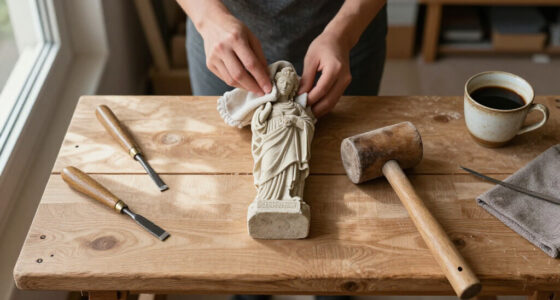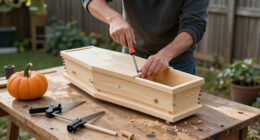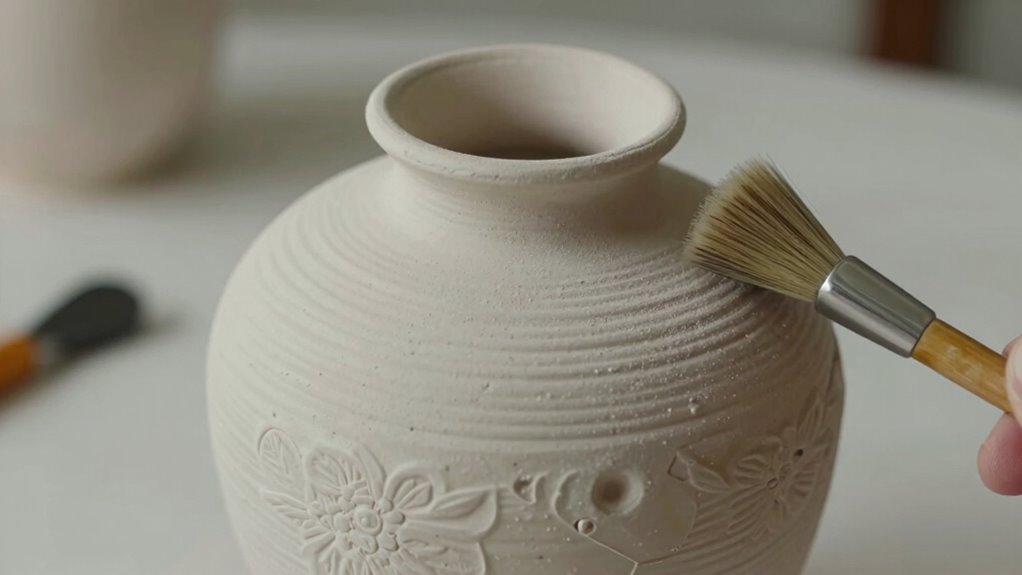
To clean handmade objects without losing their character, gently handle them with soft brushes or lint-free cloths to remove dust and dirt. Use mild, dry cleaning methods for fragile textiles, and avoid water on delicate materials like lace or paper. Test any cleaning solutions on small areas first. Respect the item’s aged surface and patina, and avoid aggressive techniques that could strip away its charm. Keep exploring for more tips to preserve your handmade treasures beautifully.

Get business pricing on tools and workshop supplies
- Business-only prices and quantity discounts
- Tax-exempt purchasing
- Multiple users, one account, clear invoices
Key Takeaways
- Use soft brushes or lint-free cloths to gently remove dust without damaging delicate surfaces.
- Opt for dry cleaning methods like light vacuuming for fragile textiles or intricate woodwork.
- Test cleaning solutions on small, inconspicuous areas to prevent stripping the item’s aged patina.
- Avoid water and harsh chemicals that could weaken or alter handmade materials.
- Respect the craftsmanship and aged appearance, maintaining the item’s authentic character during cleaning.
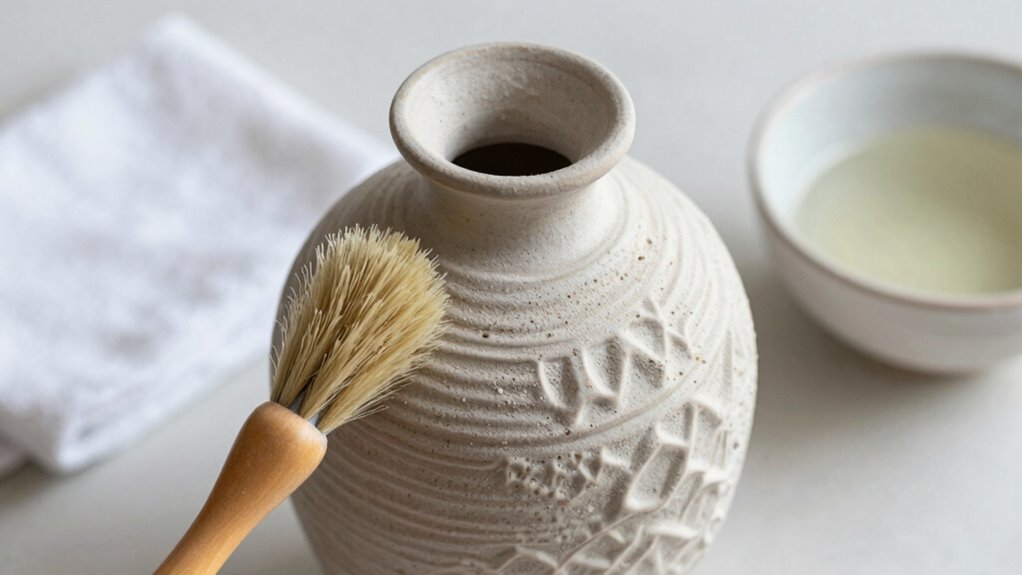
Have you ever wondered how to clean handmade objects without damaging their unique textures and delicate details? It’s a common concern, especially when dealing with items crafted from delicate materials or those that showcase vintage techniques. The goal is to refresh and preserve the character of each piece without stripping away its charm or causing harm. To do this effectively, you need to understand the nature of your objects and choose cleaning methods that respect their craftsmanship.
Preserve delicate handmade and vintage items with gentle cleaning methods that respect their unique textures and craftsmanship.
When working with vintage techniques, it’s essential to handle each item with extra care. Many vintage items are made from fragile materials, such as aged fabrics, delicate ceramics, or intricate woodwork. These materials often require gentler cleaning methods to prevent deterioration. For instance, instead of harsh chemicals or abrasive scrubbing, opt for soft brushes or cloths that won’t scratch or damage the surface. Use a vacuum with a brush attachment to gently remove dust from textured surfaces or crevices. For fabrics, a light vacuuming or a careful brushing can remove surface dirt while maintaining the integrity of the fibers.
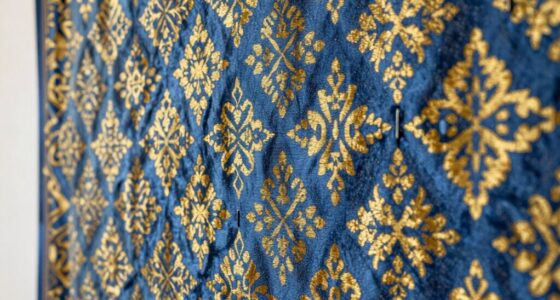
For delicate materials like fine lace, silk, or thin paper, avoid water-based cleaning unless you’re certain it won’t cause damage. When cleaning such items, a dry cleaning approach is often safest. Use a soft, lint-free cloth to gently wipe away dust and dirt. If you need to remove stains, test a small, inconspicuous area first, and consider consulting a professional conservator for advice. For pottery or glazed ceramics, a mild soap solution applied with a soft cloth can work, but never soak these objects, as prolonged exposure to moisture can weaken their structure. Knowing the appropriate cleaning techniques for different materials can help prevent accidental damage and extend the life of your cherished pieces. Additionally, understanding the materials and techniques used in crafting each piece can guide you toward the most suitable cleaning approach. When handling vintage items, being aware of the patina and aged look can help you decide whether cleaning is necessary or if it’s better to leave the surface untouched. Recognizing the authentic character of each item ensures you maintain its unique appeal. Remember, gentle cleaning methods are often more effective at maintaining the authentic appearance and character of handmade items.
gentle dusting brushes for delicate objects
As an affiliate, we earn on qualifying purchases.
As an affiliate, we earn on qualifying purchases.
Frequently Asked Questions
Can I Use Commercial Cleaners on Handmade Items?
You shouldn’t use commercial cleaners on handmade items without checking chemical compatibility first. Many commercial products contain harsh chemicals that can damage delicate surfaces or finishes, ruining their character. Instead, opt for DIY cleaning methods using gentle, natural solutions tailored to your item’s material. Always test a small, hidden area first, and avoid abrasive scrubbing to preserve the unique charm of your handmade objects.
How Often Should I Clean Delicate Handmade Objects?
You should clean delicate handmade objects regularly, but not too often—generally, once every few months or when dirt becomes noticeable. This cleaning frequency helps preserve their character while ensuring they stay in good condition. Follow maintenance tips like gentle dusting and avoiding harsh chemicals to keep them looking beautiful. Consistent care prevents buildup, maintains their charm, and prolongs their lifespan without risking damage.
Are There Specific Tools Recommended for Cleaning Handmade Items?
You should use gentle tools like a soft brush for delicate surfaces and a soft cloth for wiping. These tools help clean without damaging the handmade item’s character. Avoid harsh scrubbers or abrasive materials, as they can cause harm. Gently brushing away dust and wiping with a soft cloth preserves the item’s authenticity while keeping it clean. Always handle your handmade objects with care to maintain their beauty and integrity.
Will Cleaning Damage the Natural Patina of Handmade Objects?
Oh, absolutely, cleaning will turn your charming patina into a shiny, impersonal surface—said no one with a true appreciation for character. If you use gentle methods and avoid harsh cleaning chemicals, you’ll preserve that beautiful patina and avoid damage. Patina preservation is key, so steer clear of aggressive abrasives or chemicals that could strip away its authenticity. Your handmade object will thank you with timeless charm intact.
How Do I Remove Stubborn Stains Without Harming the Material?
To remove stubborn stains without harming your handmade objects, try gentle brushing first to lift dirt without abrasion. For tougher stains, use natural remedies like a mixture of mild soap and water or a paste of baking soda and water. Apply softly, avoiding harsh scrubbing, and test on a small area first. This approach preserves the material’s integrity while effectively cleaning, keeping your treasured pieces beautiful and intact.
lint-free cleaning cloths for vintage items
As an affiliate, we earn on qualifying purchases.
As an affiliate, we earn on qualifying purchases.
Conclusion
By gently tending to your handmade objects, you preserve their unique charm and character. Handle them with care, respect their imperfections, and avoid harsh chemicals. Embrace the delicate dance of cleaning—touching softly, wiping carefully, and appreciating their artistry. With patience and love, you protect their story, their soul, their essence. In doing so, you guarantee that each piece remains a timeless treasure, a reflection of craftsmanship and passion, forever vibrant and forever yours.
vacuum with brush attachment for fragile surfaces
As an affiliate, we earn on qualifying purchases.
As an affiliate, we earn on qualifying purchases.
dry cleaning kits for handmade textiles
As an affiliate, we earn on qualifying purchases.
As an affiliate, we earn on qualifying purchases.
Halloween Picks
halloween
As an affiliate, we earn on qualifying purchases.