TL;DR

Get business pricing on tools and workshop supplies
- Business-only prices and quantity discounts
- Tax-exempt purchasing
- Multiple users, one account, clear invoices
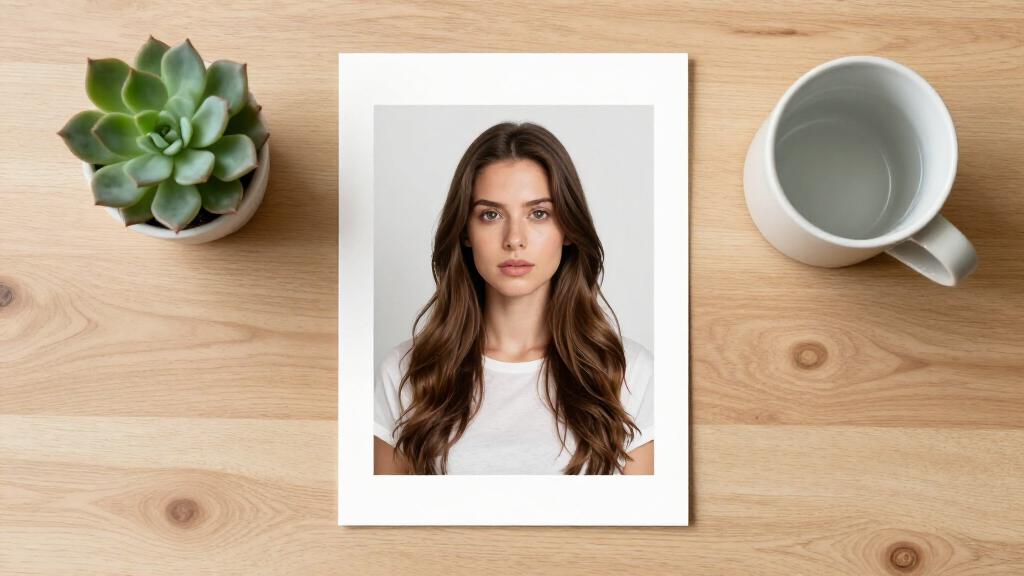
An artist’s self-portrait from July 2026 has drawn criticism for perpetuating unrealistic beauty standards. The work exemplifies ongoing concerns about art’s role in shaping societal perceptions of beauty.
A self-portrait created with dip pen in July 2026 has sparked renewed controversy over art’s influence in promoting unrealistic beauty standards. The artwork, shared widely on social media, has drawn both praise and criticism for its depiction of idealized beauty, highlighting ongoing societal debates about representation and body image.
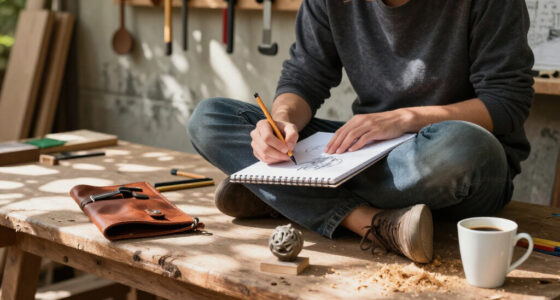
The self-portrait, authored by an anonymous artist and posted online in July 2026, features exaggerated features and a highly stylized aesthetic that many critics argue reinforce narrow beauty ideals. The artist used traditional dip pen techniques to craft the piece, which has garnered over 100,000 views and mixed reactions.
While some viewers praise the craftsmanship and artistic style, others have accused the work of perpetuating harmful stereotypes about beauty, especially in social media communities focused on body image and self-acceptance. Critics argue that art like this can influence public perceptions, especially among impressionable audiences.
Representatives from various art and mental health organizations have weighed in, with some emphasizing the importance of diverse representation in art and warning against the reinforcement of unrealistic standards. The artist has not publicly responded to the controversy.
Impact of Art on Societal Beauty Norms
This controversy underscores the ongoing role of visual art in shaping societal standards of beauty. Artworks that depict idealized or exaggerated features can influence public perceptions, particularly among young and vulnerable audiences. The debate highlights the need for increased diversity and realism in artistic representations to promote healthier body images and self-esteem.
Popular right now

Vitamix Propel Series 750 Professional-Grade Blender, 4 Programs, Black

Shark AI Ultra Robot Vacuum with Self-Empty Base

Vitamix Propel Series 510 Professional-Grade Blender, 3 Programs, Black
As an affiliate, we earn on qualifying purchases.
Ongoing Debate Over Artistic Representation and Beauty Ideals
Over recent years, there has been heightened awareness and criticism of how art, media, and social platforms often promote narrow and unrealistic images of beauty. This self-portrait is part of a broader pattern where artists and content creators are scrutinized for their influence on societal perceptions. The controversy also reflects larger discussions about the responsibility of artists and media in fostering inclusive and realistic portrayals.
Historically, art has both challenged and reinforced beauty standards, but in the digital age, the rapid spread of images amplifies their societal impact. The July 2026 self-portrait adds to this ongoing discourse, with critics calling for more diverse and authentic representations.
Unconfirmed Intentions and Public Response
It is not yet clear whether the artist intended to promote specific beauty standards or was simply exploring artistic style. The full scope of the artist’s motivations remains unknown, as they have not issued a public statement. Additionally, the long-term impact of this artwork on public perceptions is still uncertain, with ongoing debates about its influence.
Future Discussions and Artistic Practices
Discussions around the role of art in shaping societal standards are expected to continue, with calls for more diverse representations gaining momentum. Art institutions and social platforms may implement guidelines or promote initiatives to encourage authentic and inclusive portrayals. The artist’s future work and public engagement will likely influence ongoing debates.
Key Questions
Why has this self-portrait caused controversy?
The artwork has been criticized for depicting exaggerated features that reinforce narrow beauty standards, which some argue perpetuate unrealistic ideals and societal stereotypes.
Did the artist intend to promote unrealistic beauty standards?
The artist has not publicly explained their intentions, so it remains unclear whether the work was meant as critique or reinforcement of existing ideals.
How does this artwork compare to previous debates on beauty in art?
This case continues a long-standing discussion about art’s influence on societal perceptions of beauty, echoing past controversies over idealized or stereotypical portrayals.
What can be done to promote healthier beauty standards in art?
Encouraging diverse, realistic representations and fostering critical engagement with art can help promote healthier perceptions of beauty among the public.
Will this controversy impact future artistic practices?
It is possible that ongoing debates will influence artists and institutions to prioritize inclusivity and authenticity in their work.
Source: fediverse