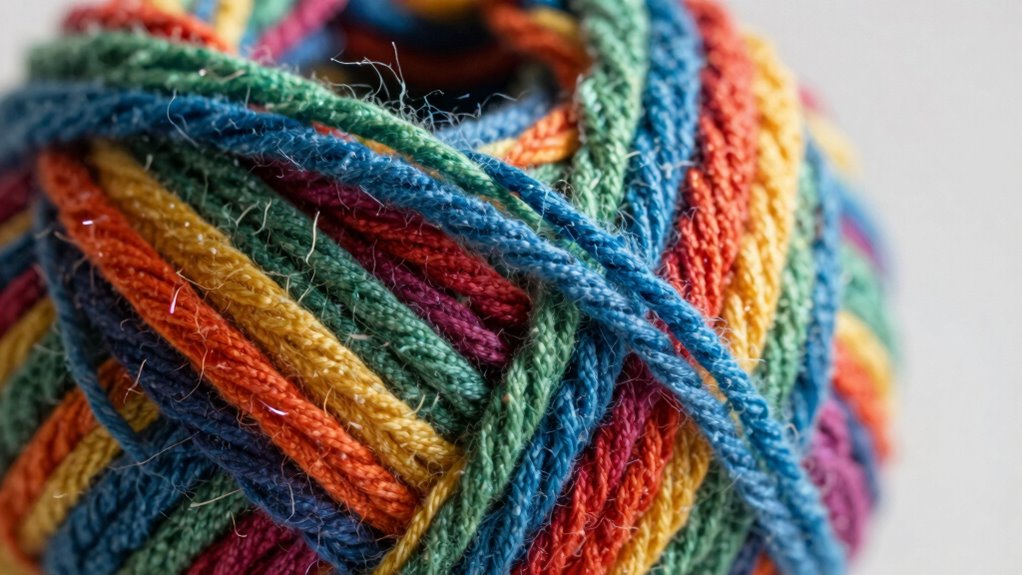

Yarn splits when the twist isn’t balanced or the fibers aren’t strong enough to hold together during use. Too little twist makes the yarn weak and prone to fraying, while too much twist can cause stiffness and splitting. The fiber’s strength and the twist direction also play a part in how well the yarn holds up. To prevent splitting, you should pay attention to these factors, and understanding more can help you create better yarns.
Key Takeaways
- Insufficient or uneven twist can cause yarn to be weak and prone to splitting.
- Incorrect twist direction (Z or S) may reduce fiber cohesion, leading to splitting issues.
- Over- or under-twisted yarns weaken fiber bonds, increasing the chance of splitting during use.
- Using low-strength fibers with improper twist makes yarn more fragile and prone to breaking.
- Properly balanced twist enhances fiber cohesion, reducing splitting and improving yarn durability.
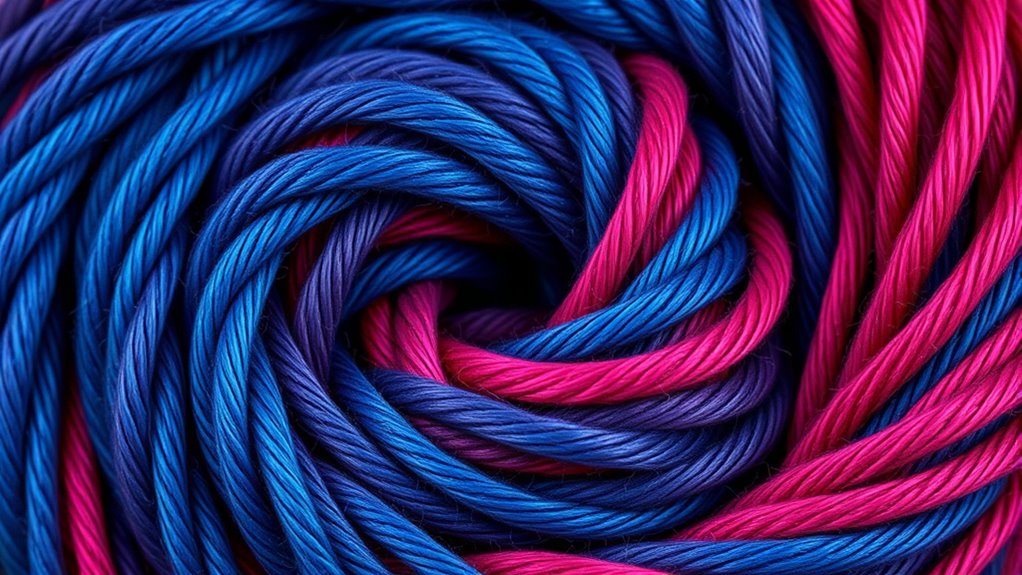
Have you ever wondered why some yarns feel tighter or more durable than others? The answer often lies in the details of how the yarn is spun, particularly in the fiber strength and twist direction. When creating yarn, twisting fibers together is an essential step that determines the overall quality and performance. Fiber strength plays an indispensable role because stronger fibers naturally form more resilient yarns, less prone to breaking or splitting during use. If you start with fibers that have high tensile strength, you’ll notice your yarn is more resistant to wear and tear, making it ideal for projects demanding durability.
Strong fibers create resilient yarns that resist breaking and splitting during use.
Twist direction is equally important. Yarn can be spun in either a Z-twist or S-twist, and each influences the yarn’s behavior and how it interacts with itself and other fibers. For example, Z-twist yarns tend to be more stable and less likely to untwist or split apart, whereas S-twist yarns may feel softer but can sometimes be more prone to unraveling if not spun tightly enough. The twist direction affects how tightly the fibers are held together, which impacts the yarn’s overall strength and how it responds during knitting or weaving. If your yarn keeps splitting or fraying, it could be because the twist isn’t aligned correctly for the fiber type or project requirements.
Another aspect to think about is the amount of twist used during spinning. Too little twist results in a loosely spun yarn that’s prone to splitting and pilling, while too much twist makes the yarn stiff and difficult to work with. Finding the right balance depends on the fiber’s inherent strength and the twist direction. For instance, a strong fiber like wool can often handle a tighter twist, creating a more durable yarn that resists splitting, whereas delicate fibers like silk need a gentler approach to avoid damage.
In addition, the twist’s influence extends to the yarn’s appearance and texture. A tightly twisted yarn looks more compact and shiny, while a loosely twisted one appears softer and fluffier. The key is understanding how fiber strength and twist direction work together to produce the desired outcome. When you pay attention to these factors, you’ll better understand why some yarns split constantly and how to choose or spin yarn that’s less prone to splitting. Additionally, adjusting the twist can also enhance the yarn’s durability, making it more suitable for different types of projects. Ultimately, mastering the interplay between fiber strength and twist direction helps you create yarns that are not only beautiful but also durable and easy to work with in any project.
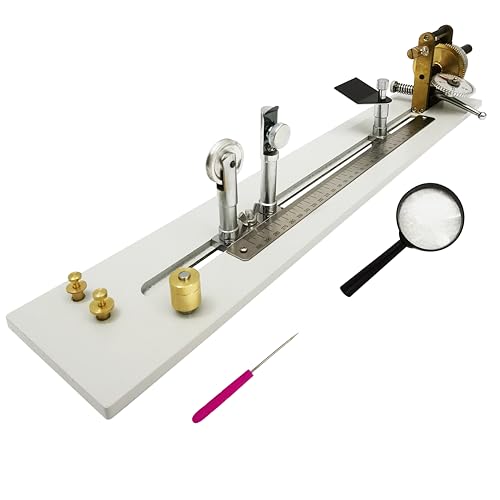
INTBUYING Yarn Twist Tester Hand Crank Twist Meter Twisting Machine Twist Indication 0.1-500 Twists Yarn Twist Tester for Cotton, Wool, Linen, Silk and Other Yarns
- Spiral Wheel Design: Ensures high-precision testing up to 500 turns
- Measurement Range: 0-300mm length, 1/10 to 500 turns
- Yarn Twist Counter: Displays twist value during unwinding
As an affiliate, we earn on qualifying purchases.
As an affiliate, we earn on qualifying purchases.
Frequently Asked Questions
How Does Yarn Twist Affect Fabric Durability?
Your yarn twist directly impacts fabric durability by influencing fiber elasticity and twist consistency. A proper twist guarantees fibers stay tightly bound, making the fabric more resistant to wear and tear. Too little twist can cause fibers to loosen, weakening the fabric, while too much twist may make it stiff and prone to splitting. Maintain a balanced twist to enhance longevity, flexibility, and overall strength of your fabric.
Can Changing Twist Direction Improve Yarn Performance?
Changing twist direction can notably boost yarn performance, like flipping a switch for better results. It helps improve twist consistency and fiber compatibility, reducing splitting and enhancing durability. By adjusting twist, you align the yarn structure more harmoniously with the fibers used, making the final fabric stronger and more resilient. Experimenting with twist direction allows you to tailor yarn qualities, giving your projects a smoother, more polished finish.
Does Yarn Twist Influence Dye Absorption?
Yes, yarn twist influences dye absorption by affecting fiber twist and dye penetration. When yarn has too much twist, it tightens fibers, making it harder for dye to penetrate evenly. Conversely, less twist allows better dye penetration, resulting in more vibrant, uniform colors. Adjusting yarn twist helps optimize dye absorption, ensuring your finished product has consistent color and quality. Always consider fiber twist when planning dyeing processes.
Are Some Fiber Types More Prone to Splitting Due to Twist?
Yes, some fiber types are more prone to splitting due to twist. You’ll notice that fibers with lower strength and inconsistent twist are more likely to split when worked with. When the twist isn’t uniform, it creates weak points that can cause splitting during knitting or spinning. To minimize this, choose fibers with higher strength and guarantee your twist remains even throughout the yarn, providing better durability and less splitting.
How Does Twist Impact the Comfort of Finished Garments?
You’ll find that twist impacts your garment’s comfort by affecting fiber alignment and twist tightness. When yarn has the right twist, fibers stay aligned, making the fabric soft and smooth against your skin. Too tight a twist can make your garment feel stiff, while too loose may cause it to feel limp. Finding the perfect balance guarantees your finished piece is comfortable, durable, and enjoyable to wear.

Value Worsted Yarn (Cream)
- Material: 100% acrylic
- Weight: 6 oz, 380 yards
- Knit Gauge: 18 stitches per 4 inches
As an affiliate, we earn on qualifying purchases.
As an affiliate, we earn on qualifying purchases.
Conclusion
Think of yarn twist like a delicate dance—too much or too little, and it throws everything off. When your yarn keeps splitting, it’s a sign the twist isn’t quite right. Adjusting the twist can make your knitting smoother and more enjoyable, like gliding effortlessly across a dance floor. So, don’t get discouraged—experiment with different twists until you find the perfect rhythm. Your projects will thank you with cleaner, more beautiful stitches every time.

Lion Brand Yarn Hometown Yarn, Super-Bulky Yarn for Knitting, Crocheting, and Crafting, 1 Pack, Aspen Tweed
- Type of Yarn: Super-bulky for quick projects
- Color Options: Solid, multicolor, and tweed varieties
- Yarn Weight: Super bulky, CYC #6
As an affiliate, we earn on qualifying purchases.
As an affiliate, we earn on qualifying purchases.

Big Twist Value Pound+ Yarn, Bulk Medium Worsted 100% Acrylic Skeins, Assorted Colors, 17.6 oz, 6-Pack
- Versatile acrylic yarn: Suitable for various projects
- Durable and affordable: Long-lasting and budget-friendly
- Soft and easy to knit: Comfortable for all skill levels
As an affiliate, we earn on qualifying purchases.
As an affiliate, we earn on qualifying purchases.