
Watercolor paper is essential for your paintings, affecting how colors spread, blend, and settle. Cold press paper has a textured surface that’s great for expressive strokes and layering, while hot press offers a smooth finish ideal for detailed work. Your choice depends on your style, whether you prefer bold textures or crisp lines. Want to know which type suits your artwork? Keep exploring to discover more about each option.
Key Takeaways
- Cold press paper has a textured surface suitable for expressive strokes and layering, while hot press is smooth for fine detail work.
- Texture influences how paint spreads, blends, and the final visual effects of your watercolor artwork.
- Cold press is versatile, ideal for both bold and detailed techniques; hot press excels in precise, crisp lines.
- Heavier papers absorb water better, reducing warping, regardless of whether they are cold or hot press.
- Choosing between cold press and hot press depends on your style—textured and loose versus smooth and detailed.
watercolor paper cold press 300gsm
As an affiliate, we earn on qualifying purchases.
As an affiliate, we earn on qualifying purchases.
What Is Watercolor Paper and Why Does It Matter?
Watercolor paper is specially designed to handle the unique qualities of watercolor paints, making it essential for achieving the best results. The paper’s weight influences how it interacts with water and pigment, affecting your watercolor effects. Heavier paper, such as 300 gsm (140 lb), absorbs more water without warping, allowing for smoother blends and vibrant colors. Lighter paper, like 190 gsm (90 lb), may buckle or warp with heavy washes, limiting certain techniques. The choice of paper weight directly impacts your control and the final look of your artwork. Thicker paper provides a sturdy surface, enabling you to layer and lift colors easily. Understanding how paper weight influences watercolor effects helps you select the right material to create the desired textures and depth. Additionally, the color fidelity of your watercolor paper plays a significant role in achieving accurate and vivid color reproduction in your artwork. For artists seeking a consistent water absorption and pigment brightness, selecting high-quality paper ensures reliable results across various techniques. Moreover, the paper surface texture can also affect how your paint interacts with the surface, influencing the overall style of your painting. Exploring different textures can also inspire new creative effects and techniques in watercolor art.
hot press watercolor paper 140 lb
As an affiliate, we earn on qualifying purchases.
As an affiliate, we earn on qualifying purchases.
The Characteristics of Cold Press Watercolor Paper
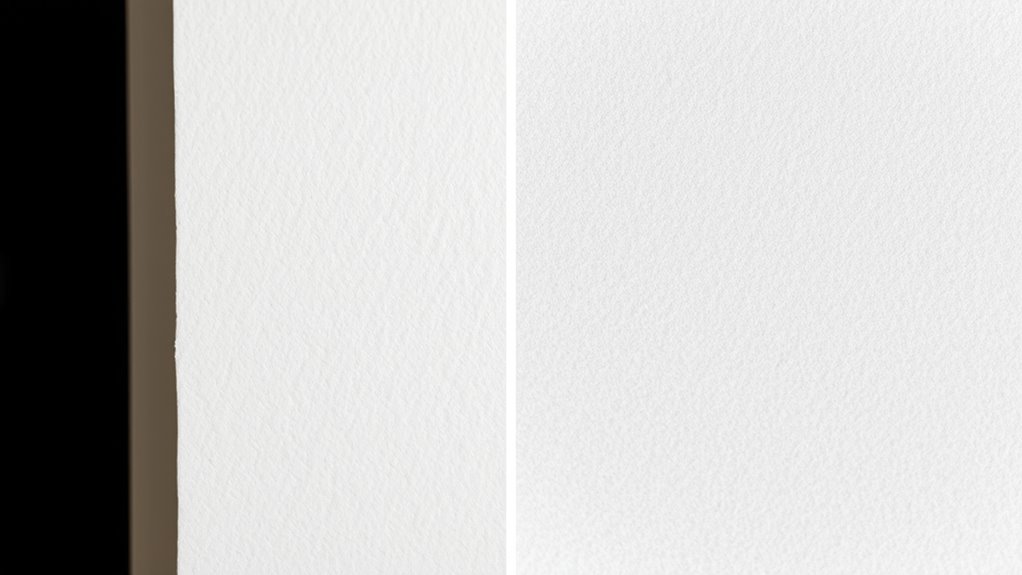
Cold press watercolor paper strikes a balance between smoothness and texture, making it a popular choice among artists. Its surface offers subtle texture variations that help paint absorbency and color blending, ideal for detailed work and washes. The paper’s weight differences—typically 140 lb (300 gsm) or 300 lb (640 gsm)—affect durability and how it handles water. Heavier cold press paper resists warping, while lighter versions are more flexible. The texture varies from slightly rough to more pronounced, influencing brushstrokes and paint behavior. Here are key characteristics:
Cold press watercolor paper offers versatile texture, excellent absorbency, and durable options for detailed and layered watercolor artwork.
- Moderate texture for versatile painting styles
- Good for layering and glazing techniques
- Weight options impact durability and handling
- Texture variations influence paint absorption and detail
- Water absorption properties also play a role in how the paint interacts with the paper, affecting drying times and blending capabilities. Additionally, the paper’s surface quality can influence the overall finish of the artwork and the artist’s techniques.
As an affiliate, we earn on qualifying purchases.
The Features of Hot Press Watercolor Paper

Hot press watercolor paper features a smooth surface that allows for fine detail and crisp lines, making it ideal for intricate work and precision techniques. Its surface smoothness results in minimal texture variation, giving your artwork a sleek, polished look. This consistency helps you achieve sharp edges and fine details without interference from rough textures. The even surface makes it easier to layer colors and create delicate washes, perfect for detailed botanical illustrations or portrait work. Unlike rough papers, hot press paper doesn’t absorb water quickly, allowing for more control and precision. Overall, its surface smoothness and minimal texture variation provide a consistent foundation for artists seeking accuracy and fine detail in their watercolor projects.
best watercolor paper for detailed work
As an affiliate, we earn on qualifying purchases.
As an affiliate, we earn on qualifying purchases.
How Cold Press and Hot Press Paper Differ in Texture
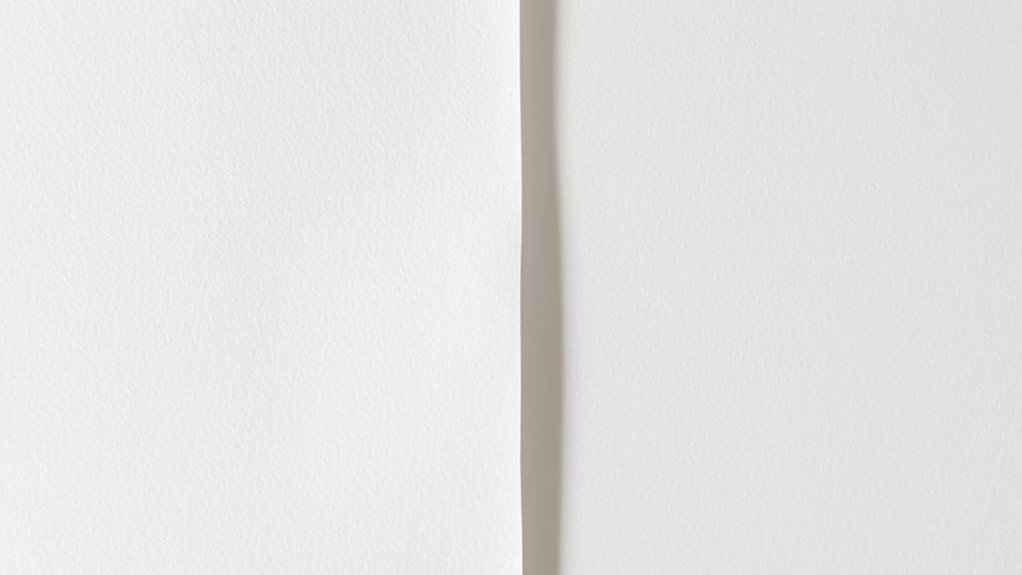
Cold press paper has a textured surface that holds pigment differently than the smooth hot press paper. This texture affects how wetness spreads and how colors blend on each type. Understanding these differences helps you choose the best paper for your painting style. Additionally, the reliability and efficiency of the paper can influence the overall outcome of your artwork, especially when working in various environmental conditions.
Surface Texture Differences
If you’re choosing watercolor paper, understanding how the surface textures differ can make a big difference in your work. Cold press paper features a textured surface that adds visual interest and creates unique brushstrokes, making it ideal for detailed or textured effects. Hot press paper has a smooth finish, providing a sleek, even surface perfect for fine details and crisp lines. Here’s what to think about:
- Texture: Cold press offers a textured surface, while hot press is smooth.
- Detailing: Hot press is better for precision and fine work.
- Paint Behavior: Textured surfaces absorb paint differently than smooth finishes, influencing how the paint interacts with the paper. Surface absorption plays a key role in how the paint settles and spreads.
- Application Style: Choose cold press for expressive, loose styles, hot press for controlled, detailed work.
- Surface Type: The surface type influences painting techniques and the overall look of your artwork. Understanding the surface characteristics can help you select the best paper for your style.
Absorption and Wetness
Watercolor paper’s absorption and wetness levels considerably influence how your paint behaves on the surface. Cold press paper, with its moderate absorption, allows colors to blend smoothly and enables controlled brush stroke techniques. It absorbs water evenly, which helps prevent excessive bleeding or warping. Hot press paper, being less absorbent, keeps water and pigment on the surface longer, resulting in sharper edges and finer detail. When considering paper weight, heavier papers (like 300 gsm or more) handle wetness better, reducing buckling during wet techniques. Your choice affects how much water you can work with and how your paint interacts with the paper. Understanding these differences helps you select the right paper for your desired effects and ensures better control over your brush strokes. Additionally, paper porosity plays a key role in how the surface interacts with water and pigment, influencing your overall painting experience. A higher porosity generally increases absorbency, impacting your control and the final appearance of your artwork. Moreover, paper texture also impacts how paint settles and blends, affecting your artistic expression. Recognizing the absorption capacity of your watercolor paper can help you predict how your chosen techniques will perform and improve your overall results.
The Impact of Paper Type on Your Artwork
The type of paper you choose can considerably influence the outcome of your watercolor artwork. It affects how your brush techniques and pigment blending come to life. Here are four ways your paper impacts your work:
- Texture influences how much pigment you can blend smoothly or create rough, textured effects. A textured surface can add depth and interest to your painting, emphasizing certain areas or creating a sense of movement. Additionally, the texture can impact how pigment adhesion occurs on the surface, affecting the vibrancy and longevity of your colors.
- Absorption rate determines how quickly water and pigment spread, affecting your control. Understanding this helps you anticipate how your paints will behave on different papers, enabling more precise planning of your techniques.
- Surface smoothness impacts fine details versus broad washes. A smoother surface allows for crisp lines and intricate details, while a rougher surface is better suited for expressive, loose brushwork.
- Durability affects how well the paper withstands multiple layers and corrections. Choosing durable paper can save you frustration and help your artwork last longer without deterioration. Additionally, selecting the appropriate paper type also considers paper weight and its impact on handling and final appearance.
Choosing the right paper type helps you achieve the desired effects, whether you want crisp details or soft gradients. Your choice directly impacts how easily you manipulate your paints and how vibrant your colors appear.
Choosing the Right Paper for Your Style and Projects
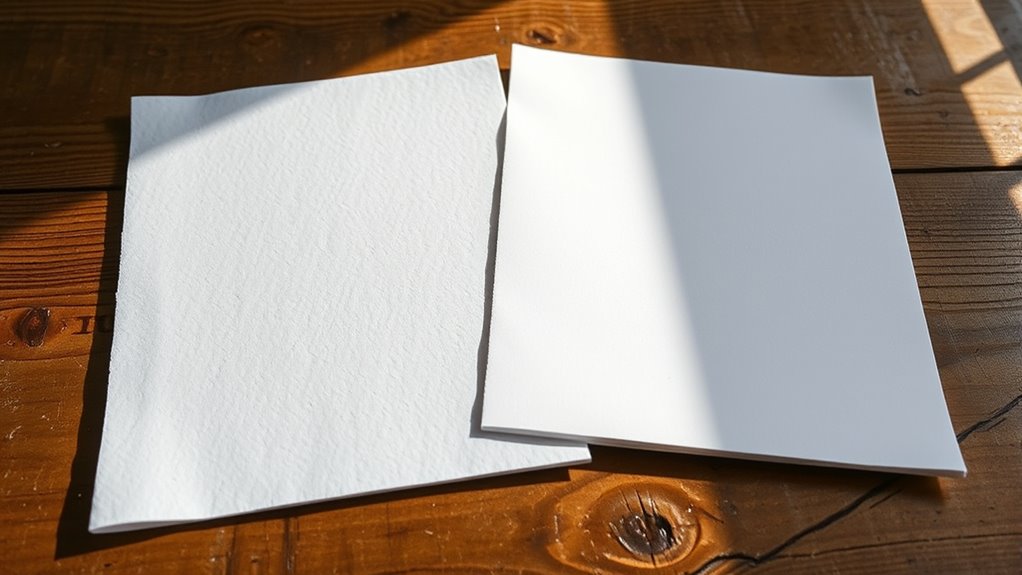
Choosing the right paper depends on your artistic style and the projects you pursue. If you enjoy delicate brush techniques and smooth color blending, a hot press paper might suit you best because of its smooth surface, allowing for fine details. Conversely, if you prefer bold strokes and textured effects, cold press paper offers more grip, enhancing your brush control and creating interesting textures. Consider how your preferred techniques influence your work; softer papers can handle multiple layers for seamless color blending, while rougher surfaces can add character and depth. Matching your paper to your style helps you achieve the desired effects and simplifies your process. Experimenting with different types can also reveal which paper elevates your unique artistic voice. Additionally, understanding the different paper textures can guide you in selecting the most suitable surface for your specific techniques and desired outcomes. Recognizing how paper quality impacts your work can also lead to better results and a more enjoyable painting experience, especially when considering cost and durability. Being aware of the importance of material quality can help you make more informed choices that support your artistic growth.
Tips for Beginners on Handling Different Watercolor Papers
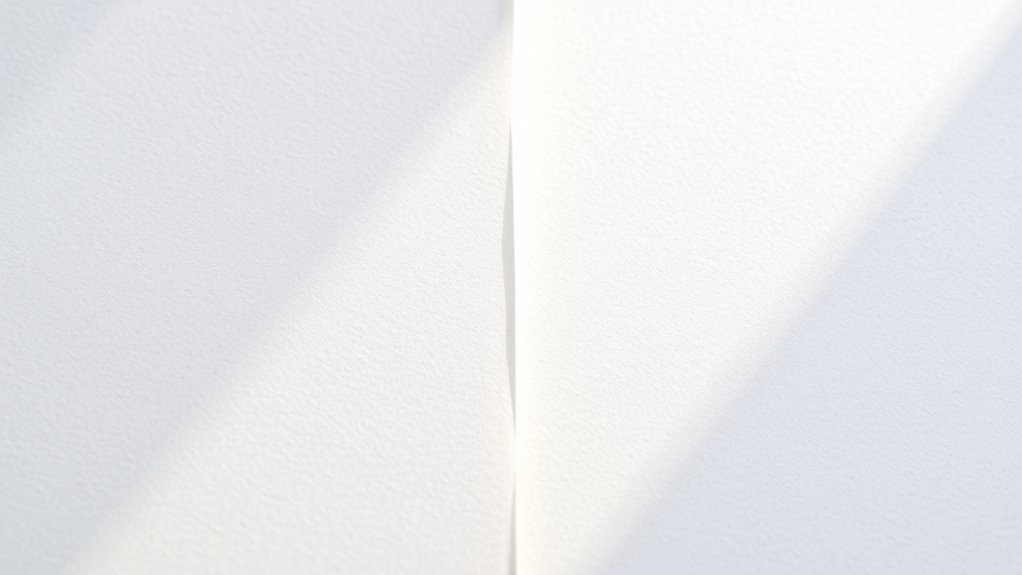
Getting started with different watercolor papers can feel overwhelming, but mastering their handling will boost your confidence and results. To improve your experience, consider these tips:
Mastering watercolor paper handling boosts your confidence and artistic results.
- Test your paper with color mixing to see how pigments interact and blend, helping you understand how different textures respond.
- Use brushes compatible with the paper’s weight and texture; softer brushes work well on cold press, while firmer brushes suit hot press.
- Keep your brush strokes controlled, as some papers absorb water differently, affecting how colors spread.
- Practice on small sections first to get a feel for how the paper handles water and pigment, reducing mistakes during your final work.
- Remember that water absorption varies between cold press and hot press papers, influencing drying time and pigment behavior. Additionally, understanding how the texture of each paper impacts pigment retention can help you choose the best technique for your project.
- Being aware of the paper’s surface properties allows you to adapt your techniques for more consistent results across different types.
These tips will help you adapt your techniques to each paper type effectively.
Caring for and Maintaining Your Watercolor Paper Supplies
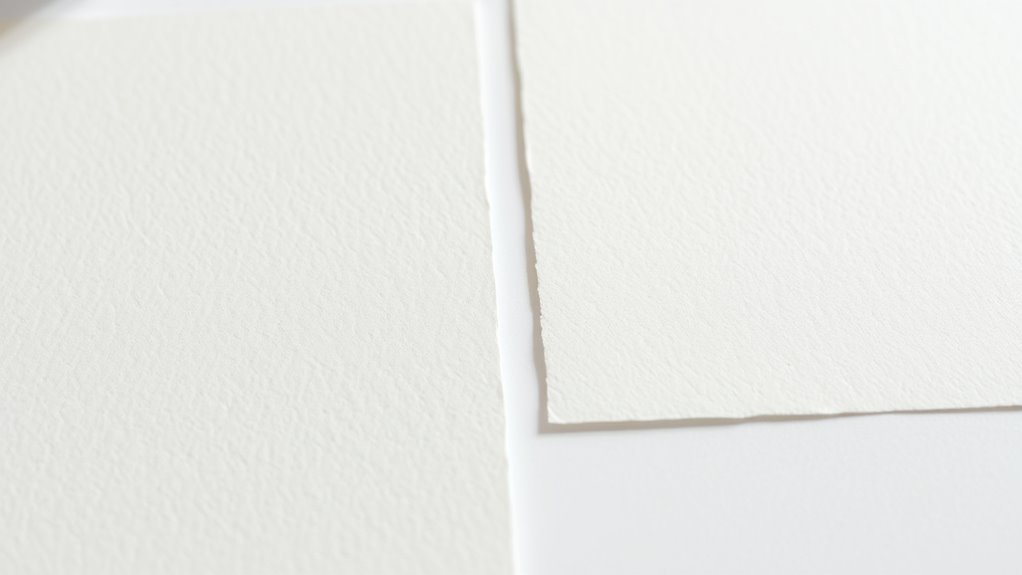
Taking good care of your watercolor paper supplies guarantees they stay in top condition. Proper storage, careful handling, and regular cleaning help extend their lifespan. By following these tips, you’ll keep your materials ready for your next masterpiece.
Proper Storage Techniques
Proper storage is essential to keep your watercolor paper in top condition and ready for your artwork. To protect your supplies, consider these key techniques:
- Use sturdy storage containers to prevent bending or damage.
- Keep your paper in a cool, dry place with stable humidity control to avoid warping or mold.
- Store paper flat or upright, ensuring it’s supported to prevent curling.
- Avoid exposure to direct sunlight, which can weaken paper fibers and cause discoloration.
Cleaning and Handling Tips
To keep your watercolor paper in ideal condition, handle it with clean hands and avoid touching the surface directly whenever possible. This prevents oils and dirt from smudging or damaging the paper, which can affect your pencil techniques and overall artwork. When sketching with pencil, use light strokes and avoid pressing too hard to prevent indentations that may show through paint. After completing your work, consider framing options that protect your paper, such as glass or UV-protective mats, to keep it pristine. When cleaning, gently remove dust with a soft brush or cloth—never rub or scrub the surface. Proper handling and careful cleaning preserve the paper’s texture and ensure your watercolor artwork remains vibrant and undamaged over time.
Extending Paper Lifespan
Maintaining your watercolor paper over time guarantees your artworks stay vibrant and intact. To extend your paper’s lifespan, consider these tips:
- Store your paper flat in a cool, dry place to prevent warping and damage.
- Use protective covers or sleeves to avoid dust and dirt buildup.
- Practice paper recycling by repurposing scraps for practice sheets, reducing waste and environmental impact.
- Handle your paper with clean hands to prevent oils and smudges that can degrade its quality.
These practices not only preserve your supplies but also support eco-friendly choices. Proper care minimizes the need for frequent replacements, helping reduce waste and lessen your environmental footprint. By caring for your watercolor paper, you ensure your artistic investments last longer while contributing to a healthier planet.
Frequently Asked Questions
Can I Mix Cold Press and Hot Press Papers in a Single Project?
Yes, you can mix cold press and hot press paper in a single project. It’s a great way to add variety with different textures, especially if you’re exploring mixed media techniques. Just keep in mind that the paper texture will vary, so plan your layering accordingly. Using both textures allows you to create dynamic effects and contrast, making your artwork more interesting and unique.
How Does Paper Weight Affect Watercolor Painting Techniques?
Lighter paper weight can make your watercolor techniques feel a bit more delicate, as it’s more prone to warping and less resistant to water absorption. Heavier paper offers a sturdier feel, helping you achieve smoother washes and better control of water flow. The texture influences how paint sits on the surface, so thicker paper lets you experiment with more complex textures without worry. Choose according to your desired effect and comfort level.
Are There Eco-Friendly Options for Watercolor Paper?
Yes, you can choose eco-friendly watercolor paper made from biodegradable materials or recycled fibers. Look for brands that prioritize sustainability and use recycling options in their production process. These papers help reduce environmental impact while maintaining quality. By selecting biodegradable options, you support eco-conscious art practices. Always check product labels for eco-friendly certifications or details about the materials used, ensuring your artwork aligns with environmentally responsible choices.
What Brands Offer the Best Quality Watercolor Paper for Beginners?
Think of finding the perfect watercolor paper as discovering a sturdy, trusted ship on your creative voyage. Brands like Arches, Fabriano, and Winsor & Newton offer top-quality options with varied textures to suit your style. These papers promise excellent paper longevity, resisting warping, and holding paint well, making them ideal for beginners. Their durability and texture help you develop skills without frustration, giving you a smooth sailing experience in your artistic journey.
How Does Humidity Influence Watercolor Paper Handling and Storage?
Humidity impacts how watercolor paper handles and stores. High humidity causes paper to absorb moisture, leading to warping or buckling, while low humidity can cause it to become brittle. To maintain quality, you should practice humidity control, store your paper in a cool, dry place, and use airtight containers or resealable bags. Proper storage tips include keeping paper flat and away from direct sunlight to prevent damage and guarantee it stays in ideal condition.
Conclusion
Choosing between cold press and hot press watercolor paper is like picking the right dance partner—each has its own rhythm and personality. By understanding their differences, you’ll find the perfect match for your style and projects. Remember, your paper is the stage for your creativity, so treat it with care. With the right choice, your artwork will shine brighter than a diamond in the rough. Happy painting!