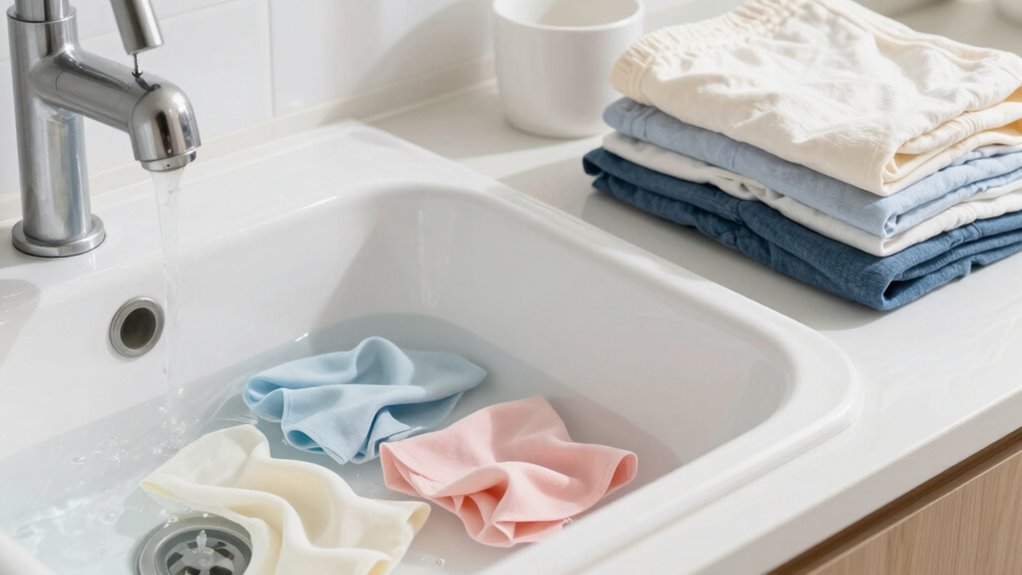
Prewashing fabric is essential when you need to test for colorfastness, remove chemicals, or check for potential shrinking, especially with new or dyed fabrics prone to bleeding. Skip prewashing for delicate fabrics, fabrics already pretreated, or when working with small, easy-to-clean items. Proper prewashing can save you from surprises in size or color later on. To learn more about perfecting your fabric care routine, keep exploring these tips.

Get business pricing on tools and workshop supplies
- Business-only prices and quantity discounts
- Tax-exempt purchasing
- Multiple users, one account, clear invoices
Key Takeaways
- Prewash fabrics with vibrant dyes, bleeding tendencies, or unfamiliar dyes to prevent color transfer in finished projects.
- Skip prewashing for lightly soiled, pretreated, or fabric labeled “no prewash” or “dry clean only.”
- Prewash delicate or sensitive fabrics carefully using gentle cycles, cold water, and mild detergents to avoid damage.
- Prewash new fabrics to remove sizing, chemicals, and residues, ensuring better fit, colorfastness, and longevity.
- Avoid prewashing if fabric is already clean, freshly laundered, or if instructions specify skipping it for that material.
Understanding Fabric Types and Their Specific Needs
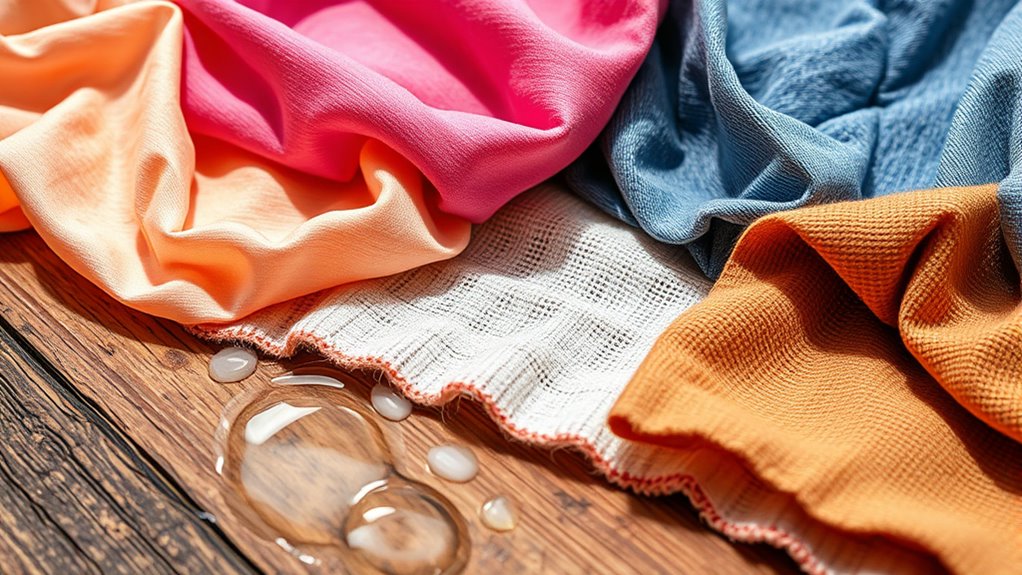
Understanding the different fabric types is essential because each one reacts differently to washing and prewashing. For delicate fabrics like silk or wool, avoid harsh detergents and fabric softeners that can damage fibers. Instead, opt for gentle detergents and mild ironing techniques to prevent stretching or shrinking. Cotton and linen, on the other hand, tolerate more vigorous washing, but using fabric softeners can help keep them soft and reduce wrinkles. Always check fabric labels before washing, as some materials may require specific care. Proper understanding of fabric types guarantees you choose the right prewashing approach, avoiding unnecessary damage. Being aware of fabric care labels ensures you follow the manufacturer’s instructions for optimal results. Additionally, knowing properties of different fabrics can help you tailor your washing methods for better preservation. Moreover, understanding wash cycle settings can optimize cleaning efficiency while protecting fabric integrity. Recognizing fabric durability can further inform the appropriate cleaning methods for each material.
Recognizing When Prewashing Is Essential
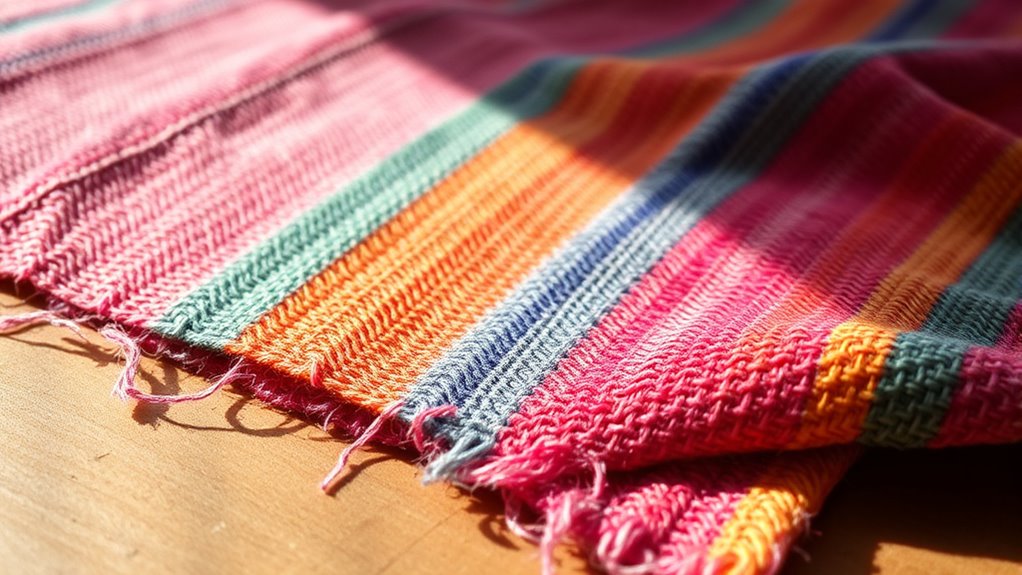
You should consider prewashing if the fabric hasn’t been tested for colorfastness, as bleeding can ruin your project. New fabrics or those with unfamiliar dyes often need a wash first to prevent surprises later. If you or anyone with sensitive skin will wear the item, prewashing helps eliminate irritants and ensures safety. Additionally, understanding the essential oils used in fabric dyes can help you decide whether prewashing is necessary to remove potential irritants. In some cases, free floating fibers or residues may remain on the fabric surface and can be washed away with prewashing to improve comfort and quality.
Colorfastness Testing Needed
How can you tell if prewashing is truly necessary? The key is understanding when colorfastness testing indicates fabric dye stability isn’t dependable. If your fabric shows any of the following, prewashing is essential:
- The dye tends to bleed during a quick water test.
- The color transfers onto your hands or other fabrics when touched.
- The fabric has a vibrant hue that seems inconsistent or unstable.
- Performing water-based testing can help determine if the dye will hold up through washing, preventing color bleeding in your finished project. Colorfastness testing assesses whether the dye will stay fixed after washing, which is crucial for maintaining fabric integrity. If the fabric fails these tests, prewashing becomes necessary to ensure fabric dye stability. Skipping this step risks ruining your work with unwanted color transfer, so always assess these signs before proceeding. Proper testing saves you time and ensures your fabric’s colors stay true.
New Fabric Considerations
When working with new fabrics, it’s crucial to evaluate whether prewashing is needed before starting your project. Fresh fabrics may contain residual chemicals or finishes that can affect fabric care and dye stability. Prewashing helps remove sizing, chemicals, and excess dye that could cause shrinking or color bleeding later. If you notice the fabric feels stiff or releases excess dye during initial touch, prewashing is essential. Fabrics with vibrant dyes or those prone to bleeding require extra care to prevent color transfer. Additionally, for fabrics that will undergo frequent washing, prewashing ensures better fabric care and maintains dye stability over time. Recognizing these signs will help you decide when prewashing is necessary, ensuring your project turns out as expected and your fabric remains durable. Being aware of fabric weight and finish can also guide your decision, as heavier or coated fabrics may require different prewashing considerations. Moreover, understanding fiber content can influence whether prewashing is recommended to preserve fabric integrity and appearance. Incorporating knowledge of artistic finishes can also help determine the need for prewashing, especially if the fabric has special coatings or treatments.
Sensitive Skin Precautions
Fabrics intended for sensitive skin require extra caution, as residual chemicals and finishes can cause irritation even after minimal contact. Prewashing helps remove these irritants, ensuring fabric softness and maintaining dye longevity. You should consider prewashing if:
- The fabric feels stiff or rough straight from the package, indicating chemical finishes.
- You notice itching or skin irritation after wearing new clothing, suggesting residual irritants.
- You want to preserve dye quality and prevent fading, especially on vibrant or dark fabrics.
- Chemical residues can linger on fabrics and may be particularly problematic for those with sensitive skin.
Prewashing reduces chemical residues and softens the fabric, making it gentler on sensitive skin. It also helps lock in dye colors, preventing fading over time. When in doubt, prewash to protect your skin and extend your fabric’s lifespan.
When Skipping Prewash Can Be Beneficial
Skipping prewash can sometimes help preserve the fabric’s integrity, especially with delicate or new textiles. It also reduces the risk of color bleeding, keeping your colors vibrant. Plus, it saves you time and effort, making your laundry routine quicker and easier. Using gentle detergents formulated for delicate fabrics can further protect your clothing during laundry. Additionally, avoiding prewash can minimize fabric wear caused by unnecessary agitation. Incorporating connected laundry technology can also help monitor fabric care needs and optimize washing cycles. Understanding fabric type identification can assist you in deciding whether a prewash is truly necessary for each load.
Preserves Fabric Integrity
Choosing not to prewash certain fabrics can help preserve their original texture and appearance. When you skip prewashing, you maintain the fabric’s integrity, ensuring it stays durable and vibrant. This approach is especially beneficial for:
- Delicate fabrics that can weaken with unnecessary washing, preserving fabric durability.
- Dark or vibrant colors that are prone to fading, aiding dye retention.
- High-quality textiles that are designed to be durable and retain their original look longer.
Prevents Color Bleeding
When you decide to skip prewashing certain fabrics, you can actually help prevent color bleeding during subsequent washes. Prewashing can sometimes loosen dye, increasing the risk of color transfer to other garments. By skipping this step, you preserve the fabric’s original dye integrity. To further reduce bleeding, use gentle washing machine settings, like cold water cycles, which help lock in dye and prevent migration. Avoid adding fabric softeners during these cycles, as they can sometimes loosen dyes or coat fibers, making colors more prone to bleeding. Instead, opt for detergents formulated for color preservation. Skipping prewash isn’t always ideal, but when you’re careful with settings and avoid unnecessary softeners, you can keep your colors vibrant and prevent unwanted bleeding. Incorporating fabric care techniques that focus on gentle handling can also extend the life of your colors. Additionally, choosing the right laundry detergents can significantly impact how well colors stay vibrant over time.
Saves Time and Effort
By omitting the prewash step, you can save valuable time and effort in your laundry routine. Skipping prewash is beneficial when dealing with lightly soiled fabrics or when you’re confident stains are easily removable. Here are three reasons why it might work for you:
- Faster Laundry Cycles: You complete your laundry quicker, freeing up time for other tasks.
- Enhanced Fabric Softening: Less handling preserves fabric softness, making clothes more comfortable.
- Efficient Stain Removal: Modern detergents often tackle stains effectively without prewash, especially for minor spots.
Keep in mind, skipping prewash might mean needing extra stain treatment later, but for everyday laundry, it’s a convenient way to save effort while maintaining fabric quality.
How Prewashing Affects Fabric Shrinkage and Fit

Prewashing fabric can substantially impact how it shrinks and fits over time. When you prewash, the fabric softening process loosens fibers, reducing stiffness and making the material more comfortable. It also helps you gauge how much the fabric will shrink after subsequent washes, allowing you to adjust your sewing or tailoring accordingly. Prewashing minimizes wrinkles and prevents future fabric distortion, ensuring your finished garment maintains its intended shape. If you skip prewashing, you risk surprises like unexpected shrinkage or fit issues after your project is complete. Understanding fabric behavior and how prewashing affects fabric, you can better control the fit and appearance of your clothing, saving you time on adjustments and ensuring your garments stay true to size longer. Additionally, incorporating sound vibrations from sound healing practices can promote relaxation during the sewing process, making the experience more enjoyable. Recognizing the fabric’s fiber composition can also provide insight into how it will respond to prewashing and subsequent laundering. Being aware of fabric shrinkage patterns can further help you predict how your textiles will respond over time. Knowledge of weaving techniques and their influence on fabric stability can also assist in making informed decisions about prewashing and garment construction.
The Impact of Prewashing on Color and Dye Stability
Prewashing your fabric can help prevent color fading and keep your garments looking new longer. However, it’s important to understand how prewashing might increase the risk of dye runs, which can stain other clothes. Being aware of these factors helps you maintain vibrant colors and avoid accidental dye transfer.
Color Fading Prevention
Prewashing your fabric can markedly reduce color fading and improve dye stability over time. This process helps preserve your fabric’s color vibrancy and maintains its softness. To maximize these benefits, consider these key steps:
- Use cold water to prevent dye loss and keep colors bright.
- Select a gentle cycle to reduce fabric stress and preserve dye bonds.
- Add a color-safe detergent designed to lock in color and enhance fabric softness.
Dye Run Risks
While prewashing fabric offers many benefits, it can also pose a risk of dye runs if not done carefully. If you’re not cautious, dye run risks increase, leading to unwanted color transfer onto other garments or surfaces. This is especially true with vibrant or dark-colored fabrics, which tend to bleed more during washing. To minimize these risks, wash new fabrics separately or with similar colors, and use cold water to help lock in dye. Avoid overcrowding the washer, which can cause excessive friction and dye loss. Keep an eye on the cycle, and consider using a dye-catching sheet for added protection. Proper prewashing techniques help preserve dye stability, reducing the chances of dye run accidents and keeping your clothes looking fresh.
Considerations for Delicate and Specialty Fabrics

Are you aware that delicate and specialty fabrics require extra care before washing? These fabrics can be sensitive to damage if mishandled. Here are key considerations:
- Check fabric dyes: Some dyes may bleed or fade, especially after prewashing, so test for colorfastness first.
- Mind textile finishes: Special finishes like waterproofing or wrinkle resistance can deteriorate during washing, affecting the fabric’s look and feel.
- Use gentle methods: Opt for cold water and mild detergents, and consider hand washing or using a delicate cycle to prevent damage.
Prewashing isn’t always necessary for these fabrics, but if you choose to do so, understanding how fabric dyes and textile finishes react guarantees your delicate items stay beautiful and intact.
The Role of Prewashing in Reducing Future Wrinkling and Shrinking
Prewashing your fabrics can markedly reduce future wrinkling and shrinking, helping your garments maintain their appearance and fit over time. When you prewash, you loosen dirt and stains, aiding in stain removal and preventing them from setting in later. This process also relaxes the fabric fibers, which can minimize shrinkage during future washes. Additionally, using a fabric softener during prewashing can enhance fabric flexibility, making garments less prone to wrinkling. Prewashing helps stabilize the fabric, ensuring it retains its size and shape after repeated cleaning. By taking this extra step, you save yourself from future hassle, keeping your clothes looking fresh, smooth, and true to size longer. It’s a simple, effective way to prolong the life of your wardrobe.
Prewashing and Its Effects on Pattern Matching and Alignment
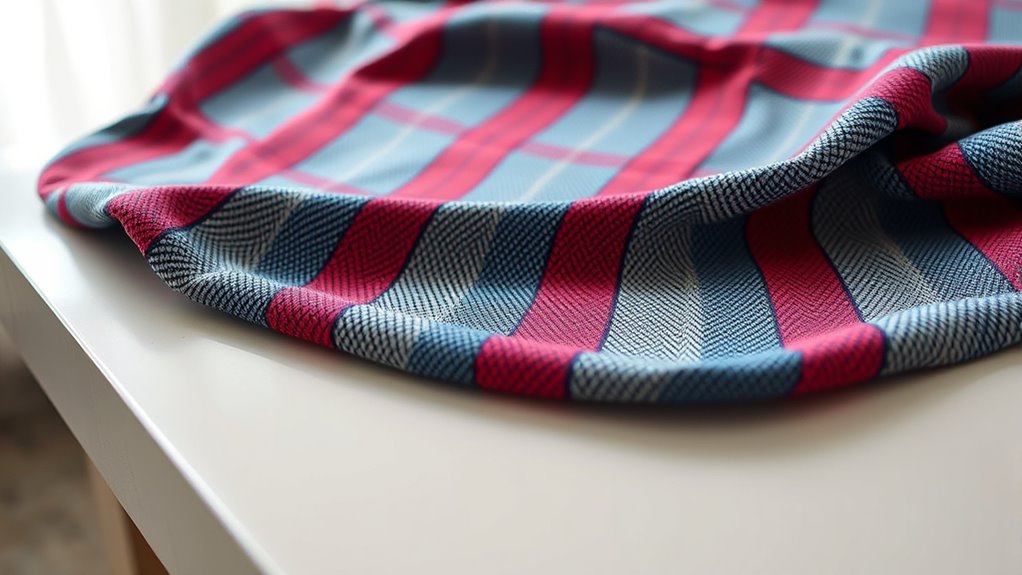
Prewashing your fabrics can substantially impact how well patterns and seams align after you sew. If you skip prewashing, fabric may shrink unevenly, disrupting fabric pattern matching and seam alignment. To ensure the best results:
- Always prewash fabrics with intricate patterns to prevent misalignment later.
- Check for shrinkage before cutting your pattern pieces to avoid uneven seam alignment.
- Use the same prewashing process for all fabric pieces to maintain consistency in pattern matching and seam accuracy.
Prewashing reduces the risk of distorted fabric pattern matching, which can cause seams to misalign after sewing. It also helps you identify potential shrinkage issues early on, making it easier to achieve precise seam alignment, resulting in a cleaner, more professional finish.
Alternatives to Prewashing for Saving Time and Preserving Fabric Quality

When you want to save time and protect your fabric’s quality, exploring alternatives to prewashing can be highly beneficial. Instead of prewashing, consider using fabric softeners or eco-friendly detergents that gently clean without harsh effects. These options help maintain fabric integrity and reduce the need for additional washing. Additionally, spot cleaning stains promptly prevents the need for full prewash cycles. You can also soak garments in a mild solution of eco-friendly detergent before washing to loosen dirt without prewashing. Here’s a quick comparison:
| Method | Benefits |
|---|---|
| Fabric softeners | Keep fabric soft, reduce static, save time |
| Eco-friendly detergents | Gentle cleaning, eco-conscious, preserve fabric |
Using these alternatives helps you save time while maintaining your fabric’s quality.
Tips for Proper Prewashing and Post-Prewash Care
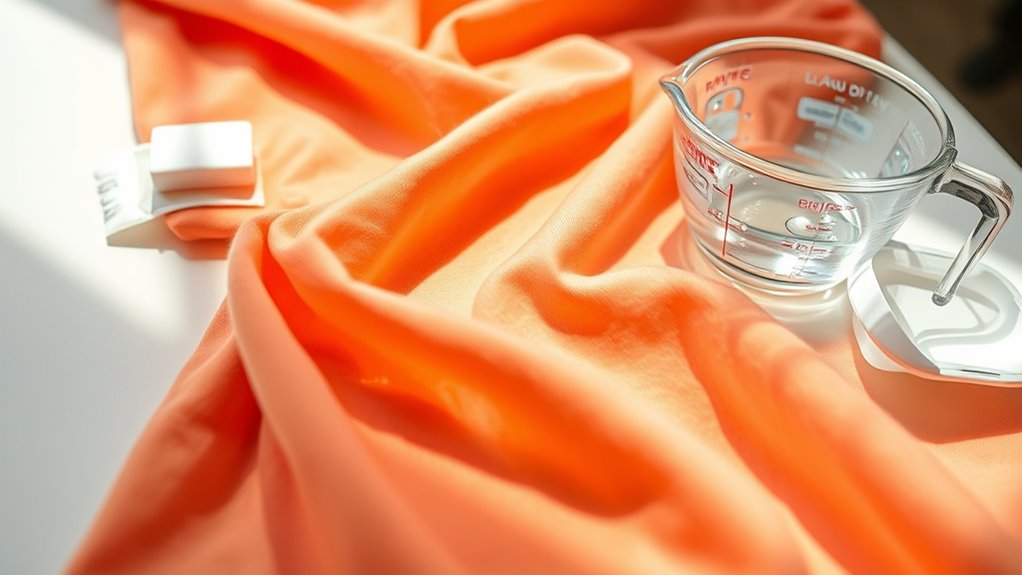
To guarantee your garments maintain their quality, it’s essential to follow proper prewashing and post-prewash care routines. First, always check washing machine settings—use gentle cycles for delicate fabrics and cold water to prevent shrinking. Second, add fabric softener during the rinse cycle to keep fabrics soft and reduce static. Third, after washing, promptly remove clothes to prevent wrinkles and mildew. When prewashing, consider using a mild detergent and avoiding harsh chemicals that can weaken fibers. Post-wash, hang clothes to dry naturally when possible, or use low heat settings if you tumble dry. Proper care minimizes damage and extends your garments’ lifespan, ensuring they stay fresh and in good condition over time.
Frequently Asked Questions
Can Prewashing Remove All Types of Fabric Stains Effectively?
Prewashing fabric can help remove many stains, but it doesn’t work equally well on all fabric types or stain kinds. For example, delicate fabrics like silk may need gentle treatment, while oil-based stains might require specific stain removal techniques before washing. You should prewash if there’s a visible stain or if you’re unsure about the stain’s nature. However, avoid prewashing delicate fabrics excessively, as it might damage them or set certain stains.
How Does Prewashing Influence the Longevity of Printed or Embroidered Fabrics?
Think of prewashing as a shield that preserves your fabric’s story. It gently strengthens the fabric, reducing the risk of color fading and unraveling of embroidery over time. By prewashing, you foster a resilient fabric that stands the test of countless wears and washes. Without it, delicate prints and embroidery may fade faster, losing their vibrant charm. Prewashing keeps your treasured pieces looking fresh and lively, extending their life beautifully.
Is Prewashing Necessary for All New Garments Regardless of Fabric Type?
You don’t need to prewash all new garments, especially if they’re made from fabric dyeing that’s already set or if sizing isn’t an issue. However, for garments with vibrant prints or delicate fabrics, prewashing helps prevent color bleeding and guarantees proper fit. Always consider the fabric type and garment care instructions to decide if prewashing is necessary, so your clothing stays looking great longer.
What Are the Best Methods to Prewash Delicate or Vintage Fabrics Safely?
To gently refresh delicate or vintage fabrics, hand wash them in cold water with a mild detergent. Use fabric softening to prevent stiffness, and consider dye fixing agents if the fabric’s color is prone to bleeding. Avoid harsh chemicals or agitation, which can damage fragile fibers. This careful approach maintains the fabric’s integrity, keeps colors vibrant, and ensures your treasured pieces stay beautiful for years to come.
Does Prewashing Affect the Resale Value of Vintage or Secondhand Clothing?
Prewashing can positively or negatively impact the resale value of vintage clothing. If you prewash carefully, it might make the item more appealing to buyers by ensuring cleanliness and freshness, boosting its resale value. However, overdoing it or damaging the fabric can reduce its authenticity and value. You should consider the garment’s condition and fabric type to preserve its vintage charm, which keeps its resale value high.
Conclusion
Did you know that up to 70% of fabric shrinkage happens during the first wash? Whether you prewash or skip it, understanding your fabric’s needs helps you avoid surprises later. By choosing wisely, you can save time, preserve colors, and maintain your garment’s fit. Remember, proper prewashing techniques and knowing when to skip can make your sewing projects look professional and last longer. Your choices now shape the quality of your finished piece.
Fall yard work Picks
leaf blowers
As an affiliate, we earn on qualifying purchases.