When starting your woodworking project, the first tool to use is the bench pin, as it provides stability for cutting and shaping, reducing your chances of slips or accidents. Next, make sure your vise is clean and properly adjusted to safely hold your work. Tumblers and ultrasonic cleaners come afterward to keep your tools in good shape. Prioritizing these steps sets a safe, efficient foundation that helps your workflow go smoothly—continue to discover more tips for safe woodworking.
Key Takeaways
- The bench pin should be installed and ready first to provide a stable work surface.
- Use the vise next to securely hold workpieces during shaping or cutting tasks.
- Clean tools and workspaces with tumblers or ultrasonic cleaners after setup to ensure safety and efficiency.
- Regularly maintain and inspect the bench pin and vise to prevent accidents during use.
- Clean tools with tumblers or ultrasonic cleaners after work to maintain safety and optimal performance.
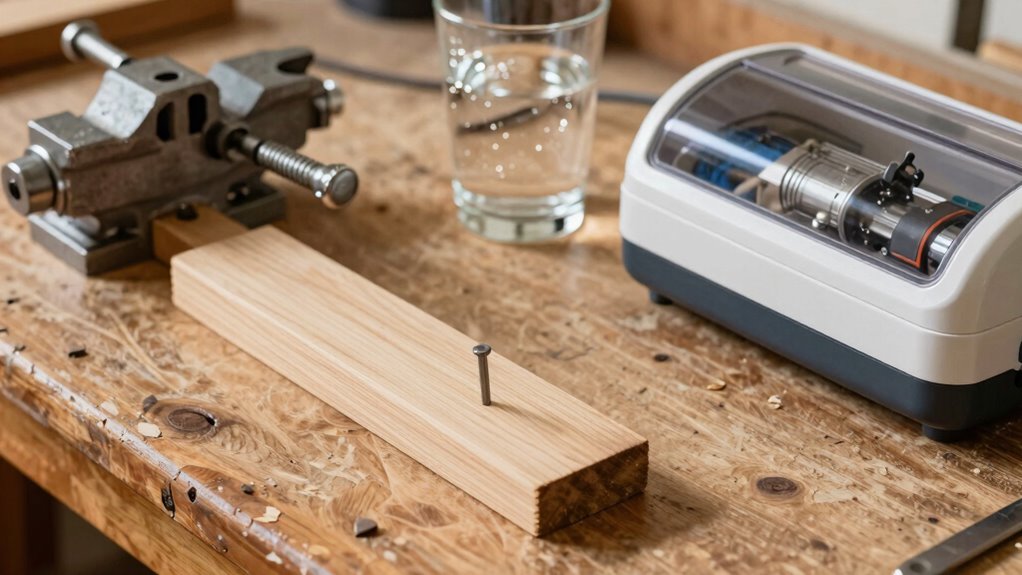
Getting started with woodworking can feel overwhelming, especially when you’re faced with a toolbox full of different tools. The key is knowing which tool to use first to keep your project safe and efficient. When you begin, your priority should be maintaining proper woodworking safety. This means setting up your workspace correctly, wearing protective gear, and understanding how each tool works. Once safety is assured, the next step is to focus on the tools that will help you prepare your materials and keep everything in good condition.
Prioritize safety first, then focus on preparing and maintaining your tools for a smooth woodworking journey.
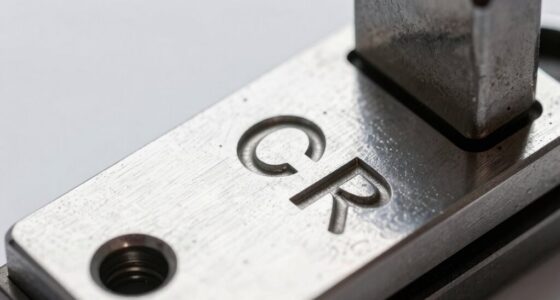
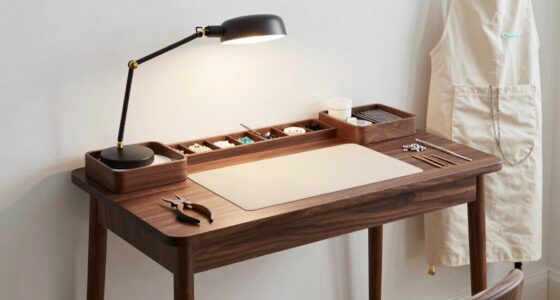
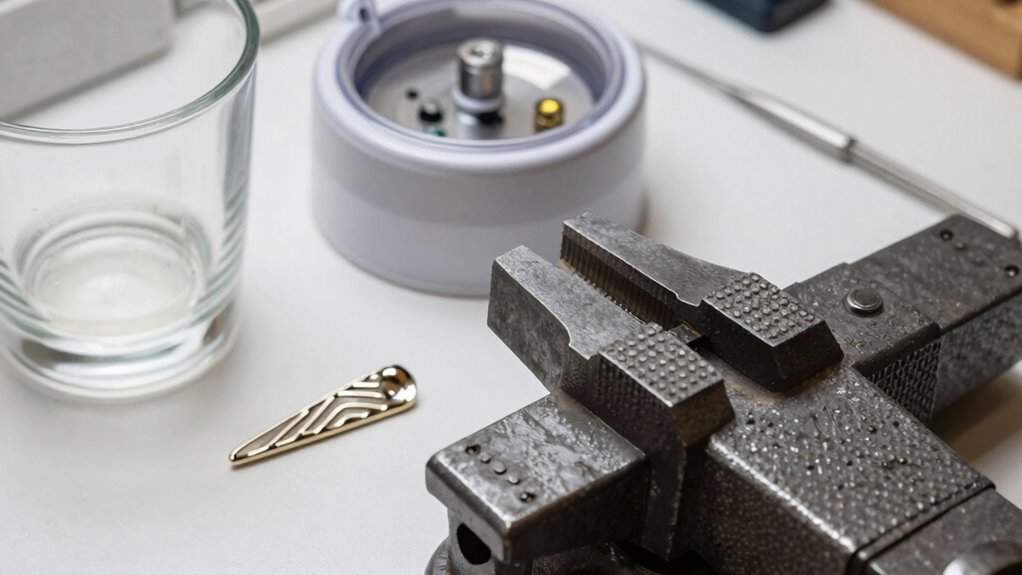
A bench pin is a fundamental tool that helps you hold your work securely while you cut, carve, or shape wood. It provides stability, which is vital for precision and safety. Using a bench pin correctly prevents slips and accidents, making it one of the first tools you should use. Before diving into detailed work, make sure your bench pin is properly installed and clean. Regular tool maintenance, like checking for damage or debris—especially on the bench pin—ensures your work stays safe and accurate. Keeping your tools in good condition reduces the risk of mishaps and prolongs their lifespan. Proper tool maintenance is essential for ensuring consistent safety during woodworking.
Next, a vise is another essential tool that gives you extra control when working on challenging or delicate pieces. It holds your project steady so you can work more precisely and with less fatigue. Before you clamp anything into the vise, double-check that it’s clean and functioning smoothly. Tool maintenance is vital here, too—lubricate the screw, tighten loose parts, and replace worn pads if needed. This way, you avoid accidents caused by slipping or sudden tool failure. Using a vise early in your process helps you work more confidently and safely. Additionally, proper tool handling is crucial to prevent accidents and ensure a smooth workflow. Incorporating routine maintenance into your workflow can significantly extend the lifespan of your tools and improve safety. Remember, well-maintained tools are less likely to cause unexpected failures that could lead to injury.
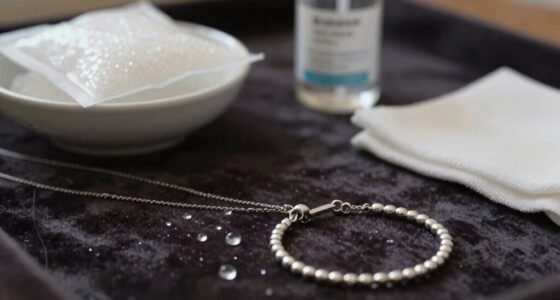
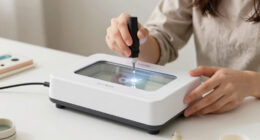
As you progress, a tumbler or ultrasonic cleaner might come into play for cleaning your tools or small parts. A tumbler uses abrasive media to remove dirt and rust, while an ultrasonic cleaner uses sound waves to achieve a thorough clean. These tools aren’t typically used first but are important for tool maintenance after your work session. Keeping your tools clean prevents buildup that can cause slipping or damage, which ties directly into safety. Properly maintained tools work better, last longer, and reduce the risk of injury. Incorporating proper cleaning techniques helps ensure your tools remain in optimal condition for safe and effective work.
bench pin for woodworking
As an affiliate, we earn on qualifying purchases.
As an affiliate, we earn on qualifying purchases.
Frequently Asked Questions
Can I Use a Bench Pin for Metalworking Projects?
Yes, you can use a bench pin for metalworking projects. It’s essential for providing a stable, secure surface, especially for detailed tasks like filing, sawing, and shaping. Bench pin uses are versatile, helping you perform precise cuts and intricate metalworking techniques. By supporting your workpiece, it allows you to focus on accuracy and safety, making it a valuable tool for any metalworker’s workspace.
What Safety Precautions Are Needed When Using a Vise?
Think of your vise as a trusty steed; to keep it safe, you need protective gear like gloves and safety glasses. Always follow safety guidelines to prevent slips or accidents. Secure your work firmly, and never force materials—your safety depends on controlled, deliberate actions. By respecting these precautions, you guarantee your work remains safe and successful, turning a simple task into a skillful, worry-free craft.
How Often Should I Clean My Ultrasonic Cleaner?
You should clean your ultrasonic cleaner after every few uses, especially if you’re working with dirty or greasy items. Follow your maintenance schedule and use appropriate cleaning solutions to keep it in top condition. Regular cleaning prevents buildup that can damage the device or affect cleaning performance. Make sure to run the cleaner with water and cleaning solution, then rinse thoroughly and dry before the next use.
Are Tumblers Suitable for All Types of Jewelry?
Did you know that over 80% of jewelry owners worry about damaging their pieces during cleaning? Tumblers aren’t suitable for all jewelry types; their material compatibility varies. They work well for sturdy items like silver or gold, but not for delicate stones or intricate designs. Always check the jewelry material before tumbling. For fragile or mixed materials, hand cleaning or ultrasonic cleaning is a safer option.
Which Tool Is Best for Delicate or Detailed Work?
For delicate or detailed work, you should start with a bench pin. It provides precise control, making it easier to execute intricate polishing techniques or engraving methods. Using a bench pin allows you to stabilize your piece and work carefully on fine details. This control helps prevent damage and guarantees accuracy. Once you’ve refined the details, you can move on to other tools for polishing or cleaning, achieving a professional finish.
woodworking vise with adjustable jaws
As an affiliate, we earn on qualifying purchases.
As an affiliate, we earn on qualifying purchases.
Conclusion
Think of your tools as guiding stars on your woodworking journey. Starting with the bench pin anchors your work, like a steady lighthouse guiding ships safely. Moving to the vise secures your focus, much like a sturdy anchor holding a boat in place. The tumbler or ultrasonic cleaner then acts as a shining mirror, revealing the true clarity of your craftsmanship. By following this sequence, you guarantee your project’s success, like a well-orchestrated symphony reaching its perfect crescendo.
ultrasonic cleaner for tools
As an affiliate, we earn on qualifying purchases.
As an affiliate, we earn on qualifying purchases.
tumbler for metal and jewelry cleaning
As an affiliate, we earn on qualifying purchases.
As an affiliate, we earn on qualifying purchases.