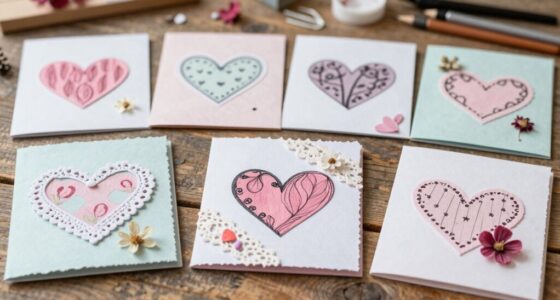
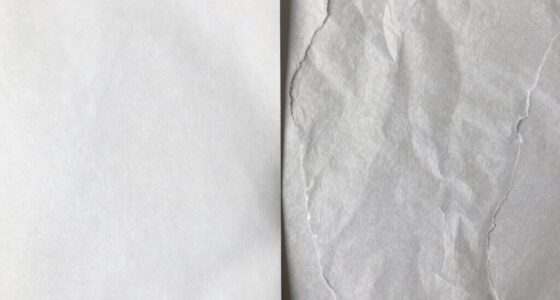
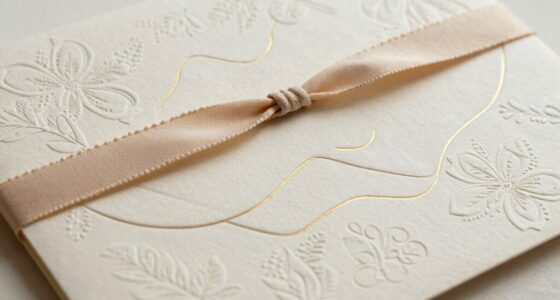
In paper crafts, clean minimalism uses restrained, monochromatic or muted tones with sleek, polished textures to create a sophisticated and modern look. Empty design, however, relies on neutral or stark colors and varied tactile surfaces to evoke serenity and openness. While minimalism emphasizes precise composition with carefully curated elements, empty design highlights generous negative space that invites reflection. If you keep exploring, you’ll discover how these styles can elevate your craft projects uniquely.

Get business pricing on tools and workshop supplies
- Business-only prices and quantity discounts
- Tax-exempt purchasing
- Multiple users, one account, clear invoices
Key Takeaways
- Minimalism uses restrained, monochromatic color palettes with sleek, polished textures, emphasizing precision and curated elements.
- Empty design employs neutral or stark colors, focusing on negative space to create openness and tactile curiosity.
- Minimalism’s compositions are carefully balanced with deliberate placement, while empty design prioritizes spaciousness and reflection.
- Material textures in minimalism are smooth and refined; empty design features varied, tactile surfaces for sensory engagement.
- Both styles aim for simplicity but evoke different emotions: calm and sophistication in minimalism, serenity and openness in empty design.

Have you ever wondered how different paper craft styles can evoke distinct emotions and aesthetics? When you explore the world of paper crafts, you quickly notice that two popular styles—clean minimalism and empty design—each create unique visual experiences, largely through their use of color palettes and material textures. Both styles emphasize simplicity, but they do so in different ways that influence how viewers feel and interpret your work.
Exploring paper craft styles reveals how minimalism and empty design evoke unique emotions through color and texture choices.
In clean minimalism, you focus on a restrained color palette. You might stick to monochromatic tones or a few muted colors, which help create a sense of calm and order. These subdued hues allow your design to breathe without overwhelming the viewer. When selecting material textures, you often opt for smooth, sleek surfaces like glossy cardstock or matte finishes. These textures reinforce the minimalist aesthetic, giving your craft a polished, refined look. The combination of carefully chosen colors and refined textures results in designs that feel intentional, sophisticated, and modern. Every element serves a purpose, and nothing feels superfluous. Additionally, color harmony plays a crucial role in achieving the balanced and cohesive look characteristic of clean minimalism.
On the other hand, empty design emphasizes space and simplicity but often employs a different approach to color palettes and material textures. Here, you might use very neutral or even stark colors—think whites, creams, or soft pastels—that create a sense of openness and serenity. The key is not the complexity of color but the strategic use of negative space, which allows your design to breathe and invites viewers to focus on the overall composition. Material textures in empty design tend to be more varied, sometimes featuring rougher or more tactile surfaces like textured cardstock, handmade paper, or even layered elements that add depth despite the minimalist approach. These textures can evoke a tactile curiosity and invite viewers to engage with the craft on a sensory level. Additionally, incorporating a sense of sustainability through natural or recycled materials can enhance the connection to eco-conscious practices.
While both styles lean toward simplicity, their differences lie in how they use color and texture to evoke emotion. Clean minimalism is about precision, clarity, and a sleek aesthetic that communicates elegance through restrained choices. Empty design, however, aims to evoke a sense of calm and openness, often by playing with space and tactile richness. As you create, consider how your choice of color palettes and material textures influences the emotional tone of your paper crafts. Whether you prefer the crisp, streamlined look of minimalism or the open, tactile feel of empty space, understanding these nuances helps you craft pieces that truly resonate.
glossy cardstock paper for minimalistic crafts
As an affiliate, we earn on qualifying purchases.
As an affiliate, we earn on qualifying purchases.
Frequently Asked Questions
How Do I Choose Between Clean Minimalism and Empty Design?
You should choose between clean minimalism and empty design based on your project’s goal. If you want a sleek, refined look, opt for clean minimalism with simple color palettes and subtle texture contrasts. For a more spacious, airy feel, go for empty design, emphasizing negative space and bold contrasts. Consider the message you want to convey and how the use of color and texture can enhance your paper craft’s overall impact.
Are There Specific Occasions Suited for Each Style?
You’ll find clean minimalism suits occasions emphasizing elegance, like weddings or formal events, especially when seasonal themes or cultural influences are subtle. Empty designs work well for casual gatherings or birthdays, allowing space for personalization. Consider the vibe you want to create; minimalism highlights sophistication, while emptiness invites creativity. Match your paper craft style to the occasion’s mood, cultural context, and seasonal themes for a memorable finish.
Can These Styles Be Combined in One Project?
Yes, you can definitely combine clean minimalism and empty design in one project. Focus on maintaining color harmony to keep the look cohesive, and use texture contrast to add depth and interest. Keep the overall layout simple with strategic empty space, then incorporate minimal elements to create a balanced, elegant design. This blend allows you to highlight key details while preserving a sophisticated, uncluttered aesthetic.
What Materials Best Complement Clean Minimalism?
You’ll find that neutral color palettes, like whites, grays, and soft pastels, work best for clean minimalism, creating a calm, sophisticated look. Texture contrasts, such as smooth paper paired with embossed or layered elements, add subtle interest without clutter. These materials, combined with sleek scissors, precise rulers, and quality paper, help you achieve a refined, minimalist aesthetic. The right choice of textures and colors brings your design to life effortlessly.
How Does Audience Perception Differ Between the Two Styles?
You’ll notice that audience perception varies greatly between clean minimalism and empty design. With clean minimalism, color psychology plays a key role, evoking calmness and clarity, which enhances the emotional impact. Conversely, empty design relies on space to create intrigue and focus, often making viewers feel contemplative or curious. Your audience perceives these styles differently—one offers reassurance and simplicity, while the other invites exploration and reflection.
textured handmade paper for empty design projects
As an affiliate, we earn on qualifying purchases.
As an affiliate, we earn on qualifying purchases.
Conclusion
As you step back from your paper craft, imagine the gentle whisper of delicate paper edges, the quiet elegance of uncluttered space framing your creation. Clean minimalism invites you to breathe in simplicity’s calm, while empty design offers a canvas of potential, waiting for your touch. Both styles beckon you to explore your artistry, revealing that sometimes, less isn’t just more—it’s a space where your imagination can truly breathe, flourish, and take flight.
matte finish paper for paper crafting
As an affiliate, we earn on qualifying purchases.
As an affiliate, we earn on qualifying purchases.
recycled natural paper for eco-friendly crafts
As an affiliate, we earn on qualifying purchases.
As an affiliate, we earn on qualifying purchases.
Fall Picks
fall essentials
As an affiliate, we earn on qualifying purchases.