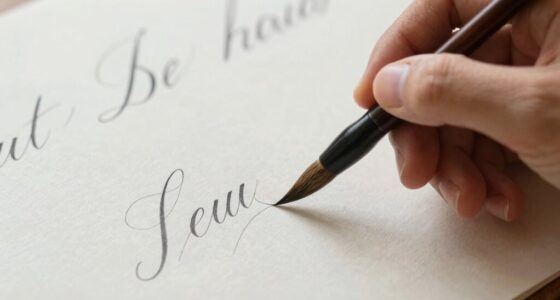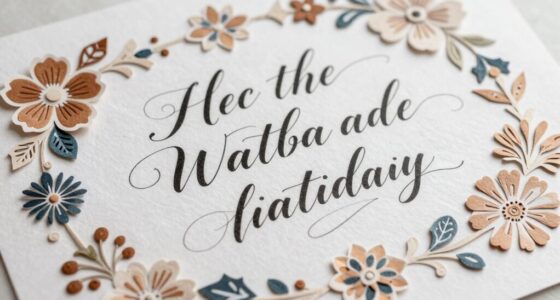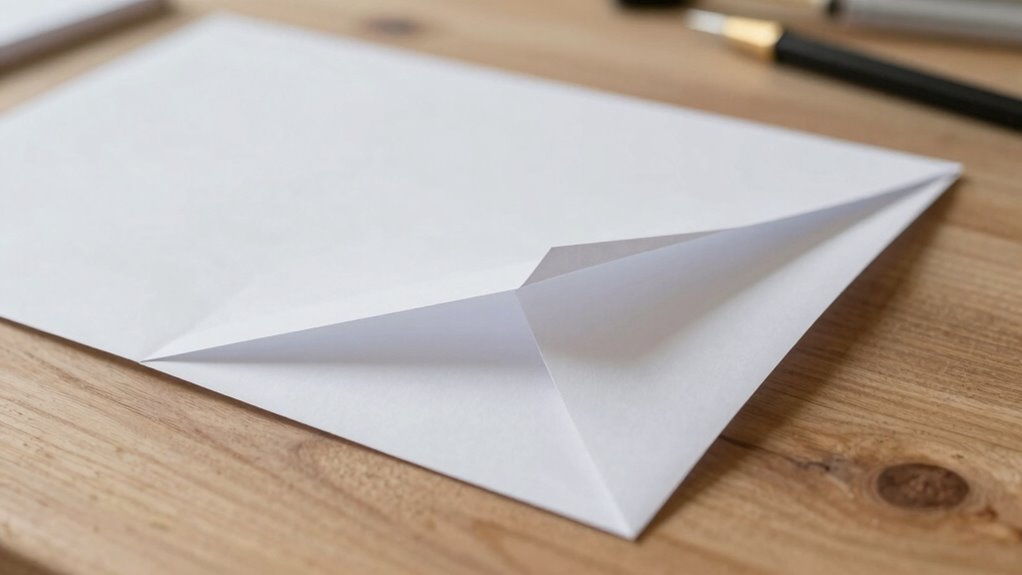

You’ll find that the best paper projects focus on simplicity and restraint because it highlights craftsmanship and intentional design. By holding back on unnecessary decoration, you allow each element to stand out and resonate more deeply. Minimalist approaches emphasize quality over quantity, creating a sleek and refined look. This restraint invites curiosity and shows mastery in technique. If you want to understand how less can truly be more, keep exploring these passionate design principles.

Get business pricing on tools and workshop supplies
- Business-only prices and quantity discounts
- Tax-exempt purchasing
- Multiple users, one account, clear invoices
Key Takeaways
- Minimal decoration emphasizes craftsmanship, making the project’s core design elements more impactful.
- Restraint allows each element to breathe, creating a more refined and elegant overall composition.
- Holding back from excess decoration highlights the artist’s skill and intentionality.
- Simplicity directs focus to technique and material quality, enhancing visual harmony.
- Less decoration fosters creativity within constraints, leading to more innovative and meaningful designs.
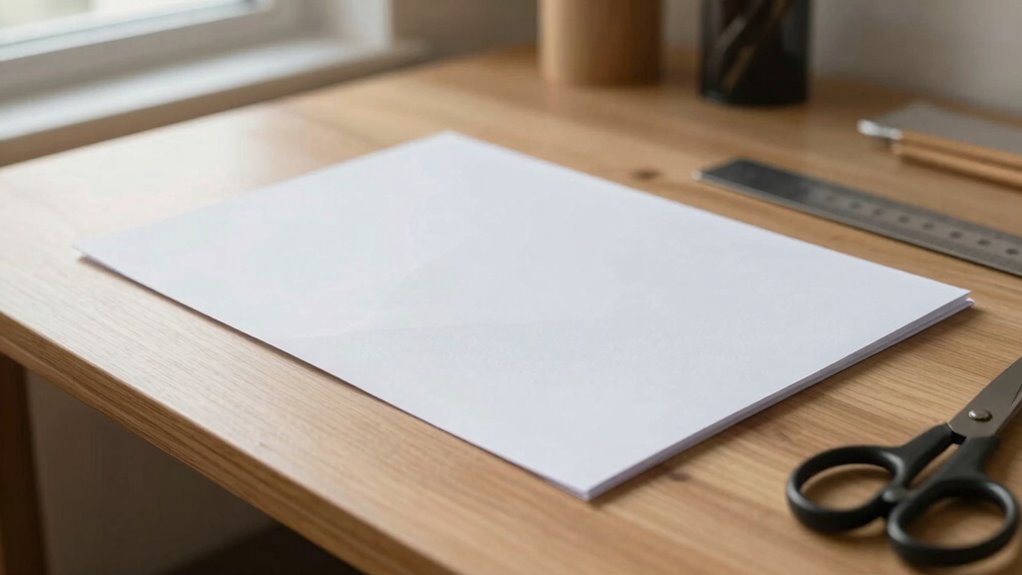
Have you ever wondered how simple paper can transform into stunning decorations and creative projects? The secret often lies in understanding that the best paper projects don’t rely on heavy embellishments or cluttered designs. Instead, they embrace a minimalist approach, where less truly becomes more. When you focus on simplicity, each element you include has more impact, making the entire piece feel intentional and refined. This approach isn’t about stripping away creativity—it’s about exercising creative restraint, choosing quality over quantity, and allowing the natural beauty of your materials to shine.
Simplicity in paper art enhances impact, elegance, and craftsmanship through thoughtful restraint and natural beauty.
In many cases, the most striking paper projects are those where the design isn’t overwhelmed by unnecessary decoration. When you hold back, you give your work room to breathe, emphasizing clean lines, subtle textures, and thoughtful details. This restraint often results in a more elegant and sophisticated look that resonates deeply with viewers. It’s tempting to add a flourish here or a fancy embellishment there, but the most successful projects teach you that restraint can elevate your craft. This discipline pushes you to be selective, asking yourself what truly adds value and what merely distracts.
Adopting a minimalist approach doesn’t mean sacrificing creativity. Instead, it challenges you to think more critically about your design choices. You learn to prioritize quality over quantity, opting for fewer but more impactful elements. For example, a simple paper sculpture with a delicate cut pattern or a monochrome color palette often outshines a cluttered, overly decorated piece. The beauty of minimalism is that it invites the viewer’s eye to focus on the form, texture, and craftsmanship, rather than being lost in a sea of unnecessary decoration. Additionally, understanding the importance of natural materials can enhance the authenticity and elegance of your projects. Recognizing how material selection influences the overall aesthetic can lead to more cohesive and refined outcomes. Furthermore, honing your skills in precision and craftsmanship can elevate even the simplest designs to a higher level of artistry. Developing an awareness of visual balance also plays a crucial role in creating harmonious compositions that feel thoughtfully arranged.
This disciplined focus encourages you to explore innovative techniques that emphasize craftsmanship and creativity within constraints. When you restrict yourself from over-embellishing, you’re compelled to explore clever techniques, such as intricate folds, precise cuts, or subtle variations in paper thickness. These techniques become the focal points, demonstrating that excellent design isn’t about excess but about mastery and intent. The best paper projects often have a quiet confidence, with their simplicity speaking volumes. They remind you that sometimes, less truly is more, and that restraint can be a powerful tool in transforming humble paper into extraordinary art.
As an affiliate, we earn on qualifying purchases.
Frequently Asked Questions
How Do I Choose the Right Paper for My Project?
You choose the right paper by considering its texture and color matching with your project. Opt for paper with a texture that complements your design—smooth for sleek looks, textured for a tactile feel. Match the paper’s color to your theme or artwork to guarantee harmony. Test different options before committing, so you find a paper that enhances your project without overwhelming it, keeping the focus on your main message.
What Are Common Mistakes When Decorating Paper Projects?
Imagine decorating a cake; too much frosting can overwhelm the design. Similarly, common mistakes in paper projects include poor color coordination and over-embellishing. You might choose clashing colors or overcrowd your work, distracting from its core. Instead, focus on simple, cohesive color schemes and selective embellishment techniques. Less is often more, helping your paper project look polished and professional rather than cluttered.
How Can I Improve the Durability of Paper Projects?
To improve your paper project’s durability, focus on strong paper folding techniques and use quality adhesive methods. Reinforce edges and joints with double-sided tape or glue to prevent tearing. Consider sealing your project with a clear spray or laminate to protect it from moisture and wear. Properly folding and securely attaching pieces help your project withstand handling, ensuring it stays intact longer and maintains its appearance over time.
Are There Eco-Friendly Decoration Options for Paper Crafts?
Yes, you can choose eco-friendly decoration options like eco paints and recycled embellishments for your paper crafts. Eco paints are made from natural or low-impact ingredients, making them safe for the environment. Recycled embellishments, such as buttons, paper scraps, or fabric pieces, add charm without waste. Using these options not only enhances your project but also supports sustainability, making your craft eco-conscious and beautiful.
How Long Should a Paper Project Last Without Decoration?
You should aim for a paper project to last at least a week without decoration, especially if you want it to maintain its integrity. Studies show that unadorned paper can stay in good condition for up to two weeks depending on storage and environment. Focus on the project timeline, and you’ll find that keeping decoration minimal initially helps preserve paper longevity, giving your project a longer, more durable lifespan.
precision craft scissors for paper
As an affiliate, we earn on qualifying purchases.
As an affiliate, we earn on qualifying purchases.
Conclusion
You might think adding decorations makes a paper project stand out, but often, less is more. When you hold back on unnecessary embellishments, your ideas shine through more clearly, proving that simplicity truly is powerful. It’s not about hiding effort but letting your work speak for itself. Trust the theory that restraint enhances impact—sometimes, the most impressive results come from focusing on substance over style. Less decoration, more honesty—that’s what makes a project truly memorable.
high-quality craft paper for minimal designs
As an affiliate, we earn on qualifying purchases.
As an affiliate, we earn on qualifying purchases.
crafting knives for detailed paper projects
As an affiliate, we earn on qualifying purchases.
As an affiliate, we earn on qualifying purchases.
Fall yard work Picks
leaf blowers
As an affiliate, we earn on qualifying purchases.