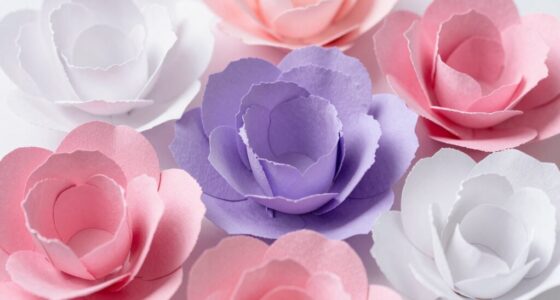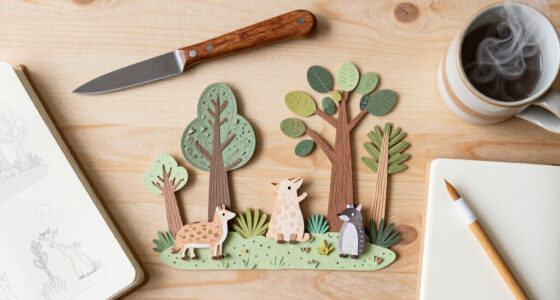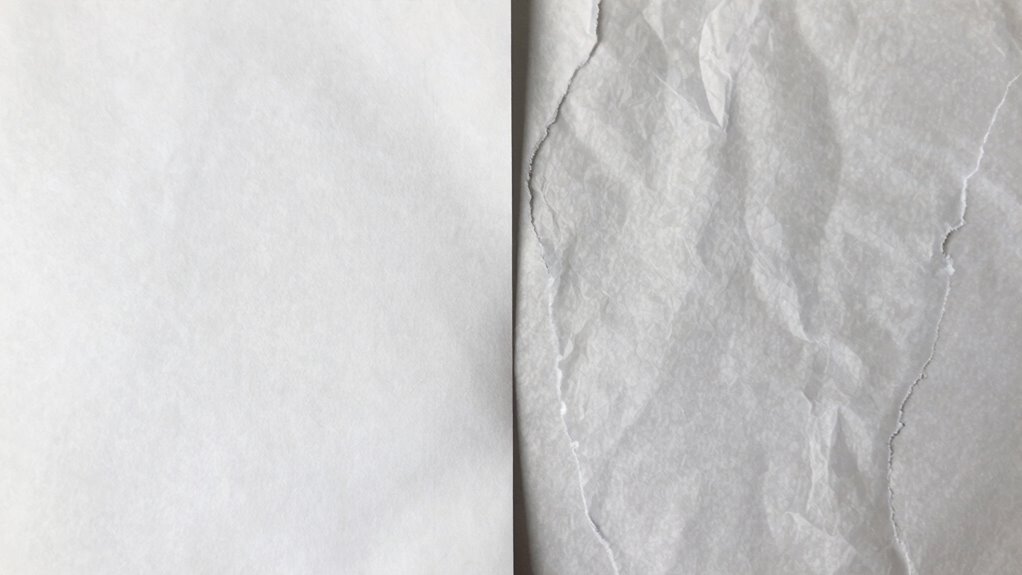

The texture and fiber structure of the paper you choose greatly affect how it feels and holds up. Smooth, high-quality paper with tight fibers tends to feel crisp, sturdy, and resistant to tearing and creasing. In contrast, rough or porous textures with looser fibers might seem flimsy and are more prone to damage. By understanding these factors, you can select the right paper for your project, and there’s more to discover that can help you choose wisely.

Get business pricing on tools and workshop supplies
- Business-only prices and quantity discounts
- Tax-exempt purchasing
- Multiple users, one account, clear invoices
Key Takeaways
- Crisp-feeling paper typically has a smooth texture and high fiber density, providing structural stability.
- Flimsy paper often has a rough or porous texture with looser fibers, making it more prone to tearing.
- Thicker, heavyweight papers tend to feel more durable and crisp compared to thin, lightweight options.
- Manufacturing quality and fiber composition influence how firm or flimsy the paper feels.
- Finish type, like glossy or matte, affects tactile perception and overall sturdiness.
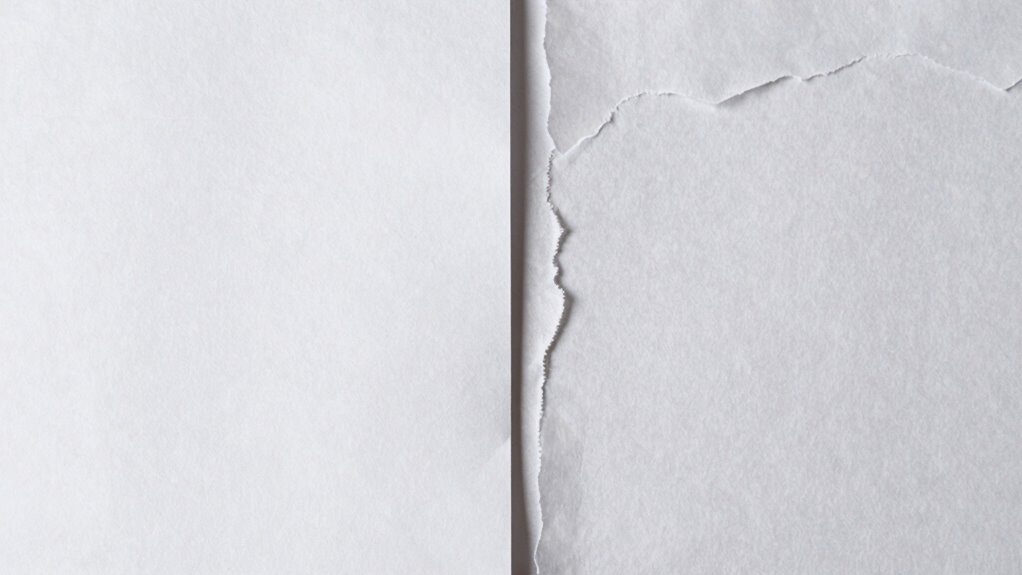
Have you ever noticed that some paper projects feel sturdy and crisp, while others seem flimsy and fragile? The difference often comes down to the paper’s texture and how it impacts the project’s durability. When you work with paper, you might assume that all sheets are created equal, but subtle variations in texture can dramatically influence how your finished piece turns out. The texture determines how the paper responds to handling, folding, and layering, which in turn affects how long your project will last. Recognizing the importance of fiber structure can help you select the right paper for your needs. Additionally, understanding the fiber composition can reveal how well the paper will hold printed or painted elements over time.
Smooth, high-quality paper generally feels crisp and solid because it’s designed to be more durable. These papers usually have a tighter fiber structure, meaning they resist tearing and creasing more effectively. The smooth texture provides a clean surface for printing or drawing, giving your project a professional look. Conversely, paper with a rough or porous texture tends to feel flimsy. Its loose fibers make it more prone to tearing, wrinkling, or absorbing inks unevenly. When you use such paper, the project might look nice at first but won’t hold up well over time, especially if it’s handled frequently or subjected to moisture.
High-quality, smooth paper resists tearing and creasing, ensuring a durable, professional-looking project.
The choice of paper texture is crucial for the overall project durability. Thicker, heavyweight papers, like cardstock or watercolor paper, naturally offer more robustness. They can withstand folding, gluing, and other manipulations without losing their shape or tearing. Thin, lightweight papers, including tissues or thin craft papers, are more delicate. They’re better suited for decorative purposes or short-term projects, but they’re less durable in the long run. If you want your project to last, selecting a paper with a sturdy texture is essential. It’s also important to consider the finish—glossy or matte—that can influence how the paper reacts to inks, paints, or adhesives, further affecting its durability. Moreover, the fiber density of the paper can also impact how well it resists wear and tear over time. Being aware of manufacturing processes can further help in choosing high-quality options that maintain their integrity longer.
In the end, understanding how paper texture impacts project durability helps you make better choices. When your goal is a long-lasting, crisp-looking project, opt for thicker, smoother papers. For temporary or decorative work, lighter, more textured options might suffice. Paying attention to these subtle differences ensures your craft not only looks great but also stands the test of time. So next time you pick out paper, remember that the texture isn’t just about how it feels—it’s about how well your project will hold up down the line.
As an affiliate, we earn on qualifying purchases.
Frequently Asked Questions
How Does Humidity Affect Paper Texture?
Humidity affects your paper’s texture by influencing moisture absorption, which depends on its fiber composition. When humidity rises, paper absorbs more moisture, making it feel softer or even flimsy. Conversely, low humidity causes the fibers to dry out, resulting in a crisper, stiffer texture. The type of fibers in the paper determines how much moisture it absorbs, impacting its overall feel and durability in different environmental conditions.
What Role Does Paper Coating Play?
Imagine a gentle veil settling over your paper—paper coating plays a essential role in this transformation. It influences the coating finish and surface texture, creating a smooth, crisp feel or a more delicate, flimsy touch. A high-quality coating finish enhances durability and sharpness, making your project feel more substantial. Conversely, a lighter, matte coating can lend a softer, more fragile sensation, affecting how your project is perceived and handled.
Can Printing Methods Change Paper Stiffness?
Yes, printing methods can change paper stiffness. When you choose a printing technique, it affects ink absorption and surface smoothness, which in turn influence how stiff or flimsy the paper feels. For example, high-quality offset printing creates a smooth surface that maintains stiffness, while certain digital printing methods might increase ink absorption, making the paper feel softer. Your choice of method directly impacts the tactile quality of your project.
How Does Paper Storage Influence Feel?
Storing paper in a cool, dry place helps preserve its stiffness, preventing it from becoming flimsy. If you keep paper sealed, it maintains its natural scent and color brightness, making it feel crisper. Exposure to humidity or heat can cause the paper to absorb moisture, softening the fibers and reducing its rigidity. Proper storage guarantees your paper retains its original quality, giving your projects a professional, crisp feel.
Do Different Paper Weights Impact Durability?
Higher paper weights generally boost durability because they provide a sturdier base. For example, a thick cardstock resists tearing better than thin paper, maintaining its texture and ink adhesion over time. Heavier papers feel more substantial and less flimsy, which is essential for professional projects. These weights enhance paper texture, making the surface feel premium, and improve ink adhesion, ensuring your designs stay sharp and vibrant without peeling or smudging.
As an affiliate, we earn on qualifying purchases.
Conclusion
Ultimately, the feel of your paper project hinges on the materials and preparation you choose. While some believe that thicker paper or crisp folding techniques make projects feel sturdy, others argue that proper handling and design matter more. The truth likely lies somewhere in between—you can’t just pick the right paper without considering your process. By experimenting and paying attention to detail, you’ll discover what makes your projects feel truly crisp or flimsy, shaping your craft with intention.
As an affiliate, we earn on qualifying purchases.
As an affiliate, we earn on qualifying purchases.
Fall Picks
fall essentials
As an affiliate, we earn on qualifying purchases.