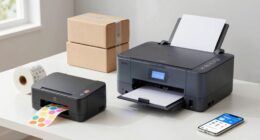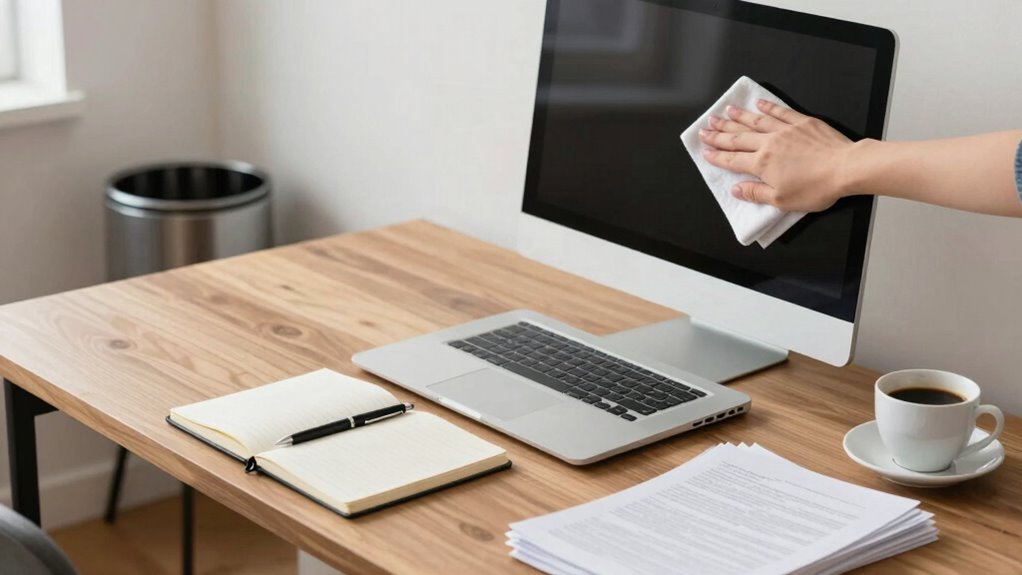

To clean up as you work without breaking your flow, develop small routines you do naturally, like filing completed documents and closing unused tabs regularly. Use timers for quick 30-minute cleanup sessions and incorporate tidy actions into your normal workflow, such as tossing trash or organizing supplies. Leverage digital tools and physical organizers to keep everything accessible, making cleanup effortless. Keep these habits consistent, and you’ll maintain a clutter-free space that boosts focus—stick around to discover even more effective tips.
Key Takeaways
- Dedicate the last 5 minutes of each work session to quick tidying to maintain organization without interrupting flow.
- Use labeled bins and digital tools to quickly categorize and archive items as you work.
- Incorporate brief, periodic pauses to reset your workspace without disrupting momentum.
- Automate routine cleanup tasks, like closing unused tabs and deleting trash, to streamline organization.
- Develop habits of filing completed work immediately and tidying as part of your workflow routine.

Keeping your workspace tidy while working can seem like a distraction, but it’s actually a way to boost your productivity and maintain focus. When you organize as you go, you prevent clutter from piling up, which saves you time hunting for documents or tools later. This approach is a smart use of time management, allowing you to stay immersed in your tasks without frequent interruptions. To do this effectively, leverage productivity tools that facilitate quick cleanup—digital or physical. For example, use task managers to prioritize your work and set aside specific times to clear your desk or digital workspace.
Organize as you go using digital and physical tools to stay focused and save time.
As you work, develop habits that incorporate small, consistent cleanup routines. For instance, dedicate the last five minutes of each work session to tidying your immediate area. This could mean filing completed documents, closing unused tabs, or tossing out trash. These small acts prevent messes from becoming overwhelming and keep your workspace ready for the next burst of productivity. Remember, cleaning up as you work isn’t about perfection; it’s about maintaining a flow that’s free of unnecessary distractions. Incorporating organizational habits into your routine can make cleanup feel more natural and less like a chore.
Utilize productivity tools designed to streamline your organization. Digital tools like note-taking apps or project management software help you keep track of ongoing tasks, reducing the need to shuffle through paper or digital clutter. With these tools, you can quickly archive completed tasks and clear visual space, which enhances your mental clarity. For physical cleanup, consider storage solutions like labeled bins or drawer organizers so you can swiftly put things away without disrupting your workflow. The goal is to make cleanup effortless, so it becomes an integrated part of your work process rather than a chore. Additionally, understanding the importance of workplace organization can motivate you to stay consistent with your cleanup routines. Developing these habits can significantly improve your overall efficiency. Incorporating effective organization techniques further supports a clutter-free environment and sustained productivity.
Another effective strategy is to set a timer for quick cleanup sessions. For example, every 30 minutes, pause briefly to tidy your workspace. This habit prevents clutter from accumulating and helps you stay focused on your current task. Over time, these small, regular efforts become second nature and contribute to a more organized environment, which in turn boosts your overall productivity. Incorporating these time management techniques can further reinforce your routine and improve your workflow efficiency.
Ultimately, cleaning up as you work isn’t about stopping everything to tidy up; it’s about integrating simple, deliberate actions into your daily routine. By managing your space efficiently with the help of productivity tools and good time management practices, you maintain a clear, organized environment that enhances your focus and keeps your flow uninterrupted. This proactive approach ensures your workspace supports your work rather than hindering it, making your productivity more sustainable and less stressful.

44 Pack Labels for Storage Bins, 3×5 Inches Index Card Holder Organizer, Clear Adhesive Pockets, Plastic Label Holders for Tote Library Card Bins Box Drawer Classroom Organization
📑【For 3×5 Inch Cards】The outer size of clear adhesive pockets is 3.7 x 5.3 inch, specifically designed to…
As an affiliate, we earn on qualifying purchases.
As an affiliate, we earn on qualifying purchases.
Frequently Asked Questions
What Tools Are Best for Quick Cleanup During Work?
You should use quick-access tools like digital decluttering apps and ergonomic organizers to streamline cleanup during work. Digital decluttering tools help you instantly sort emails and files, keeping your workspace clear. Ergonomic organizers, like cable clips and desk trays, allow you to quickly tidy physical clutter without disrupting your flow. These tools keep your workspace efficient, so you can focus on tasks without long cleanup breaks.
How Do I Prevent Distractions While Cleaning Up?
To prevent distractions while cleaning up, you should set specific time blocks dedicated solely to tidying. Turn off notifications and minimize interruptions to boost focus enhancement. Use distraction reduction techniques like deep breathing or a quick mindfulness exercise before you start cleaning. Keep your cleaning tools within reach to avoid unnecessary movement. By creating a focused environment, you’ll maintain momentum and seamlessly integrate cleanup into your workflow without losing productivity.
Can Cleaning Improve My Overall Productivity?
Imagine a cluttered workspace as a tangled web—cleaning can unravel it, boosting your productivity. Yes, cleaning improves your overall productivity by enhancing workspace organization and mental clarity. When you tidy as you go, you prevent chaos from creeping in, helping you stay focused and motivated. A clean environment sparks creativity and reduces stress, making it easier to tackle tasks efficiently. So, cleaning isn’t just about tidiness; it’s a productivity game-changer.
How Often Should I Tidy up During Work Sessions?
You should tidy up during work sessions every 30 to 60 minutes to maintain organization and focus. Incorporate organizational habits like quick decluttering routines to keep your workspace neat without disrupting your flow. Regularly clearing clutter helps prevent distractions and boosts productivity. By setting a timer or creating a routine, you guarantee your workspace stays manageable, allowing you to work efficiently while effortlessly maintaining a clean environment.
What Are Some Minimalist Cleanup Strategies?
Ever wonder how minimalist cleanup strategies can boost your productivity? You can streamline your workspace organization by adopting simple habits like decluttering daily, using designated trays for essentials, and sticking to a “one-in, one-out” rule. Focus on clutter reduction by keeping only what you need close at hand. This approach keeps your workspace tidy, helps maintain focus, and guarantees your environment stays inspiring without overwhelming you.

AnyTime Organizer Deluxe 16 – Organize Your Calendar, To-Do’s and Contacts!
Works on Windows 11, 10, & 8 and includes a lifetime license.
As an affiliate, we earn on qualifying purchases.
As an affiliate, we earn on qualifying purchases.
Conclusion
Remember, cleaning as you go is like tending a garden—you keep the weeds at bay before they take over. By staying organized and tidy, you’ll find your work flowing smoothly, like a gentle stream. Don’t let clutter pile up and disrupt your rhythm; instead, make small cleaning tasks part of your routine. With this habit, you’ll keep your workspace clear and your mind sharper, turning chaos into calm and productivity into a breeze.

Marbrasse Expandable Desk Drawer Organizer, Mesh Drawer Organizer Tray with 10 Adjustable Compartments, Desk Organizers and Accessories, 5 Dividers Drawer for Office Supplies, Makeup & Vanity (Black)
【Expandable Drawer Organizer】: Marbrasse newly launched the expandable drawer organizer! The humanized drawer organizer tray owns 2 sliding…
As an affiliate, we earn on qualifying purchases.
As an affiliate, we earn on qualifying purchases.
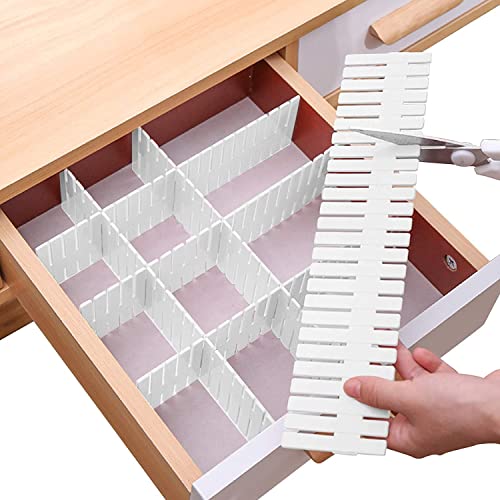
Bofoho Drawer Divider Adjustable DIY Storage Organizer Separator for Tidying Clutter Cutlery Underwear Socks Clothes Dresses Desk & Box in Kitchen Bathroom Bedroom Office (Cut at Will)
【Versatile & Multi-Purpose】: Each plastic drawer divider is approximately 12.51 inches in length and 2.67 inches in height…
As an affiliate, we earn on qualifying purchases.
As an affiliate, we earn on qualifying purchases.