
When choosing a sewing cabinet, measure your space carefully to find a model that fits comfortably without overwhelming the room. Prioritize cabinets that maximize storage while maintaining a compact footprint, especially if your area is limited. Opt for designs with adjustable features and thoughtful layouts that streamline your workflow and prevent clutter. Balancing size, functionality, and ergonomic features guarantees you won’t regret your choice later. Keep exploring, and you’ll discover tips to make sure your sewing space is both efficient and inviting.

Get business pricing on tools and workshop supplies
- Business-only prices and quantity discounts
- Tax-exempt purchasing
- Multiple users, one account, clear invoices
Key Takeaways
- Measure your available space accurately before selecting a cabinet to ensure proper fit.
- Prioritize compact designs with high storage efficiency to maximize functionality without crowding.
- Opt for multi-functional or fold-away cabinets to save space when not in use.
- Consider ergonomic features that enhance comfort without increasing the footprint.
- Choose a cabinet with a balanced size-to-storage ratio to avoid overwhelming your sewing area.
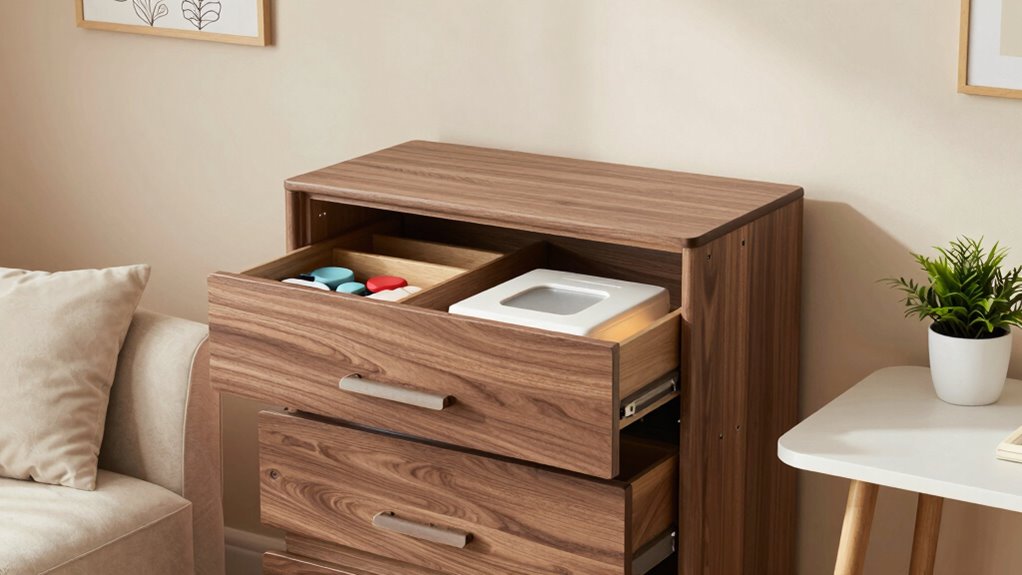
Are you overwhelmed by the variety of sewing cabinets available and unsure which one suits your needs best? It’s common to feel this way with so many options, but focusing on a few key features can help you make a confident choice. First, evaluate how the cabinet handles fabric storage. You want a design that keeps your fabric organized and accessible without cluttering your workspace. Look for cabinets with dedicated shelves, drawers, or compartments that can accommodate different fabric types and sizes. This way, you won’t waste time digging through piles or searching for what you need, which keeps your sewing area neat and efficient. Additionally, consider the material quality of the cabinet to ensure durability and stability over time. Next, pay attention to the ergonomic design of the sewing cabinet. An ergonomic setup ensures you can work comfortably for longer periods without strain. For example, a cabinet with adjustable height or a drop-in sewing machine surface can help position your sewing machine at the ideal level, reducing shoulder and neck fatigue. Consider how easily you can sit and reach your materials, controls, and storage compartments. A well-designed cabinet should promote good posture, minimize unnecessary movements, and make your workflow smooth. This is especially important if you sew frequently or for extended sessions. To ensure longevity and safety, also think about proper ventilation and how well the cabinet facilitates airflow around your sewing machine. Proper airflow management can prevent overheating and prolong your machine’s lifespan. As you evaluate different models, think about the footprint of the cabinet and how it will fit into your space. Carefully measuring your designated sewing area and considering space efficiency can help you choose a model that maximizes storage without overwhelming the room. Remember, a compact cabinet that maximizes storage and functionality can often be better than a larger one that dominates your space.
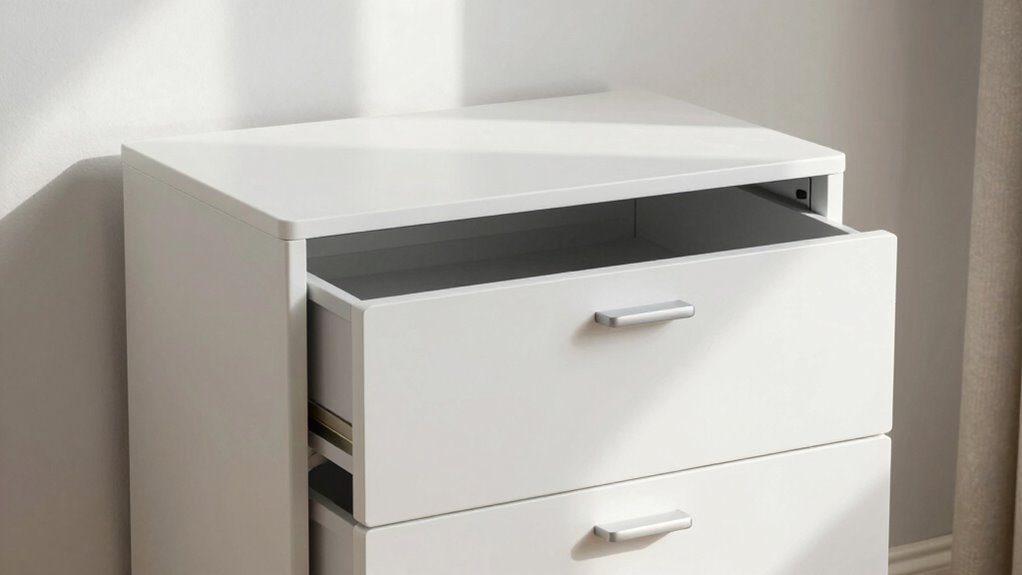
compact sewing cabinet with storage
As an affiliate, we earn on qualifying purchases.
As an affiliate, we earn on qualifying purchases.
Frequently Asked Questions
How Much Space Do I Need for a Sewing Cabinet?
You’ll need at least 3 to 4 feet of space to comfortably fit a sewing cabinet, ensuring easy access and movement. Consider your storage organization needs, choosing a cabinet with enough drawers and compartments. Also, prioritize material durability to withstand daily use. Measure your available area carefully, accounting for clearance around the cabinet to prevent a cramped feel and make your sewing projects more enjoyable.
Can I Customize a Sewing Cabinet to Fit My Sewing Machine?
Yes, you can customize a sewing cabinet to fit your machine. Look for adjustable compartments that can be tailored to your sewing machine’s size and features. Some cabinets also offer material customization options, allowing you to choose finishes or add accessories that match your style. By selecting a customizable cabinet, you guarantee a perfect fit, making your sewing experience more comfortable and efficient without sacrificing space or aesthetics.
What Safety Features Should I Look for in a Sewing Cabinet?
Think of your sewing cabinet as a fortress for your creativity. Look for safety locks that keep drawers securely closed, preventing accidental spills or injuries. Anti-tip features act like sturdy anchors, stopping the cabinet from wobbling or tipping over as you work. These safety features guarantee your sewing space stays safe and stable, letting you focus on your craft without worry. Prioritize these options for peace of mind and a secure sewing haven.
Are There Portable Sewing Cabinets for Small Spaces?
Yes, there are portable sewing cabinets perfect for small spaces. These small space solutions are designed to be lightweight, compact, and easy to move, making them ideal for limited areas. Look for models with fold-out surfaces or rolling bases to maximize functionality. Portable options help you save space when not in use, without sacrificing storage or workspace. They’re a practical choice for sewing enthusiasts who need flexibility and efficiency.
How Do I Maintain and Clean My Sewing Cabinet?
To maintain your sewing cabinet, regularly dust and wipe down surfaces with a damp cloth to prevent dirt buildup. For cleaning tips, use mild soap and water on wooden parts, avoiding harsh chemicals that could damage the finish. Keep the interior organized and free of lint or fabric scraps, which can cause wear. Periodically check hinges and drawers for smooth operation, and tighten any loose screws to keep your cabinet in top shape.
As an affiliate, we earn on qualifying purchases.
Conclusion
When selecting a sewing cabinet, think about your space, storage needs, and how you’ll use it. For instance, imagine a hobbyist who initially bought a compact cabinet but quickly outgrew it as her skills advanced. She then upgraded to a larger, adjustable model that fit her evolving projects comfortably. By carefully considering your current and future needs, you’ll choose a cabinet that feels just right—without regrets—and keeps your sewing space both functional and enjoyable.
fold-away sewing machine cabinet
As an affiliate, we earn on qualifying purchases.
As an affiliate, we earn on qualifying purchases.
ergonomic sewing cabinet with drawers
As an affiliate, we earn on qualifying purchases.
As an affiliate, we earn on qualifying purchases.
Fall Picks
fall essentials
As an affiliate, we earn on qualifying purchases.