
Using the wrong backing, base, or support material can hide costly problems like premature wear, warping, or cracks that threaten your project’s stability over time. These issues often aren’t immediately visible but can lead to structural failure, safety risks, and expensive repairs down the line. Poor material choices can escalate long-term costs and damage your reputation. Stay with us, and discover how proper planning can save you money and guarantee lasting durability.

Get business pricing on tools and workshop supplies
- Business-only prices and quantity discounts
- Tax-exempt purchasing
- Multiple users, one account, clear invoices
Key Takeaways
- Hidden damage from incompatible materials often leads to costly repairs and project delays.
- Poor support choices can cause long-term deterioration, increasing maintenance and replacement expenses.
- Environmental reactions to unsuitable materials accelerate deterioration, risking structural safety and integrity.
- Initial savings from cheap support materials may be offset by future repair, safety, and downtime costs.
- Inadequate backing weakens overall system durability, leading to premature failure and higher lifecycle costs.

Choosing the wrong backing, base, or support material might seem like a minor detail, but it can lead to significant hidden costs that impact your project’s success. When selecting support materials, you might focus on immediate costs or appearance, but overlooking critical factors like material compatibility and long-term durability can cause persistent issues down the line. If the backing isn’t compatible with the main material, you risk premature failure, warping, or damage that won’t be evident right away but will surface over time. This mismatch can cause cracks, delamination, or corrosion, especially if the materials react negatively to each other or environmental conditions. These problems often lead to costly repairs, replacements, or even complete project reworks.
Material compatibility is essential for ensuring your support structure maintains stability and integrity. When you choose a base that’s incompatible with the primary material, it creates stress points and weak links that compromise the entire system. For example, using a support material that expands or contracts at a different rate than the main material will induce stress, leading to cracking or separation. You might save money initially, but the long-term durability of your project suffers, making it vulnerable to environmental factors such as moisture, temperature fluctuations, or chemical exposure. Over time, these issues escalate, forcing you to invest more in repairs than you initially saved.
Long-term durability is the backbone of a successful project. The support material you select should withstand the environmental conditions it’s exposed to, whether that’s humidity, temperature extremes, or chemical exposure. If you disregard this aspect, your project is susceptible to deterioration, which can lead to safety hazards and increased maintenance costs. Choosing a support material that’s not durable enough can cause the entire system to weaken, risking failure at the most inconvenient moments. This lack of foresight not only affects your project’s lifespan but also damages your reputation if the support fails prematurely. Additionally, understanding the importance of material compatibility can help prevent these costly problems before they start.
In essence, cutting corners on support material selection might seem like a quick fix, but it’s a false economy. The hidden costs—repair, replacement, downtime, and safety risks—can outweigh the initial savings. To avoid these pitfalls, prioritize material compatibility and long-term durability in your planning process. Doing so ensures your project remains stable, safe, and cost-effective over its entire lifespan, saving you money and headaches in the long run.
support backing materials for construction
As an affiliate, we earn on qualifying purchases.
As an affiliate, we earn on qualifying purchases.
Frequently Asked Questions
How Can I Identify the Best Backing Material for My Project?
To identify the best backing material for your project, focus on backing material selection by evaluating your project’s specific needs. Consider material compatibility with your main material, ensuring they work well together without causing damage or deterioration. Test different options if possible, and consult manufacturer guidelines or industry standards. By carefully evaluating these factors, you’ll choose a backing that offers durability, support, and ideal performance, avoiding costly mistakes later.
What Signs Indicate My Support Material Is Unsuitable?
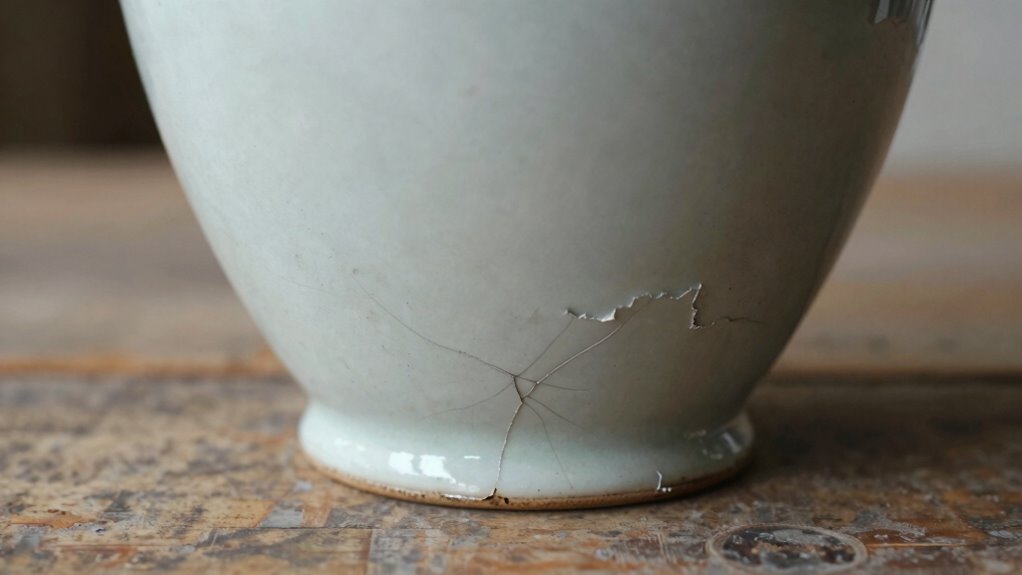
You’ll notice signs like peeling, cracking, or warping, indicating your support material’s incompatibility. Backing material compatibility issues often lead to support material degradation over time, causing instability. If your project shows uneven surfaces or adhesion problems, it’s a clear sign your support material isn’t suitable. Keep an eye out for these indicators, as they highlight the importance of choosing the right backing to prevent long-term damage and guarantee durability.
Are There Specific Industries More Affected by Backing Material Issues?
Certain industries face more challenges with backing material issues, especially those with strict backing material regulations, like aerospace, medical, and electronics. You might encounter industry-specific challenges, such as needing ultra-clean or highly durable backing. These industries require precise backing solutions to meet safety standards and performance expectations. Failing to adhere to regulations can lead to costly reworks, delays, or safety risks, emphasizing the importance of selecting the right backing material from the start.
How Does Backing Material Choice Impact Overall Product Lifespan?
Like the enduring strength of a Greek temple, your product’s lifespan hinges on backing material choice. When you prioritize material compatibility and environmental resilience, your product withstands wear, corrosion, and environmental stressors longer. Conversely, poor backing can cause early failure, increasing costs and waste. By choosing the right support, you guarantee durability, maintain quality, and extend your product’s life, securing long-term value and customer trust.
Can Switching Backing Materials Mid-Project Cause Problems?
Switching backing materials mid-project can cause significant problems if you don’t check for backing compatibility. A material mismatch might lead to adhesion issues, uneven wear, or compromised structural integrity. Always verify that the new backing aligns with your initial specifications and supports your project’s requirements. Ignoring these factors can result in delays, increased costs, and a lower-quality final product. Proper planning guarantees a seamless changeover and maximum results.
structural support base for building projects
As an affiliate, we earn on qualifying purchases.
As an affiliate, we earn on qualifying purchases.
Conclusion
Choosing the wrong backing or support might seem minor, but it can lead to costly failures—up to 30% more maintenance or replacements. You’ll save money and time by selecting the right material from the start, ensuring durability and safety. Don’t overlook this vital detail; it can make or break your project’s success. Remember, investing in proper support isn’t just smart—it’s essential for long-term savings and peace of mind.
durable backing materials for renovations
As an affiliate, we earn on qualifying purchases.
As an affiliate, we earn on qualifying purchases.
material compatibility testing tools
As an affiliate, we earn on qualifying purchases.
As an affiliate, we earn on qualifying purchases.
Fall yard work Picks
leaf blowers
As an affiliate, we earn on qualifying purchases.