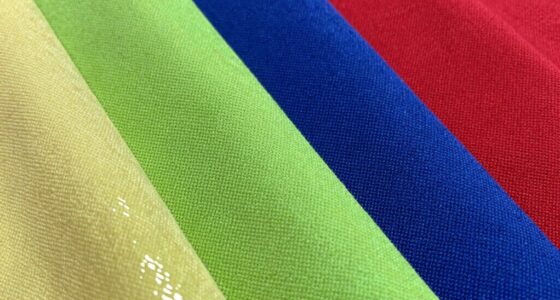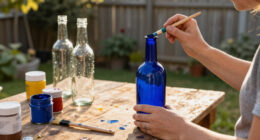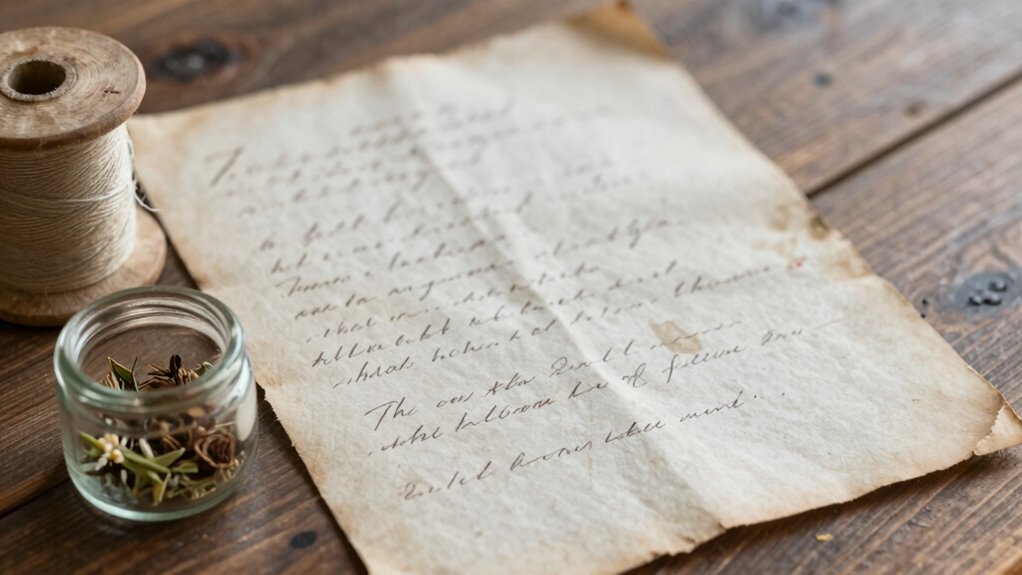

When you see “archival” in craft materials, it means products made to preserve your work over time by preventing damage, discoloration, and deterioration. These materials are carefully formulated with neutral pH, chemical stability, and protective coatings like UV-resistant layers. Proper storage is also key to long-term preservation. Using true archival supplies helps your projects stay vibrant and intact for years. Keep exploring to discover more ways to guarantee your creations last.

Get business pricing on tools and workshop supplies
- Business-only prices and quantity discounts
- Tax-exempt purchasing
- Multiple users, one account, clear invoices
Key Takeaways
- “Archival” indicates materials designed to resist deterioration and discoloration over time.
- True archival supplies are acid-free and pH-neutral to prevent material breakdown.
- They include protective coatings and display methods that shield from light and environmental damage.
- Proper storage techniques are essential for maintaining the longevity of archival craft materials.
- Certification and adherence to standards verify the long-term preservation qualities of archival supplies.
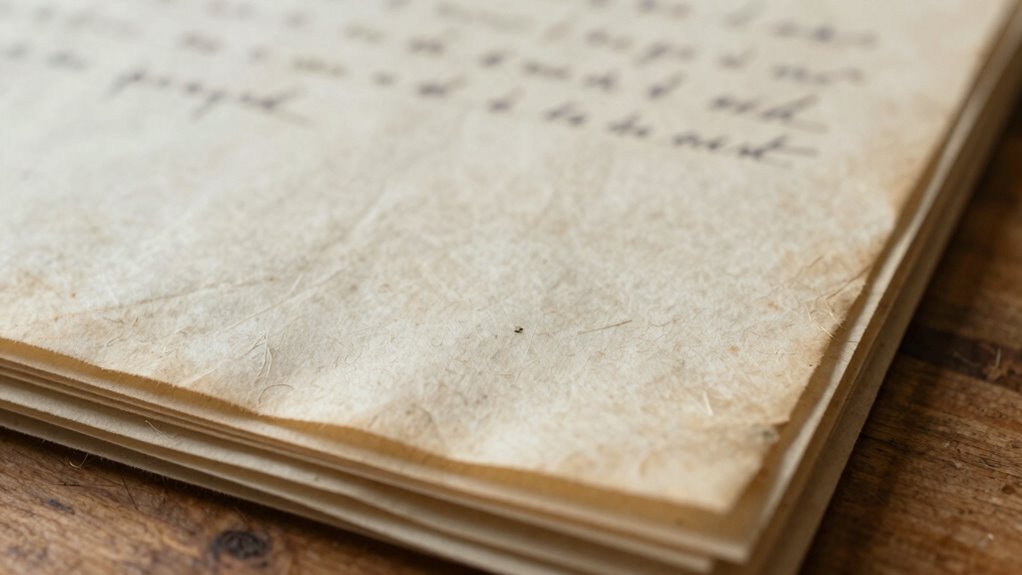
When working with craft materials, ensuring their longevity often depends on choosing the right archival supplies. The term “archival” might sound technical, but it fundamentally refers to products and techniques that help preserve your creations over time. Understanding what makes a material truly archival can make a big difference in how well your projects stand the test of time. It’s not just about using high-quality supplies; it’s about selecting those that support preservation techniques designed to prevent deterioration, discoloration, or damage. This focus on material longevity means you’re actively protecting your craftsmanship, whether it’s paper, fabric, or mixed media.
In practice, choosing archival materials involves paying close attention to their chemical composition and pH levels. For example, acid-free papers and adhesives are key because acids cause deterioration and yellowing over the years. When you select these supplies, you’re implementing preservation techniques that neutralize acidity, helping your artwork or craft project stay vibrant and intact. Similarly, using UV-resistant coatings or glass can shield your work from harmful light exposure, which can fade colors and weaken materials. These safeguards are essential parts of ensuring your craft’s longevity, especially if you plan to display or store your work long-term.
Another important aspect of understanding what “archival” means is recognizing the significance of proper storage. Even the best materials won’t last if they’re not stored correctly. Archival storage involves using acid-free folders, boxes, or sleeves that prevent environmental factors like humidity, dust, and pollutants from damaging your work. Proper storage techniques also include controlling temperature and light exposure, which plays a big role in preservation. When you combine quality supplies with thoughtful storage practices, you’re applying a comprehensive approach to material longevity that keeps your craft safe for years to come. Additionally, understanding material stability can help you select supplies that remain durable over time and resist chemical breakdown.
Furthermore, selecting supplies with verified archival standards ensures that your preservation efforts are backed by scientific testing and reliable certifications. It’s also worth noting that not all products labeled “archival” are created equal. Some manufacturers might use the term loosely for marketing, but true archival supplies adhere to strict standards for longevity. When you’re shopping, look for certifications or detailed information about the product’s pH level and chemical stability. This diligence ensures that your preservation techniques are effective and that your materials genuinely support long-term preservation. By understanding what “archival” truly entails, you empower yourself to make choices that protect your creative work, allowing it to be enjoyed and appreciated long into the future.
As an affiliate, we earn on qualifying purchases.
Frequently Asked Questions
How Long Do Archival Craft Materials Typically Last?
Archival craft materials generally last decades, thanks to rigorous longevity testing that guarantees minimal material degradation over time. You can expect your projects to stay vibrant and intact for 50 to 100 years, especially when stored properly. However, actual longevity depends on factors like exposure to light, humidity, and handling. Choosing well-tested, high-quality archival materials helps preserve your work and keeps it looking beautiful for generations.
Are Archival Standards the Same Across All Craft Types?
Archival standards aren’t the same across all craft types because they depend on the specific needs of each material and project. For historical preservation, strict standards focus on preventing material aging and deterioration over time. In contrast, other crafts may prioritize aesthetic qualities or durability. You should choose archival materials tailored to your craft’s purpose, ensuring long-lasting results and proper preservation, especially for sensitive items that require careful attention to aging processes.
Can Non-Archival Materials Be Safely Used in Art Projects?
You can use non-archival materials in art projects, but be aware that their chemical composition might cause fading, discoloration, or deterioration over time. These materials often contain acids or other chemicals that can negatively impact the artwork’s longevity and environmental impact. To preserve your piece, consider sealing or framing it properly, and weigh the environmental effects of using non-archival supplies, especially if sustainability matters to you.
Do Archival Materials Require Special Storage Conditions?
Yes, archival materials require special storage conditions. To guarantee longevity, you should adopt proper preservation techniques, such as storing in a stable, acid-free environment. Maintain a controlled storage environment: cool, dry, and dark to prevent deterioration. Proper preservation techniques help safeguard your artwork, ensuring it remains pristine over time. Ignoring these conditions risks damage, discoloration, and decay, so prioritize a suitable storage environment for your archival materials.
How Can I Test if a Material Is Truly Archival?
To test if a material is truly archival, start by checking if it’s labeled acid-free paper, which indicates it won’t degrade over time. Then, examine pigment stability by applying a small amount of water or a mild solvent to see if the colors bleed or fade. True archival materials resist acid deterioration and maintain pigment integrity, ensuring your craft projects last for years without discoloration or damage.
As an affiliate, we earn on qualifying purchases.
Conclusion
When you choose archival craft materials, you’re preserving more than just your work—you’re safeguarding your memories, colors, and stories for generations. Imagine your creations resting safely like a treasured book on a well-worn shelf, their hues vibrant and details sharp after years in the light. By understanding what “archival” truly means, you’re ensuring your art stands the test of time, whispering your story softly yet confidently through the ages.
As an affiliate, we earn on qualifying purchases.
As an affiliate, we earn on qualifying purchases.
Columbus Day / Indigenous Peoples' Day Picks
long weekend sales
As an affiliate, we earn on qualifying purchases.

![How Blackwing Pencils Are Made [Video]](https://worldfinecrafts.com/wp-content/uploads/2026/08/how-blackwing-pencils-are-made-video-featured-560x300.jpg)