

To make your project more refined, focus on one impactful detail that elevates the overall look. This rule encourages you to choose a subtle yet significant element—like a perfect color accent or a refined material—to highlight with intention. Small, deliberate improvements demonstrate skill and add a sense of mastery. By emphasizing one quality detail rather than overloading with everything, you create a polished, sophisticated outcome. Keep exploring how this simple strategy can transform your work even further.
Key Takeaways
- Focus on a single, impactful detail to elevate the overall design and create a sense of refinement.
- Use subtle color or material choices to add sophistication without overwhelming the project.
- Prioritize deliberate, small improvements that demonstrate skill and purposeful intention.
- Maintain restraint by avoiding excessive elements, emphasizing quality over quantity.
- Enhance one refined element to achieve a cohesive, memorable, and polished look.
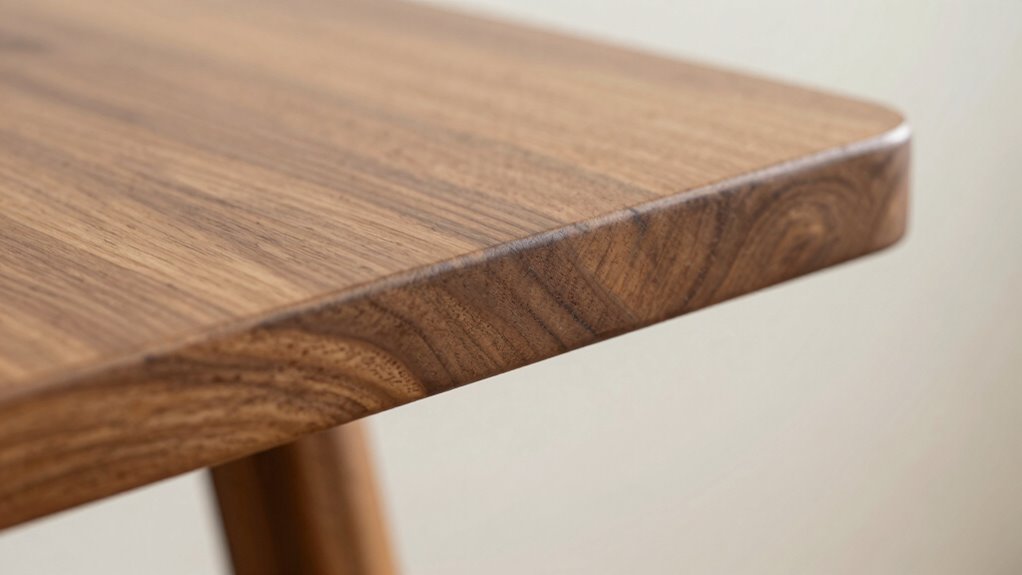
Have you ever wondered how small details can make or break a project? It’s often the tiny touches—those subtle choices—that elevate the entire design and leave a lasting impression. The “One Better Detail” rule emphasizes that focusing on just one refined element can transform a good project into a remarkable one. When you’re working on any creative endeavor, whether it’s interior design, fashion, or product development, pay close attention to these details. They act as the finishing touches that set your work apart and demonstrate your skill.
One of the key areas to master is color harmony. When you choose your palette carefully, you create a cohesive and sophisticated look. Instead of overwhelming the eye with too many contrasting colors, select a harmonious scheme that complements the overall concept. The “One Better Detail” rule encourages you to focus on perfecting one aspect—like a subtle accent wall or a refined color shift—that enhances the entire space. This small but deliberate choice can bring balance and unity, making everything feel intentional rather than random. It’s about choosing colors that work well together and elevating your design by paying attention to how they interact. When you get this right, it elevates the aesthetic and communicates a sense of thoughtfulness. Additionally, understanding the importance of material selection can help you create depth and texture that resonate with viewers. Being mindful of sustainable materials can also align your project with environmentally conscious practices, adding an extra layer of meaning and value.
Focus on one refined color detail to create harmony and elevate your entire design.
Material selection is another critical component. Every material has its own texture, weight, and visual impact, and picking the right one can be the difference between a polished look and a cluttered one. The rule advises you to choose one material to highlight or refine further. For example, if you’re working on furniture, selecting a high-quality fabric or a unique finish can serve as the “better detail” that anchors your entire piece. When you focus on that one material and refine its application—whether through better craftsmanship or more careful pairing—you add depth and richness to your project. This single, well-selected element becomes the focal point, guiding the viewer’s eye and elevating the overall aesthetic. Recognizing the impact of texture is essential in creating visual interest and tactile richness that can transform a simple design into something more refined. A thoughtful consideration of material durability can also ensure your project remains both beautiful and functional over time.
Ultimately, the “One Better Detail” rule is about restraint and intention. Instead of trying to perfect everything, you focus on one element that’s most impactful. Whether it’s achieving perfect color harmony or choosing a refined material, this approach guarantees your project looks intentional and more polished. Small, deliberate improvements on one key detail can make all the difference, helping your work stand out with subtle sophistication and a sense of mastery. It’s a reminder that sometimes, less really is more—so choose that one detail wisely and make it count.
As an affiliate, we earn on qualifying purchases.
Frequently Asked Questions
How Do I Identify the “One Better Detail” in My Project?
You identify the “one better detail” by trusting your creative intuition to spot elements that elevate your project. Look for subtle touches that enhance aesthetic harmony without overwhelming the overall design. Ask yourself which detail, when improved or added, creates the most visual or emotional impact. This key element should seamlessly connect with the whole, making your work feel more polished and refined through thoughtful, intentional choices.
Can the Rule Apply to Digital Design or Only Physical Projects?
Yes, the rule applies to digital design too. You can enhance digital aesthetics by focusing on one better detail, like a subtle virtual enhancement or a refined interface element. This makes your project more engaging and polished. By emphasizing that single, impactful detail, you draw attention and elevate the overall visual appeal, just as you would with physical projects. It’s about making a small change that creates a big difference.
What Are Common Mistakes When Implementing the “One Better Detail”?
You might struggle with overdoing the craftsmanship challenge, adding too many details, which overwhelms the aesthetic. Like a painter who over-scratches a canvas, you risk clutter rather than refinement. A common mistake is choosing a detail that doesn’t truly enhance the design, diluting the overall impact. Focus on one meaningful detail that elevates the project, ensuring it’s a genuine aesthetic enhancement rather than just extra effort.
How Much Time Should I Spend on Finding This Detail?
You should spend just enough time to find a detail that enhances color harmony or material contrast without overthinking. Aim for a quick, focused exploration—maybe 15-30 minutes—so you stay fresh and inspired. Look for subtle touches that elevate the design, like a contrasting material or a complementary hue. Trust your instincts, and remember that sometimes less time yields more refined results.
Does the Rule Work for Large-Scale and Small-Scale Projects Equally?
Yes, the rule works for both large-scale and small-scale projects. You can apply it to enhance color harmony and material selection, making each detail stand out more thoughtfully. For bigger projects, focus on one detail that elevates the overall design. In smaller projects, refine a single element to create a more polished look. In either case, investing effort into one better detail considerably boosts the project’s sophistication.
refined material furniture finish
As an affiliate, we earn on qualifying purchases.
As an affiliate, we earn on qualifying purchases.
Conclusion
By mastering the “One Better Detail” rule, you’ll elevate every project to a level of perfection that’s practically legendary. Imagine your work so refined, it outshines the stars themselves, leaving everyone in awe of your meticulous eye. This simple rule isn’t just a tip; it’s a secret weapon that transforms ordinary into extraordinary, making your projects not just good, but so astonishingly better, they’ll be remembered for generations. Get ready to redefine what’s possible with just one better detail.
As an affiliate, we earn on qualifying purchases.
As an affiliate, we earn on qualifying purchases.