If a glue joint fails overnight, it’s usually because the surface wasn’t properly prepared or the adhesive didn’t cure fully. Contaminants like dirt or grease can prevent a strong bond, and rushing the curing process or exposing the joint to moisture and temperature changes can weaken it. Applying pressure during curing and allowing sufficient drying time are essential. Keep in mind, understanding these factors helps you create stronger, more durable bonds—there’s more to learn about preventing bond failure.
Key Takeaways
- Insufficient surface cleaning causes contaminants that weaken adhesive bonding, leading to early failure.
- Inadequate curing conditions, such as low temperature or humidity, prevent proper cross-linking, causing bonds to fail overnight.
- Using incompatible or expired adhesives can result in incomplete curing and weak joints that fail prematurely.
- Applying too little adhesive or uneven pressure during clamping creates weak areas prone to early failure.
- Poor surface roughness or improper preparation reduces mechanical interlocking, increasing the risk of bond failure shortly after curing.
Amazon Product B0D5YN9RB4
As an affiliate, we earn on qualifying purchases.
Types of Adhesives and Their Properties

When choosing the right adhesive, understanding the different types and their properties is essential. Adhesive types vary in their composition, such as epoxies, glues, and cements, each suited for specific materials and applications. Bonding strength is a key factor; some adhesives provide high strength suitable for structural joints, while others are better for lightweight or decorative purposes. For example, epoxy resins offer excellent bonding strength and durability, making them ideal for demanding tasks. Cyanoacrylates bond quickly and are great for small repairs, but may lack the strength needed for heavy loads. Knowing the properties of each adhesive type helps you select the best one for your project, ensuring a strong, lasting bond that resists failure over time. Additionally, understanding the contrast ratio of projectors can be crucial for achieving optimal image quality in home cinema setups. Recognizing the importance of cultural heritage can also influence the selection of traditional or modern adhesives for restoring historic artifacts or indigenous crafts. Selecting the appropriate adhesive also involves considering material compatibility, ensuring the adhesive adheres well to the surfaces involved. Exploring sound vibrations and their influence can further aid in understanding how certain adhesives cure or bond more effectively under specific conditions. Furthermore, being aware of energy-efficient designs such as modern ceiling fans can inspire innovative approaches to sustainable building and repair projects.
Amazon Product B0DXTP5GYB
As an affiliate, we earn on qualifying purchases.
The Chemistry Behind Bond Formation
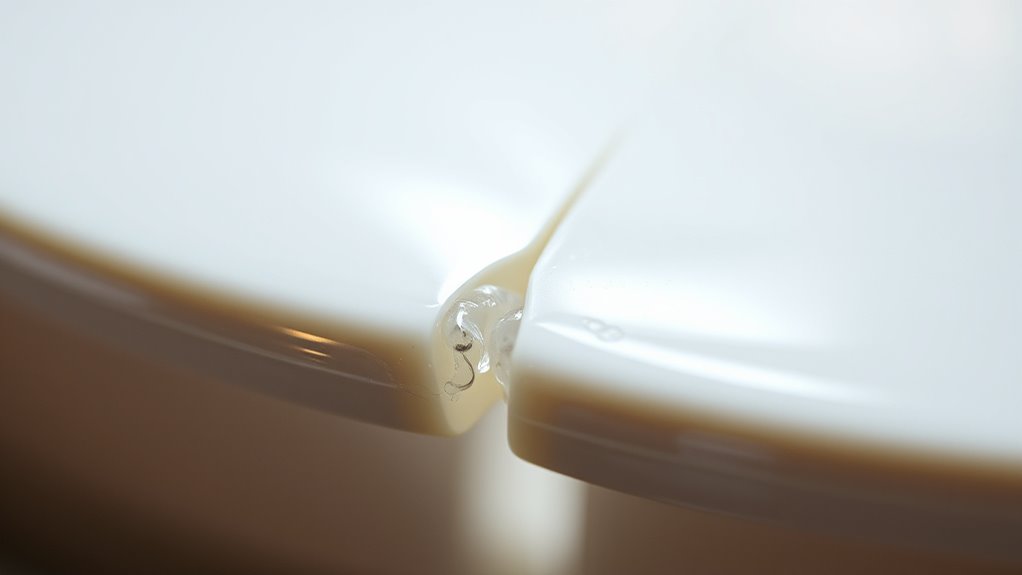
Understanding how adhesives bond involves examining molecular interactions that create strong connections. The curing process influences how these molecules respond and set, affecting the final strength. Cross-linking further enhances the bond by forming a durable network, ensuring your glued joints hold firmly over time. Additionally, the molecular structure of adhesives plays a crucial role in determining their bonding effectiveness. Factors such as the chemical composition of the adhesive can significantly impact the curing behavior and ultimate bond strength. Considering the bonding mechanisms involved helps in selecting the appropriate adhesive for specific applications. Moreover, the curing process itself is critical, as it determines how well the adhesive reaches its maximum strength under different conditions. Understanding the net worth of figures like Kate from Breaking Amish can also provide insight into the importance of strong, reliable bonds in various industries, from entertainment to manufacturing.
Adhesive Molecular Interactions
Adhesive molecular interactions form the foundation of strong bonds between materials, relying on specific chemical forces to hold surfaces together. These molecular interactions include van der Waals forces, hydrogen bonds, and ionic attractions that enable effective adhesive bonding. When you apply adhesive, its molecules interact with the surface molecules, creating a network of forces that result in adhesion. The strength of this bond depends on how well these interactions occur at the molecular level. Factors like surface cleanliness, roughness, and chemical compatibility influence the efficiency of molecular interactions. Additionally, material compatibility plays a crucial role in ensuring that the adhesive bonds effectively with the surfaces involved. Understanding these interactions helps you choose the right adhesive for your materials. Ultimately, successful adhesive bonding hinges on the ability of the molecules to form stable, consistent connections at the microscopic scale, and surface preparation can significantly impact the effectiveness of these molecular interactions.
Curing Process Dynamics
The curing process drives the chemical reactions that transform an adhesive from a liquid or semi-solid into a solid bond. During this stage, adhesive viscosity plays a vital role, as lower viscosity allows the adhesive to flow and fill gaps more effectively. As curing progresses, the adhesive’s viscosity increases, helping to lock the materials together securely. Curing temperature greatly influences reaction speed; higher temperatures accelerate curing, leading to quicker bond formation, while lower temperatures slow it down. Consistent temperature control guarantees a proper cure, preventing weak spots or incomplete bonding. Understanding these dynamics helps you optimize glue joints, guaranteeing they develop maximum strength and durability. Proper management of viscosity and temperature during curing is essential to avoid failures and achieve reliable, long-lasting bonds. Additionally, monitoring the curing process ensures the adhesive maintains optimal properties throughout the bonding period, reducing the risk of bond failure. Maintaining an appropriate curing environment is crucial for consistent results and long-term bond integrity. Controlling adhesive properties such as viscosity and curing temperature is fundamental to prevent premature or incomplete curing that could compromise bond strength.
Cross-Linking Effects
Cross-linking is the key chemical process that transforms a liquid adhesive into a strong, durable bond. It involves molecular cross-linking, where individual polymer chains connect to form an extensive adhesive network. This network enhances strength and stability, making the joint resistant to stress and environmental factors. Incorporating traditional practices and natural ingredients can support the longevity of such bonds in Indigenous wellness methods. Imagine the process like this:
| Before Cross-Linking | After Cross-Linking |
|---|---|
| Loose polymer chains | Interconnected network |
| Flexible, weak bonds | Rigid, strong bonds |
| Easily disrupted | Resistant to failure |
This transformation creates a resilient adhesive network, giving your glue joint the durability needed for lasting bonds. The extent of cross-linking directly influences the joint’s strength and longevity, as molecular structure plays a crucial role in bond performance. Additionally, understanding chemical bonds helps clarify how these transformations impact overall bond resilience, and advances in material science continue to improve adhesive technologies.
Amazon Product B0FDQ8CV25
As an affiliate, we earn on qualifying purchases.
Surface Preparation and Its Impact on Adhesion
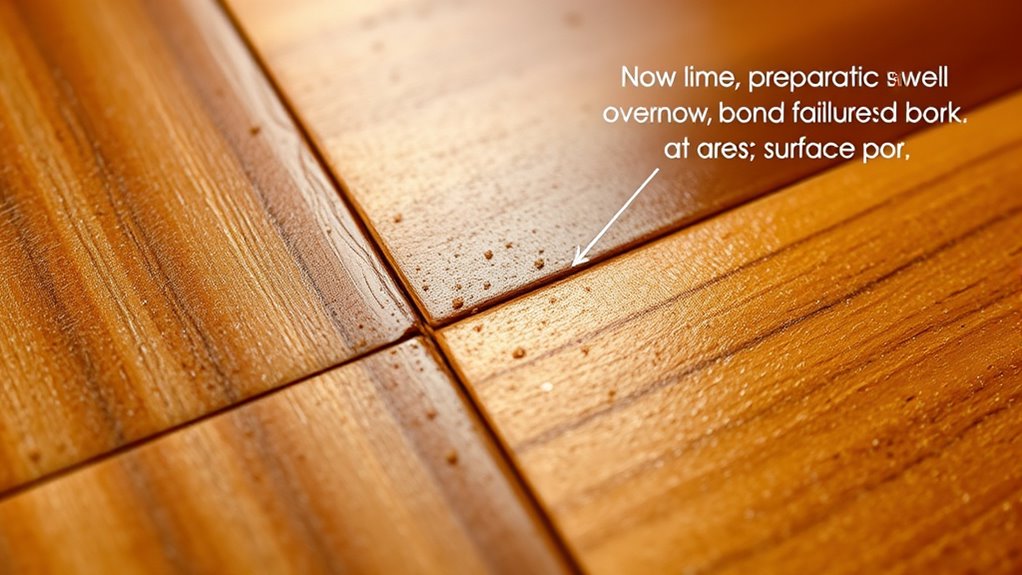
To guarantee a strong bond, you need to start with a clean surface free of dust, grease, and debris. Achieving proper surface roughness helps the adhesive grip better, improving adhesion. Make sure the surface is dry before applying glue to prevent any weakening of the joint. Additionally, understanding the adhesion process can help you optimize surface preparation for better bonding results. Proper surface preparation also involves selecting the right type of adhesive for your materials, which can significantly influence the success of the bond. Being aware of the maintenance costs associated with equipment can also help you choose the most durable and cost-effective adhesives. Paying attention to ventilation considerations during application can further enhance the curing process and bond strength.
Surface Cleanliness Matters
Achieving a strong bond with glue joints depends heavily on surface cleanliness, because dirt, grease, or dust can prevent proper adhesion. Surface contamination creates a barrier that stops the adhesive from bonding directly to the material. To guarantee a reliable bond, you must thoroughly remove any residue, whether it’s oil, dirt, or dust. Residue removal is vital, as even tiny particles can weaken the joint or cause it to fail overnight. Before applying glue, clean the surfaces with the appropriate solvent or cleaner, and wipe them down completely. Skipping this step risks trapping contaminants under the bond, which can compromise strength and lead to bond failure. Clean surfaces allow the adhesive to form a strong, durable connection that lasts.
Proper Surface Roughness
Once you’ve cleaned the surfaces thoroughly, the next step is to contemplate their texture. Surface texture plays a critical role in adhesion because it directly affects how well the adhesive bonds to the material. Roughness control is essential; too smooth, and the adhesive won’t grip properly, risking weak joints. On the other hand, surfaces that are too rough can create gaps that prevent proper bonding. You should aim for a uniform, slightly textured surface that provides enough surface area for the adhesive to anchor securely. Use appropriate tools, like abrasive pads or brushes, to achieve the right roughness level. Proper surface roughness ensures better mechanical interlocking, which markedly enhances the strength and durability of your glued joint.
Dry and Dust-Free
Ensuring your surface is dry and free of dust is crucial for a strong, reliable bond. Dust contamination can weaken adhesion, leading to bond failure. Additionally, check the adhesive shelf life; expired glue won’t perform properly, even if the surface is perfect. To prepare, wipe surfaces with a clean cloth and let them dry completely. Avoid moisture and dust from the environment, as they hinder adhesion.
| Surface Condition | Impact on Bonding |
|---|---|
| Dust contamination | Causes weak spots and failure |
| Wet surfaces | Prevents proper curing |
| Expired adhesive | Loses effectiveness |
| Proper drying | Ensures maximum adhesion |
Amazon Product B0CQ87K7RL
As an affiliate, we earn on qualifying purchases.
The Role of Clamping and Pressure During Bonding
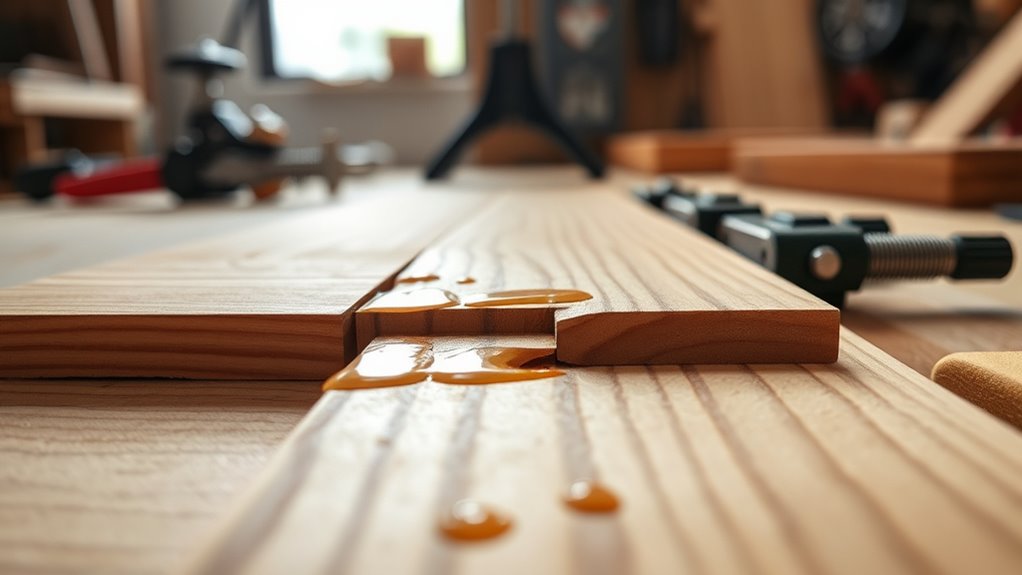
Clamping and pressure play a crucial role in the bonding process because they guarantee that the glued surfaces stay in firm contact during curing. Without proper clamp pressure, the adhesive can’t fully bond the surfaces, leading to weak joints. Applying the right amount of clamp pressure ensures the glue spreads evenly and penetrates tiny pores or gaps, increasing bonding strength. Too little pressure allows air bubbles and gaps, reducing bond durability. Too much pressure can squeeze out excess glue or deform the surfaces, weakening the joint. Consistent clamp pressure helps create a uniform bond line, which is essential for maximum strength. Proper clamping technique minimizes movement and maintains alignment during curing, resulting in a stronger, more reliable glue joint that’s less likely to fail overnight.
Environmental Factors Affecting Glue Joints
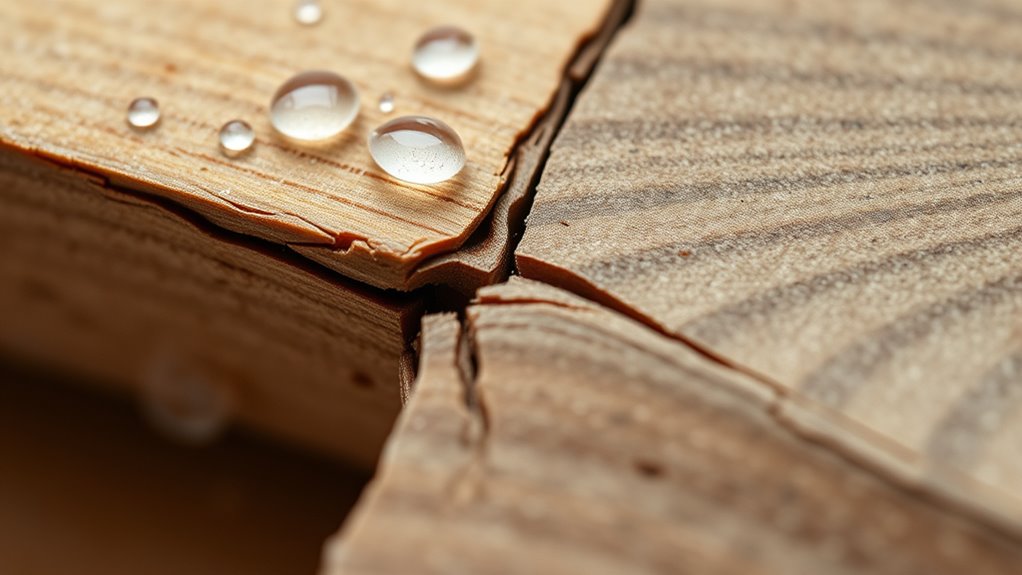
Environmental factors such as temperature, humidity, and exposure to sunlight can considerably influence the strength and durability of glue joints. Temperature fluctuations cause expansion and contraction in materials, which can weaken the bond over time. Rapid changes in temperature may lead to stresses that compromise adhesion. Moisture exposure is equally critical; excess moisture can seep into the joint, weakening the adhesive and causing swelling or warping of the materials. High humidity levels reduce the effectiveness of certain glues, especially solvent-based types, by interfering with curing processes. To guarantee long-lasting bonds, you need to control environmental conditions during and after application. Keep the workspace stable and avoid exposing freshly glued surfaces to extreme temperature shifts or moisture. Proper environmental management helps maintain the integrity of your glue joints and prevents early failure.
Common Causes of Bond Failure

Bond failure often occurs when the adhesive or substrate isn’t properly prepared, leading to weak spots that can’t withstand stress. One common cause is temperature effects; exposing the bond to extreme heat or cold can weaken the adhesive’s strength or cause it to cure improperly. Sudden temperature changes can also cause expansion or contraction, stressing the joint. Additionally, adhesive color can indicate its suitability for the application—using the wrong type or color may suggest incompatible formulations that won’t bond well. Poor surface cleanliness, moisture, or contamination further compromise the bond. When these issues combine, the adhesive’s ability to maintain a strong, durable connection diminishes, increasing the risk of failure overnight. Proper preparation and understanding of these factors help prevent common bond failures.
The Importance of Proper Curing Time
Proper curing time is vital because rushing the process can weaken the adhesive’s bond and reduce its durability. If you don’t allow enough curing duration, the adhesive won’t reach its full bond strength, making the joint vulnerable to failure. When you follow the recommended curing times, you give the adhesive enough time to develop maximum adhesion. This ensures the glue cures evenly and fully, resulting in a stronger, more reliable bond. Skipping or shortening curing time might seem like a time-saver, but it compromises the joint’s integrity. Adequate curing duration is a critical step in the bonding process, directly impacting how well the joint holds up over time. Patience during curing is key to achieving a durable, long-lasting glue joint.
Mechanical Stress and Its Effect on Joints
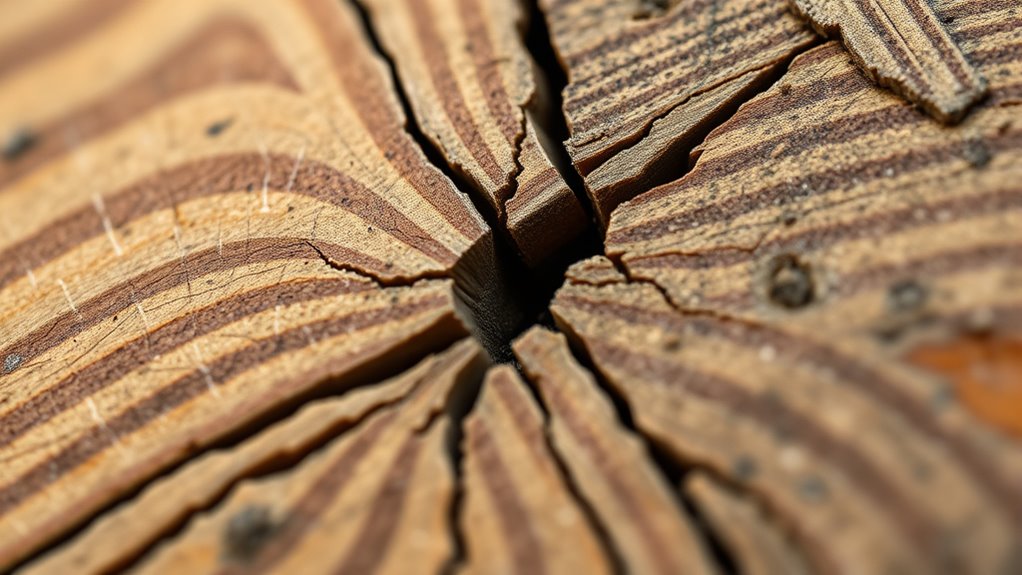
Mechanical stress can weaken glue joints over time, especially when subjected to sudden impact forces or repeated load cycles. Overloading joints pushes the adhesive beyond its capacity, increasing the risk of failure. Understanding how these stresses affect your joints helps you choose the right bonding method and prevent costly damage.
Sudden Impact Forces
Sudden impact forces can put significant stress on glue joints, testing their strength and durability. When a sudden jolt occurs, the bond must withstand rapid, forceful loads that can cause immediate failure. Thermal expansion from temperature changes can weaken the joint’s ability to absorb impact, making it more susceptible to cracking or breaking. Additionally, if the adhesive lacks chemical resistance, exposure to environmental contaminants or moisture can compromise the bond’s integrity under sudden stress. These forces do not give the glue time to distribute the load evenly, increasing the risk of failure at weak points. To ensure durability against impact, selecting adhesives with high chemical resistance and flexibility helps maintain joint strength, even during abrupt, forceful events.
Repeated Load Cycles
Repeated load cycles, also known as cyclic or fatigue loading, can gradually weaken glue joints over time. Each cycle causes tiny stresses that accumulate, eventually leading to failure. When a joint experiences repeated stress, factors like thermal expansion can cause expansion and contraction, stressing the bond further. Chemical resistance also plays a role—if the adhesive isn’t resistant to environmental chemicals, degradation accelerates under cyclic exposure.
You should consider:
- Material fatigue from constant movement
- Microcracks forming over time
- Stress concentration points weakening the bond
- Environmental factors impacting chemical stability
These factors combine, making joints more susceptible to failure after numerous load cycles, even if individual stresses seem minor at first.
Overloading Joints
When you overload a joint beyond its designed capacity, the resulting mechanical stress can considerably weaken the bond. Excessive force strains the joint, causing micro-cracks and weakening the adhesive interface. Proper joint design is essential; it ensures the load is distributed evenly, preventing stress concentration points that can lead to failure. Choosing the right adhesive also plays a critical role—some adhesives are better suited for high-stress applications, providing increased tensile and shear strength. If you ignore these factors, the joint becomes vulnerable to sudden failure, especially under unexpected loads. Overloading doesn’t just cause immediate damage; it can also diminish long-term durability. To avoid this, always consider the joint’s intended load, optimize the joint design, and select an adhesive specifically rated for the stresses it will encounter.
Signs of Weak or Failing Bonds

Weak or failing glue joints often show subtle signs before a complete breakdown occurs. Recognizing these clues can save you time and materials. Common indicators include:
- Cracks or gaps forming along the joint surface
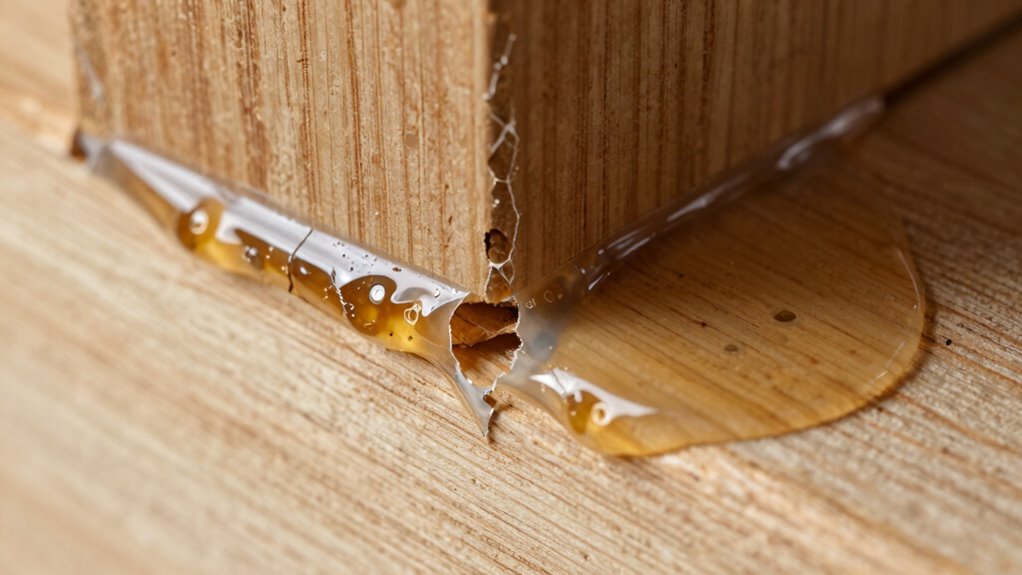
- Peeling or flaking of the adhesive
- Unusual softness or flexibility in the bonded area
- Visible stains or discoloration from adhesive failure
Understanding bonding myths and the adhesive history helps explain why some bonds weaken unexpectedly. Many assume that if a bond looks solid initially, it will last forever—this is a myth. Adhesive performance depends on proper application, surface preparation, and environmental conditions. If you notice these signs, it’s a clear warning that the bond’s strength is compromised, and failure could occur soon. Regular inspection is key to preventing costly repairs.
Tips for Ensuring Long-Lasting Adhesion
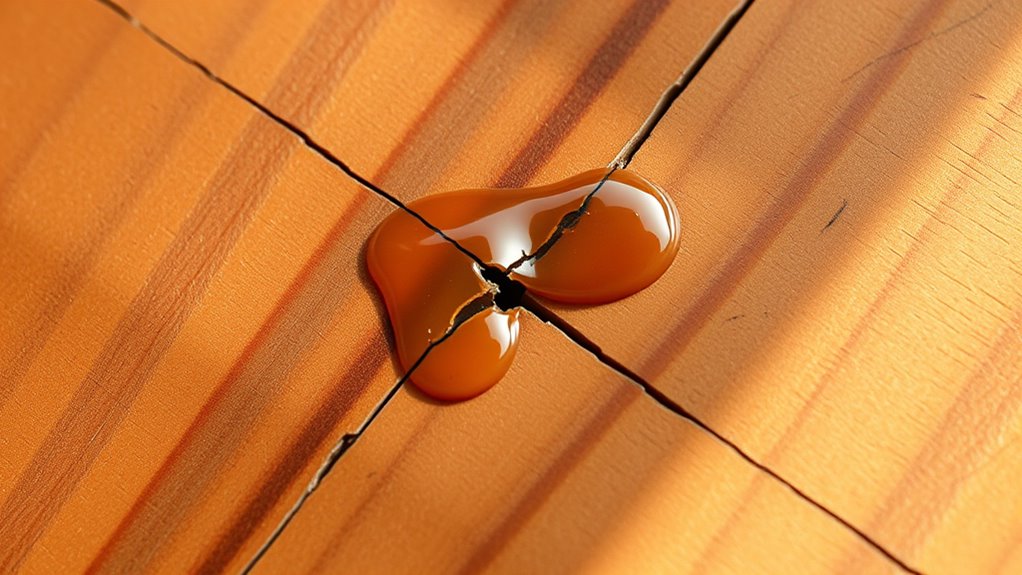
To guarantee your glue joints last, proper surface preparation and application techniques are essential. Clean and dry surfaces thoroughly to remove dust, grease, or contaminants that hinder chemical bonding. Lightly roughen smooth surfaces to improve adhesion, but avoid over-sanding, which can weaken the bond. When applying glue, follow the manufacturer’s instructions carefully, ensuring even coverage without excess. Proper application techniques promote ideal chemical bonding by maximizing contact between surfaces. Clamping firmly during curing helps maintain pressure and prevents gaps, allowing the adhesive to set properly. Also, work within recommended curing times and avoid disturbing the joint early. By paying attention to surface prep and application techniques, you considerably increase the chances of creating a durable, long-lasting bond.
Frequently Asked Questions
Can Temperature Fluctuations Cause Glue Joints to Fail Unexpectedly?
Yes, temperature fluctuations can cause glue joints to fail unexpectedly. When temperatures change, thermal expansion occurs, causing materials to expand or contract. This creates stress concentration at the bond line, weakening the joint over time. If the temperature shifts are sudden or extreme, the resulting stress can exceed the glue’s strength, leading to bond failure. You should consider thermal properties and proper joint design to prevent such issues.
How Do Different Materials Influence Adhesive Longevity?
Different materials considerably influence adhesive longevity through material compatibility and adhesive flexibility. When materials are compatible, the adhesive bonds better and lasts longer. If the materials are incompatible, the bond weakens over time. Additionally, choosing an adhesive with proper flexibility allows it to absorb movements and temperature changes, preventing cracks or failures. Always select adhesives suited for your specific materials to guarantee a durable, long-lasting bond.
Are There Specific Adhesives Better Suited for Outdoor Use?
Yes, for outdoor use, you should choose adhesives with excellent weather resistance and UV stability. These qualities guarantee your bond withstands rain, sun, and temperature fluctuations without failing. Look for products labeled specifically for exterior projects, as they’re formulated to resist moisture and UV damage. Using the right outdoor adhesive helps your bond last longer, saving you time and money on repairs or reapplications.
What Role Does Moisture Play in Bond Degradation?
Moisture plays a significant role in bond degradation by causing water ingress, which weakens the adhesive’s strength over time. When moisture penetrates the glue joint, it can lead to swelling, cracking, or softening of the adhesive. This moisture impact accelerates bond failure, especially in outdoor environments. To prevent this, choose adhesives with water-resistant properties and guarantee proper sealing to block water ingress, maintaining a durable, lasting bond.
How Can One Test the Strength of a Cured Glue Joint?
You can test the strength of a cured glue joint by performing a simple pull or shear test, ensuring the bond is fully cured based on the curing time recommended by the manufacturer. Check the chemical compatibility beforehand to avoid weak bonds. Then, carefully apply force until the joint fails, noting the maximum load it withstands, which indicates its strength. This method helps confirm the bond’s durability and suitability for your application.
Conclusion
Just like Icarus flew too close to the sun, rushing or neglecting proper glue joint techniques can lead to failure. By understanding adhesive types, surface prep, and curing time, you build bonds that last. Take your time, follow the steps, and don’t let your project become a cautionary tale. With patience and attention, your glue joints can stand strong against the test of time—no wings required.