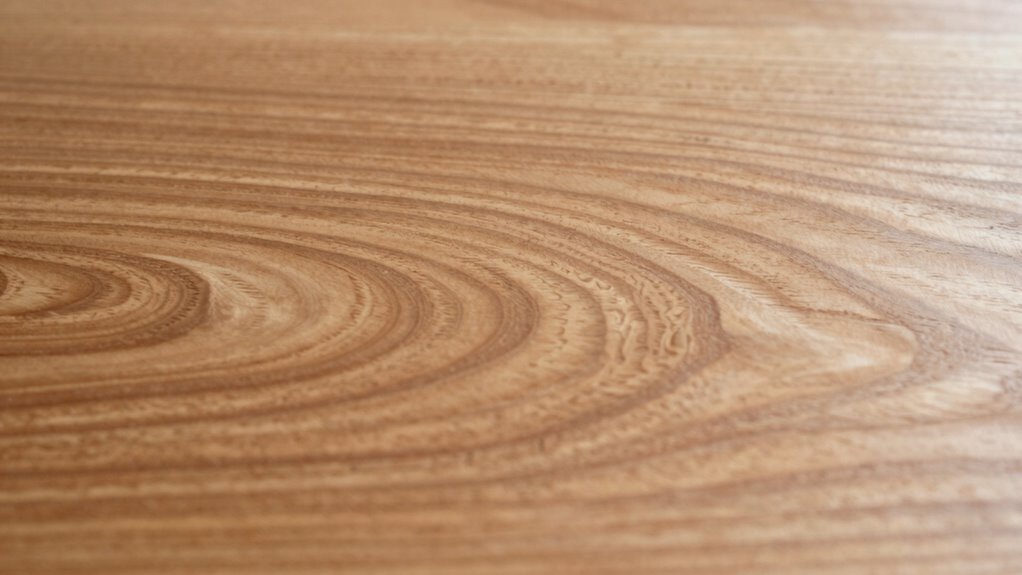

To make carved surfaces feel deliberate and smooth, focus on gradual refinement using fine tools and gentle sanding. Start with rough cuts to shape your piece, then switch to finer abrasives and circular motions to blend textures seamlessly. Pay close attention to how the surface interacts with light, creating subtle variations that add depth. Be patient and step back often to evaluate your progress. Keep refining carefully, and you’ll uncover techniques to elevate your craftsmanship—if you continue exploring, you’ll discover even more.

Get tools and workshop supplies delivered free — and shop member deals
- Fast, free delivery on millions of items
- Access to Prime Big Deal Days deals on October 6–7
- Prime Video, Amazon Music and more included
Key Takeaways
- Use fine abrasives and polishing tools to smooth surface details gradually.
- Work in small, circular motions to blend edges and remove rough spots.
- Assess how light interacts with the surface to identify areas needing refinement.
- Remove sharp edges and irregularities intentionally to create a polished feel.
- Regularly step back and evaluate to ensure the surface reflects deliberate craftsmanship.
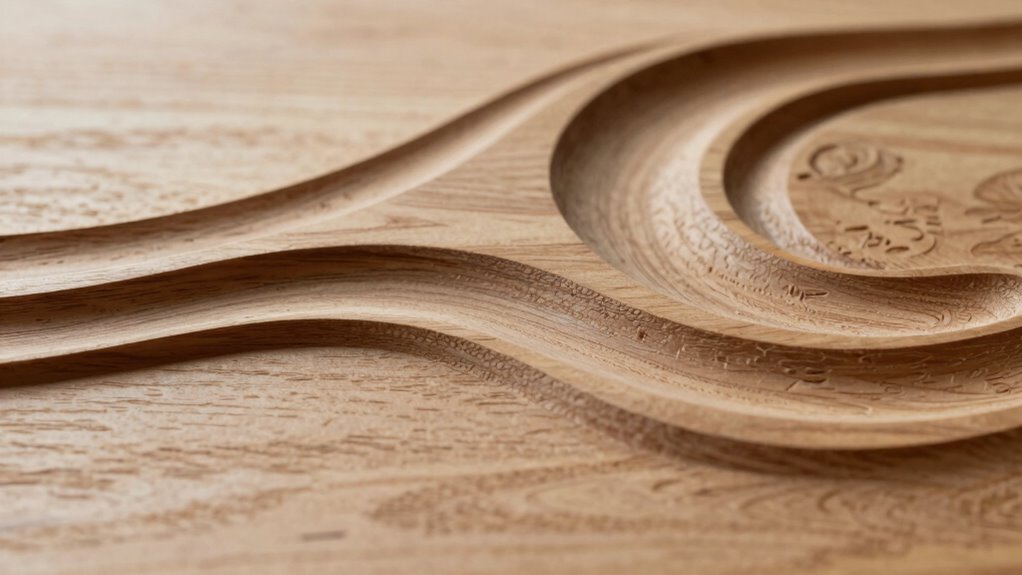
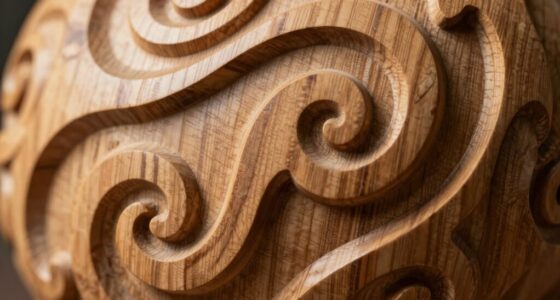
When carving surfaces, it’s easy for the results to appear rough or accidental rather than intentional. To avoid this, you need to focus on texture refinement and surface smoothing throughout your process. Instead of rushing to finish, take deliberate steps to control the surface’s final appearance. Begin by selecting the right tools for the job. Fine-grit abrasives and specialized carving knives allow for more precise control, giving you the ability to shape the surface thoughtfully. As you carve, constantly assess the texture, aiming to eliminate any jagged edges or uneven spots that give the piece an unintentional feel. Incorporating surface control techniques can significantly improve the quality of your work and help you achieve a more polished result. Paying attention to material properties will also guide you in choosing the most suitable methods for your project.
You should also work gradually, refining the surface in layers rather than trying to achieve the desired finish all at once. Start with a rough cut to establish the general form, then switch to finer tools for detail work. This progression helps in maintaining control over the surface texture and prevents accidental gouges that can ruin the overall look. As you refine the texture, pay close attention to the way light interacts with the surface. A well-executed surface smoothing process will create subtle variations that enhance the piece’s depth without appearing rough or careless.
Don’t forget that surface smoothing isn’t just about removing sharp edges; it’s also about creating a tactile quality that feels intentional. Use sanding pads or fine abrasives to gently polish the surface, working in small, circular motions. This technique helps to blend the details smoothly, giving your carved surface a more polished and deliberate appearance. When you’re satisfied with the texture, step back and evaluate the entire piece to ensure the surface qualities align with your vision. Sometimes, a light buffing with a soft cloth can add a final touch of refinement, making the surface feel even more deliberate.
Throughout your carving process, keep in mind that patience is key. Rushing through surface refinement can lead to uneven results and a rough, accidental feel. Instead, dedicate time to carefully smoothing and refining, which transforms your work from merely carved into artfully crafted. By consciously controlling the texture refinement and surface smoothing stages, you turn what could be a rough, accidental surface into one that exudes purpose and precision. The result is a carved piece that communicates your skill and intention, with a surface that feels as deliberate as the vision you hold.
As an affiliate, we earn on qualifying purchases.
Frequently Asked Questions
What Tools Are Best for Achieving Smooth Carved Surfaces?
The best tools for achieving smooth carved surfaces include high-quality gouges, chisels, and rasps, which you should keep well-maintained for maximum performance. Focus on carving ergonomics by choosing tools with comfortable handles to reduce fatigue. Regular tool maintenance, like sharpening and cleaning, ensures precise cuts, helping you create a smooth, deliberate finish instead of rough textures. Proper tools and maintenance make your carving more controlled and professional.
How Does Carving Technique Influence Surface Feel?
Your carving technique shapes the surface like a sculptor molding clay. Applying consistent carving pressure guarantees smoothness, preventing rough edges that feel like sandpaper. Tool selection plays a pivotal role; sharper, finer tools produce delicate, precise lines, while heavier tools create bold, deliberate textures. By mastering your carving pressure and choosing the right tools, you guide the surface to feel intentional and refined, transforming raw material into a work of art.
Can Finishing Products Alter the Texture of Carved Surfaces?
Finishing products definitely alter the texture of carved surfaces. Applying a surface gloss can smooth out roughness and add shine, making the surface feel more refined. For texture enhancement, you might choose matte or satin finishes that preserve some tactile roughness or highlight carved details. By selecting the right finishing product, you control the feel and visual appeal, ensuring your carved surface communicates deliberate craftsmanship rather than roughness.
What Common Mistakes Make Carved Surfaces Feel Rough?
Imagine running your fingers over a smooth river stone, not jagged rocks. Common mistakes that make carved surfaces feel rough include neglecting surface polishing and ignoring grain alignment. When you skip polishing, tiny scratches remain, creating a gritty feel. Misaligned grain can cause uneven surfaces, making the finish less refined. To avoid this, focus on thorough polishing and guarantee your tools follow the grain, achieving a sleek, deliberate surface.
How Do Different Wood Types Affect Carving Smoothness?
Different wood types impact carving smoothness considerably. You’ll notice that woods with tight grain variation, like maple or cherry, carve smoother because their consistent grain reduces roughness. Conversely, denser woods, like hickory, require more effort and can create rougher surfaces due to their higher density. Choosing the right wood with appropriate grain and density helps you achieve a deliberate, refined finish without unwanted roughness.
As an affiliate, we earn on qualifying purchases.
Conclusion
Remember, refining carved surfaces isn’t about removing all texture but about guiding the eye and touch intentionally. If it feels too smooth or overly rough, you might think you’ve failed, but it’s all about balance. Embrace imperfections as part of your style, and trust your judgment. The goal is to make every detail deliberate—so don’t be afraid to experiment until your surface communicates exactly what you want it to.
As an affiliate, we earn on qualifying purchases.
deliberate surface refinement tools
As an affiliate, we earn on qualifying purchases.
As an affiliate, we earn on qualifying purchases.
Fall yard work Picks
leaf blowers
As an affiliate, we earn on qualifying purchases.