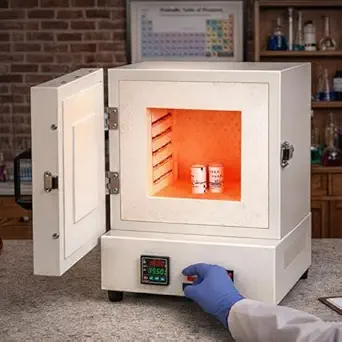
Searching for the best tabletop kiln for small ceramics in 2026? The ideal choice depends on your specific needs, whether it’s jewelry casting, pottery, or glass fusing. The VEVOR 1500W Programmable Electric Kiln stands out as a versatile all-rounder, offering good control and durability. For those on a budget, the PYY Electric Kiln provides reliable performance at a lower price point, though with fewer advanced features. A key tradeoff across this category is balancing temperature range, programmability, and size—smaller units often sacrifice some capacity or advanced controls. Continue reading for a detailed breakdown of these options and insights to help you pick the best fit for your small ceramic projects.

Get business pricing on tools and workshop supplies
- Business-only prices and quantity discounts
- Tax-exempt purchasing
- Multiple users, one account, clear invoices
Complete the kit

Key Takeaways
- Most high-performance kilns feature digital controllers with programmable settings, crucial for consistent results.
- Size and chamber dimensions vary, so consider your typical project size to avoid buying a kiln that’s too small or too large.
- Higher wattage models generally reach firing temperatures faster but may consume more power and cost more upfront.
- Durability and build quality are essential for long-term use, especially if you plan to fire frequently.
- Entry-level models often lack advanced features but can be ideal for hobbyists or beginners on a budget.




| tabletop kiln for small ceramic | Power | Chamber Dimensions |
|---|---|---|
| VEVOR 1500W Programmable Elect | 1500W | — |
| PYY Electric Kiln | 1500W | — |
| 1500W Electric Kiln for Potter | 1500W | — |
| VEVOR Electric Kiln | 1500W | — |
| 2000W Electric Kiln for Potter | 2000W | 16 x 16 x 13.8 cm |
| Professional Electric Kiln for | 1500W | 15x15x20 cm |
| 1500W Electric Kiln for Potter | 1500W | 6"x6"x8" |
| RapidFire Pro-L Portable Digit | 1500W | 6"x5"x6" |
More Details on Our Top Picks
VEVOR 1500W Programmable Electric Kiln with Digital Controller for Jewelry, Metal, Glass, Ceramics, and DIY Crafts
This VEVOR kiln excels in versatility, offering multi-stage programming and precise temperature control that make it suitable for a wide range of small ceramic projects, jewelry, and glass work. Compared to the PYY Electric Kiln, it provides more nuanced control for complex firing profiles, but its size might be restrictive for larger pieces. Its even heat distribution and quick melting times deliver professional results for hobbyists and small-scale artisans alike, though some users may find setup for complex programs a bit demanding. Its durable stainless steel build and large cavity make it a dependable choice for those needing flexibility and reliability in a compact form.
Pros:- Precise temperature control with multi-stage programming
- Large cavity ensures even heat distribution
- Fast heating and melting efficiency
- Versatile for various DIY crafts
Cons:- Setup can be complex for intricate programs
- Limited to materials that withstand high temperatures
- Size may restrict larger projects
Best for: Small-scale artisans and hobbyists who require detailed temperature control across multiple materials.
Not ideal for: Users working on larger projects or requiring a more compact, space-saving model, as the size may limit larger ceramics or jewelry pieces.
- Power:1500W
- Max Temperature:2192°F / 1200°C
- Programmable Stages:Up to 9
- Material:Stainless Steel
- Application:Jewelry, Metal, Glass, Ceramics, Wax Casting
Our verdict“This kiln is best suited for experienced hobbyists or small studios needing flexible, precise control for multiple craft types.”
PYY Electric Kiln, 1500W for Pottery and Jewelry, 2200℉/1200℃ Digital Furnace
Compared with the VEVOR model, the PYY Kiln offers a slightly higher maximum temperature of 2200℉, making it more suitable for firing ceramics and glass fusing. Its digital controls provide reliable, consistent results, but the chamber size—150x150x140mm—limits larger projects. This kiln’s safety features and indoor usability make it a solid choice for dedicated artists working in well-ventilated spaces, although its size means it’s best for small to medium pieces. For users prioritizing high-temperature capability with safety, this model balances performance and practicality well.
Pros:- High maximum temperature suitable for ceramics and glass
- Precise digital control for consistent results
- Safety features including over-temperature protection
- Indoor safe with good ventilation required
Cons:- Limited chamber size for larger projects
- Requires well-ventilated space
- Indoor use may pose safety considerations
Best for: Ceramic artists and jewelry makers needing reliable high-temperature firing in a modestly sized chamber.
Not ideal for: Artists working on large ceramic pieces or requiring extensive batch processing, due to chamber size constraints.
- Power:1500W
- Max Temperature:2200℉/1200℃
- Firing Chamber Dimensions:150 × 150 × 140 mm
- Temperature Range:0–1200℃
- Sensor Type:Type-K
Our verdict“Ideal for small-scale ceramic and jewelry projects requiring high firing temperatures and precise control.”
1500W Electric Kiln for Pottery and Jewelry Making, Digital PID Control, Bench Top Melting Furnace, Ceramic, Glass, Dewaxing
This kiln stands out with its fast heating to 800°C in under 40 minutes and a spacious interior, making it suitable for batch jewelry casting and small pottery projects. Its digital PID control ensures precise temperature stability, rivaling the VEVOR’s multi-stage programming but with a more straightforward interface. However, its interior size—6″x6″x8″—can limit larger pieces or multiple small items at once. Its durable construction and insulation make it a reliable choice for dedicated hobbyists and small studios, though complete beginners might find the controls somewhat complex initially.
Pros:- Fast heating to 800°C in under 40 minutes
- Precise digital PID control for stability
- Durable, insulated construction
- Large interior for batch processing
Cons:- Limited interior size for big projects
- Requires electrical connection and some technical understanding
- May be complex for total beginners
Best for: Artists and hobbyists wanting quick heating and precise digital control for small batch projects.
Not ideal for: Beginners or those working on larger ceramics or multiple items simultaneously, due to interior size limitations.
- Power:1500W
- Temperature:Up to 800°C
- Interior Dimensions:6″x6″x8″
- Control:Digital PID
- Material:Insulated with three-layer construction
Our verdict“A strong choice for small-scale artists needing rapid heat-up and digital precision, but not for large or complex projects.”
VEVOR Electric Kiln, 1500W Melting Furnace, Max Temperature 2192℉/1200℃, Stainless Steel, for Wax Casting, Clay DIY, Metal Tempering, Glazing on Pottery, Silver
This VEVOR model emphasizes a larger internal chamber and high power, making it well-suited for melting metals, casting, and firing larger batches of small ceramics. Its PID digital control provides consistent temperature management compared to smaller, less robust models. While its 38-pound weight and substantial size limit portability, its capacity and build quality make it a favorite for users needing serious melting and firing capability at home or in a professional setting. Unlike the smaller models, this kiln handles larger quantities, but that also means it’s less convenient for tight spaces or quick projects.
Pros:- Large internal capacity for melting and casting
- Precise PID temperature control
- High power for efficient firing
- Suitable for professional and DIY use
Cons:- Heavy at 38 pounds, less portable
- Limited to a maximum temperature of 1200℃
- Some reports of uneven heating in reviews
Best for: Jewelry makers and metalworkers requiring a larger capacity for melting and casting small ceramics or metals.
Not ideal for: Users with limited space or those needing a lightweight, portable kiln for small projects only.
- Power:1500W
- Max Temperature:2192℉/1200℃
- Material:Stainless Steel
- Item Weight:38 pounds
- Package Dimensions:20.9 x 15.6 x 13.7 inches
Our verdict“Best for practitioners needing a durable, high-capacity kiln for metals and small ceramics, accepting tradeoffs in portability.”
2000W Electric Kiln for Pottery and Jewelry Making, 2102℉/1150℃ Muffle Furnace with Digital Controller
Compared to the 1500W models, this 2000W kiln offers a higher power output and a slightly lower maximum temperature of 2102℉, but its larger chamber (16 x 16 x 13.8 cm) supports batch processing for pottery, jewelry, or glass fusing. Its digital controller maintains stable, precise temperatures, making it suited for artists who need to process multiple small ceramics or jewelry pieces efficiently. However, the increased power demands mean it requires a suitable outlet and consumes more energy. This model appeals to busy studios or home setups where larger quantities are common, but it might be overkill for very small or occasional projects.
Pros:- High power for efficient batch firing
- Stable digital temperature control
- Suitable for pottery and jewelry
- Large chamber for multiple pieces
Cons:- Requires higher power capacity
- Chamber size may be too large for tiny projects
- Higher energy consumption
Best for: Studio users who need to fire multiple small ceramics or jewelry pieces at once with reliable temperature stability.
Not ideal for: Individuals with limited power outlets or those working on very small, single-piece projects due to chamber size and energy use.
- Power:2000W
- Temperature Range:0–2102℉ / 1150℃
- Chamber Dimensions:16 x 16 x 13.8 cm
- Control:Digital
- Application:Pottery, Jewelry, Glass Fusing
Our verdict“Designed for busy studios needing efficient batch firing, accepting higher energy use and size considerations.”
Professional Electric Kiln for Jewelry Casting, 1500w Burnout Furnace with Viewing Window, 1150°C Pid Muffle Oven for Wax Burnout, Ceramics, Lab Samples, Dental Work, Home Studio
This kiln stands out for its lab-grade accuracy thanks to the PID digital controller that maintains a precise 1150°C, making it ideal for delicate wax burnout, metal melting, and small ceramic firings. Compared with the 1500W Electric Kiln for Pottery Clay (Product 7), it offers more specialized features like a large heat-resistant observation window, allowing visual checks without heat loss—crucial for projects requiring exact control. However, this added complexity and the somewhat higher price may be less appealing for hobbyists seeking straightforward firing. The compact size (15x15x20cm chamber) fits well into small studios and dental labs, but its detailed functionality might overwhelm beginners. Best suited for professionals or advanced hobbyists who prioritize precision and visual oversight. Pros include
- Accurate PID temperature control
- Large heat-resistant observation window
- Versatile for wax, metal, and ceramic projects
- Compact yet powerful for small batch work
- Higher cost than basic models
- Complex interface may require learning curve
Pros:- PID digital control ensures consistent, accurate heating
- Large heat-resistant observation window for visual checks
- Versatile for multiple small-scale projects
- Compact size ideal for small studios
Cons:- Higher price point compared to basic kilns
- Complex digital interface may require learning
Best for: Jewelry makers, dental technicians, and advanced hobbyists needing precise temperature control and visual monitoring.
Not ideal for: Beginners or casual ceramic artists who prefer simple, plug-and-play kilns without detailed controls.
- Maximum Temperature:1150°C
- Chamber Dimensions:15x15x20 cm
- Power:1500W
- Controller Type:PID digital
- View Window:Large heat-resistant
- Dimensions:34×34.5×50.5 cm
Our verdict“This kiln is perfect for professionals or serious hobbyists who require precise control and visual oversight for small pottery, jewelry, or dental work.”
1500W Electric Kiln for Pottery Clay – Tabletop Programmable Muffle Furnace for Ceramics – Digital PID Control Jewelry Casting Burnout Furnace Oven – 6″x6″x8″ Chamber
This model makes the most sense for artists who need quick turnaround and efficient batch firing, with its ability to reach 800°C in under 40 minutes thanks to four-sided heating technology. When compared to the RapidFire Pro-L Portable Digital Kiln (Product 8), it offers a larger chamber (6″x6″x8″) suitable for small pottery or multiple jewelry molds, and its digital PID control guarantees consistent results—especially valuable in detailed enameling or precious metal clay work. However, its fixed chamber size limits larger projects, and the absence of portability features might be a drawback for mobile artists. Its internal chamber is well-insulated and safe, but it lacks some of the advanced observation features of the Professional Electric Kiln for Jewelry Casting. Best for studio artists needing rapid, reliable firing for small batches. Pros include
- Fast preheat to 800°C in under 40 minutes
- Precise PID control with ±1°C accuracy
- Insulated safety features extend kiln lifespan
- Good internal capacity for batch work
- No portability for on-the-go use
- Limited chamber size for larger projects
Pros:- Rapid heating to 800°C in under 40 minutes
- Accurate PID control for consistent results
- Enhanced insulation and safety features
- Suitable internal capacity for batch processing
Cons:- Chamber size limits larger projects
- Lacks portability for mobile use
Best for: Studio artists focused on jewelry, enameling, or small ceramics needing rapid heating and batch efficiency.
Not ideal for: Artists working on large-scale projects or requiring portable kilns for mobile workshops.
- Maximum Temperature:1472°F (800°C)
- Chamber Dimensions:6″x6″x8″
- Power:1500W
- Heating Technology:Four-sided heating
- Control Type:Digital PID
- Preheat Time:Under 40 minutes
Our verdict“This kiln suits artists who prioritize fast, reliable small-batch firing with precise control in a stationary studio setup.”
RapidFire Pro-L Portable Digital Kiln Furnace with RapidHeat – 2200°F for Jewelry Making and Glass Fusing
The RapidFire Pro-L distinguishes itself with its exceptional portability and ability to reach 2200°F in just 8-10 minutes, making it ideal for artists needing quick, high-temperature firing on the go. Compared with the Professional Electric Kiln for Jewelry Casting (Product 6), it offers less internal chamber space but excels in mobility—perfect for workshops, craft fairs, or field work. Its digital control provides reliable, precise temperature management, though its chamber size (6″x5″x6″) limits larger or multiple small projects. Additionally, its 12-pound weight and USA-made build make it a versatile choice for small, medium, and jewelry projects but unsuitable for bisque firing or larger ceramic pieces. Best for portable jewelry, enameling, or glass fusing projects. Pros include
- Lightweight (12 lbs) and portable
- Rapid heating to 2200°F in minutes
- Accurate digital temperature control
- Durable steel construction
- Limited chamber size for larger work
- Not suitable for bisque firing or large ceramics
Pros:- Lightweight and portable for easy transport
- Heats to 2200°F rapidly in 8-10 minutes
- Precise digital temperature control
- Durable steel construction
Cons:- Limited chamber size for larger projects
- Unsuitable for bisque firing or large ceramics
Best for: Jewelry makers, glass artists, and enameling enthusiasts who require high heat and portability.
Not ideal for: Ceramic artists working on large or bisque firing projects that need bigger chambers or stationary setups.
- Maximum Temperature:2200°F (1205°C)
- Chamber Dimensions:6″x5″x6″
- Power:1500W
- Firing Speed:8-10 minutes to 2200°F
- Weight:12 lbs
- Warranty:90 days
Our verdict“This kiln delivers fast, high-temperature firing in a portable package, ideal for jewelry, enameling, and small glass projects on the move.”

How We Picked
The kilns featured in this roundup were selected based on key factors that influence small ceramic firing. Performance was evaluated by maximum temperature, heating speed, and temperature stability during firing cycles. Usability considerations included programmability, user interface, and ease of operation, especially for beginners. Build quality and durability were also assessed, as these units need to withstand regular use. Cost was a factor, but only relative to features and performance, not just price. This led to a ranking that balances affordability, technical capability, and suitability for small-scale ceramic projects.Factors to Consider When Choosing Tabletop Kiln For Small Ceramics
Choosing the right tabletop kiln for small ceramics involves several important considerations. First, assess your firing needs—whether you require high temperatures for glass or metalwork, or lower temps for ceramics and jewelry. Size matters: a chamber that fits your typical project size prevents unnecessary expense and space concerns. Programmability can streamline firing schedules, especially for complex projects or multiple pieces. Power requirements and wattage influence heating speed and energy costs, so match these to your workspace capabilities. Lastly, consider durability and ease of maintenance to ensure your kiln remains reliable over time.Temperature Range and Heating Speed
Make sure the kiln can reach the temperatures necessary for your specific projects, whether it’s 1500°F for ceramics or up to 2200°F for glass and metalwork. Faster heating times can save you time but might come with higher energy costs. A model with a reliable temperature controller ensures consistent results, especially important for jewelry casting or glass fusing. If you’re only doing basic ceramic firing, a lower maximum temp may suffice and save money.
Chamber Size and Capacity
For small ceramics, a chamber of around 6x6x8 inches often strikes a good balance, allowing multiple small pieces or a medium piece with room to spare. Larger chambers increase versatility but also cost more and take up more space. Consider your typical project size—buying a kiln with a chamber too small limits your options, while a too-large unit might be overkill and less energy-efficient. Compact models are ideal for hobbyists with limited space.
Programmability and Controls
Advanced digital controllers with programmable firing schedules are valuable for consistency and complex firing cycles, such as glass fusing or metal melting. Simpler models with manual controls may be sufficient for straightforward ceramic firing but can be less precise. For beginners, intuitive interfaces can reduce frustration, while experienced users might prioritize detailed control options. The tradeoff often involves cost versus ease of use.
Power and Energy Consumption
Most small kilns operate between 1500W and 2000W, with higher wattage enabling faster heating. However, this also means increased energy costs and potential electrical upgrades in some spaces. Consider your electrical capacity and whether your workspace can support high wattage units. Energy efficiency features can help reduce operating costs over time, especially if firing frequently.
Durability and Maintenance
Look for kilns with quality insulation, sturdy construction, and easy-to-replace parts. A well-built kiln withstands frequent firing without issues. Some models feature stainless steel exteriors or reinforced chambers, which resist wear and corrosion. Regular maintenance—such as cleaning vents or replacing heating elements—is easier on units designed with accessibility in mind. Investing in a durable model saves money and hassle long-term.
Frequently Asked Questions
Can I use a small kiln for glass fusing and jewelry casting?
Many small kilns can handle glass fusing and jewelry casting if they reach the necessary temperatures, typically around 1500°F to 2200°F. Check the maximum temperature rating and ensure the unit has a programmable controller for precise firing schedules. Keep in mind that the size of the chamber should accommodate your typical projects, and a unit with good insulation will produce more consistent results. Always follow safety guidelines when firing glass or metal to prevent accidents.
What is the ideal size for a small ceramic kiln used in a home studio?
The ideal chamber size depends on your project scale, but generally a 6x6x8 inch chamber is versatile enough for small to medium projects. This size can fire multiple small pieces simultaneously or one larger piece comfortably. If space allows, slightly larger chambers provide more flexibility for different projects. Avoid going too small, as it can limit your work, or too large, which might increase costs and energy consumption unnecessarily.
Are digital controllers worth the extra cost?
Digital controllers significantly improve firing precision and repeatability, which is especially beneficial for jewelry casting and glass fusing. They allow you to set detailed firing schedules, monitor progress, and make adjustments easily. While manual controls might be sufficient for simple ceramic firings, investing in a digital controller pays off in consistent results and reduced risk of firing errors. For hobbyists and professionals alike, digital controls offer more control and confidence in your projects.
How important is wattage when choosing a kiln for small ceramics?
Wattage impacts how quickly a kiln heats up and reaches your desired temperature. Higher wattage, such as 2000W, enables faster firing times but may require a dedicated electrical circuit. Lower wattage models take longer to heat but can be more energy-efficient for occasional use. Consider your firing frequency and workspace electrical capacity to choose the right wattage. Balancing power and efficiency ensures your kiln performs well without overloading your system.
What maintenance should I expect with a tabletop kiln?
Regular maintenance includes cleaning the interior and vents, inspecting heating elements for wear, and ensuring the door seal remains tight. Some models allow easy replacement of heating elements, which prolongs the kiln’s lifespan. Keeping the exterior clean and avoiding exposure to moisture helps prevent corrosion. Following the manufacturer’s maintenance recommendations ensures consistent performance and extends the life of your kiln, making it a reliable tool for your small ceramic projects.
Conclusion
The best overall choice for most users is the VEVOR 1500W Programmable Electric Kiln, thanks to its reliable performance, programmability, and balanced size. Hobbyists or those on a budget will find the PYY Electric Kiln offers solid value without sacrificing essential features. For those seeking a premium, durable option with advanced controls, the RapidFire Pro-L stands out. Beginners should focus on models with intuitive controls and smaller chambers, while professionals needing precise and consistent firing might prefer units with higher wattages and advanced programmability. Consider your project size, budget, and firing needs to select the best tabletop kiln for your small ceramics in 2026.
Fall yard work Picks
leaf blowers
As an affiliate, we earn on qualifying purchases.