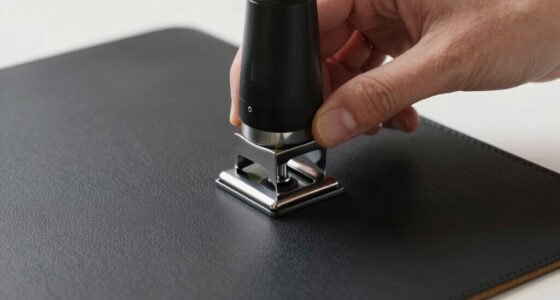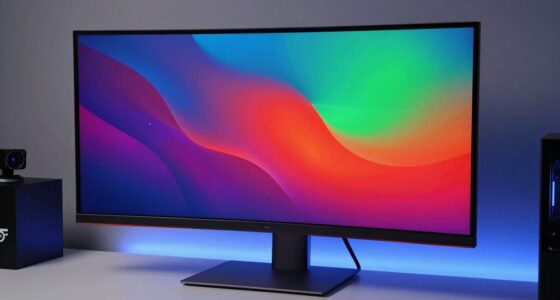
When selecting a color calibration device for monitors, the goal is to find a tool that delivers precise, consistent color results with ease of use. The Calibrite Display Pro HL stands out as the top pick for its versatility across LCD, Mini LED, and OLED screens, ensuring professional-grade accuracy. For those on a budget, the Datacolor SpyderX Pro offers excellent performance without breaking the bank. Meanwhile, the Calibrite ColorChecker Passport Photo 2 excels for photographers needing portable calibration. Buyers often face tradeoffs between calibration accuracy, ease of use, and price. Keep reading for a detailed breakdown of each option to find the best fit for your needs.

Get business pricing on tools and workshop supplies
- Business-only prices and quantity discounts
- Tax-exempt purchasing
- Multiple users, one account, clear invoices
Complete the kit


Key Takeaways
- The top devices balance calibration precision with ease of use, making professional results accessible to more users.
- More advanced models like the Calibrite Display Pro HL support a wider range of display types, including OLED and Mini LED, which are increasingly common.
- Budget options like the SpyderX Pro still deliver reliable calibration but may lack some advanced features and multi-display support.
- Portable kits like the ColorChecker Passport are ideal for photographers and video professionals who need calibration on the go.
- Price often correlates with features such as software complexity, multi-display support, and compatibility with different screen types.
| Calibrite Display Pro HL Monitor Calibration Colorimeter for LCD, Mini LED, and OLED Displays |  | Best Overall for Versatile High-Luminance Calibration | Display Aspect Ratio: 16:9 | Display Type: LCD, mini-LED, OLED | Brightness: 3000 candela_per_square_meter | VIEW ON AMAZON | See Our Full Breakdown |
| Calibrite Display Plus HL Monitor Calibration Colorimeter for Mini LED OLED and Bright Displays |  | Best for Ultra-Bright HDR Calibration | Sensor: Advanced HL high luminance sensor | Measurement Range: Up to 10,000 nits | Compatibility: Mini LED, OLED, Apple XDR, projectors | VIEW ON AMAZON | See Our Full Breakdown |
| Calibrite ColorChecker Passport Photo 2 Portable Color Calibration Kit for Photo and Video |  | Best for Portable Camera Profiling | Product Dimensions: 7 x 5.25 x 0.65 inches | Item Weight: 4.9 ounces | Includes: Four targets and protective case | VIEW ON AMAZON | See Our Full Breakdown |
| Datacolor SpyderPro Monitor Calibrator & Screen Color Calibration Tool |  | Best for Entry-Level Professional Calibration | Product Dimensions: 2.99 x 2.99 x 0.5 inches | Item Weight: 5 ounces | Customer Rating: 4.2/5 | VIEW ON AMAZON | See Our Full Breakdown |
| Datacolor Spyder4Pro Colorimeter for Display Calibration |  | Best for Entry-Level Professional Use | Sensor Type: Full-spectrum seven-color sensor | Calibration Features: Color and brightness calibration, ambient light adjustment | Compatibility: Multiple displays including LED, CRT, laptops, tablets | VIEW ON AMAZON | See Our Full Breakdown |
| Calibrite Display 123 Monitor Calibration Colorimeter for Photo Editing and Color Accurate Viewing |  | Best for Beginners and Small Setups | Connection: USB C | Supports: 2 displays | Size: 34mm tall x 37mm diameter | VIEW ON AMAZON | See Our Full Breakdown |
| Calibrite Video Photo Kit with Display Plus HL Colorimeter and ColorChecker Passport Video 2 |  | Best for High-Brightness Display Calibration and Professional Video/Photo Workflows | Includes: Colorimeter, ColorChecker Passport Video 2 | Colorimeter measuring range: up to 10,000 nits | Target types: video color, grayscale, white balance, 24-color | VIEW ON AMAZON | See Our Full Breakdown |
| Calibrite Creator Kit with Display 123 Colorimeter and ColorChecker Passport Video 2 |  | Best for Creative Workflows and Multi-Device Color Consistency | Package Dimensions: 7.4 x 5.63 x 2.83 inches | Item Weight: 0.005 ounces | Includes: Colorimeter, ColorChecker Passport Video 2 | VIEW ON AMAZON | See Our Full Breakdown |
| Datacolor Spyder X Pro Monitor Calibrator |  | Best for Quick, Accurate Multi-Monitor Calibration | Color Engine: Lens-based | Calibration Targets: 12 predefined | Monitor Compatibility: Multiple including laptops and desktops | VIEW ON AMAZON | See Our Full Breakdown |
| Calibrite Photo Kit with Display Pro HL Monitor Calibration Colorimeter and ColorChecker Passport Photo 2 |  | Best for Modern Display and Camera Profiling in Photography | Product Dimensions: 7.5 x 2.8 x 7.5 inches | Item Weight: 13.1 ounces | Customer Reviews: 4.5/5 | VIEW ON AMAZON | See Our Full Breakdown |
| Datacolor SpyderExpress Monitor Calibrator & Screen Color Calibrator |  | Best for Quick, High-Quality Calibration of Modern Displays | Compatibility: Supports Liquid Retina XDR, MacBook M4 mini-LED, OLED, advanced mini-LED | Calibration Speed: 90 seconds | Display Support: Up to 3 connected displays | VIEW ON AMAZON | See Our Full Breakdown |
| Datacolor Spyder Monitor Calibrator & Screen Color Calibration Tool |  | Best for Versatile Calibration of a Wide Range of Displays | Product Dimensions: 3 x 3 x 2 inches | Item Weight: 5 ounces | Battery Type: Nonstandard battery required | VIEW ON AMAZON | See Our Full Breakdown |
More Details on Our Top Picks
Calibrite Display Pro HL Monitor Calibration Colorimeter for LCD, Mini LED, and OLED Displays
The Calibrite Display Pro HL stands out for its ability to measure luminance up to 3000 nits, making it ideal for modern HDR and high-brightness screens. Compared to the Datacolor Spyder4Pro, which has a more limited measurement range, the Display Pro HL supports advanced calibration of OLED, mini LED, and HDR monitors with customizable profiles and validation tools. However, it requires software installation on Mac or Windows and relies solely on USB Type C connectivity, which could be a hassle for some users. Its high luminance sensor ensures accurate calibration for bright displays, but this focus on professional-grade features may be overkill for casual users who don’t need such precision.
Pros:- Measures luminance up to 3000 nits for HDR displays
- Supports calibration of various display types including OLED and mini LED
- Includes validation tools for performance verification
- Custom profiling options for tailored accuracy
Cons:- Requires software installation on Mac or Windows
- Limited to USB Type C with adapters, which may be inconvenient
- More suitable for professional workflows than casual use
Best for: Professionals working with HDR and high-brightness displays who need detailed calibration and validation tools
Not ideal for: Casual users or those with standard SDR monitors, as the advanced features and higher price may be unnecessary
- Display Aspect Ratio:16:9
- Display Type:LCD, mini-LED, OLED
- Brightness:3000 candela_per_square_meter
- Connectivity Technology:USB Type C
- Maximum Resolution:2560×1440 pixels
- Warranty:Amazon.com 30-Day Return Guarantee
Our verdict“This device is best for professionals needing precise calibration of high-luminance, HDR, or OLED screens.”
Calibrite Display Plus HL Monitor Calibration Colorimeter for Mini LED OLED and Bright Displays
The Calibrite Display Plus HL is designed for those needing to calibrate displays up to 10,000 nits, such as Apple XDR or high-end HDR monitors. Unlike the Calibrite Display Pro HL, which maxes out at 3000 nits, this model handles extreme brightness levels, making it essential for professional video editors and colorists. Its comprehensive PROFILER software supports full adjustment options, validation, and multi-monitor profiling. However, it demands a level of calibration knowledge and is quite expensive, making it less suitable for hobbyists or casual users. Its built-in mount and portable pouch add convenience for on-set or studio use.
Pros:- Measures up to 10,000 nits for extreme HDR calibration
- Supports comprehensive calibration adjustments via PROFILER software
- Includes validation tools and multi-monitor profiling
- Portable design with built-in mount thread
Cons:- Requires software installation and calibration expertise
- High cost may be prohibitive for casual users
- Designed primarily for professional workflows
Best for: High-end video professionals and colorists working with ultra-bright HDR displays and multi-monitor setups
Not ideal for: Casual users or hobbyists who do not need such high luminance calibration, due to cost and complexity
- Sensor:Advanced HL high luminance sensor
- Measurement Range:Up to 10,000 nits
- Compatibility:Mini LED, OLED, Apple XDR, projectors
- Software:Calibrite PROFILER
- Connectivity:USB C with USB A adapter
- Includes:Travel storage pouch
Our verdict“This device excels for professionals needing ultra-bright HDR calibration and multi-monitor support, with a higher investment.”
Calibrite ColorChecker Passport Photo 2 Portable Color Calibration Kit for Photo and Video
The ColorChecker Passport Photo 2 offers a compact, portable solution for photographers and videographers who need quick, on-the-go color calibration. While it isn’t a monitor calibration device, it helps ensure consistent color reproduction in cameras and workflows, making it a complementary tool alongside monitor calibrators like the Datacolor SpyderX Pro. Its four targets enable precise white balance, exposure, and camera profiling, but it requires compatible software for full functionality. Its lightweight design and protective case make it ideal for fieldwork, though its workflow is limited to camera calibration rather than display calibration itself.
Pros:- Highly portable and lightweight
- Includes multiple targets for comprehensive camera calibration
- Protective case and lanyard for easy transport
- Supports custom camera profiling
Cons:- Requires compatible software for full use
- Limited to camera and workflow calibration
- More expensive than basic calibration tools
Best for: Photographers and videographers needing portable, on-location camera and workflow calibration
Not ideal for: Desktop users seeking direct monitor calibration, as it doesn’t calibrate screens but camera outputs
- Product Dimensions:7 x 5.25 x 0.65 inches
- Item Weight:4.9 ounces
- Includes:Four targets and protective case
- Workflow:Camera profiling and exposure control
Our verdict“This kit is ideal for photographers on the move who need quick, reliable camera calibration, not monitor calibration.”
Datacolor SpyderPro Monitor Calibrator & Screen Color Calibration Tool
The Datacolor SpyderPro offers a user-friendly approach to monitor calibration, supporting a wide range of displays including OLED and Mini LED. Compared to the Spyder4Pro, it features improved software stability and support for multiple languages, making it more accessible for beginners and intermediate users. Its design is compact, but it requires a nonstandard battery, which could complicate maintenance. Customer ratings are generally good, though some users report calibration inconsistencies, indicating it might need occasional recalibration or software updates. This model strikes a balance between professional features and ease of use.
Pros:- Supports a wide variety of display types including OLED
- User-friendly software with multiple language options
- Compact and easy to handle
- Reliable for standard calibration needs
Cons:- Requires a nonstandard battery, which may be hard to find
- Some users experience calibration inconsistencies
- Limited advanced calibration features compared to higher-end models
Best for: Photography and design enthusiasts seeking straightforward, reliable monitor calibration
Not ideal for: Highly demanding professionals or those calibrating ultra-bright HDR displays, due to its limited measurement range and calibration depth
- Product Dimensions:2.99 x 2.99 x 0.5 inches
- Item Weight:5 ounces
- Customer Rating:4.2/5
- Includes:Calibration software and device
Our verdict“This device fits photographers and designers looking for simple, dependable monitor calibration without complex features.”
Datacolor Spyder4Pro Colorimeter for Display Calibration
The Datacolor Spyder4Pro provides a full-spectrum sensor for accurate calibration across multiple device types, including laptops, iPads, and even some smartphones. While its full-spectrum sensor ensures high accuracy, it is considered more complex than the SpyderX Pro and less advanced in some features. Its ambient light sensor helps optimize display settings based on environment, but setting it up can be somewhat technical for beginners. Compared to the Calibrite Display Pro HL, which offers higher luminance measurement, the Spyder4Pro covers a broader range of device types, making it versatile but slightly less focused on high-brightness HDR calibration.
Pros:- High accuracy with full-spectrum sensor
- Supports a wide variety of device types
- Includes ambient light sensor for better calibration context
- Recalibration feature for ongoing accuracy
Cons:- Designed mainly for professional use, potentially complex for casual users
- Requires some technical setup for optimal results
- Additional costs for upgrade kits for TVs or ultra-bright displays
Best for: Creative professionals needing reliable calibration across multiple devices, including mobile and desktop
Not ideal for: Users primarily working with HDR or high-brightness displays, as it lacks the extreme luminance measurement capabilities of newer models
- Sensor Type:Full-spectrum seven-color sensor
- Calibration Features:Color and brightness calibration, ambient light adjustment
- Compatibility:Multiple displays including LED, CRT, laptops, tablets
- Recalibration:ReCAL feature
- Design:Three-legged stand
Our verdict“This device suits professionals needing versatile calibration across a range of devices, with a focus on accuracy and flexibility.”
Calibrite Display 123 Monitor Calibration Colorimeter for Photo Editing and Color Accurate Viewing
The Calibrite Display 123 stands out for its straightforward, guided calibration process, making it ideal for photographers and creators new to monitor calibration. Unlike the Datacolor Spyder X Pro, which offers more advanced features like room-light monitoring, the Display 123 emphasizes ease of use with a simple 1-2-3 workflow. It supports up to two displays, a good fit for users with dual-screen setups, but falls short for those needing multi-monitor calibration beyond that. Its compact size is convenient but may limit handling, especially for those needing more robust physical controls. While it excels in delivering consistent color across a couple of screens, its reliance on USB C might limit compatibility with older devices. This pick makes the most sense for hobbyists or professionals with small setups who prioritize simplicity over extensive features.
Pros:- Easy guided calibration workflow suitable for beginners and pros
- Supports calibration of up to two monitors for consistent color
- Built-in comparison view to verify calibration accuracy
Cons:- Limited to two displays, not suitable for larger multi-monitor setups
- Requires USB C connection, which may limit compatibility with some devices
Best for: Beginners, photographers, and creators with up to two monitors seeking a simple, reliable calibration tool.
Not ideal for: Professionals managing large multi-monitor environments or those needing advanced control features, as it supports only two displays and has limited customization options.
- Connection:USB C
- Supports:2 displays
- Size:34mm tall x 37mm diameter
- Features:Adjustable counterweight, brightness target, before/after check
Our verdict“A solid choice for users with small setups who need straightforward, reliable monitor calibration without complexity.”
Calibrite Video Photo Kit with Display Plus HL Colorimeter and ColorChecker Passport Video 2
The Calibrite Video Photo Kit is crafted for professionals working with high-brightness displays, supporting calibration of up to 10,000 nits, a feature that surpasses most standard colorimeters like the Spyder X Pro. This kit offers comprehensive tools for both monitor calibration and camera matching, making it ideal for high-end photo and video production. Its inclusion of the ColorChecker Passport Video 2 provides precise control over exposure, white balance, and color in shooting workflows. Compared with simpler calibration devices, this kit is more complex to set up, which could be daunting for casual users. Its high price and specialized features target experienced professionals who need absolute accuracy in demanding environments. For those managing high-brightness displays or needing camera profiling, this kit provides unmatched precision, but casual users might find it overly complex and costly.
Pros:- Supports calibration for displays up to 10,000 nits brightness
- Includes tools for monitor calibration and camera matching
- Designed for professional workflows requiring high accuracy
Cons:- Setup can be complex, requiring familiarity with calibration processes
- High price point limits accessibility for casual users
Best for: High-end photographers and videographers working with bright displays and requiring precise camera and monitor calibration.
Not ideal for: Hobbyists or casual users who do not need to calibrate displays exceeding typical brightness levels or who prefer simpler tools.
- Includes:Colorimeter, ColorChecker Passport Video 2
- Colorimeter measuring range:up to 10,000 nits
- Target types:video color, grayscale, white balance, 24-color
- Weight:0.15 g
Our verdict“An excellent option for professionals needing high-brightness calibration and camera profiling, despite its complexity and cost.”
Calibrite Creator Kit with Display 123 Colorimeter and ColorChecker Passport Video 2
The Calibrite Creator Kit combines the easy-to-use Display 123 colorimeter with the versatile ColorChecker Passport Video 2, making it suitable for photographers and filmmakers who need consistent color across devices. Unlike smaller kits that focus solely on monitor calibration, this set offers comprehensive control over exposure, white balance, and color in both photography and video workflows. Its inclusion of the Passport Video 2 allows for camera profiling, a feature that’s absent from most basic calibration tools like the SpyderX. While the kit is straightforward to use, limited details on software updates or broad device compatibility could be a concern for some users. It’s best for creatives who want reliable, professional-grade calibration without the complexity of more advanced, high-cost solutions.
Pros:- Includes both monitor calibration and camera profiling tools
- Helps achieve accurate color, exposure, and white balance
- Designed for creative workflows in photography and filmmaking
Cons:- Limited info on device compatibility and software support
- May not suit users needing advanced calibration customization
Best for: Photographers and filmmakers seeking a balanced calibration kit for monitors and camera workflows that emphasizes ease of use.
Not ideal for: Users requiring highly customizable calibration options or those working with non-standard devices not supported by the included software.
- Package Dimensions:7.4 x 5.63 x 2.83 inches
- Item Weight:0.005 ounces
- Includes:Colorimeter, ColorChecker Passport Video 2
Our verdict“A practical choice for creative professionals looking for reliable, combined monitor and camera calibration tools.”
Datacolor Spyder X Pro Monitor Calibrator
The Spyder X Pro is favored for its fast, one-click calibration process, making it suitable for users who want reliable results with minimal effort. Its lens-based color engine and predefined calibration targets deliver consistent color accuracy across multiple screens, similar in purpose to the Calibrite Display 123. However, unlike the Calibrite, which emphasizes simplicity, the Spyder X Pro offers more advanced features like room-light monitoring, which can be a double-edged sword for beginners. Its physical connection requirement might be inconvenient for setups with limited ports, but it provides a straightforward way to maintain color fidelity across various environments. This product is ideal for photographers and designers who need quick, repeatable calibrations but might be less suitable for those new to calibration or seeking extensive customization.
Pros:- Quick, one-click calibration for multiple monitors
- Includes room-light monitoring for consistent results
- Allows before-and-after comparison to verify calibration
Cons:- May be complex for complete beginners without some technical understanding
- Requires physical connection, which can be inconvenient in certain setups
Best for: Creative professionals who need fast, reliable calibration for multiple monitors without a steep learning curve.
Not ideal for: Beginners without technical knowledge or users needing calibration features beyond basic room-light adjustment, as setup and understanding may be complex.
- Color Engine:Lens-based
- Calibration Targets:12 predefined
- Monitor Compatibility:Multiple including laptops and desktops
- Features:Room-light monitoring, auto profile
Our verdict“A strong choice for busy professionals who need fast, dependable color calibration across several screens.”
Calibrite Photo Kit with Display Pro HL Monitor Calibration Colorimeter and ColorChecker Passport Photo 2
The Calibrite Photo Kit is tailored for photographers who need to calibrate modern displays like OLED and mini LED, while also profiling cameras with the included ColorChecker Passport Photo 2. It supports custom camera profiles and detailed monitor calibration, which makes it versatile for professional workflows. Compared to the more basic kits, this offers advanced features like support for high-luminance displays and flexible software presets. However, its technical requirements might be daunting for casual users, and the price can be prohibitive for hobbyists. This kit is best suited for serious photographers and editors who seek precise color management from capture through editing, despite the need for some technical skill and upfront investment.
Pros:- Supports calibration for high-luminance displays like OLED and mini LED
- Includes tools for camera profiling and monitor calibration
- Offers customizable presets for precise color control
Cons:- Requires some technical knowledge for optimal use
- Price may be high for casual or hobbyist users
Best for: Professional photographers and editors working with high-end displays and camera profiling who need precise, workflow-integrated calibration.
Not ideal for: Casual hobbyists or those with simpler needs, as the setup complexity and cost may outweigh the benefits.
- Product Dimensions:7.5 x 2.8 x 7.5 inches
- Item Weight:13.1 ounces
- Customer Reviews:4.5/5
- Best Sellers Rank:#18 in Photographic Light Meter Color Calibration Charts
Our verdict“A highly capable kit for professionals demanding accurate calibration across modern displays and camera workflows, with some setup complexity.”
Datacolor SpyderExpress Monitor Calibrator & Screen Color Calibrator
The SpyderExpress stands out for its ability to deliver fast and reliable calibration tailored for the latest high-end screens like Liquid Retina XDR and mini-LED. Compared with the SpyderX Pro, it offers a more straightforward setup and supports multiple displays simultaneously, making it ideal for users who prioritize speed and simplicity. However, it doesn’t include advanced features like detailed profiling or hardware upgrades, which might matter for professional editors needing the highest precision. Its support for advanced display tech ensures accurate colors on the newest devices, yet the limited to three displays and software-dependent calibration may be less appealing for multi-monitor setups or those seeking hardware-based solutions. Supports Liquid Retina XDR, MacBook M4 mini-LED, OLED, and advanced mini-LED screens. Calibration is completed in just about 90 seconds, making it suitable for quick adjustments. The included features like ambient light adjustment and multi-display profiling enhance its utility, especially for content creators working with high-end displays. Still, users will need to download and install software before calibration, and no hardware upgrades are available for older models, which could limit longevity for some.
Pros:- Quick and accurate calibration process for modern displays
- Supports the latest high-end technologies like Liquid Retina XDR and mini-LED
- Simple setup with easy-to-understand software interface
- Available software upgrades for advanced features
Cons:- Limited to calibration of only three displays
- Requires software download and setup, adding extra steps
- No hardware upgrades available for older or non-supported models
Best for: Creative professionals needing fast, reliable calibration for cutting-edge displays with minimal fuss.
Not ideal for: Users with extensive multi-monitor setups or those requiring detailed calibration profiles for print or film work.
- Compatibility:Supports Liquid Retina XDR, MacBook M4 mini-LED, OLED, advanced mini-LED
- Calibration Speed:90 seconds
- Display Support:Up to 3 connected displays
- Software Features:Ambient light adjustment, multi-display profiling, DevicePreview
- Connectivity:USB
- Supported Operating Systems:Windows, macOS
Our verdict“This calibrator is ideal for users who need fast, accurate calibration of the latest display tech without complex features.”
Datacolor Spyder Monitor Calibrator & Screen Color Calibration Tool
The Spyder calibrator excels in compatibility, supporting a broad spectrum of display types including OLED, mini-LED, and Apple Liquid Retina XDR—making it a flexible choice compared to the SpyderExpress. Its quick calibration process, taking about 90 seconds, suits both beginners and experienced users who need reliable results without extensive setup. The inclusion of an ambient light sensor for automatic adjustment adds convenience, but the requirement for a nonstandard battery might complicate maintenance for some users. While the customer rating of 4.2 stars suggests general satisfaction, some users report issues with calibration consistency or battery availability. Unlike the SpyderExpress, it offers a compact form factor and is more suitable for users who want a portable device for various display types, though the detailed calibration accuracy isn’t extensively documented, which could matter for professional workflows.
Pros:- Compatible with a wide range of display types including OLED and mini-LED
- Fast calibration process of around 90 seconds
- Includes ambient light sensor for automatic adjustments
- Compact, portable design suitable for on-the-go use
Cons:- Requires a nonstandard battery, which may be harder to replace or find
- Customer reviews indicate some variability in calibration accuracy
- Limited detailed information on calibration precision and long-term stability
Best for: Photographers, designers, and content creators who need a versatile, portable calibration device compatible with multiple display technologies.
Not ideal for: Professionals requiring highly detailed calibration profiles or those who prefer hardware-based solutions with no battery dependency.
- Product Dimensions:3 x 3 x 2 inches
- Item Weight:5 ounces
- Battery Type:Nonstandard battery required
- Calibration Time:Approximately 90 seconds
- Compatibility:OLED, mini-LED, Apple Liquid Retina XDR, others
- Features:Ambient light sensor, user-friendly software
Our verdict“This calibrator offers versatile, quick calibration suitable for users who value portability and broad device compatibility, with some tradeoffs in calibration detail and maintenance.”
How We Picked
Products were evaluated based on calibration accuracy, ease of setup, compatibility with various monitor types, build quality, and value for money. We prioritized devices that deliver consistent results across different display technologies like LCD, OLED, and Mini LED. Additional considerations included software usability, update frequency, and how well the device integrates into professional workflows. The ranking reflects a balance of performance and affordability, with premium options positioned for professional use and budget models for casual or entry-level users.
Factors to Consider When Choosing Color Calibration Device For Monitors
Choosing the right color calibration device involves understanding your specific needs, monitor types, and budget. Not all calibration tools are created equal—some excel in professional photography, while others are better suited for casual or office use. Beyond the device itself, consider how often you’ll calibrate, the complexity of your setup, and whether you need portability or multi-monitor support. Making an informed decision helps prevent common pitfalls like overspending on unnecessary features or settling for imprecise calibration tools.
Calibration Accuracy and Display Compatibility
High calibration accuracy is essential for professional color work, especially if you’re involved in photography, video editing, or print production. Look for devices that support your display type, whether LCD, OLED, or Mini LED. Some calibration tools are optimized for specific screens, making them more reliable for precise color management. Inaccurate calibration can lead to mismatched colors that compromise your workflow or final output, so choosing a device tailored to your monitor ensures better results.
Ease of Use and Software Interface
A calibration device should come with intuitive software that guides you through the process without requiring advanced technical skills. Complex setups or confusing interfaces can lead to inconsistent results or frustration. Consider whether the software offers automated calibration, easy profile management, and update support. For beginners, a simpler, more guided process is preferable, whereas professionals might need more detailed control over calibration parameters.
Build Quality and Durability
Since calibration devices are often used regularly, durability matters. Devices with sturdy construction and reliable sensors tend to last longer and provide consistent accuracy over time. Cheaper, poorly built models may drift or lose calibration accuracy, leading to repetitive recalibration and potential downtime. Investing in a well-made device ensures sustained performance, especially in demanding professional environments.
Price and Overall Value
Budget constraints are real, but very cheap calibration tools often lack advanced features or display support, limiting their usefulness. Conversely, premium devices offer superior accuracy, software updates, and multi-display support, which may be unnecessary for casual users. Look for a device that balances your budget with your calibration needs, paying attention to software features, device compatibility, and long-term reliability to get the best value.
Portability and Multi-Monitor Support
If you work on multiple screens or need calibration on location, portability becomes important. Compact, lightweight devices are easier to carry but may sacrifice some features. Multi-monitor setups benefit from calibration tools that can profile all screens consistently, preventing color mismatches. Decide whether portability or multi-display support is more crucial based on your workflow, and choose accordingly to avoid misaligned colors or cumbersome calibration processes.
Frequently Asked Questions
Can I use a single calibration device for multiple monitors?
Yes, many calibration devices are capable of profiling multiple monitors, but this depends on the software’s ability to manage multiple profiles and the device’s hardware support. Some tools are designed specifically for single-screen calibration, while others can handle multi-monitor setups efficiently. If you work with several displays, look for a device that explicitly supports multi-profile management, ensuring consistent color accuracy across your entire workspace.
How often should I calibrate my monitor?
Calibration frequency depends on how critical color accuracy is to your work, but generally, calibrating every few weeks or monthly is recommended for professionals. Monitors tend to drift over time due to aging or temperature changes, so regular calibration maintains color consistency. For casual use, quarterly calibration might suffice, but more frequent checks ensure your display remains accurate, especially if you notice color shifts or after software updates.
Is a more expensive calibration device worth the investment?
Higher-priced devices often provide better accuracy, broader display compatibility, and more advanced software features, which are valuable for professional work. If color precision is critical—such as for printing or video editing—spending more can ensure better results and fewer frustrations. However, for casual or hobbyist use, budget models still deliver decent calibration, so consider your specific needs before investing heavily.
Do I need calibration software included, or can I use third-party tools?
Most calibration devices come with dedicated software optimized for their sensors, which simplifies the calibration process and ensures accuracy. Using third-party tools is generally not recommended unless the device explicitly supports such options, as compatibility and calibration precision may suffer. Stick with the software provided by the manufacturer for the best results and easier updates.
What display types should I check for compatibility?
Modern monitors include LCD, OLED, and Mini LED panels, each with different calibration requirements. Ensure the device you choose explicitly supports your display type, as calibration sensors are optimized for certain technologies. For example, OLED screens may need different calibration parameters than LCDs to account for their deeper blacks and contrast ratios. Confirm compatibility before purchasing to avoid calibration inaccuracies or device malfunction.
Conclusion
For most users, the Calibrite Display Pro HL offers the best combination of accuracy, versatility, and ease of use, making it the ideal overall choice. Professionals needing advanced support for multiple display types and precise color management should consider the Calibrite Video Kit or Calibrite Creator Kit. Budget-conscious buyers will find the Datacolor SpyderX Pro provides reliable calibration without extra bells and whistles. Beginners or casual users might prefer the SpyderExpress for straightforward setup. Ultimately, matching your specific display setup and workflow to the right device ensures consistent, dependable color calibration in 2026.
As an affiliate, we earn on qualifying purchases.Fall Picks
fall essentials